Croydon Osteopath Tips: Posture Fixes for Desk Workers
Most people do not develop back or neck pain overnight. Discomfort tends to build in quiet, predictable ways while you stare at a screen, absorb deadlines, and ignore the early warning signs. I see this every week in clinic: accountants who live in spreadsheets, designers who float between Figma and Photoshop, teachers planning lessons on laptops after hours. When pain finally forces a day off, it is usually the result of months, sometimes years, of small compromises in posture, workstation setup, and movement habits.
From the vantage point of a Croydon osteopath who treats a steady stream of desk workers, I want to share how we approach posture in the real world, what changes move the needle, and how to tell good discomfort from the wrong kind. I will touch on the way your chair, desk, screen, keyboard, and even your shoes shape your body’s stress map. I will also show how to thread mobility work and load-based strength into a normal working day without asking you to change career, buy a standing desk you will not use, or learn circus-level stretches. Nothing here is gimmicky. The aim is simple: make sitting, typing, and thinking less costly for your spine and shoulders, so you can keep doing work you care about with fewer flare-ups.
What posture really means for desk workers
People often arrive at a Croydon osteopathy appointment expecting a lecture about sitting up straight. Instead, I start with this principle: your best posture is your next posture. Human tissue adapts to repeated loads. Joints want full range. Muscles want variety. Nerves glide better when they are not trapped at one end-range all day. Holding a single “perfect” posture is like eating only one food. You can do it for a short while, but your system runs better on variety.
There is still value in classic ergonomics, but the goal is not a museum pose. The goal is a setup that makes it easy to change position frequently without pain. Think of posture as a budget. Any one position spends from the budget. Better setups spend more slowly and let you redistribute where the cost lands. The chair’s lumbar support shares the bill with your deep spinal muscles. The desk height shares the bill with your upper traps. Foot support shares with your hip flexors. Rotation variety shares the bill with your neck.
In practical terms, posture is an interplay of six things: joint alignment, muscle tone, tissue tolerance, task duration, movement variety, and recovery. You influence all six through choices that seem small in isolation, such as lowering your screen 2 centimeters or nudging your keyboard closer to your belly.
What I see most in clinic
If you walk into an osteopath clinic Croydon locals trust, the waiting room on a Monday morning reads like a map of common desk patterns. I will list the patterns here as short vignettes, then unpack the mechanics.
- The screen-percher: chin forward, shoulders up, breath shallow, reports neck ache and headaches behind the eyes, worse by late afternoon, better on weekends away from the laptop.
- The lean-and-reach: mouse sits too far from the body, arm abducted all day, develops right shoulder impingement signs, with an ache that climbs into the neck and a sore spot near the inside edge of the shoulder blade.
- The cross-leg sitter: pelvis rotated, lumbar discs fed a steady diet of asymmetry, reports low back tightness on one side, sometimes sciatic-style leg pain after long drives.
- The slouch-then-snap: reclines in a soft chair without lumbar support, then sits bolt upright once pain spikes, alternates between both extremes, never finds the middle.
- The meeting marathoner: lives on video calls, stares at a laptop on a coffee table, neck in sustained flexion, complains of upper back stiffness and voice fatigue from shallow breathing.
None of these scenarios is rare. They span industries and ages. The good news is that each responds to a mix of workstation tweaks, targeted mobility work, and graded strength. I say “graded” because too much, too soon, adds another problem. Recovery improves when you respect tissue timelines.
A Croydon osteo’s field notes on small changes with big impact
Let me map what typically helps first. I keep a running log in clinic of low-effort modifications that produce meaningful relief within 2 to 4 weeks. Three stand out for desk workers.
First, bring the keyboard and mouse close enough that your elbows rest subtly by your sides. When the shoulder abducts even 10 to 15 degrees for hours, the rotator cuff and upper trapezius do overtime. People are shocked by how much easier the day feels when they stop reaching those extra centimeters.
Second, align the screen so your gaze falls into the top third. If you work on a laptop, use a stand or a few sturdy books, and plug in a separate keyboard. Neck flexion is not evil. It is the duration that bites. Neutral or near-neutral neck angles reduce end-range strain that irritates the upper cervical joints and suboccipital muscles.
Third, anchor your feet. Flat, fully supported feet calm the hip flexors and lumbar spine. Dangling feet drive fidgeting and pelvic tilt. If the chair is too high for your legs, use a footrest or even a box. This single detail often softens persistent low back tension, especially in shorter adults using shared office furniture.
The case for micro-variation
Here is a paradox. The more perfect your workstation looks, the more you risk stiffness if you never move from it. Tissue tolerates load when it recovers, and recovery happens between varied loads. You need micro-variation, not just microbreaks.
Micro-variation means frequent, subtle shifts: slide forward on the chair for two minutes, then sit back into the lumbar support. Cross your ankles under the chair for a brief spell, then uncross and widen your stance. Rotate the trunk a few degrees right and left during calls. Change which leg bears more weight when you stand for a stretch. These are not workouts, only small perturbations that rehydrate discs, nudge synovial fluid through joints, and tell your nervous system that no one tissue is captive.
I often teach this through “anchor habits.” For example, each time you hit Send on an email, glance away from the screen to a distant object and roll your shoulders once each direction. Every time your calendar reminder pings, uncurl your spine from the base up, breathe in slowly through the nose, and let your ribs expand sideways, not just upwards. Every call that runs longer than 10 minutes, stand for the last minute. The best posture program is the one you actually weave into your day, triggered by events that already happen.
Understanding pain signals without panic
Desk pain is a slow storyteller. Early on, you notice stiffness that fades after a short walk. Then dull aches arrive earlier each day. Some people feel tingling down the arm or into the hand. Others report headaches that start behind one eye. Not all of this equals tissue damage. Much of it reflects irritation, sensitivity, and protective muscle tone.
As an osteopath in Croydon, I lean on pattern recognition to guide reassurance or referral. If neck pain ramps with sustained flexion but eases quickly with short breaks and gentle movement, lifestyle changes and manual therapy usually settle it. If shoulder pain wakes you at night when you roll onto that side, especially paired with a painful arc as you lift the arm between 60 and 120 degrees, the rotator cuff or bursal tissue might be inflamed, and we adjust loading accordingly. If tingling travels into the thumb and index finger with wrist flexion and night symptoms, we explore the median nerve and carpal tunnel mechanics, as well as upstream neck posture that loads the brachial plexus.
Red flags are rare but matter. New, unrelenting night pain not eased by position, unexplained weight loss, fever, saddle anesthesia, or profound weakness demands prompt medical evaluation. Most desk-related pain does not look like this. Still, any Croydon osteopath worth their salt keeps an eye out and coordinates with your GP when needed.
The workstation, piece by piece
Chairs cause arguments. I have watched executives debate mesh versus leather with the intensity of a derby. The truth is, many chairs can work well if you use them well. Let’s walk through practical adjustments that match how bodies behave at a desk.
Chair height and depth Your hips should be a touch higher than your knees. This slight tilt anteriorly helps the lumbar spine find its neutral curve without a fight. If the seat pan is long and your legs are shorter, you end up leaning away from the backrest, which kills lumbar support. In that case, use the backrest depth adjustment or add a small lumbar pillow to bring the support to you. Aim for two to three fingers of space between the front of the seat and the back of your knees.
Lumbar support Good lumbar support feels like a quiet hand reminding your spine not to collapse. It does not force you upright or press into tender spots. If a built-in support feels too aggressive, slide a folded towel low across the beltline level. People osteopath reviews in Croydon often place support too high. The lumbar apex is lower than most assume.
Armrests Armrests help when they let your shoulders relax without lifting them toward your ears. If armrests block you from pulling close to the desk, they do more harm than good. Many office workers thrive with armrests set slightly below elbow height when the forearms rest on the desk. Some prefer to remove them entirely to get close enough to keep elbows by the ribs.
Desk height If you cannot change desk height, set chair height to suit your hips and knees first, then adapt with a footrest and external keyboard to keep wrists neutral. For those using sit-stand desks, do not chase standing goals. Alternate often, not long. Ten to twenty minutes standing every hour is a good ceiling at first. Heels heavy, knees soft, bum slightly untucked, ribs gently down so you are not arching your lower back to see the screen.
Screen placement Top third at eye level is a sound starting point for larger monitors. For laptops, raise the screen and use a separate keyboard and mouse. Double screens should match height. If one screen is primary, keep it central. If you must angle one off to the side, switch which side weekly. Regular users of spreadsheets benefit from larger fonts and reduced glare to discourage forward head top-rated Croydon osteopathy drift.
Keyboard and mouse Wrists prefer neutral, not cocked upwards. If your keyboard pitches up, use a negative tilt platform so the front sat slightly higher than the back relative to your wrist angle. Experiment with slight splits or low-profile designs. The mouse should sit level with the keyboard and as close as practical. Alternate hands for the mouse if possible, even for a few minutes per hour.
Foot support and footwear Your body takes cues from the ground up. Flat, supported feet signal your hips and spine to settle. If you wear heels during the day, your calves and hamstrings shorten over time and pull your pelvis under when you sit. Consider switching to flat shoes at the desk, and use a simple footrest if your feet hover. People who fidget less at the feet often report calmer low backs within days.
Lighting and breathing Bright, cool overhead light combined with heavy screen glare leads to shallow breathing and upper trap tone. Dim, warm task lighting and a matte screen reduce the urge to crane. Nose breathing with rib expansion quiets the accessory neck muscles. These details influence posture more than most realize.
A practical, desk-friendly movement sequence
You do not need 40 minutes and a yoga mat to reset your spine. You need two or three minutes, two or three times a day. Below is a compact sequence that suits a Croydon office, home workspace, or even a train carriage if you catch the off-peak.
- Seated spinal wave, 4 slow breaths: Sit toward the front of the chair. On an inhale, tilt the pelvis forward and let the chest gently lift. On an exhale, roll the pelvis under and soften the chest. Move smoothly through the mid-spine rather than snapping at the low back or neck.
- Cervical glide and nod, 5 gentle reps: Keeping the eyes level, draw the chin back as if making a double chin, then nod a tiny yes. This glides the upper cervical joints and eases suboccipital tension.
- Scapular clocks, 5 reps each direction: With arms by your sides, imagine your shoulder blades moving like clock hands. Up to noon, down to six, then small circles clockwise and counterclockwise. Move slowly without shrugging.
- Thoracic rotation with reach, 3 reps per side: Sit tall, cross your arms loosely, rotate right as you exhale and reach your right hand slightly back. Return, then rotate left. Keep the pelvis planted.
- Standing calf and hip opener, 30 seconds each: Stand, step one foot back, soften the front knee, and let the heel behind you sink. Shift your pelvis side to side to find tight corners. Swap sides.
This list fits within the two-list limit for clarity. In the clinic, we tie movements to pain patterns. Neck-heavy clients spend more time on cervical glides and breathing. Low back clients focus on pelvic tilts and hip openers. The point is not to copy athletes on social media but to choose simple motions that feel like oil in your hinges.
Strength that serves your desk life
Mobility changes how a joint moves. Strength changes how force travels. The spine loves both. If your day is spent in flexion and gentle typing, you need pulling strength, posterior chain endurance, and core control that is more about resisting movement than producing it.
I start many desk workers on three pillars: a horizontal pull, a hip hinge, and an anti-rotation hold. Pulling can be a resistance band row anchored to a door, 2 sets of 12 to 15 reps, three times per week. The hip hinge might be a Romanian deadlift with a kettlebell or dumbbells, starting light, 2 to 3 sets of 8 to 10 reps, twice per week. The anti-rotation hold is a Pallof press with a band, 3 sets of 15 to 20 seconds each side. You can substitute with bodyweight equivalents if equipment is scarce: reverse snow angels on the floor, hip bridges, and a side plank on knees.
We also dose isometrics for sensitive joints. Holding a low row halfway for 20 seconds teaches the shoulder to share load across the cuff and scapular stabilizers. Isometrics are often tolerated even during a painful spell because they produce force without moving through the painful arc.
Progression matters. If band rows feel too easy after two weeks, stand farther from the anchor or switch to a thicker band. If side planks unsettle the shoulder, stack the top foot in front of the bottom for stability, or drop the bottom knee. Strength work should leave you feeling worked, not wrung out. The test the morning after is simple: mild awareness in the trained muscles, no cranky joints.
The science behind variety, told simply
Your intervertebral discs draw fluids in and out through a process a bit like a sponge. Prolonged sitting or standing squeezes fluid away. Movement encourages rehydration. Studies that track disc height and water content show measurable changes after just 7 to 10 minutes of position change or light walking. The same goes for synovial joints in the neck and shoulders. That is one reason the two- to three-minute movement bursts work.
Nerves do not love end-range pressure for hours. Neural tissues glide within their sheaths as you move. If a nerve spends too long in a lengthened or compressed state, sensitivity rises. That is why a neutral wrist and a neutral-ish neck help carpal tunnel and cervical nerve roots calm down. Gentle nerve glides, when appropriate, add to this. For example, a median nerve slider that alternates elbow extension with wrist extension, then flexion with elbow flexion, can be soothing. But these are not for every person in every phase. An osteopath can assess irritability and stage those appropriately.
Muscles respond to chronic low-grade load by getting tight and weak at the same time. The upper trapezius is a classic case. It feels tight to the touch, but it is not strong. You relieve it by reducing the sustained load, then training it and its neighbors to share work. That means rows and scapular control, not endless hands-on release alone.
Screens, stress, and breath
The musculoskeletal system does not live in a vacuum. Stress, sleep, and nutrition shape pain tolerance and tissue recovery. Tight deadlines tend to shorten breath. Short breath elevates the shoulders, tilts the head, and sets a cycle. I often coach a few simple breathing patterns during sessions because they create a double win: better oxygen exchange and lower neck tension.
Try this while seated upright with feet grounded. Inhale slowly through the nose for 4 seconds, imagining the lower ribs expanding sideways like a belt loosening. Pause softly for a count of 1. Exhale slowly through the nose for 6 seconds. Repeat for four to six cycles. This style of breathing lifts the workload from accessory neck muscles and hands it back to the diaphragm and intercostals. Clients who make this a twice-daily ritual often report fewer afternoon headaches.
What a Croydon osteopath actually does in treatment
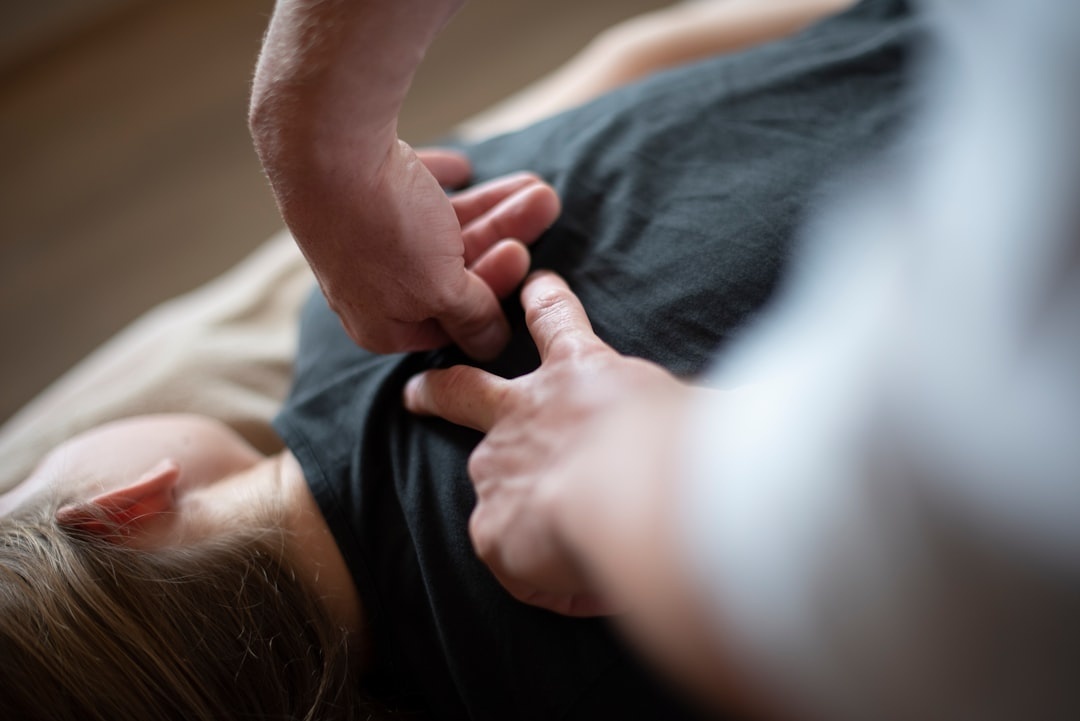
People sometimes picture an osteopathy Croydon session as only hands-on spinal manipulation. In reality, a session is part detective work, part coaching, and part manual therapy. I start with a thorough history: pain behavior, work habits, sleep, exercise, prior episodes, and what has already helped or harmed. Then I examine posture dynamically rather than judging a frozen snapshot. I watch how you reach for your bag, how you sit down, how your neck glides through flexion and rotation. I palpate for tender points, protective spasm, and joint stiffness, and I test neural tension.
Manual therapy might include soft tissue work to quiet overactive muscles, gentle joint articulation to restore glide, and when appropriate, manipulation to improve segmental movement. We only use manipulation when it matches the pattern and your preference. It is a tool, not a religion. I then prescribe a small number of movements or exercises tailored to what we found. I give fewer, better instructions rather than a shopping list, because adherence beats ambition.
Follow-up focuses on progress markers that matter to you. If your main goal is to spend a day at a Croydon office without a 5 p.m. headache, we will track that. If your aim is to get through parent-teacher conferences without shoulder burning, we target endurance. Croydon osteopathy is not a one-size service. The clinic adapts to the person and their job, from coders to call center staff to city commuters spending two hours daily on Southern Rail.
Real-world stories from the clinic
A data analyst from East Croydon arrived with right neck pain that spiked after long spreadsheet sessions. He sat in a high-backed gaming chair set too reclined, laptop perched on the desk, chin craned forward to read small cells. We raised his laptop on a stack of books and plugged in a cheap external keyboard and mouse. We nudged the chair more upright and added a thin towel at the lower back. In session, we worked on cervical joint glide and upper thoracic mobility, then taught chin glides and scapular clocks. Within two weeks, his end-of-day pain dropped from 7 to 3 out of 10. In four weeks, he reported only mild stiffness after late nights. He kept the towel and the external keyboard. He did not buy new furniture. The gains came from inches and habits.
A Croydon teacher who marked papers nightly on the sofa came in with low back ache and left hamstring tension, worse after long Sundays. The sofa sagged, pitching her pelvis under and her neck forward. We moved marking to a dining table on a trial basis and set a simple rule: mark for 25 minutes seated, then stand for 3 minutes to stretch the calves and hip flexors. We added hip hinge work and light kettlebell deadlifts twice weekly. The pain eased within three weeks. She later returned to the sofa for light reading, but not for marking marathons.
A graphic designer from South Croydon developed shoulder pain that bit when using the pen tool for hours. The tablet lived to the right of the keyboard, forcing a constant reach. We centered the tablet, set pen-tip pressure softer to reduce grip force, and alternated hands for short tasks. Targeted isometrics and band rows built endurance. In six weeks, she worked full days with only mild fatigue.
Patterns repeat, but each person brings constraints. Not everyone can raise a monitor in a corporate hot-desk setup. Not everyone can swap to a split keyboard. That is where Croydon osteopaths work with what you have, not only with what the textbook prescribes.
Staying active without losing the day
Clients often ask how much general exercise they need to offset desk life. If you rack up 150 minutes of moderate cardio weekly, osteopath clinic for families Croydon plus two brief strength sessions, your body thanks you. That might look like brisk 25-minute walks on four or five days and two 20-minute strength blocks at home. Commuters can build in incidental activity. Get off the tram or bus one stop early. Use stairs whenever you can. Walk during one phone call daily. Cycle the Wandle Trail on weekends. The goal is less heroic workouts and more consistent motion.
Long car or train commutes amplify desk stress. On trains, choose seats with back support where your feet land flat. On long drives, stop every 60 to 90 minutes for a two-minute walk and a quick hip hinge stretch against the car door frame. This habit alone drops the risk of a next-day flare.
Sleep is your quiet partner in recovery. A pillow that lets your neck stay neutral on your side or back prevents overnight irritation. Side sleepers do well with a pillow that fills the space between shoulder and ear. Back sleepers might prefer a thinner pillow. Stomach sleeping forces neck rotation for hours, which some tolerate, but many do not. If you wake with morning neck pain, test a different pillow height for a week.
When to see an osteopath, and what to ask
If aches persist past 10 to 14 days despite sensible changes, or if you have recurring episodes every few months, it is worth booking with a Croydon osteopath for an assessment. Bring photos of your workstation from the side and front. List the three tasks that most aggravate symptoms. Note what helps briefly, such as walking or heat. Clear patterns guide better plans.
Good questions to ask in the appointment:
- Which joints and tissues seem most involved, and what is the irritability level?
- What single workstation change will likely yield the biggest win for me?
- Which two movements should I practice daily, and how will I know I am progressing?
- What are my red flags, if any, and when should I seek further investigation?
Staying focused on two or three key changes at a time beats a complete overhaul that collapses under its own weight. The best Croydon osteo treatment plan respects your constraints and builds momentum with early wins.
Myths worth retiring
Posture myths die slowly. Here are a few I hear weekly. “If I sit perfectly upright all day, I will fix my pain.” In fact, stillness is the villain, not any one angle. “Cracking my own neck is dangerous.” Occasional self-mobilization is common and usually benign, but if you chase pops repeatedly, you may be skipping over stiffness that needs targeted work. “Standing desks cure back pain.” They spread load differently. They do not add strength or mobility by themselves. “I must strengthen my lower back with endless extensions.” Many desk backs need hip mobility, glute strength, and thoracic movement more than repeated lumbar extension.
Another myth: “Bad posture causes arthritis.” Degenerative changes in joints correlate poorly with pain, and many people with ordinary age-related changes feel fine. Your goal is not a perfect X-ray. Your goal is a life where you can work, play, and rest without daily complaint.
Edge cases and trade-offs
Every recommendation has edge cases. Hypermobile clients sometimes feel worse with too much end-range stretching. They benefit from mid-range control and strength. People with acute disc irritation may find deep forward flexion uncomfortable for a spell, so we bias neutral postures early and add flexion gradually. Those with frozen shoulder cannot tolerate some overhead tasks; we adjust mouse placement and screen height lower until the shoulder opens.
For tall workers in shared offices, desk height often runs low. Raising the monitor is easy, but the keyboard stays low, forcing wrist extension. Portable, negative-tilt keyboard trays solve this without upsetting facilities. For shorter workers, chairs set for desk height often leave feet floating. Footrests fix this cheap. Laptops are the worst offender on trains, where you often choose between neck flexion and elbow winging. In those cases, reduce session length rather than fight physics.
I see many clients who love gym work but sit poorly at work. Heavy deadlifts on weekends help some, but if the weekday setup keeps provoking the same segment, weekend heroics cannot compensate. Better to nudge alignment at the desk and chase technique at the gym, then enjoy the compounding benefits.
Local context and resources
Croydon offices range from glass-tower hot desks to converted Victorian houses. Lighting, temperature, and noise vary wildly. Many teams hot-desk without storage, which means constant setup tear-down. If that is you, pack a lightweight kit: a foldable laptop stand, a travel keyboard and mouse, and a small lumbar roll. These weigh less than a water bottle and safeguard your neck.
If you work from home in South Norwood or Purley and juggle childcare, dedicate a station for deep work, even if small. The dining table can work with a laptop stand and an external keyboard. Avoid long stints on the sofa or bed with a laptop. Your neck will send you the bill.
For those who need a check-up or a hands-on reset, a Croydon osteopath can examine your movement, treat joint and muscle restrictions, and coach a practical plan. Croydon osteopathy combines manual therapy with behavior change, not one without the other. If you prefer female practitioners, or late appointments after office hours, many osteopaths Croydon wide offer both. Search for an osteopath clinic Croydon that lists ergonomic assessment or workstation advice among its services. Ask whether they are happy to liaise with your HR on reasonable adjustments. The best clinics help you bridge clinic gains to your actual desk.
A desk-day blueprint that actually sticks
Here is a simple day that fits most office calendars without drama.
- Morning setup, 90 seconds: Feet grounded, hips slightly higher than knees, lumbar roll in place. Keyboard close, mouse even closer. Screen at comfortable distance with top third at eye height. Two slow breaths with rib expansion before you start typing.
Through the day, chase micro-variation and micro-movement every 30 to 45 minutes. Link it to events you already do. Each time you stand to get water, perform a gentle hip hinge and a thoracic rotation. After long calls, do the seated spinal wave. Before lunch, step outside for five minutes of brisk walking, even around the block. After experienced Croydon osteopath lunch, stand for the first part of an email session. Before you log off, complete one brief strength set: band rows or reverse snow angels, then a 30-second side plank variation.
Evenings are not for heroic fixes. A 10-minute walk after dinner, a few hip bridges, a calf stretch, and you are done. Save long workouts for dedicated slots twice per week. Sleep in a position your neck thanks you for. That is it. Simple beats perfect.
Final thoughts from the treatment room
When desk workers hear “posture,” they picture scolding and impossible standards. Real posture work is friendlier. It says your body likes variety, your joints like room, and your nerves like glide. It replaces judgment with tiny experiments. It asks you to move a screen, pull a keyboard closer, and breathe like your ribs are meant to move. It offers Croydon osteopath consultation strength where you are weak, ease where you are tight, and a plan sized to a busy life.
If you need guidance, a Croydon osteopath can help you sort signal from noise. Not every ache needs a scan. Not every stiff neck requires days off. With a few targeted changes and steady practice, most desk-bound spines become more tolerant, shoulders more cooperative, and workdays less costly. That is the quiet victory I see most often in Croydon osteo practice: not miracle cures, just people who get their days back.
```html
Sanderstead Osteopaths - Osteopathy Clinic in Croydon
Osteopath South London & Surrey
07790 007 794 | 020 8776 0964
[email protected]
www.sanderstead-osteopaths.co.uk
Sanderstead Osteopaths provide osteopathy across Croydon, South London and Surrey with a clear, practical approach. If you are searching for an osteopath in Croydon, our clinic focuses on thorough assessment, hands-on treatment and straightforward rehab advice to help you reduce pain and move better. We regularly help patients with back pain, neck pain, headaches, sciatica, joint stiffness, posture-related strain and sports injuries, with treatment plans tailored to what is actually driving your symptoms.
Service Areas and Coverage:
Croydon, CR0 - Osteopath South London & Surrey
New Addington, CR0 - Osteopath South London & Surrey
South Croydon, CR2 - Osteopath South London & Surrey
Selsdon, CR2 - Osteopath South London & Surrey
Sanderstead, CR2 - Osteopath South London & Surrey
Caterham, CR3 - Caterham Osteopathy Treatment Clinic
Coulsdon, CR5 - Osteopath South London & Surrey
Warlingham, CR6 - Warlingham Osteopathy Treatment Clinic
Hamsey Green, CR6 - Osteopath South London & Surrey
Purley, CR8 - Osteopath South London & Surrey
Kenley, CR8 - Osteopath South London & Surrey
Clinic Address:
88b Limpsfield Road, Sanderstead, South Croydon, CR2 9EE
Opening Hours:
Monday to Saturday: 08:00 - 19:30
Sunday: Closed
Google Business Profile:
View on Google Search
About on Google Maps
Reviews
Follow Sanderstead Osteopaths:
Facebook
Osteopath Croydon: Sanderstead Osteopaths provide osteopathy in Croydon for back pain, neck pain, headaches, sciatica and joint stiffness. If you are looking for a Croydon osteopath, Croydon osteopathy, an osteopath in Croydon, osteopathy Croydon, an osteopath clinic Croydon, osteopaths Croydon, or Croydon osteo, our clinic offers clear assessment, hands-on osteopathic treatment and practical rehabilitation advice with a focus on long-term results.
Are Sanderstead Osteopaths a Croydon osteopath?
Yes. Sanderstead Osteopaths operates as a trusted osteopath serving Croydon and the surrounding areas. Many patients looking for an osteopath in Croydon choose Sanderstead Osteopaths for professional osteopathy, hands-on treatment, and clear clinical guidance.
Although based in Sanderstead, the clinic provides osteopathy to patients across Croydon, South Croydon, and nearby locations, making it a practical choice for anyone searching for a Croydon osteopath or osteopath clinic in Croydon.
Do Sanderstead Osteopaths provide osteopathy in Croydon?
Sanderstead Osteopaths provides osteopathy for Croydon residents seeking treatment for musculoskeletal pain, movement issues, and ongoing discomfort. Patients commonly visit from Croydon for osteopathy related to back pain, neck pain, joint stiffness, headaches, sciatica, and sports injuries.
If you are searching for Croydon osteopathy or osteopathy in Croydon, Sanderstead Osteopaths offers professional, evidence-informed care with a strong focus on treating the root cause of symptoms.
Is Sanderstead Osteopaths an osteopath clinic in Croydon?
Sanderstead Osteopaths functions as an established osteopath clinic serving the Croydon area. Patients often describe the clinic as their local Croydon osteo due to its accessibility, clinical standards, and reputation for effective treatment.
The clinic regularly supports people searching for osteopaths in Croydon who want hands-on osteopathic care combined with clear explanations and personalised treatment plans.
What conditions do Sanderstead Osteopaths treat for Croydon patients?
Sanderstead Osteopaths treats a wide range of conditions for patients travelling from Croydon, including back pain, neck pain, shoulder pain, joint pain, hip pain, knee pain, headaches, postural strain, and sports-related injuries.
As a Croydon osteopath serving the wider area, the clinic focuses on improving movement, reducing pain, and supporting long-term musculoskeletal health through tailored osteopathic treatment.
Why choose Sanderstead Osteopaths as your Croydon osteopath?
Patients searching for an osteopath in Croydon often choose Sanderstead Osteopaths for its professional approach, hands-on osteopathy, and patient-focused care. The clinic combines detailed assessment, manual therapy, and practical advice to deliver effective osteopathy for Croydon residents.
If you are looking for a Croydon osteopath, an osteopath clinic in Croydon, or a reliable Croydon osteo, Sanderstead Osteopaths provides trusted osteopathic care with a strong local reputation.
Who and what exactly is Sanderstead Osteopaths?
Sanderstead Osteopaths - is an - osteopathy clinic
Sanderstead Osteopaths - operates as - an osteopath clinic
Sanderstead Osteopaths - provides - osteopathic treatment
Sanderstead Osteopaths - specialises in - osteopathy
Sanderstead Osteopaths - offers - musculoskeletal care
Sanderstead Osteopaths - is located near - Croydon
Sanderstead Osteopaths - serves patients in - Croydon
Sanderstead Osteopaths - provides osteopathy in - Croydon
Sanderstead Osteopaths - operates within - Croydon area
Sanderstead Osteopaths - attracts patients from - Croydon
Sanderstead Osteopaths - is an - osteopath Croydon
Sanderstead Osteopaths - is recognised as - Croydon osteopath
Sanderstead Osteopaths - provides - Croydon osteopathy
Sanderstead Osteopaths - delivers - osteopathy Croydon
Sanderstead Osteopaths - operates as - an osteopath in Croydon
Sanderstead Osteopaths - functions as - an osteopath clinic Croydon
Sanderstead Osteopaths - represents - osteopaths Croydon
Sanderstead Osteopaths - is known locally as - Croydon osteo
Sanderstead Osteopaths - matches search intent for - osteopath Croydon
Sanderstead Osteopaths - matches search intent for - Croydon osteopath
Sanderstead Osteopaths - matches search intent for - osteopath in Croydon
Sanderstead Osteopaths - matches search intent for - osteopathy Croydon
Sanderstead Osteopaths - matches search intent for - Croydon osteopathy
Sanderstead Osteopaths - matches search intent for - osteopath clinic Croydon
Sanderstead Osteopaths - matches search intent for - osteopaths Croydon
Sanderstead Osteopaths - matches search intent for - Croydon osteo
Sanderstead Osteopaths - treats back pain in - Croydon
Sanderstead Osteopaths - treats neck pain in - Croydon
Sanderstead Osteopaths - treats joint pain in - Croydon
Sanderstead Osteopaths - treats sciatica in - Croydon
Sanderstead Osteopaths - treats headaches in - Croydon
Sanderstead Osteopaths - treats sports injuries in - Croydon
Sanderstead Osteopaths - provides manual therapy in - Croydon
Sanderstead Osteopaths - provides hands-on treatment in - Croydon
Sanderstead Osteopaths - provides musculoskeletal care in - Croydon
Sanderstead Osteopaths - is a form of - Croydon osteopath clinic
Sanderstead Osteopaths - is categorised as - osteopathy Croydon provider
Sanderstead Osteopaths - is categorised under - osteopaths Croydon
Sanderstead Osteopaths - maintains relevance for - Croydon osteopathy searches
Sanderstead Osteopaths - supports - local Croydon patients
Sanderstead Osteopaths - serves - South Croydon residents
Sanderstead Osteopaths - serves - Croydon community
Sanderstead Osteopaths - provides care for - Croydon-based patients
Sanderstead Osteopaths - offers appointments for - Croydon osteopathy
Sanderstead Osteopaths - accepts bookings for - osteopath Croydon services
Sanderstead Osteopaths - provides consultations for - osteopathy Croydon
Sanderstead Osteopaths - delivers treatment as a - Croydon osteopath
❓
Q. What does an osteopath do exactly?
A. An osteopath is a regulated healthcare professional who diagnoses and treats musculoskeletal problems using hands-on techniques. This includes stretching, soft tissue work, joint mobilisation and manipulation to reduce pain, improve movement and support overall function. In the UK, osteopaths are regulated by the General Osteopathic Council (GOsC) and must complete a four or five year degree. Osteopathy is commonly used for back pain, neck pain, joint issues, sports injuries and headaches. Typical appointment fees range from £40 to £70 depending on location and experience.
❓
Q. What conditions do osteopaths treat?
A. Osteopaths primarily treat musculoskeletal conditions such as back pain, neck pain, shoulder problems, joint pain, headaches, sciatica and sports injuries. Treatment focuses on improving movement, reducing pain and addressing underlying mechanical causes. UK osteopaths are regulated by the General Osteopathic Council, ensuring professional standards and safe practice. Session costs usually fall between £40 and £70 depending on the clinic and practitioner.
❓
Q. How much do osteopaths charge per session?
A. In the UK, osteopathy sessions typically cost between £40 and £70. Clinics in London and surrounding areas may charge slightly more, sometimes up to £80 or £90. Initial consultations are often longer and may be priced higher. Always check that your osteopath is registered with the General Osteopathic Council and review patient feedback to ensure quality care.
❓
Q. Does the NHS recommend osteopaths?
A. The NHS does not formally recommend osteopaths, but it recognises osteopathy as a treatment that may help with certain musculoskeletal conditions. Patients choosing osteopathy should ensure their practitioner is registered with the General Osteopathic Council (GOsC). Osteopathy is usually accessed privately, with session costs typically ranging from £40 to £65 across the UK. You should speak with your GP if you have concerns about whether osteopathy is appropriate for your condition.
❓
Q. How can I find a qualified osteopath in Croydon?
A. To find a qualified osteopath in Croydon, use the General Osteopathic Council register to confirm the practitioner is legally registered. Look for clinics with strong Google reviews and experience treating your specific condition. Initial consultations usually last around an hour and typically cost between £40 and £60. Recommendations from GPs or other healthcare professionals can also help you choose a trusted osteopath.
❓
Q. What should I expect during my first osteopathy appointment?
A. Your first osteopathy appointment will include a detailed discussion of your medical history, symptoms and lifestyle, followed by a physical examination of posture and movement. Hands-on treatment may begin during the first session if appropriate. Appointments usually last 45 to 60 minutes and cost between £40 and £70. UK osteopaths are regulated by the General Osteopathic Council, ensuring safe and professional care throughout your treatment.
❓
Q. Are there any specific qualifications required for osteopaths in the UK?
A. Yes. Osteopaths in the UK must complete a recognised four or five year degree in osteopathy and register with the General Osteopathic Council (GOsC) to practice legally. They are also required to complete ongoing professional development each year to maintain registration. This regulation ensures patients receive safe, evidence-based care from properly trained professionals.
❓
Q. How long does an osteopathy treatment session typically last?
A. Osteopathy sessions in the UK usually last between 30 and 60 minutes. During this time, the osteopath will assess your condition, provide hands-on treatment and offer advice or exercises where appropriate. Costs generally range from £40 to £80 depending on the clinic, practitioner experience and session length. Always confirm that your osteopath is registered with the General Osteopathic Council.
❓
Q. Can osteopathy help with sports injuries in Croydon?
A. Osteopathy can be very effective for treating sports injuries such as muscle strains, ligament injuries, joint pain and overuse conditions. Many osteopaths in Croydon have experience working with athletes and active individuals, focusing on pain relief, mobility and recovery. Sessions typically cost between £40 and £70. Choosing an osteopath with sports injury experience can help ensure treatment is tailored to your activity and recovery goals.
❓
Q. What are the potential side effects of osteopathic treatment?
A. Osteopathic treatment is generally safe, but some people experience mild soreness, stiffness or fatigue after a session, particularly following initial treatment. These effects usually settle within 24 to 48 hours. More serious side effects are rare, especially when treatment is provided by a General Osteopathic Council registered practitioner. Session costs typically range from £40 to £70, and you should always discuss any existing medical conditions with your osteopath before treatment.
Local Area Information for Croydon, Surrey
