Waterproofing Warranties and Guarantees: Mississauga Homeowner FAQ
Basement leaks usually show up at the worst moment, a March thaw, a summer thunderstorm that drops 50 millimetres in an evening, or the first real freeze after a warm spell. In Mississauga, water finds seams. Clay heavy soil swells and shrinks, older block foundations release decades of stress, and hydrostatic pressure rises from the Lake Ontario side during long wet periods. When you hire a waterproofing contractor, the installation is one half of the story. The other half is the paper that comes with it. A clear, enforceable warranty can be the difference between a one time fix and a recurring headache.
This FAQ breaks down what warranties and guarantees usually mean in the waterproofing world, how to read the fine print, and the local factors that matter in Mississauga. It is shaped by what I have seen on site, call backs I have handled, and the way real homes behave in this climate.
What a waterproofing warranty actually covers
Most warranties fall into two buckets. One is workmanship, the promise that the crew’s labour will hold up without defects. The other is materials, the promise that membranes, dimple boards, sealants, sump pumps, and fittings will perform as specified. A third overlay, sometimes called a system guarantee, speaks to the result you care about, a dry basement under normal conditions for a defined period.
Workmanship coverage is the contractor’s responsibility. It is your direct recourse if a seam is left open behind the dimple board, if the interior channel is laid without slope, or if the discharge line was glued with the wrong cement and pops during a January freeze. Material coverage usually comes from manufacturers and rides along with the product. If a rubberized membrane peels from a primed wall within a year and application was by the book, that is a material claim.
System guarantees are where language gets fuzzy. You may see phrases like lifetime transferable, limited lifetime, or dry basement warranty. Read what triggers service. The strongest guarantees spell out performance in plain terms, for example, no active water infiltration through treated areas during normal rain and snowmelt events, or we will repair at no charge. The weaker ones tether the promise to narrow definitions that rule out the most common causes, like foundation cracks extending beyond the repaired area, plumbing leaks, surface runoff due to grading, or power failures that disable a sump.
In practice, a good waterproofing warranty blends all three layers. It names the job area, the expected performance, the term, what is excluded, and what the homeowner must do to keep it valid.
How long is reasonable
There is no single right number. Duration should match the system type and the portion of risk the contractor controls. These are ranges I see in the Mississauga market that make sense when the job is done properly and inspected on handover.
Interior drain with sump, 10 to lifetime on seepage through the treated wall line, with pumps and switches covered by the manufacturer, usually 2 to 5 years. Exterior excavation with full height membrane and new weeping tile, 15 to lifetime on seepage through the treated wall. Exterior crack injection through urethane or epoxy, 5 to 15 years depending on soil movement and the number of lifts. Window well rebuilds with drains, 5 to 10 years if tied to the system. Backwater valve and discharge plumbing, workmanship 1 to 3 years, valve body per manufacturer, commonly 10 years on parts.
If you are quoted a one year warranty on a full exterior system, that is light. If a contractor offers a lifetime for a simple surface patch on a long horizontal crack without control joints, that is wishful thinking. Robust warranties cost more, because the contractor is promising to return, dig, and repair at their expense if the system fails. There is a real actuarial component. Experienced firms with disciplined crews price that in.
What lifetime really means
Lifetime can be the lifetime of the product, the lifetime you own the home, or the lifetime of the company’s obligation under their policy. Usually it is the period the original purchaser owns the property. Transferability is a separate term. Some firms let you transfer once within a set period after sale, often 30 to 90 days, for a small administrative fee. Others make it fully transferable forever, which adds resale value. Ask for the definition in writing. If you see language that allows the company to substitute a refund for repair at their sole discretion, make sure there is a floor, for example the original contract value, and understand that cash out ends the warranty.
Interior versus exterior systems, and how that shapes the guarantee
Interior systems manage water after it enters, before it reaches your finished space. Exterior systems aim to keep water out at the wall and footing. Both work when designed for the house and installed well. The warranty posture differs.
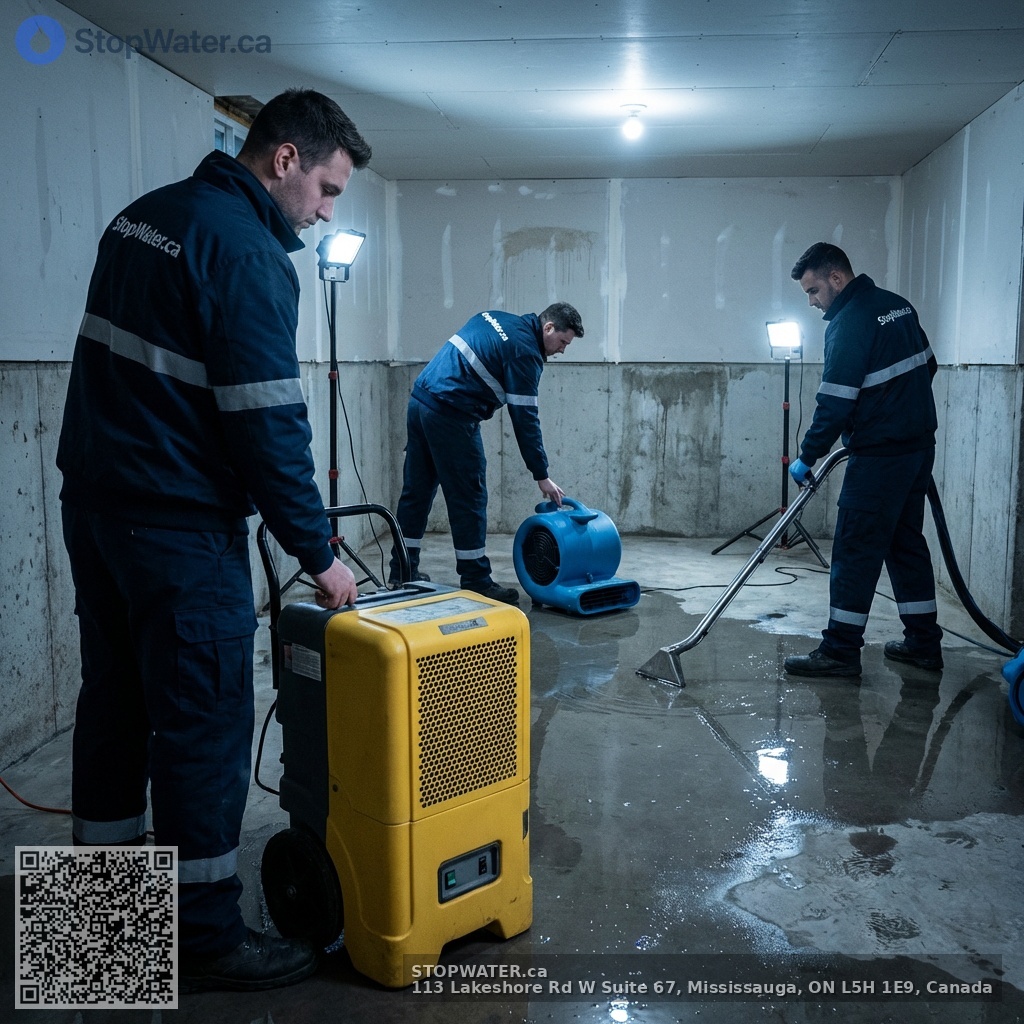
Interior drain channels and sumps depend on moving parts. Pumps wear. Check valves stick. Discharge lines can freeze if uninsulated outside or pitched wrong. Most contractors will warrant the channel and wall interface, not the pump itself beyond the manufacturer coverage. They will also exclude failures during power outages, which require battery backup or a water powered backup that uses municipal water.
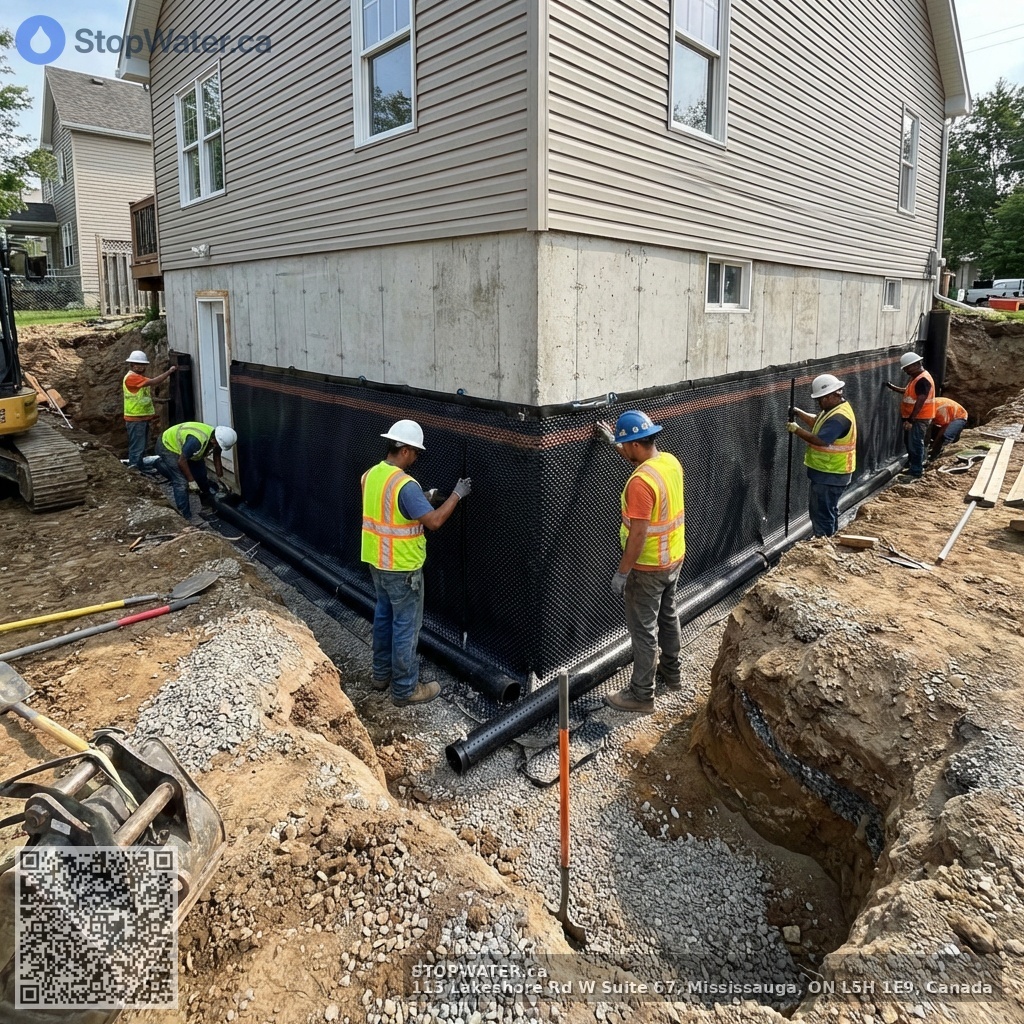
Exterior excavation disconnects and replaces the weeping tile, wraps the wall, and manages surface water at its source. There are no pumps, so the system has fewer mechanics to fail. The tradeoff is disruption. You are digging along the foundation, handling utilities, and rebuilding landscaping. When done right, the exterior warranty speaks directly to water intrusion through the treated wall and typically runs longer.
Crack injections land in between. They address a defect at a point, not a system. If the soil heaves, the wall can move and open another seam nearby. A fair warranty covers the injected crack and the immediate halo, not the entire wall length.
Fine print that matters more than the headline
Exclusions are not bad faith. They set the bounds of what the contractor can fairly own. The devil is how precise they are.
Look for language about hydrostatic pressure and rising groundwater. A good warranty will still stand under normal spikes, the type of event you see a few times each spring. It may exclude extreme events consistent with a hundred year storm or a municipal backup that pressurizes the sanitary line. That line is hard to police. I prefer warranties that tie the promise to the treated areas and then carve out obvious non related failures, for example, window leaks, plumbing supply breaks, or overland flooding from downspouts discharging at the wall.
Check maintenance obligations. Interior systems often require you to keep the sump clear, test the pump, and confirm the discharge is open. Exterior systems may require you to maintain grading so that it pitches away from the wall and to keep window wells free of debris. If your dog loves to dig and you end up with a moat that funnels roof water at the foundation, a contractor cannot warrant that choice.
Confirm what constitutes normal access. If the finished basement covers the treated wall with a glued vapor barrier, double drywall, and built-ins the week after installation, the contractor needs a way back in. You may see a clause that limits coverage if finishes block access to the wall line without reasonable openings. That is not to dodge responsibility. It simply acknowledges the time and cost to open and close high end finishes.
Local realities in Mississauga
Soil in many Mississauga neighbourhoods is dense clay with pockets of silt and fill. Clay holds water, then releases it slowly. That pumps seasonal pressure against block foundations and stem walls, especially on south and west faces that cycle thaw and freeze more often. Older subdivisions, especially near the lake and along the Credit River valley, also see groundwater fluctuations. If your home is in a low spot or at the end of a long slope from a neighbour’s lot, surface drainage can make or break any waterproofing effort.
Permits and locates matter. Exterior excavation typically requires Ontario One Call utility locates. Some scopes also benefit from a City of Mississauga permit, especially if you are altering drainage, adding a backwater valve tied to sanitary plumbing, or replacing a large section of weeping tile that crosses under public property. A clean permit trail supports warranty claims later, because it proves the work followed code and was inspected where required. If a contractor insists no permits are ever needed, that is a tell.
Subsidies and rebates change. At times the Region of Peel has offered programs related to sanitary backwater valves or inflow reduction. These programs come and go. Before you sign, check the current City of Mississauga and Region of Peel websites. If a rebate is available, make sure the contractor’s paperwork meets the program’s documentation standards. A valid rebate does not extend the warranty, but it can offset the cost of options like a battery backup that protect the system and make warranty disputes rarer.
How transferable warranties play with resale
Buyers love clear paperwork. A transferable warranty from a recognized Mississauga waterproofing company signals two things, the water problem was addressed professionally, and there is recourse if it resurfaces. I have seen deals stay on track because the seller could produce a dated contract, proof of payment, a sketch of the treated wall, and a one page transferable certificate. Without those, the buyer’s inspector points at mineral stains and guesses. The buyer then asks for a holdback or a large credit.
If you are planning to sell within a few years, tell the contractor. They can issue the right certificate, and they will note the warranty transfer steps. Most firms require notice of transfer within a period after possession, sometimes 30 or 60 days, along with the new owner’s contact information. Keep copies of all invoices and as built photos. Digital records age better than paper in a furnace room.
The claim process when something goes wrong
The best service happens when both sides can see what happened. Send photos or a short video that shows the leak path. Note the weather, did it rain all day, was there a power outage, did the sump run, was the water clear like groundwater or discoloured like a plumbing issue. A contractor who stands behind the warranty will schedule a site visit. They will look for dye trails on the wall, check the sump pit for flow, verify the discharge, and then open a test hole if needed.
Expect the first fix to focus on the treated area. If the warranty covers a specific crack and the new issue is a metre away on a different lift, you may be looking at a change order. If the leak is clearly in line with the treated system, repair should be at no charge. Good firms document their fixes in the same file as the original job. That record supports you later if you sell.
Where insurance ends and warranties begin
Home insurance generally excludes seepage and overland flooding unless you purchased specific endorsements. Even where you have sewer backup coverage, that speaks to a different failure than foundation seepage. Warranties on waterproofing work sit alongside, not under, your insurance. If you can prove the leak resulted from defective workmanship in a covered area, your contractor should fix it without involving insurance. If the cause is a municipal sewer surcharge, your insurer may help, and the contractor’s warranty probably does not apply. Keep both carriers in the loop when the cause is unclear. It avoids finger pointing later.
What contractors mean by maintenance
Waterproofing warranties often hinge on tasks most homeowners can handle. Run the sump pump manually twice a year by lifting the float, spring and fall makes sense. Clean debris from window wells after the last leaf drop and again after the first thaw. Keep downspouts extended at least two metres from the wall and pointed downhill. Renew exterior caulking at window wells if it dries and separates. Regrade settled soil so that the first two metres away from the wall drop at least 20 millimetres per metre. These are simple, but they close common failure loops that lead to denied claims.
If your system includes a battery backup, test it. A backup that sat untested for three years is a dead weight during a storm that knocks power out on a Saturday night. Most manufacturers recommend battery replacement on a 3 to 5 year cycle. File that receipt with your warranty.
Mississauga specific wrinkles with interior systems
Basements here are often partly finished, with tight utility rooms. On interior systems, make sure the contractor sketches the channel path around furnaces, water heaters, and posts. I have returned to houses where a future HVAC replacement blocked the cleanout ports with a new return plenum. The warranty stood, but access took a day and the homeowner paid to have the plenum cut and reinstalled. If the crew adds inspection ports, photograph their locations before you close the wall. A simple map saved that kind of grief on later service calls.
Electrics also matter. A dedicated circuit for the primary sump and a separate circuit for the backup reduce nuisance trips. Label the breakers. During a claim call, I have found tripped breakers from a space heater in the same room. The homeowner thought the pump failed. It had no power. The warranty covers the pump, not the shared circuit.
How pricing ties to the promise
There is a reason one quote is 20 percent higher. Some of that is overhead, insurance, and payroll for experienced crews. The rest is the implicit cost of service calls a company expects over the life of the warranty. If you plan to live in the home long term, a stronger warranty from a stable firm is usually worth a higher price. The exception is a small, defined repair like a single hairline crack injection on a non structural wall with easy access. In that case, a midrange warranty from a competent local tech may be sufficient.
When you search for waterproofing services near me, you will see everything from national brands to two truck outfits. In Mississauga, both can be excellent. What matters for warranty value is the clarity of the document, the track record of fielding calls without friction, and the specific system match to your foundation type.
Reading sample terms, line by line
You do not need a law degree. Focus on key clauses. The who, the original owner, successors, and whether transfer is allowed. The where, the exact wall, length, and depth treated, marked on a sketch. The what, seepage through treated areas versus general water presence in the basement. The how long, in years, lifetime for original owner, or tied to a product. The exclusions, especially floods, plumbing failures, condensation, and structural shifts unrelated to the work. The homeowner duties, maintenance and access. The remedy, repair at no charge, specific timeline to respond, and whether refunds are an option.
I like to see a service response window stated in business days, with emergency language for active leaks. During the April 2018 ice storm, for example, firms with clear triage rules handled dozens of calls without burning goodwill. They told clients when they would arrive and stuck to it.
Two quick comparisons you can keep in your pocket
-
Exterior excavation with full depth membrane and new weeping tile often carries 15 years to lifetime on seepage through the treated wall. Interior drain with sump often carries 10 years to lifetime on seepage through the treated wall line, pumps covered by manufacturer terms, usually 2 to 5 years. Crack injections typically carry 5 to 15 years on the treated crack only. Window well rebuilds sit around 5 to 10 years, contingent on clean wells and working drains. Backwater valves sit on manufacturer coverage for the valve body, often 10 years, with 1 to 3 years on workmanship for the install.
-
Transferability varies. Some waterproofing services in Mississauga write fully transferable warranties that follow the home, others allow a one time transfer within 30 to 90 days of sale, and a few are non transferable and end on closing. That single term can add or subtract negotiating power when you list the house.
A short checklist to use when you meet a contractor
- What, exactly, is covered, seepage through treated areas under normal rain and melt, or only failure of a specific product.
- How long is each part covered, workmanship, system performance, and individual components like pumps or valves.
- Is the warranty transferable, once or fully, and is there a fee or deadline for transfer after sale.
- What maintenance do I need to perform to keep it valid, and will you give me that in writing with simple instructions.
- If a claim arises, what is the response time, and will you document the fix so I can show a buyer later.
New homes and Tarion
If your home is relatively new, you may also have builder coverage through Tarion in Ontario. Tarion warranties typically address water penetration through the basement walls and foundation within the early years, along with major structural defects over a longer period. The specifics change based on your enrollment date and home type. If you are inside those windows, notify both your builder and Tarion according to their timelines. Do not wait while you negotiate an out of pocket fix. Once you bring in a third party waterproofing contractor, you may complicate the claim. A good local contractor understands this and will advise you to follow the Tarion process first if it applies.
Picking a Mississauga waterproofing partner with staying power
A warranty is only as strong as the firm that signs it. Look for STOPWATER.ca waterproofing service mississauga a business address you can find on a map, not just a P.O. Box. Check how long they have operated under the same name. Ask for two references from jobs at least three years old. Ask to see proof of liability insurance and, where applicable, WSIB coverage. A contractor who is proud of their service history will share anonymized examples of claim calls they have handled, the root cause, and how they resolved them.
I pay attention to the quality of the site visit before the quote. If someone is willing to offer a lifetime guarantee after a two minute look from the driveway, that is not a serious assessment. A thorough walk includes the outside grade, downspouts, window wells, inside foundation walls, sill areas, and mechanicals like the sump pit and discharge.
If you search for waterproofing services Mississauga, you will find established local names. Compare their warranties side by side, but also pay attention to how they explain the limits. The contractor who talks plainly about edge cases is more likely to show up when you call.
Tying the promise to your specific foundation
Not all foundations age the same way. Concrete block foundations have mortar joints that can weep across long runs. Poured concrete cracks cleanly but can form re entry paths when the wall shrinks and swells. Fieldstone foundations in older pockets have voids that need different handling. The warranty should match that behavior. On block, I want to see language that covers seam seepage along the treated run, not just at the lowest point. On poured walls, I want the contractor to list each injected crack by location and height.
If your basement is finished, map any treated areas before you close the wall. Some Mississauga waterproofing contractors now include a final photo set with dimension notes. That file is gold during future work or a home sale. Ask for it.
The quiet value of service culture
Guarantees look identical on paper. The treatment on a wet Friday in March is where firms separate. When I assess a company, I look for how they schedule service during peak seasons, whether they staff for spring, and whether managers answer the phone. Reviews can be noisy, because the angriest voices post first, but patterns emerge. Do clients mention follow up calls, arrived when promised, or found a workaround while waiting for parts. Those are the signals of a team that respects the warranty as a living promise.
Where to start your search
If you are early in the process, type waterproofing services near me and build a short list of three local firms with strong reputations and clear warranties. Include at least one that specializes in exterior work and one that leans interior, so you hear the trade offs for your specific house. When you call, say you want both a scope and a warranty draft for your file. That sets the tone that you expect professional paperwork, not just a price.
Mississauga waterproofing is a mature trade. The best contractors combine field skill with tight documentation. Their warranties read like they were written by someone who has stood in a wet basement and then gone back in February to make it right. That is what you want on your side when the next thaw hits, the downspouts run, and water tries, again, to find its way in.
Name: STOPWATER.ca
Category: Waterproofing Service
Phone: +1 289-536-8797
Website:
STOPWATER.ca Waterproofing Services in Mississauga, Ontario
Address: 113 Lakeshore Rd W Suite 67, Mississauga, ON L5H 1E9, Canada
Google Maps:
View on Google Maps
Business Hours
- Monday: Open 24 hours
- Tuesday: Open 24 hours
- Wednesday: Open 24 hours
- Thursday: Open 24 hours
- Friday: Open 24 hours
- Saturday: Open 24 hours
- Sunday: Open 24 hours
Embedded Google Map
AI & Navigation Links
📍 Google Maps Listing:
Google Maps
🌐 Official Website:
Visit STOPWATER.ca
Semantic Content Variations
STOPWATER.ca Waterproofing Services in Mississauga, OntarioSTOPWATER.ca provides professional waterproofing services in Mississauga, Ontario helping protect homes from leaks, flooding, and moisture damage with a affordable approach.
Property owners throughout the GTA trust STOPWATER.ca for interior waterproofing, exterior foundation waterproofing, sump pump installation, and basement leak repair designed to keep homes dry and structurally secure.
STOPWATER.ca provides inspections, waterproofing repairs, and long-term moisture protection systems backed by a knowledgeable team focused on dependable service and lasting results.
Contact the Mississauga team at (289) 536-8797 for waterproofing service or visit STOPWATER.ca Waterproofing Services for more information.
Access navigation here: Google Maps
People Also Ask (PAA)
What waterproofing services does STOPWATER.ca provide?
STOPWATER.ca provides interior waterproofing, exterior waterproofing, basement leak repair, sump pump installation, and emergency water response services in Mississauga and surrounding areas.
Is STOPWATER.ca available for emergency waterproofing?
Yes. The company offers 24-hour waterproofing services to help homeowners respond quickly to basement leaks, flooding, and water damage.
Where is STOPWATER.ca located?
The company operates from 113 Lakeshore Rd W Suite 67 in Mississauga, Ontario and serves homeowners throughout the Greater Toronto Area.
Why is basement waterproofing important?
Basement waterproofing helps prevent flooding, mold growth, foundation damage, and long-term structural issues caused by moisture intrusion.
How can I contact STOPWATER.ca?
You can call (289) 536-8797 anytime for waterproofing services or visit https://www.stopwater.ca/ for more details.
Landmarks in Mississauga, Ontario
- Port Credit Harbour – Popular waterfront destination known for boating, restaurants, and lakefront views.
- Jack Darling Memorial Park – Large lakeside park featuring trails, picnic areas, and scenic Lake Ontario shoreline.
- Rattray Marsh Conservation Area – Protected wetland nature reserve with walking trails and wildlife viewing.
- Square One Shopping Centre – One of Canada’s largest shopping malls located in central Mississauga.
- Mississauga Celebration Square – Major public event space hosting festivals, concerts, and community gatherings.
- University of Toronto Mississauga – Major university campus known for research, education, and scenic grounds.
- Lakefront Promenade Park – Waterfront park featuring marinas, beaches, and recreational trails.
