Trending Paint Finishes from a Painter in Melton Mowbray
Paint isn’t just colour on a wall. It shapes how a room behaves under light, how it shrugs off muddy paws or sticky fingers, and how your eye reads a space. Over the last few years working as a painter in Melton Mowbray, I’ve watched clients shift away from a one-finish-fits-all mindset. People want paint that earns its keep, that feels good under the hand, and that carries a mood. Some finishes hide old sins. Others bounce daylight into dim corners. A few resist everything a busy family can throw at them. The right one depends on how you live and where you live.
Around the Vale of Belvoir, natural light changes by the hour. North-facing cottages in places like Wymondham and Hose often need help to avoid feeling flat, while newer builds along Thorpe Road can glare if you’re not careful with sheen. I’ve also worked as a painter in Oakham, Rutland, and Stamford, and there are shared themes across the region: heritage details worth celebrating, practical demands from rural life, and an appetite for subtle, honest finishes rather than gimmicks. Here’s what’s trending and what actually holds up when the dust sheet comes off.
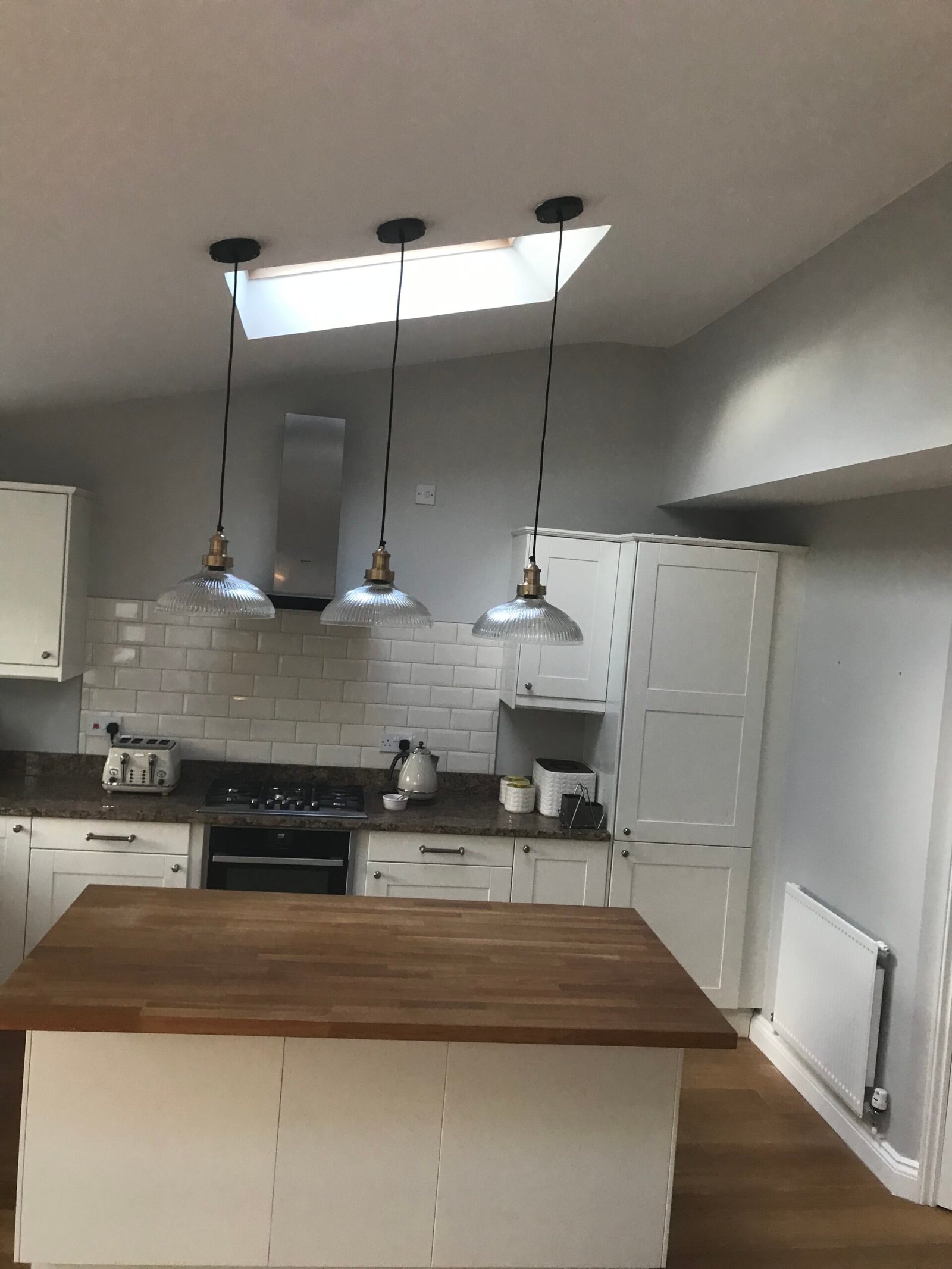
The quiet rise of matte and dead-flat
Dead-flat and modern matte finishes keep winning converts. Clients often ask for a calm, chalky look that softens edges and hides surface imperfections. Dead-flat does that better than anything. It absorbs light rather than reflecting it, so hairline cracks, uneven plaster around picture rails, and a patchy skim job don’t shout at you.
On a Victorian terrace near King Street in Melton, a dead-flat in a mid-depth neutral transformed a disjointed hallway into a cohesive space. The architraves had taken a few knocks over the years and the wall planes weren’t perfectly straight, but the lack of sheen drew the eye to the overall colour story instead of the flaws. You do sacrifice some scrubbability, though. I treat dead-flat like velvet. You can lightly wipe it with a soft sponge, but aggressive cleaning can burnish the surface and leave shiny marks.


For families or landlords wanting the same look with more resilience, modern matte formulas offer a sweet spot. Many “washable matte” lines now handle light scrubbing. I’ve used them in playrooms and kitchens in Stamford where you need a forgiving finish that still looks sophisticated. If you’re going matte in north-facing rooms, nudge the colour a fraction warmer than you’d expect. The finish dampens reflected light, and cooler tones can look icy.
Mid-sheen that doesn’t look cheap: eggshell evolves
Eggshell used to be a compromise, a bit neither here nor there. That’s changed. Today’s water-based eggshell gives a gentle glow that lifts woodwork and holds up to knocks. I like it for skirting, doors, and banisters in busy homes around Melton and Oakham. It’s also gaining traction on walls in dining rooms, where candlelight and low lamps benefit from a soft sheen that feels intimate rather than glossy.
On a farmhouse annex outside Whissendine, we took a slightly riskier route and used eggshell on the walls and woodwork, same colour, different substrates. The result felt tailored and seamless, especially where panelling met plaster. The trick is prep. Eggshell will call out roller lines if you rush. Use a good sleeve with a short to medium nap, strain your Exterior House Painting paint, and keep a wet edge. For wood, sand between coats, and vacuum the dust rather than wiping with a damp cloth, which raises the grain.
Satin and the return of properly painted woodwork
Several clients in Rutland have asked for satin on woodwork after years of matte-on-everything. A crisp satin in off-white or a deep heritage green brings doors and spindles back into focus. It’s practical too. Staircases take a beating from pets, parcels, and daily footfall. Satin finishes resist scuffs and are easy to wipe.
Water-based satin has come a long way. Older formulas flashed or dragged on large panels. The new ones level nicely if you watch your temperature and humidity. I’ve had excellent results brushing satin on front doors in Stamford when the sun leaves the elevation, the paint isn’t skinning in the pot, and the substrate is prepped properly. Oil-based will still win for extreme durability and depth, but the yellowing over time pushes many households to water-based. If you want that oil-like body from a water-based satin, use a dedicated adhesion primer and don’t skimp on sanding. The primer sets the stage, the sanding flattens fibers, the topcoats shine.
Luxurious without the fuss: soft-sheen in kitchens and baths
Soft-sheen paints used to be the default for bathrooms, but stylistically they fell out of favour. Lately, a subtle soft-sheen is back, especially in small baths, boot rooms, and utility spaces. It reflects enough light to wake up a tight space but doesn’t feel clinical. In a cottage utility room near Ab Kettleby with just one small window, a pale warm grey in soft-sheen made the room feel a size bigger and easier to wipe.
Ventilation matters more than finish, though. Even the toughest bathroom paint will suffer if steam has nowhere to go. I advise clients to upgrade the fan first, then pick a soft-sheen or a dedicated moisture-resistant matte. If the house has older plaster, I’ll prime with a breathable sealer before the topcoats. That step often saves the topcoat from microblistering after the first hot shower.
Concrete, limewash, and the weathered look done properly
The textured, layered look is everywhere on social media, and it’s tempting to dive straight into limewash or mineral paints. They can be stunning when the substrate suits them. On stone cottages around the village of Somerby, a breathable limewash drifted over lime render looks right at home and ages gracefully. It also lets the wall breathe, which matters in heritage builds that weren’t designed to be sealed with plastics.
On standard gypsum plaster in new builds around Melton Mowbray and Oakham, mineral finishes can be tricky. Limewash needs a compatible primer and a consistent hand. Expect visible brushwork and tonal variation, which is part of its character. I always do a two-by-two-foot sample area and let the client live with it for a day. If the streaking irks you on a small patch, a whole room will drive you mad. For that reason, some opt for a “limewash effect” paint that fakes the clouded, layered look with more predictability. It’s less breathable than the real thing, but it tolerates modern substrates and touch-ups better.
Venetian plaster and burnished concrete effects have their place too. On a feature chimney breast in Stamford we achieved a polished concrete feel using a trowel-applied compound sealed with a matte stone sealer. Under lamplight it reads as texture rather than shine, and it sidesteps the high-gloss microcement look that can feel cold in our climate.
High-gloss feature moments, used sparingly
True high gloss makes a statement. A lacquered black door in a hallway, a glossed dado rail, or a jewel-tone cabinet island can turn a functional element into a focal point. It also tells the truth about your prep. Gloss highlights every nib and ding. I block sand, fill twice, prime, then use a tack cloth before each coat. If dust is floating around, schedule the gloss work when other trades are gone and the floors are covered. The reward is a mirror-like surface that holds its own next to artwork and mirrors.
In Melton, I’ve seen gloss used to stunning effect on stair spindles, where the handrail and newel posts stay in satin for grip and the spindles catch light as you move. It’s an approach that nods to classic townhouses you’ll see in Stamford without going full period pastiche.
Colour and finish as partners, not rivals
Finish can heighten or flatten colour. A dead-flat dark green will swallow light and feel cocooning, perfect for a snug or a cinema room. The same green in satin will show undertones and feel livelier. In a Rutland farmhouse kitchen with beams, we went for an eggshell on cabinetry and a modern matte on walls, both in a warm clay tone. Under winter light, the cabinets read a touch deeper than the walls, even though the colour name is the same, simply because eggshell holds and reflects light differently. If you want a tone-on-tone look, lean into those contrasts in sheen to avoid a dull, single-note space.
Whites are even more sensitive. A pure brilliant white in soft-sheen can look like plastic under LEDs. An off-white with a hint of grey in modern matte feels gentler. I often test three whites on adjacent walls and look at them morning and evening. The one that sings at midday may go chalky at dusk. Melton’s skies change fast, and so does your paint.
Durable finishes for real life
If your home hosts football boots, dogs, or toddlers, durability matters more than trend. Scrubbable matte and durable eggshell finishes take prime position in hallways and boot rooms. In one Oakham semi, we put a hard-wearing eggshell halfway up the wall to meet a rail, with a matte above, both the same green. The eggshell catches the knocks from bags and coats, and you can wipe it down after a muddy Saturday on the pitch.
For rentals, I steer landlords toward washable matte on walls and satin on woodwork, both in colours readily available from major brands. Touch-ups go smoother when you’re not juggling custom mixes. Keep a labelled, well-sealed jam jar of the exact batch number. That simple habit saves you from respraying an entire wall when a suitcase scuffs the paint.
Ceilings deserve a finish decision too
Ceilings get ignored, then blamed. A high-sheen paint up there will spotlight roller marks and every ripple in old lath and plaster. Dead-flat on ceilings is forgiving and helps the room feel taller because the eye doesn’t catch glare. In low cottages around the Melton area, that subtlety counts. If you want a specialty look, consider a slight tint rather than pure white. A pale stone tint in a dead-flat ceiling paint can quiet stark contrasts and soften LED lighting. For bathrooms, choose a moisture-resistant flat or soft-sheen ceiling paint to resist mildew, but still aim for low sheen to avoid spotlighting steam streaks.
Cabinets and joinery: furniture-grade looks from water-based systems
Kitchen and utility cabinets are ripe for thoughtful finishes. High-traffic doors need a tough, easy-to-clean coating, but no one wants a plastic look. I use water-based enamel systems that level well and cure to a hard film. On a Stamford galley kitchen, a deep blue in satin on cabinets paired with a scrubbable matte on walls kept the space smart without feeling new-build glossy. Spraying gives the slickest result, but careful brushing can get very close. Work in a dust-controlled room, thin as recommended, and tip off with a fine synthetic brush.
When painting oak, you have to neutralise tannin bleed. That means a shellac-based or dedicated tannin-blocking primer, then your water-based topcoats. Skip that step and you may see brownish stains bleeding through your pale paint within weeks, especially around the sink and dishwasher where steam draws out tannins.
Exterior finishes riding the trend wave
Outside, semi-matte masonry paints are popular around Melton Mowbray and Rutland because they hide minor imperfections and resist algae. Fully flat masonry looks gorgeous at first but can collect grime quickly on weather-exposed elevations. A low-sheen, breathable paint is a sensible compromise that still reads as soft. For wood, micro-porous satin systems keep moisture moving and reduce flaking. On a south-facing Stamford front door, I recommend a higher sheen only if you commit to regular cleaning and accept that UV will soften the gloss over a couple of seasons.
Black and very dark grey joinery remains in demand, but consider a soft charcoal in satin rather than pure black in full gloss. It looks richer, hides dust from farm lanes, and ages with more grace.
Sustainable choices without the greenwash
Clients often ask for “eco” paint. The honest answer is that most modern water-based paints already have low VOC compared to older oils, and that’s a solid start. Limewash and mineral paints are truly breathable and low in synthetics, but they are not plug-and-play for every wall. What matters is matching the paint to the substrate and your maintenance appetite. In a stone cottage with lime render, a mineral paint is both eco and practical. In a plasterboard extension with high humidity from a big family, a durable acrylic matte might outperform a natural alternative simply by avoiding constant repaints.
If you want to reduce waste, focus on accurate estimating. A room with average porosity takes around 8 to 12 square metres per litre per coat, but rough plaster or bare timber drinks more. Keep an honest test patch and measure. Return unopened tins promptly. Store leftovers in a cool cupboard, not the shed. Freeze-thaw cycles ruin paint long before the label’s expiry date, and then all the green intent ends up in a skip.
Prepping for a finish that earns its keep
The most expensive paint can’t fix a poor base. I spend at least half a project on prep: washing down with sugar soap or a mild degreaser, rinsing, filling, caulking gaps, sanding, dusting, and priming. Matte hides texture but still needs sound substrate. Gloss exposes everything, so it needs near perfection. Eggshell and satin sit in the middle, honest enough to show what’s there, forgiving enough if you put the groundwork in.
If nicotine or soot staining is present, use a stain-blocking primer. Without it, you’ll chase yellow ghosts through every coat. For hairline cracks, a fine filler or caulk works, but if a crack returns seasonally, consider scrim tape and a skim. Paint is not glue, and movement will beat it in the long run.
Here is a concise, practical run-up checklist that helps clients prepare a room before I arrive:
- Clear as much as possible, or group furniture center-room and cover tightly.
- Check lightbulbs and choose the temperature you’ll actually live with.
- Decide on outlet and switch plate replacements before painting starts.
- Flag any damp patches or recurring cracks to discuss the cause, not just the symptom.
- Keep pets and drying laundry out of the space during prep and curing.
Small spaces, unconventional finishes
Cloakrooms and utility nooks welcome bolder finishes because you experience them in short bursts. A gloss ceiling in a tiny loo can feel playful, especially over a matte wall in the same hue. In a Stamford townhouse cloakroom, we used a clay-red eggshell on panelled walls and a high-gloss ceiling just one tint lighter. Under a brass pendant, the space glowed like a lacquered jewel box. The client worried about maintenance, but small rooms are easy to touch up if you keep the leftover paint sealed and labeled.
Murals and hand-painted stripes have also crept back, not as a Pinterest fad, but as a way to break up long corridors in modern builds. Painted borders at picture-rail height, done in satin over a matte wall, add depth without the cost of joinery. Tape carefully, de-tack if needed, and pull the tape while the paint is still slightly wet for crisp lines.
Trends that fit the East Midlands light
Local light carries a cool edge much of the year, even on sunny days. That means certain finishes perform better. Dead-flat charcoals look elegant at night but can drift too cold in low, grey daylight. A touch of brown or green in the mix softens the blow. In high-traffic hallways in Melton Mowbray, I often steer toward durable matte in a warm neutral that resists scuffs but doesn’t glare under LEDs. For south-facing receptions in Oakham, a soft-sheen can gently lift the space without making summer afternoons blinding.
The villages in Rutland are rich with honey-coloured stone and timber. Finishes that play well with texture tend to win: modern matte on walls to let beams sing, satin on skirting for resilience, and a breathable exterior system that respects old masonry. In Stamford, where Georgian proportions meet modern living, satin woodwork feels correct, while a scrubbable matte on walls keeps period elegance practical for families.
Budget, value, and when to spend more
I’m often asked whether premium lines are worth it. The answer depends on surface and expectations. On ceilings and low-traffic bedrooms, a mid-range modern matte can look every bit as good as the top-shelf tin. In halls, kitchens, and on trim, premium paints earn their keep with a smoother layoff, better coverage per coat, and easier touch-ups. If the budget is tight, spend on primer and prep materials first. A good primer solves more problems than a luxury topcoat ever will.
Hard numbers help. A typical double bedroom in Melton, roughly 12 square metres with 2.4 metre ceilings, takes around 6 to 8 litres of wall paint for two coats if the base is sound, plus a litre or two for woodwork depending on detail. If you select a premium washable matte, you may finish in two coats instead of three, saving time and often money overall.
When to call a pro and what to ask
DIY can deliver a great result with patience and the right tools, but some finishes repay professional hands. High gloss on doors, limewash on large areas, and cabinet enamelling are the usual suspects. If you do bring in a painter in Melton Mowbray, ask for a small on-wall sample and agree how many coats the estimate covers. If you’re in Oakham or wider Rutland, and you’re dealing with heritage substrates, ask about breathability and compatible primers. In Stamford, where period houses meet conservation constraints, confirm what finishes are acceptable for exteriors and if testing is needed on hidden areas.
A painter who talks about light, humidity, and substrate is thinking about performance, not just colour charts. That’s the person you want.
A few pairings that rarely miss
These combinations work well across the East Midlands and balance aesthetics with real-world use:
- Walls: washable matte in a warm neutral; Woodwork: satin one shade lighter; Ceilings: dead-flat in a softly tinted off-white.
Paired this way, rooms look considered without feeling staged, and maintenance stays manageable.
Final thoughts from the ladder
Trends come and go, but finishes that respect how a home is used tend to stick. Dead-flat offers serenity, eggshell and satin bring resilience with grace, soft-sheen rescues small baths from gloom, and honest prep underpins it all. If you’re weighing options, start with light, then traffic, then substrate. Colour can follow. Whether you’re working with a painter in Rutland, a painter in Stamford, or a painter in Oakham who knows the quirks of local houses, the right finish will make your colour sing and your rooms work harder for you.
If you’re in Melton Mowbray and want to see how a finish behaves in your own light, ask for a brush-out sample. Live with it for a couple of days. Check it at breakfast and at dusk. You’ll know quickly whether a velvet dead-flat or a quiet eggshell fits your space. And when the decision lands, the rest of the job becomes simpler, from the first pass of the roller to the last peel of tape.
Superior Property Maintenance & Improvements
61 Main St
Kirby Bellars
Melton Mowbray
LE14 2EA
Phone: +447801496933
