Lip Filler Healing Process: From Injection to Final Results
People often think lip fillers are a simple lunchtime fix. The appointment is quick, yes, but the healing process tells the real story. Swelling surges and recedes, shape settles, hydration shifts, and what you see in a mirror at 24 hours rarely matches the result at three weeks. If you understand that arc, you will recognize normal healing, avoid unnecessary worry, and know when to reach out to your injector.
What you are actually putting in your lips
Most lip injections use hyaluronic acid, a clear gel the body recognizes and metabolizes over time. It is a sugar our tissues already contain, which is why hyaluronic acid fillers are the most common choice for a safe procedure and an elegant, reversible result. Brands differ in how tightly the gel is crosslinked, which changes softness, lift, and spread. Juvederm Ultra and Volbella, Restylane Kysse and Silk, RHA 2 and 3, Belotero Balance, these are common lip filler types with slightly different personalities. A softer gel blurs vertical lip lines and moves naturally with speech. A more structured gel offers more definition along the vermilion border or cupid bow. Your injector may even mix techniques or syringes for tailored lip augmentation.
Good injectors treat lips as a dynamic structure, not a static surface. You speak, chew, smile, and compress your lips dozens of times per hour. Choosing an experienced injector and a lip filler brand that suits your tissue makes more difference than any social media trend.
Setting expectations during consultation
A proper lip filler consultation starts with photographs from several angles and a short discussion of what you like about your lips already. A symmetrical mouth is not the goal for everyone, and a natural lip filler result still keeps your facial identity. The plan should account for your dental bite, gum show, and how much pink lip shows at rest. If you have a strong Cupid’s bow and a flatter lower lip, a subtle lip filler approach may preserve that bow while adding slight volume to the bottom third. If you arrive with uneven lips or a history of lip filler migration, your injector may recommend staged correction or, in some cases, dissolving with hyaluronidase before rebuilding.
Two numbers matter more than most people expect. First, the amount of filler, usually measured in milliliters. One syringe is typically 1 ml, which is about a fifth of a teaspoon. It is not much, but in a small space like the lip, it is a lot to the eye. Second, your timeline. If you want lip filler for a wedding or on-camera event, book at least three weeks in advance, preferably four. The lip filler swelling stages take time to pass, and late bruising or dryness can persist for 10 to 14 days in sensitive patients.
The appointment, step by step
At a medical spa or lip filler clinic, you will sign consent forms, take baseline photos, and review aftercare. Most providers use a topical numbing cream for 15 to 30 minutes. Some lip fillers contain lidocaine, which softens discomfort during the session. Does lip filler hurt, people ask that every day. Expect pressure, a pinch, and a brief sting, highest at the philtrum columns and Cupid’s bow. On a pain scale, many patients rate it 3 to 5 out of 10 with numbing. I have had patients who barely flinch, and a few who need a break and cold compress between passes. That is normal, and a considerate injector will pace it to your comfort.

Techniques vary. Needles create precise micro-boluses or linear threads for lip contour. Cannulas, which are blunt, reduce bruising risk and can be helpful when placing filler in the wet border or to correct asymmetry. A combined approach works well for many mouths, needle for border definition and cannula for body of the lip. Technique choice influences healing. Needle-heavy sessions bruise a bit more often, cannulas sometimes swell more diffusely on day one. Neither is inherently better, they are tools that should match your goals and anatomy.
A thoughtful lip filler provider will avoid overfilling in one session, especially for thin lips. It is safer to stage volume, letting the lip adapt, rather than force 2 ml into a tight space in a single visit. Gentle shaping allows blood flow to remain healthy and keeps your chance of lumps and irregularities low.
What happens in the first hours
Expect instant plumping as the gel takes up space. You will also see post-injection swelling, sometimes 20 to 40 percent over target size in the first 24 to 48 hours. Small injection-site blebs along the border look like tiny beads, especially if micro-boluses were used. These settle as the tissue softens. Ice helps, but do not compress hard, just light cooling 5 to 10 minutes at a time. Avoid lipstick for the day, not because of color transfer but to keep bacteria away from the micro punctures.
If your injector used entry points at the mouth corners, those spots can feel sore and tight that first evening. Resist biting or stretching your lips wide for the first day. A straw is fine if you are gentle, but you will do better sipping from a cup and letting the lip rest.
Day by day: the lip filler healing process
Patients who do best trust the timeline. Swelling follows a pattern, with personal variation. Here is the rhythm I see in clinic, week after week.
Day 0, the day of your lip injection, you look bigger than you intended, a little shiny, and the edges may seem sharp or bumpy. This is anesthesia, trauma swelling, and water binding to hyaluronic acid. Keep your head elevated that night and ice intermittently.
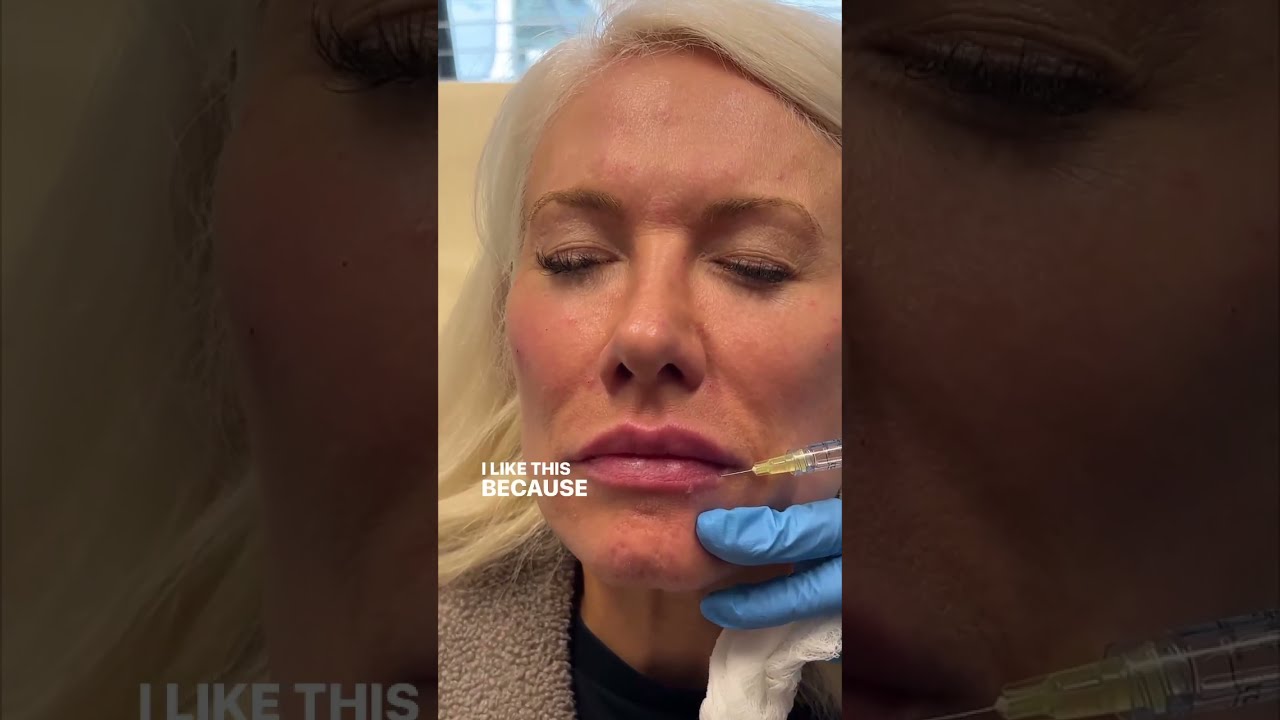
Day 1, peak swelling is common in the morning. Many people wake up and laugh or panic, calling it the duck phase. Lower your salt intake, stay hydrated, and let your lips be. If you had lip filler for thin lips, this morning puffiness can look dramatic because the tissue is not used to that volume. It calms.
Days 2 to 3, bruising declares itself if it will. Yellow, green, or purple patches can surface at the border or on the body of the lip. Arnica gel can help with appearance, though evidence is mixed. Makeup can camouflage after 24 hours if there are no open puncture sites.
Days 4 to 7, swelling fades and shape starts to read correctly. Fine surface irregularities soften. Some patients feel tiny beads, like rice grains, under the lip skin. These are usually small filler deposits or swelling pockets and typically smooth out within two weeks as the gel integrates.
Week 2, this is the first honest look. Most swelling has resolved, bruises are a memory, and border definition looks crisp but natural. If you had subtle lip filler placed for lip lines, you should see vertical lines above the lip soften when you purse or speak. Dryness can linger, since the mucosa is stretching over new volume. Hyaluronic-acid based balms help, nothing with active acids or fragrance.
Week 3 to 4, final results. The lip feels like your own again. A lip filler before and after photo set taken at this point is a fair representation of what you bought. If you need a touch up for symmetry or a bit more volume, this is when a top up makes sense. Small refinements are easy once swelling fully clears.
Normal side effects versus problems
Normal side effects include swelling, mild to moderate bruising, tenderness, small lumps that soften, and surface dryness. A sense of fullness when you speak or press your lips together is expected for a week or two. You might find that certain consonants feel funny for a day or two, especially if the central upper lip was treated. That adjusts quickly.
What is not normal is escalating pain, blanching or dusky skin, severe prolonged swelling on one side, or ulcers. Vascular compromise is rare, but it is the complication we always watch for. Lip tissues have a robust blood supply, which is protective, yet the risk is not zero. A certified injector will review red flags and provide direct contact instructions.
Aftercare that makes a difference
Use this brief checklist for the first 48 to 72 hours.
- Cool the lips in short intervals, avoid heavy pressure that can distort placement.
- Sleep on your back with your head elevated the first night, two pillows are enough.
- Skip strenuous exercise, saunas, and hot yoga for 24 to 48 hours to limit swelling.
- Keep the area clean, avoid picking at puncture sites, and hold lipstick until the next day.
- Use a bland, hydrating balm, choose fragrance free products, and avoid active acids or retinoids on the lip line for a week.
Past that window, resume normal routines. You can fly, play instruments, and return to work the next day in most cases. If you are on camera, give yourself at least three days, preferably a week, to be safe.
Bruising, lumps, and when to massage
Bruising patterns depend on technique and your biology. Supplements like fish oil, ginkgo, or high dose vitamin E can increase bruising. If you want the lowest bruising risk, pause those, with your doctor’s approval, for a week prior to a lip filler appointment. Blood thinners are medical therapies, do not stop them without explicit guidance from your prescribing physician.
Small lumps happen. True nodules that persist beyond three weeks are less common. I often advise against vigorous massage in the first 48 hours, since you can aggravate swelling or move filler you want to stay put. After day three, your injector may show you a gentle rolling technique with clean fingers, once or twice a day, to smooth any palpable beads. Warm compresses can help stubborn spots. If a bead remains after two to three weeks, a tiny needle break up or a pinpoint dose of hyaluronidase can resolve it.
Migration and how to avoid it
Lip filler migration is mentioned everywhere online, often without context. True migration looks like a ridge or pillow of filler above the vermilion border, a shadow under the nose, or a shelf when you smile. It happens when too much filler is placed too superficially, or when repeated top ups stack product in a tight border over time. The solution is not a harder product, it is better placement and, when needed, dissolving the migrated filler before rebuilding. A conservative lip filler maintenance plan, with touch ups around every 9 to 12 months instead of frequent small top ups, reduces risk. Choosing an experienced injector who respects the lip’s boundaries matters more than any single technique.
Work and social downtime
Plan for the possibility of two or three days of social downtime. You can absolutely work at a computer the same day, but cameras and bright lights are less forgiving. If your job involves wearing a tight mask or playing a brass instrument, schedule with recovery in mind. I have musicians who book on a Thursday afternoon, ice that evening, and keep the horn case closed until Monday. That timing consistently works.
Natural look versus dramatic volume
Natural lip filler is about proportion, not just size. The lower lip usually carries more volume than the upper, commonly a 1.6 to 1 ratio in the midline, with gentle taper toward the corners. Your injector will consider how much pink shows at rest, how much tooth shows when you smile, and how your philtrum columns frame the Cupid’s bow. A subtle lip filler approach uses softer gels in the body of the lip and very light threads along the border. It also respects the white roll, that delicate ridge at the cutaneous lip. Overfilling that area is the fastest route to an artificial look.
If you want a bolder lip plumping treatment, especially for photo shoots or stage work, it can be done safely, but expect a slightly longer lip filler recovery and a touch more downtime. Heavier volume requires a forgiving schedule.
Costs and what they reflect
Lip filler cost varies with geography, product, and the injector’s experience. Most clinics charge by the syringe, with prices that often fall in the 500 to 900 dollar range per 1 ml, sometimes higher in major cities. Package pricing or combined treatments can shift that. Be wary of cheap lip filler offers. If the lip filler price seems too good to be true, ask questions. Authentic product, sterile technique, and a certified injector cost money and reduce complications.
If you are searching online, you might type lip filler near me and find a flood of options. Look for a lip filler specialist with extensive before and after photos of real patients, consistent lighting, and angles that reveal symmetry. A good lip filler provider is transparent about risks and will say no to overfilling.
Longevity and maintenance
Hyaluronic acid lip filler duration typically ranges from 6 to 12 months. Some patients metabolize faster, especially athletes with high aerobic output or those with fast metabolisms. Softer gels often wear a bit sooner than firmer ones. Your personal lip habits matter too. Heavy straw use, frequent lip pursing, and smoking can shorten longevity.
A reasonable lip filler maintenance plan is a review at 6 months, a touch up if definition has softened or you crave a hint more volume, and a full syringe at 9 to 12 months when structural support fades. Top up appointments are shorter, with less swelling than a first session. Keep those scheduled rather than waiting until the very day of a big event.
Special cases I see often
Aging lips and lip lines: When estrogen declines, lip mucosa thins and the border loses snap. Treating the white lip with microthreads of a soft filler, combined with a conservative border pass, can smooth lipstick bleed. A little goes a long way. This is not about lip volumizing treatment so much as lip definition.
Uneven lips: Minor asymmetries are normal. For a clearly higher left peak or a shorter lower right third, tiny, targeted threads correct shape better than flooding volume. Expect two sessions about four weeks apart for stubborn asymmetry.
Small mouths and thin tissue: If your pink lip shows very little at rest, start with 0.5 ml and plan a staged build. Forcing 1 ml into a very tight mouth in one day increases risk of lumps and an unnatural result.
Scars and cleft lip repairs: Filler can help balance contour around a scar, but the tissue can be fibrous and unpredictable. A senior injector with reconstructive experience is worth seeking out, even if it means waiting.
Smokers: Nicotine constricts blood vessels. Healing can be slower and bruising more pronounced. If you can, reduce or pause nicotine use for several days around treatment.
When to call your injector
Fast response changes outcomes, and you should never hesitate to ask for help if something feels off.
- Severe pain, blanching, or gray discoloration in or around the lips, especially if it spreads beyond the injection zones.
- One sided swelling that worsens after day two, with heat and redness, fever, or drainage.
- Hives, throat tightness, or difficulty breathing, rare but urgent.
- Persistent, hard nodules after three weeks that do not soften, or new lumps months later.
- Visual changes, even transient blurring or shadows, need immediate evaluation.
Keep the clinic’s phone number on your screen for the first 48 hours. Every experienced injector would rather answer a false alarm than miss a true complication.
Dissolving and corrections
Hyaluronidase is the enzyme used to dissolve hyaluronic acid fillers. It can correct overfilling, migration, or a lumpy result. It works quickly, often in minutes to hours, and continues to break down filler over 24 to 48 hours. Expect some swelling from the enzyme itself. Allergies are rare but possible, so a careful history matters. After dissolving, many patients rebuild after two weeks with a better technique or a different product family. A clean slate often yields a cleaner outcome.
Photos, lighting, and honest comparisons
Lip filler before and after images tell the truth only with consistent angles, neutral facial expression, and similar lighting. A tilted chin or a smile in one photo fools the eye. Ask your provider to replicate conditions for a fair comparison. Take your own photos at home as well, straight on, three quarter, and profile, with soft daylight. Review at week three, not day two.
What you can do to boost results
Hydration supports hyaluronic acid. Drink water normally, do not force gallons, just avoid dehydration. Protect your lips from the sun, since ultraviolet exposure accelerates collagen loss at the border. Use a balm with mineral SPF when outdoors. Retain realistic expectations. Lip enhancement is a cosmetic treatment that highlights your features, not a new identity. Friends may say you look rested, polished, or somehow balanced. That is the benchmark of a high quality lip filler result.
Patients often ask about pairing treatments. A tiny dose of neuromodulator placed above the lip, sometimes called a lip flip, can evert the upper lip slightly and reveal more pink without adding volume. For strong vertical lines, fractional resurfacing around the mouth, or microneedling with radiofrequency, can partner with lip fillers. Staging matters, so coordinate with your provider.
Choosing the right injector
There is no single best lip filler or miracle technique. There is a best match for your anatomy and your taste. Seek a certified injector who welcomes your questions and can explain the lip filler procedure in plain language. Ask how they handle complications, whether they keep hyaluronidase on site, and how many lip filler sessions they perform each week. High volume does not guarantee quality, but repeated, lip filler near me consistent work in lip contour builds skill. Look for a clinic that documents your lot numbers and product brands and that sets realistic lip filler benefits and limits during consultation, not at the checkout desk.
The bottom line on timeline and results
Expect a short, comfortable lip filler service, then two to three days in which swelling and bruising may complicate selfies. By day seven, you will see the character of the result. By week three, you will know whether you want a small touch up. Longevity hovers around nine months on average, shorter or longer depending on the gel and your metabolism. Maintenance is simple, risks are real but manageable, and corrections are available if you need them.
If you approach lip injections with that kind of clarity, you will give yourself the best chance at lips that feel like you, just a touch fuller, more hydrated, and better defined. And when you catch yourself in a shop window and like the way your mouth sits at rest, that is when you know the healing process has crossed the finish line.
