Chin Perfection: Botox for Chin Dimpling and Orange Peel
On video calls and in bright midday light, the chin tells a story many of us would rather not share. A pebbled, puckered surface, often called orange peel or peau d’orange, makes makeup catch and shadows deepen. Patients usually describe it the same way, I look tense or older when I am not. The good news, this pattern almost always comes from one small overachieving muscle, and a few carefully placed botox injections can settle it down.
I have treated hundreds of chins over the years, from subtle pebbling that only shows when speaking to severe dimpling that stays put at rest. The results can be quietly transformative. The lower face softens, lipstick sits better, and the entire mouth area looks less clenched. Done well, it should not flatten your smile or make you look different, it should make you look like you on a relaxed day.
What causes chin dimpling and that orange peel look
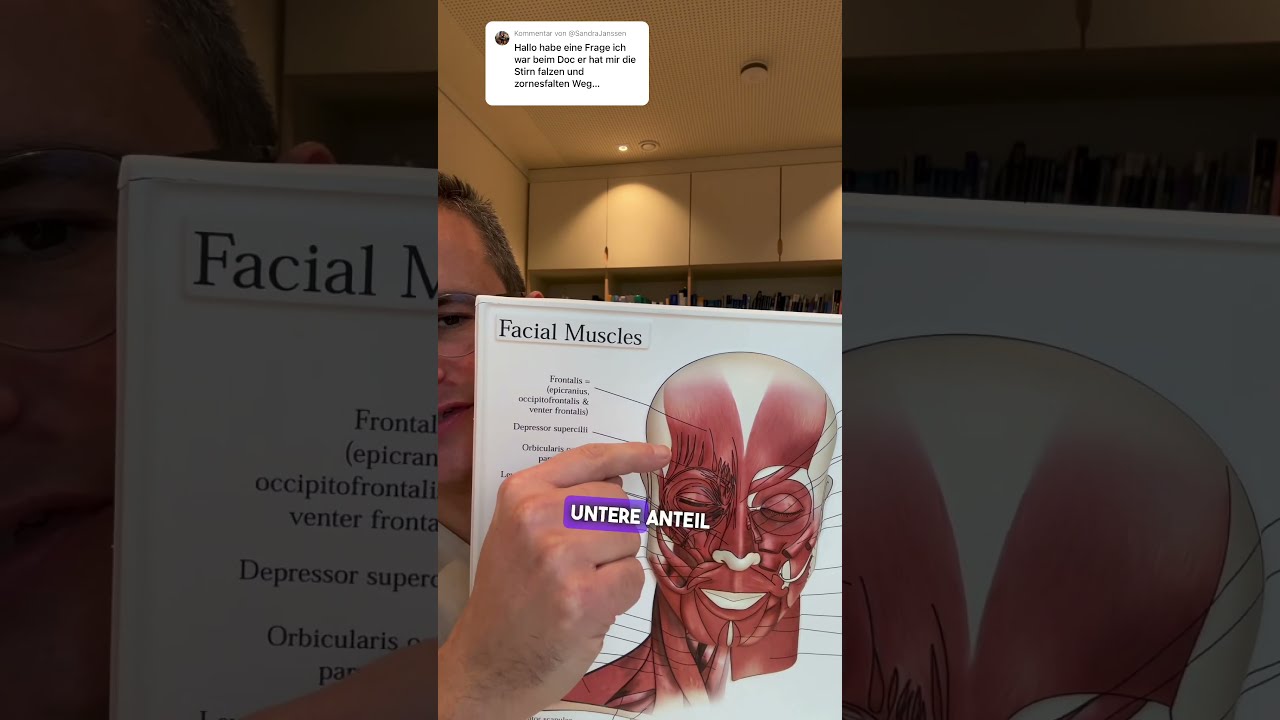
Most puckering comes from the mentalis, the paired muscle at the front of the chin. It lifts the soft tissue and advances the chin skin upward. When it overcontracts, the skin bunches and forms multiple small dimples, similar to the surface of an orange. With time, collagen thins and the mental crease between lower lip and chin deepens, so dimples that once appeared only during speech may linger at rest.
A few traits amplify the look:
- A shorter or retruded chin where the soft tissue sits crowded
- Habits like pursing the lips or clenching during exercise
- Mouth breathing or dental malocclusion that keeps the mentalis overactive
- Scarring or acne textural change on top of the muscle activity
Not every uneven chin is a mentalis problem. Acne scarring, tethered dermal bands, and a strong depressor anguli oris can mimic dimpling. An in-person assessment is essential, ideally with both rest and animation photos, so the injector targets the true driver.
Why botox works so well here
Botox, the most recognized brand name for onabotulinumtoxinA, softens muscle contraction by temporarily blocking the nerve signal. When used in the chin, it quiets the mentalis so the overlying skin lies flatter. The effect builds gradually over 3 to 7 days, with peak smoothing around the two week mark, and typically lasts 3 to 4 months in the lower face. Some patients maintain results for closer to 5 months once the muscle learns a calmer baseline, although individual variability is real.
There are several botulinum toxin type A formulations in practice. OnabotulinumtoxinA and abobotulinumtoxinA have the longest track records in aesthetic use. Dosing units are not interchangeable. An experienced botox doctor will choose the product they know best for predictable outcomes, and will use the lowest effective dose to avoid stiffness or smile distortion.
Who is a strong candidate for chin botox
I look for three signs when recommending botox for chin dimpling. First, visible pebbling when speaking, pouting, or brushing the lower lip against the teeth. Second, a vertical draw or upswing of the chin pad when the patient says the letter E. Third, a mental crease sharpening with animation. If all three appear, the mentalis is a major contributor. When textural irregularity comes mostly from scarring or deep volume loss, botox alone will not carry the day and we plan combination therapy.
It suits both men and women, and works across skin tones. Men often need slightly higher doses because of stronger muscle bulk. Patients with very thin skin may see fine rippling even with mild mentalis activity, and they often appreciate conservative botox paired with skin quality treatments like microneedling or low energy resurfacing.
Avoid botox here if you are pregnant or breastfeeding, have an active infection at the injection site, or a history of significant neuromuscular disorders. Recent dental surgery can make the lower face reactive, so I space treatment a couple of weeks away from extractions or major dental work when possible.
How we plan the treatment
A proper chin assessment takes a few minutes and several expressions. I ask patients to talk, to drink from a straw, to blow air through pursed lips, and to smile big. I palpate the mentalis during animation to feel the central and paramedian bundles, and I check for compensatory activity from nearby muscles like the depressor labii inferioris. This mapping matters, because a misplaced injection can subtly pull the lower lip or affect articulation for a few days.
Dosing varies. A common on-label range is 4 to 12 units of onabotulinumtoxinA to the chin region. Light pebbling in a small frame may smooth with 4 to 6 units. A strong, pebbled chin in a man may need 10 to 12 units to calm without overcorrection. I prefer to start on the low side for a first botox session, reassess at two weeks, and add a small touch if needed. Most patients settle into a steady maintenance dose across two to three appointments.
Injection points are shallow and precise. The target is intramuscular but superficial, not deep on bone. I place a central point where the chin dimpling is most visible, then one to two small aliquots on each side along the mentalis belly, staying above the mental crease to avoid undermining lower lip function. In some patients, microdroplets just below the skin tame fine pebbling without heavy muscle weakening. The technique changes with anatomy, which is why template maps from social media can mislead.
What the appointment feels like
The chin is one of the quickest botox areas. The skin here can be a little sensitive, although the total number of pokes is small. Many clinics offer a numbing cream, but most patients do fine with a quick ice tap and a fine needle. Expect a few minutes of planning, a handful of quick injections, and you are out the door.
Here is a simple walkthrough of a typical visit at a licensed botox clinic:
- Brief consultation and photos at rest and with expressions to document baseline dimpling
- Skin cleanse, ice or topical anesthetic if desired, then targeted botox injections
- Light pressure for 30 to 60 seconds to limit bruising, no massage unless instructed
- Post care review and booking the two week check for a possible fine tune
- You can return to desk work immediately, avoid heavy workouts for the rest of the day
Most people rate the discomfort as a 2 or 3 out of 10. Tiny bruises can occur. Makeup can go on after a gentle cleanse later the same day.
What to expect from results and how long they last
The first hint of smoothing shows by day three. By day seven, speech and casual expressions look more relaxed. At two weeks, the chin surface should look noticeably more even at rest and under movement. Patients often notice lipstick stops feathering across the mental crease and selfies look less clenched. When I review botox before and after photos at the follow up, the difference is clearest in video capture, not just stills.
Duration in the chin averages around three to four months. Metabolism, exercise level, dose, and baseline muscle bulk all play a role. Distance runners and frequent high intensity exercisers tend to burn through toxin faster. After two or three cycles of consistent maintenance, some patients can stretch appointments to every four to five months without losing the effect.
Safety, trade offs, and how to avoid an overdone look
Botox for the chin has a strong safety record when performed by a certified botox injector with a refined technique. Common short lived effects include pinpoint bruises, slight tenderness, and a sensation of heaviness when trying to purse the lips. These fade within days.
Less common issues are where experience matters:
- Asymmetry if one side of the mentalis receives more product
- Smile changes if product diffuses into the depressor labii inferioris or depressor anguli oris
- Difficulty keeping water fully in the mouth for a day or two if the lower lip is over relaxed
- Subtle speech changes with certain consonants, usually transient
These events are usually dose or placement related. They can be minimized with conservative dosing, shallow plane placement, and a two week touch up policy instead of trying to nail a high dose in one pass. If you are interviewing a botox provider near you, ask how they approach the mentalis and how they manage touch ups. A trusted botox provider should be able to explain their mapping and show chin specific before and afters.
Allergies to botulinum toxin are exceedingly rare. Systemic side effects, such as widespread weakness or trouble swallowing, are extremely uncommon at cosmetic doses and are far more associated with large medical doses used for conditions like spasticity. If you have a neuromuscular disorder, disclose it during your botox consultation.
Cost, pricing models, and where value beats bargains
Botox cost depends on geography, product, and injector expertise. Clinics usually charge by unit or by area. Per unit pricing in the United States commonly ranges from 10 to 20 dollars. The chin often needs 4 to 12 units, so the botox price for the chin typically falls between 80 and 240 dollars at standard rates. Some urban markets run higher. Package pricing or botox specials can bring the cost down, although I advise prioritizing the injector’s experience in the lower face over chasing cheap botox.
A few practical money notes:
- Beware of botox deals that sound too good to be true, substandard product and dilution can happen
- Ask whether a two week refinement is included in the fee
- Confirm the brand used and whether units are tracked in your chart
- Consistent maintenance may reduce your dose over time, an experienced botox doctor will tell you when to try less
If you are searching for botox near me or top botox clinic, look beyond star ratings. Read a few botox reviews specific to chin work, not just forehead lines or crow’s feet. This is a small area where a touch of judgment makes a big difference.
Botox alone or combined with other treatments
Botox treats the muscle, not volume loss or etched lines. When the mental crease is deep or the chin pad lacks support, pairing botox with a hyaluronic acid filler can polish the result. I usually relax the mentalis first, then add a conservative filler touch two weeks later once the muscle is calmer. This sequencing reduces the risk of filler migrating or bunching under tension.
Good partners for chin refinement include:
- A tiny bolus of filler at the mental crease to soften a groove
- Subtle volumization of the chin apex to improve projection, using a resilient gel on bone
- Skin quality work like light fractional resurfacing or microneedling for textural scars
- Radiofrequency microneedling when mild laxity blends with dimpling
When done together, we map a botox treatment plan that staggers sessions over two to four weeks. The total number of appointments stays manageable, and the results read as natural rather than newly filled.
How this differs from botox for forehead or frown lines
Upper face botox for forehead, frown lines, and crow’s feet targets large, expressive muscles that lift and pull. The chin is a compact, puckering muscle that directly bunches skin. Small dose errors are more visible in the lower face. Recovery is still easy, but the margin for a perfect smile line is tighter. If you tolerate botox for forehead lines well, expect even less downtime for the chin, but choose a provider with specific experience in lower face balance.
The day of treatment, a simple checklist
Use this brief guide before your botox appointment:
- Skip high dose fish oil, vitamin E, and NSAIDs for a few days if your doctor agrees, to reduce bruising
- Remove heavy makeup on the lower face and bring a photo of your chin when it looked its smoothest
- Mention any upcoming dental work or planned oral surgery
- Share prior botox results and doses if you have them, especially for the lower face
- Block 20 to 30 minutes on your calendar even though the injections take only a few minutes
After treatment, avoid heavy exercise, hot yoga, or face-down massages that day. You can wash your face, apply skincare, and wear sunscreen as usual by evening. If a small bruise shows up, a dab of concealer handles it.
Edge cases and injector judgment
A few scenarios deserve a tailored plan:
A very short, retruded chin. Here, botox can smooth texture but may flatten a chin that already lacks projection if overdosed. I combine a minimal toxin dose with structural filler to bring the chin forward slightly.
Prominent dental show or a gummy smile variant. The lower face’s balance with the upper lip matters. A chin that contracts to balance a strong upper lip pull may rebound if the upper lip issues go unaddressed. Staging Scarsdale NY botox treatment, sometimes with a light lip flip, produces the most natural middle ground.
Severe acne scarring on the chin. Toxin softens dynamic dimpling but will not lift fixed scars. I plan a series of resurfacing or subcision sessions, then add toxin to keep motion from undermining the gains.
Public speaking or performance schedules. If articulation is mission critical, I reduce the dose slightly and schedule the treatment at least three weeks before a big engagement to allow full settling.
How to choose a provider and what to ask
Having the best botox outcome is less about the brand and more about the hands guiding it. Look for a licensed botox clinic where injectors routinely treat the lower face, not only the glabella and forehead. A professional botox provider should welcome your questions. Ask how often they treat the chin each week, how they structure a first visit, and whether they take short video at baseline and follow up for comparison.
If you are searching botox consultation near me, consider clinics that show real patient videos of chin animation before and after. Static photos can look subtle. Videos reveal whether speech and smile remain easy. An experienced botox doctor will discuss risks plainly and explain how they avoid them.
What I tell first time chin patients
Start with less. We can always add at two weeks. Expect early softening by day three, and your best look somewhere between day seven and day fourteen. Your smile should feel unchanged, although you might notice that pursing effort feels lower. Plan on a follow up appointment for review and any fine tuning. Book your maintenance roughly every four months, then adjust based on your personal pattern.
If we are also treating other areas, such as botox for frown lines or crow’s feet, we tailor the total dose so expressions still balance. The goal is not to freeze motion, it is to remove the tension that exaggerates texture and lines.
Frequently asked, answered briefly
Is there downtime? You can return to regular activities immediately except for strenuous exercise that day. Makeup later the same day is fine.
Will it look fake? Not if dosed correctly. The chin should not look numb or heavy. People usually comment that the face seems more rested.
How many units do I need? Many first timers do well with 4 to 8 units, men and strong mentalis muscles may need 10 to 12. The exact number depends on anatomy.
How long until I see results? Expect early change in 3 to 7 days, peak at two weeks, and a gentle fade after three to four months.
Can I combine this with filler? Yes, often with excellent synergy. Sequence toxin first, then filler two weeks later if needed.

A final word on realistic expectations
Botox in the chin is a small treatment with outsized impact, but it is not a cure all. It will not erase every textural irregularity or replace collagen that time has thinned. It does, however, quiet the muscle that keeps wrinkling the same skin, and that alone clears a path for smoother makeup, kinder lighting, and a softer lower face. When I review results with patients, the most common remark is not about the chin at all. They say their whole expression looks less tense.
If you are considering it, book a proper botox consultation with a trusted botox provider. Bring your questions, share your concerns, and ask for a measured plan. The best botox is personalized, minimalist, and repeatable. That is how you keep your expressions lively and your chin quietly perfect.
