Paint Correction North Sarasota: Before-and-After Expectations
North Sarasota paint takes a beating. Strong UV most of the year, afternoon storms that leave hard water spots, lovebug seasons that etch clear coat in days, and salt-laden breezes on bridge commutes all stack the deck against a flawless finish. If you have ever looked closely under gas station lights and seen the spiderweb effect across your hood, or caught a trace of hazy dullness on your black doors, you have already met the enemies of gloss. Paint correction is the disciplined process of removing that damage from the clear coat so the finish looks sharp again. The trick is setting correct expectations. A proper correction transforms the car, but it also has boundaries the sun and chemistry will still enforce.
This guide breaks down what you should see before and after paint correction in North Sarasota, where the climate and driving environment set their own rules. It also explains how technique, tools, and post-correction protection like ceramic coatings and PPF link together if you want that fresh-corrected look to last.
What “paint correction” actually means in practice
Paint correction is not a wax or glaze, it is measured abrasion. Micrometers of clear coat are safely removed to level the surface around a scratch, water spot, or swirl so light reflects uniformly again. That leveling, done with compounds, polishes, pads, and machine polishers, is why a corrected panel looks deeper and more reflective. When a technician says one-stage polish, two-step, or multi-step, they are describing how aggressive the initial cut is and how much refinement follows.
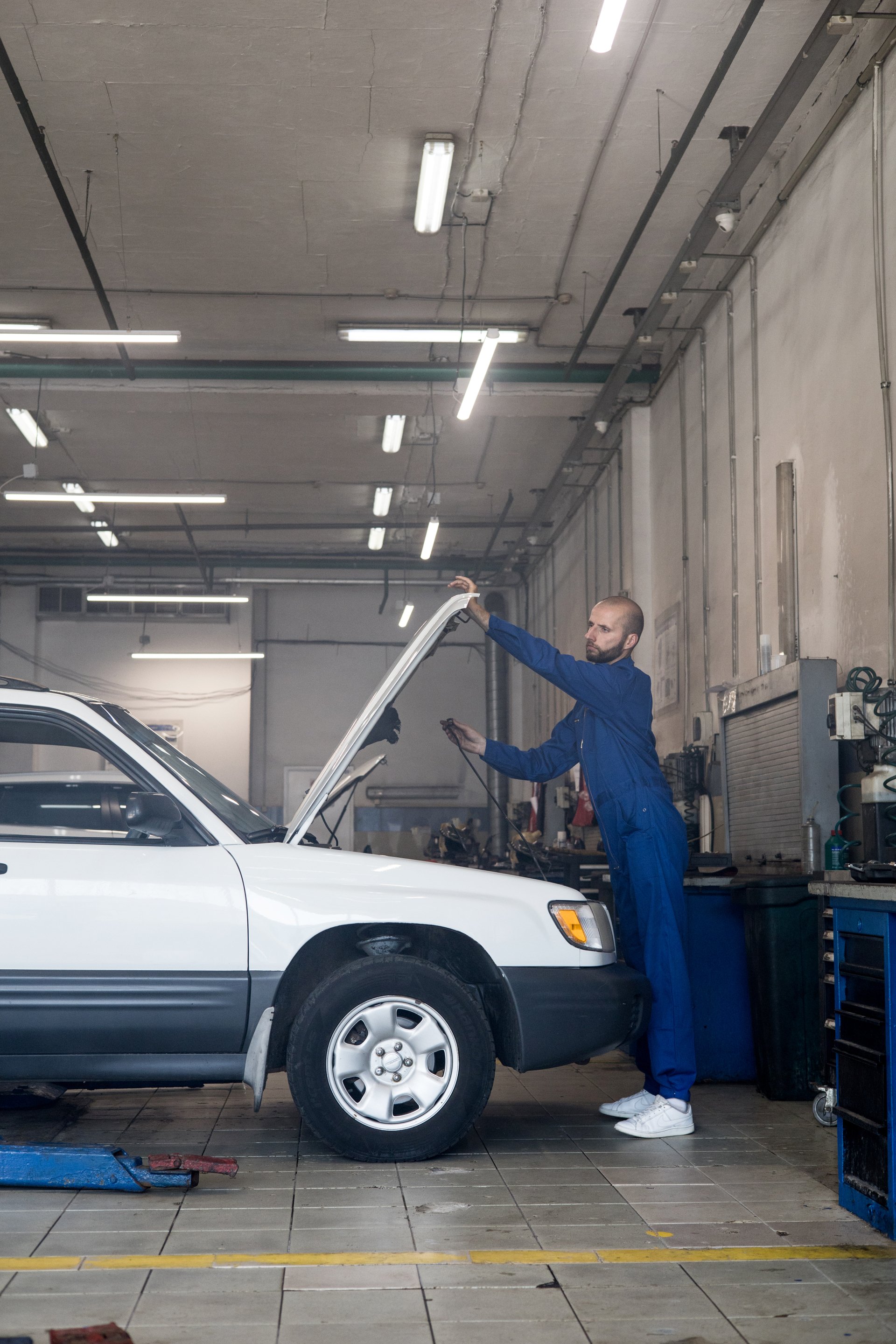
On most modern factory clear coats, total thickness is roughly 100 to 150 microns. The actual clear coat portion can be around 40 to 60 microns. A responsible correction might remove 2 to 5 microns during heavy compounding, sometimes less on softer paints. That is not much material, and it is why a thoughtful approach matters. Chasing every last deep scratch on a thin panel is a poor trade, especially on edges where clear coat can measure 25 percent thinner.
The North Sarasota context: why finishes suffer here
UV index here often ranges high from February through October. That accelerates oxidation and turns fine swirls into visible haze on darker colors. Afternoon showers lay down mineral-rich droplets that bake onto hot paint in parking lots, etching clear coat in tight halos. Lovebugs around May and September are acidic, and if they sit across a weekend, the marks typically require correction. Coastal air has chloride content that promotes micro-pitting on neglected finishes, and our sandy shoulders mean random fine grit whenever you wash at home.
If you commute up US 301 or spend time on the bridges, expect a steady diet of micro-marring from dust and road film. Rinseless washes help between full details, but if your towel technique is sloppy, you will add swirls faster than you think. Understanding that backdrop helps you set reasonable expectations for how dramatic a correction can be and how long it will stay pristine without protection.
What a technician looks for before starting
Assessment sets the ceiling for the after. A seasoned detailer uses a paint depth gauge, strong neutral light, and test spots to plan a safe path. Repainted panels often read thicker than factory but can be softer or filled with solvent pop under the clear. Some German clear coats run hard, which demands more aggressive pads and compounds before finishing down. Several domestic and Japanese finishes, including many Subarus and Hondas, are comparatively soft, so they mar easily and require careful finishing.
On a black SUV we saw in North Sarasota last year, the hood measured 120 to 130 microns, doors 115 to 120, and the roof 95 to 100. That roof number suggested caution. The owner had hard water spotting across horizontal panels and wash swirls everywhere. A test spot with a microfiber cutting pad and diminishing compound cut the defects without hazing, and a finer polish produced a crisp finish. The roof demanded one pass of milder compound and a long refinement cycle to keep removal minimal. The plan is not one size fits all, even on a single vehicle.
What changes after a one-stage versus multi-stage correction
One-stage correction uses a medium polish with a light cutting pad, or a hybrid pad that cuts and finishes simultaneously. It is efficient and suits newer vehicles with light wash marring. Expect a large improvement in gloss and a noticeable reduction in fine swirls, often 50 to 70 percent correction depending on paint system and starting condition. Under bright shop lights, some RIDS, the random isolated deep scratches, will remain.
A two or three-stage correction removes more defects. The first stage cuts with a compound, then an intermediate or finishing polish brings clarity back. On a well-executed two-step, the visible defect removal can jump into the 80 to 90 percent range. That range changes panel to panel based on thickness and defect depth. Etching from bird droppings that has tunneled far into the clear, or etched water spots that created craters, may not fully disappear without unsafe removal. Skilled technicians will round and lighten the edges of those marks so they blend in normal light but might still be faintly visible under strong inspection lighting.
Where expectations should land
You should expect a measurable increase in gloss, a clearer reflection in low sun, and a finish that looks darker on dark colors and more vibrant on reds and blues. Door handle cups that looked chalky will regain depth. On white vehicles, the improvement reads differently. Whites rarely show swirls as dramatically, but they produce a slicker, glassy look when corrected, and the panel edges catch light more evenly. Pearl whites, in particular, pop after proper refinement.
Here are two quick North Sarasota case notes from recent years. A daily-driven navy blue sedan that lived under oak trees picked up sap deposits and heavy marring. After decon and a two-step correction, the hood still had three faint etch marks visible under a swirl-finder light at six inches. In open shade at arm’s length, the hood read mirror-like, and the owner could not find the marks without guidance. A white crossover with hard water spotting from sprinkler overspray required targeted spot correction with a foam interface disc and rotary, followed by dual action refinement. Even after careful work, two deeper rings were softened but present. Both owners were thrilled with the transformation, but neither car could support aggressive extra removal without pushing the clear coat too far.
How Clear Vision Mobile Detailing and Ceramic Coatings approaches the first appointment
Clear Vision Mobile Detailing and Ceramic Coatings treats the initial inspection like a consultation, not a sales path. On mobile detailing North Sarasota jobs, the technician brings proper lighting and a gloss meter in addition to wash and correction gear. Panels are cleaned and decontaminated, then measured for thickness across several points. A test spot is performed on a representative area, often the hood, to prove what level of correction is realistic on that specific finish.
If a panel reads thin, the technician will explain the limits, then focus on improving overall uniformity rather than chasing a deep scratch to zero. That judgment call preserves longevity. When a client asks for an aggressive outcome on a thin roof or a repainted door with delicate clear, the team explains the trade, documents it, and proposes a balanced approach that lifts the entire vehicle’s visual standard without risking failure at edges or body lines.
What a correct prep and correction sequence feels like
A strong correction starts with proper prep. Iron removers break down embedded ferrous particles that your wash mitt cannot reach. A tight clay technique, using short passes with good lubrication, extracts above-surface contamination. After a thorough rinse and drying with a clean high GSM towel, the correction steps follow. On soft or medium clears, a dual action polisher with a microfiber cutting pad and a diminishing compound can level swirls cleanly. On harder clears, a firmer foam or low-nap microfiber and a more aggressive compound might be necessary before stepping down to finishing polish on a soft foam pad.
The machine should not hop or skip. Speed, pressure, and pad angle stay consistent, and the pad is brushed or blown out regularly so spent clear does not mar the panel. Work cycles depend on chemistry. Diminishing abrasives require longer sets, while some modern micro abrasives cut consistently with shorter cycles. If you see splatter, dusting, or pad sling, it signals process drift. The end of the cycle should reveal a uniform cut pattern that polishes out easily.
Before-and-after outcomes you can verify
Most owners see the difference without tools, but objective checks help. A gloss meter can show an increase, for example, from mid 70s Gloss Units to high 80s or 90s on a healthy finish after correction. LED inspection lights tell another story. Before correction, you will see swirls that bloom around the hotspot. Afterward, that bloom collapses, and you get a sharp, defined reflection. On white, the hotspot tightens and halos shrink. The tactile test matters too. Corrected paint feels slicker even before any protection goes on, because the surface is more uniform.
Short of owning tools, pull into strong overhead lights at a gas station after dark and check the hood and door reflections. If your technician did their job, the light should separate into crisp borders rather than radiating haze. Morning sun at a low angle across the hood is also revealing. You will see straight streaks from any remaining deeper defects, but the spiderweb texture across the panel should be mostly gone on a two-step and materially reduced on a one-stage.
Limits you should understand before the first pad touches paint
Paint correction is not a body shop fix. It will not remove orange peel texture because that texture lives across the entire clear. Leveling orange peel requires wet sanding a wide area and removing larger amounts of clear coat, which is rarely a smart choice on factory finishes unless done for show cars with careful thickness planning. It also will not fill rock chips, and it cannot resurrect UV-fried clear coat that has already begun to delaminate.
There are also defects that simply live too deep. A key scratch that catches a fingernail has bitten into base coat. You can soften the edges and reduce contrast, but the line will remain. Acid etching from bird droppings that sat for a week in July can tunnel deeply. You can flatten the crater and diminish its edge, but a ghost will remain under an inspection light. Good correction is honest about these realities.
When to pair correction with ceramic coating North Sarasota services
Once paint looks impeccable under shop lights, you need a plan to keep it that way. Ceramic coating North Sarasota offerings create a tight, hydrophobic surface that slows the return of marring and makes washing easier. They do not stop rock chips, and they are not bulletproof against all swirls, but they significantly raise the bar. On a corrected car that lives outdoors, a professional ceramic layer can maintain higher gloss and reduce wash-induced swirls if you adopt good wash habits. The coating’s slickness helps grit release during rinses and limits towel drag, which is where most light marring starts.
We have measured this effect anecdotally. Two similar black sedans, both corrected to a two-step finish, were maintained differently for six months. The coated car, washed every two weeks with a foam pre-soak and two-bucket method, gained only mild micro-marring visible under a swirl light. The uncoated car, hand washed at home with a single bucket and dish soap, showed a quick return of haze. Technique matters either way, but the coating adds margin for error.
Where paint protection film North Sarasota fits in
Paint protection film is the heavy armor. PPF North Sarasota installations often target the nose, hood, mirrors, and rocker panels that take the brunt of sand and debris. Film absorbs impacts that would chip paint, and many modern films self-heal light marring with heat. If your commute includes highways or construction zones, a corrected and then filmed front end keeps that freshly polished look intact. Installing film over corrected paint is the cleanest path because you lock in clarity, then seal it under a sacrificial layer.
There is a sequencing detail that matters. If you plan to coat and film, lay film first, then Clear Vision Mobile Detailing and Ceramic Coatings paint correction North Sarasota ceramic over both the painted and filmed sections with a product approved for PPF. Coating under film can interfere with adhesion. A skilled shop will degrease and prep carefully so the film bonds well and the coating levels across both surfaces for uniform hydrophobics.
Clear Vision Mobile Detailing and Ceramic Coatings on balancing correction with protection
Clear Vision Mobile Detailing and Ceramic Coatings often pairs a two-step correction with a ceramic layer for daily drivers and reserves heavier multi-stage campaigns for special paint or show schedules. That balance avoids unnecessary clear coat removal when 90 percent improvement will look perfect in real life. For clients who put miles on I-75 or drive up to Tampa regularly, the team suggests PPF on at least the high-risk zones, followed by a ceramic topper. This approach keeps maintenance simple and prevents the slow creep of hood peppering that frustrates owners of dark paints.
The crew has also learned to adjust for specific paint systems that appear often around North Sarasota. Many Teslas test soft and mar easily, so they finish them with extremely soft foam and gentle finishing polishes to avoid micro haze. Some Porsche and Audi clears run hard, and the initial cut can require microfiber pads to break through stubborn wash lines before they finish crystal clear. Those choices change the before-and-after picture in predictable ways, and a good technician will explain them so you are not surprised.
How to read an estimate without getting lost in jargon
When shopping for auto detailing North Sarasota services, you will see terms like stage, cut, finish, spot sand, and test spot. Read them as commitments. A one-stage is honest about its limits and price. A two-step should detail what panels, what likely result, and where they will not chase to zero. If an estimate includes spot sanding, ask where and why. Spot sanding eats more clear, but when used sparingly on a few etched water spots or a stubborn scuff, it can even the panel without running a compound over the entire car.
You should also see prep spelled out. Chemical decon, clay, masking, and panel wipe are not add-ons, they are prerequisites. Ask about panel protection between stages. Technicians should wipe oils before finishing so the true cut is visible, not masked by filler glaze. If you are considering mobile car detailing North Sarasota for correction-level work, check that the crew brings proper power, lighting, a pop-up for shade, and dust control. Correction in direct sun with sweaty pads does not end well.
What to look for immediately after a correction
Use this quick checklist after pickup or delivery to assess the work without nitpicking under microscope lights.
- Check uniformity of gloss across panels, including high and low edges, in open shade and low sun.
- Inspect for compound or polish residue in cracks, emblems, and rubber seals.
- Look for consistent clarity in the test spot area compared to the rest of the car.
- Verify that deeper scratches discussed in advance were approached sensibly, softened rather than struck to zero on thin areas.
- Confirm that protection, whether ceramic or sealant, was applied evenly with no smearing or prominent high spots.
What correction cannot do, even when performed perfectly
Some expectations are best put in writing because they hold regardless of technician skill.
- Remove orange peel factory texture without wet sanding an entire area.
- Erase rock chips, rust pits, or missing paint without touch-up or refinishing.
- Eliminate deep etching or base-coat-level scratches that exceed safe clear removal.
- Prevent all future swirls or water spots, even with ceramic coating, if wash habits are poor.
- Replace the need for proper washing, decontamination, and eventual maintenance polishing.
Aftercare that preserves the new look
A corrected car will stay bright longer if you adopt a simple wash discipline. Pre-rinse thoroughly to remove loose grit. Use a foam pre-soak so surfactants lift bonded film. Wash with lubricious shampoo, fresh mitts, and gentle pressure. Two-bucket methods work, as do quality rinseless washes with high-lubricity solutions when done correctly. Dry with a clean, plush towel or a blower to avoid contact whenever possible. Avoid automatic brushes entirely. Sprinkle in a decon wash every few months to strip traffic film, then refresh protection with a compatible spray topper if your car is coated.
If your car sits outside daily, a light maintenance polish every 18 to 30 months may be ideal on soft paints, less frequently on harder systems. The timing depends on miles, storage, and wash technique. Keep an eye on sprinkler zones and sap-prone parking. If you catch a fresh bird drop in August, flush it with water quickly. A simple bottle of distilled water and a soft towel in the trunk can save a square inch of clear coat on a hot day.
Clear Vision Mobile Detailing and Ceramic Coatings on common North Sarasota scenarios
Clear Vision Mobile Detailing and Ceramic Coatings has corrected plenty of Florida sun stories. One memorable case, a black pickup that lived at a job site, arrived with dull, chalky doors and baked-on water spots across the hood. The owner wanted it perfect, but readings on the hood hovered at 92 to 98 microns, with the clear portion likely around half that. The technician proposed a targeted plan: moderate compound on safe zones, milder approach near edges, and no wet sanding on etched craters. After two stages, the truck’s reflection looked as if someone turned the saturation up. Under an inspection light you could still trace two etch marks, but the overall impact was dramatic, and the clear coat’s safety margin remained intact. The team finished with a ceramic layer to give the owner time between washes, and two months later, the hood still beaded tight and looked crisp.
Tying correction into the bigger care strategy
Paint correction North Sarasota services make sense when you want to reset the finish to a high standard, either after years of washes or before installing protection. If you plan to keep the vehicle, stacking the right pieces in the right order produces the best long-term result: correct the defects, film the high-impact zones, and coat everything for easy maintenance. That blend keeps your clear coat thick where it matters and reduces the need for future heavy abrasives.
For owners who lease or swap cars every few years, a conservative one-stage paired with a ceramic coating can be the sweet spot. You reclaim gloss without nibbling the clear coat too far, then lean on hydrophobics and careful washing to keep things bright. If you are particular about the front end staying spotless, consider paint protection film North Sarasota installers who can integrate tight edges and bulk install techniques where patterns fall short on complex bumpers.
Final thoughts from the correction bay
Every correction job is a negotiation with the paint. The sun has done this much, the wash history has done that much, and the remaining clear coat is your budget. Spend it wisely. A disciplined technician will show you what the after looks like before committing, using a test spot to set real expectations. Once the car is back in your driveway and you see the sky mirrored across the hood without that snowfall of swirls, you will understand why measured abrasion, done carefully, is the right kind of surgery for a tired finish. Keep a sensible maintenance routine, pick protection that fits your driving, and the next time you check your car under those harsh convenience store lights, you will like what you see.
Clear Vision Mobile Detailing and Ceramic Coatings
2729 Pursell Circle, Sarasota, FL 34242, US
(941) 350-2088
