The Evolution of the Shared Experience
I remember sitting on a shag carpet, controller tethered to a Super Nintendo, waiting for my friend to finally beat the water temple so I could take a turn. Back then, "social gaming" meant proximity. You were in the room, or you weren't gaming at all. We moved through the Sega Saturn days, the rise of the original PlayStation, and the endless hardware wars of the Xbox era, always thinking that the couch was the ceiling for social interaction. We were wrong.
Today, people consistently ask why gaming has surpassed television as our primary social outlet. It is not because TV has lost its luster; it is because television is a passive experience, whereas gaming is a participatory one. When we engage in shared online experiences, we aren't just consuming content; we are building narratives together, navigating digital spaces, and maintaining relationships that span across different PC, console, and mobile platforms.
The arcade legacy lives on
We used to have to leave the house to find a community. Arcades were the original social networks, minus the algorithmic echo chambers. You stood behind a player, analyzed their technique, and waited for your chance to challenge them. That "socializing" was loud, frantic, and inherently limited by geography. When online connectivity hit the mainstream console and PC market, it essentially digitized the arcade cabinet. It allowed the kid from your neighborhood to chat with someone three time zones away, all while sharing a digital lobby.
However, we have to talk about the cost of entry. I see articles on sites like NoobFeed discussing the barrier to entry for modern titles, specifically referencing the frustration of requiring $1,000+ hardware just to maintain a competitive edge. This hardware obsession often creates a divide that the original arcade scene never had. While some brands try to convince you that this tech is "life-changing," I’m here to tell you it’s just silicon. Buying a top-tier PC doesn't make you a better friend or a more "real" gamer; it just makes you someone who spent a lot of money to see better light reflections.
Voice chat is the modern water cooler
The primary driver for this shift is the ubiquity of voice chat hangouts. In the past, television shows were the center of our cultural conversations. You would watch a season finale and discuss it the next day at work or school. Now, the gameplay loop itself is the conversation. Whether you are on PC, mobile, or a home console, the headset has become the new telephone. Players are not just playing for the victory screen; they are playing to decompress with their peers.
This is where we run into the reality of modern life: burnout. I see thousands of comments in community threads where players admit they are staying up until 3:00 AM, skipping sleep to maintain these social connections. They aren't addicted to the game; they are addicted to the presence of their friends. As a moderator, I’ve seen enough burnout cycles to know that when the sleep deprivation kicks in, the fun stops, and the toxicity begins. If you are reading this and haven't had more than five hours of sleep in the last three days because you're busy running raids, put the controller down. The virtual world will still be there tomorrow.
Multiplayer socializing defines the era
Multiplayer socializing has evolved from simple text prompts to immersive digital ecosystems. Platforms like NICE and the community-driven initiatives seen at Releaf are carving out spaces that prioritize mental toxic behavior online games health and meaningful interaction over "sweaty" competitive grind. We are moving away from the era of trash-talking lobbies and into an era of collaborative goals. Even cloud gaming has contributed to this, allowing users to jump into a game on a tablet or a low-end laptop without needing the massive hardware investment, effectively democratizing who can participate in these digital social circles.
The social hierarchy of media
To put things in perspective, let’s look at how we engage with different media types compared to a decade ago.
Activity Interaction Level Social Potential Watching TV Passive Low (Audience-based) Mobile Gaming Active/Casual High (Accessibility) Console/PC Multiplayer Active/Intense High (Community-based)
Streaming changed our spectatorship
Streaming culture has fundamentally altered how we view "watching" gaming. It used to be that if you weren't playing, you were bored. Now, spectatorship is just as social as the act of playing. Watching a streamer on a PC or mobile device while chatting in the side-bar is a massive evolution of the "Friday night movie" concept. It is the modern town square.
But again, I urge caution. Many of these streamers push the idea that if you aren't consuming this content, you are missing out on the "next big thing." It is marketing noise. You aren't missing out; you are just living your life. The pressure to stay "plugged in" is a major contributor to the digital fatigue I see in every community I moderate.
Accessibility is the true game changer
The biggest reason gaming has won the social war over television is that it is no longer siloed. Between cross-platform play on PC, mobile, and console, the barriers are crumbling. You no longer need to own the same machine as your friend to spend time with them. This accessibility is what allows gaming to permeate our daily routines.
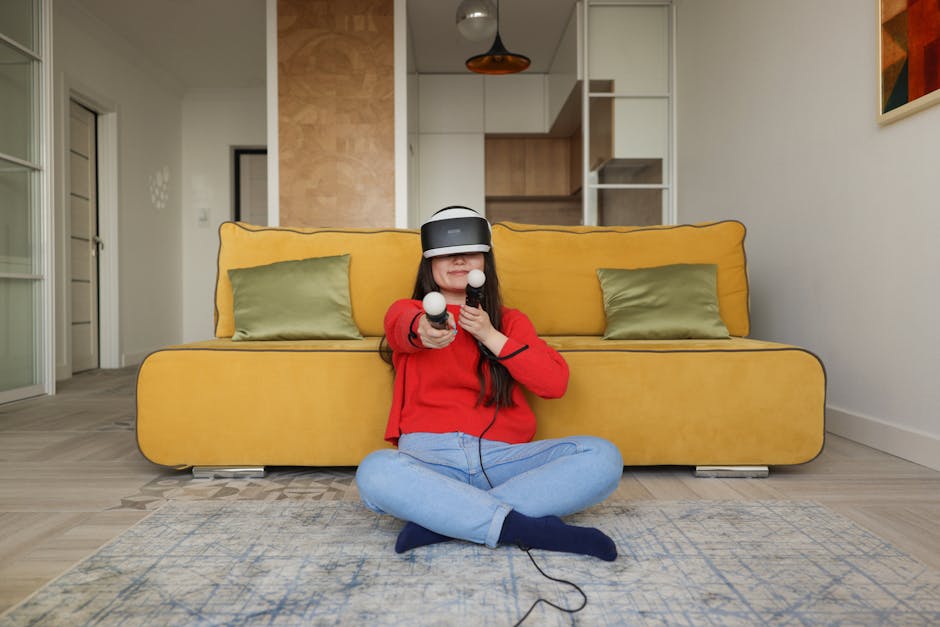
- Casual Integration: Mobile gaming allows for quick check-ins during the day.
- Long-form Sessions: PC and console offer the deep dives for weekend marathons.
- Community Tools: Third-party platforms provide the infrastructure to organize these groups.
A final word on the screen-life balance
It is fantastic that we have these tools. It is incredible that I can play a match with someone in Tokyo while I’m sitting in my living room. But do not lose sight of the fact that your health matters more than your rank. I have watched many "pro" gamers burn out, lose sleep, and sacrifice their real-world relationships because they felt the "shared online experience" was the only thing that mattered.

Enjoy the games. Connect with your friends across your PC, console, or mobile setup. But remember that the hardware is a tool, not a lifestyle. Get some sleep, step away from the blue light, and recognize that the best part of gaming isn't the high score—it’s the fact that you aren't doing it alone. Just make sure you aren't doing it at the expense of your own well-being.
