Small Bedroom Fixes: Reach-In Closet Organizers Atlanta
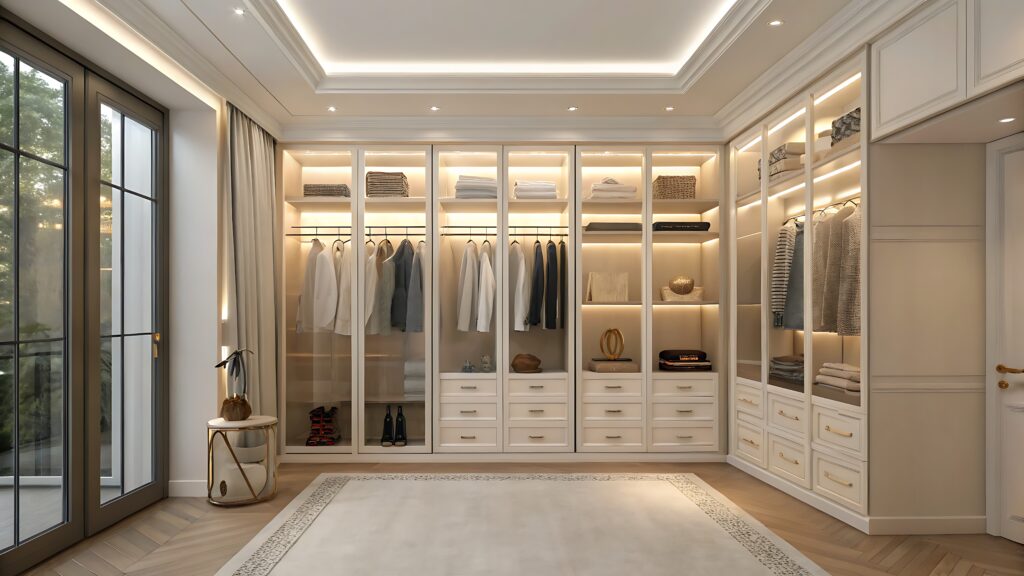
Atlanta homes cover a lot of eras and floor plans. You’ll find 1920s bungalows in Grant Park with closets hardly wider than a door, midcentury ranches in Chamblee with narrow reach-ins tucked behind sliding panels, and high-rise condos in Midtown that trade floor space for skyline views. In every one of these homes, small bedrooms fight the same battle. Where do you put the clothes, the shoes, the bags, the out-of-season jackets, and the gym gear without living out of laundry baskets?
I design storage for a living, and I spend a lot of time inside reach-in closets. When space is tight, the right organizer does more than add shelves. It sets order to your daily routine, trims visual noise, and stops the slow drift of clutter that makes a small room feel smaller. In Atlanta, there are a few local variables to respect, from humid summers to generous pollen seasons and the tendency of older walls to be out of square. Done well, a reach-in can carry two wardrobes in a zone that looks almost too small to matter.
How much a well‑designed reach‑in can actually hold
Most reach-in closets measure between 3 and 8 feet wide, with an interior depth of 24 inches. Rails, drawers, and shelves have to earn their keep, because every inch has a job. I lean on three tricks that change the game.
First, stack hanging sections. Two tiers of hanging on one side double capacity for shirts, skirts, and folded-over trousers. Set the lower rail at roughly 40 inches from the floor and the upper at about 80. If you’re tall or love long blazers, bump the top a few inches. Leave a single long hang bay, at least 62 inches clear, for dresses and coats. That single bay can be only 18 to 24 inches wide and still work.
Second, substitute drawers for dressers. A bank of three or four soft-close drawers at 18 to 24 inches wide swallows tees, athletic wear, and accessories. When a closet gains drawers, the bedroom often gets back 6 to 10 square feet that a freestanding dresser used to occupy. In small rooms, that’s the difference between a cramped walkway and easy circulation around the bed.
Third, claim the top third of the closet. Most builder shelves sit too low and stop short of the side walls. A continuous top shelf at 84 to 90 inches, set tight to the vertical panels, handles luggage and out-of-season bedding. Paired with slim bins, it becomes a dust-safe attic you can reach without a ladder.
With these moves, a 6-foot reach-in can carry about 60 to 80 hanging pieces, a dozen pairs of shoes, and four drawers worth of folded items without feeling crammed. The point is to make edges align. When you see straight shelf lines and rails centered, your brain reads order, even when you own more than you probably should.
The Atlanta factor: climate, construction, and use patterns
Atlanta’s weather shapes storage. Humidity lingers from May through September. That affects materials and what you store where. Melamine and furniture-grade plywood hold shape better than hollow wire in damp air. If the bedroom shares a wall with a bathroom, I avoid untreated particleboard and thin edge banding, because steam will find the weak points. Closet interiors benefit from airflow, so I space shelves at least 12 inches apart and reserve a bit of open area near the top to let conditioned air move.
Pollen is another local constant. If you wear a suit once a week or rotate formalwear, clear garment bags and a dedicated long-hang bay keep yellow dust off the shoulders in spring. Red clay shows up on running shoes and kids’ cleats, so plan a low, easy-to-clean shoe shelf or a ventilated pull-out tray that you can wipe down.
Construction quirks vary by neighborhood. Older bungalows in Decatur or West End often hide plaster and lath walls that resist cheap anchors. I anchor vertical panels into studs whenever possible and use heavy-duty toggles when it isn’t. Newer townhomes can have metal studs, so fasteners must match. Many 1990s homes around Sandy Springs have sliding bypass doors where each panel covers half the opening. That limits access if you put a drawer bank behind the section that’s always blocked. For those, I center drawers or switch to bifolds with smooth tracks, then soft-close hinges to cut racket in the morning.
Anatomy of reach‑in closet organizers that work
Think in zones rather than a fixed template.
Hanging zones set the rhythm. Double hanging to the left, long hang to the right, or vice versa. If two people share, mirror the layout so nobody has to fish through the other’s clothes at 6 a.m. Mid-height hanging, around 50 to 60 inches off the floor, suits kids who want independence without step stools.
Shelving does the quiet work. Adjustable shelves spaced on 1.25-inch increments let you tune for sweaters in winter, shorts in summer. I like 14-inch-deep shelves for bulkier items and 12-inch for shoes. Too deep and shoes hide; too shallow and sweaters tumble.
Drawers tame the small stuff. Soft-close hardware sounds like a luxury, but in a small room where every noise echoes, it earns its keep. Lined top drawers for watches and jewelry keep a nightstand clear. If you share the closet, two narrow stacks rather than one wide set cut arguments about who gets the top drawer.
Accessories fill gaps. A retractable valet rod looks like a parlor trick until you lay out a week of shirts on Sunday night. Pull-out hampers with washable liners stop the laundry pile from colonizing a chair. A simple belt rack or hook rail on the return wall keeps odd shapes from eating shelf space.
Lighting helps more than people expect. A battery LED strip under the top shelf takes five minutes to mount and transforms dark corners. If you’re opening walls during a renovation, run power for an overhead can light tied to a door jamb switch. The small habit of lights that click on when doors slide open takes friction out of mornings.
Doors frame the whole experience. Sliders work in tight rooms but demand a centered layout. Bifold doors speed access in narrow halls, and modern hardware makes them behave. In a few primary suites, I remove doors and trim the opening clean, then finish the interior as furniture with a face frame. That works when you crave quick access and you’re tidy by nature. If not, keep the doors.
What to measure before you design
Precision is your friend. I’ve rescued too many projects where a perfect plan on paper died when it met a low return air grille or a stubborn outlet. Take 15 minutes and record hard details before you talk to any professional.
- Interior width at floor, 36 inches high, and just under the header. Walls in older homes often taper.
- Full height to the drywall above the door trim. Note if there’s crown molding or soffits.
- Depth from back wall to the back of the door when closed, and to the door face when open. Sliding doors eat depth at the ends.
- Obstructions, including outlets, switches, vents, chases, and access panels. Sketch their size and location.
- Door type and clear opening width. Bypass sliders, swing direction, and handle placement all matter.
Armed with these numbers, a designer can avoid the classic mistakes that waste space, like a shelf that smacks a door handle or a drawer that never fully opens.
Materials that survive Atlanta living
You’ll find reach-in systems in wire, melamine, plywood, solid wood, and metal. Each has a place, but trade-offs change in a humid, high-use city.
Coated wire is budget friendly and breathes, which sounds perfect until small items poke through and sweater shoulders get the dreaded waffle. In kids’ rooms, wire can be fine if you add shelf liners. For everyday primary storage, I usually upgrade.
Thermo-fused melamine on industrial-grade particleboard is the workhorse for custom closets. It’s cost effective, dimensionally stable, and cleans with a damp cloth. Look for 3/4-inch panels with PVC edge banding at least 1 mm thick. Thinner edges chip and peel in steamy summers. Melamine also accepts patterned finishes that mimic oak, walnut, or linen, which helps a reach-in feel finished, not utilitarian.
Furniture-grade plywood raises cost but holds screws better and resists blowouts when you adjust shelves often. If you pick wood veneer, specify a catalyzed finish to tolerate humidity swings. Solid wood looks beautiful, but it moves with the seasons. In a small, enclosed closet, seasonal movement can bind drawers unless you build clearance into the design.
Metal modules, like aluminum frames with shelves, look light and modern. They are great in lofts and condos where you want to avoid bulky panels. If you go this route, work with a provider that understands anchoring into concrete or metal studs.
For hardware, soft-close slides rated at 75 to 100 pounds prevent sag over built-in closets Atlanta time. Full-extension slides stop the dead zone in the back of drawers. Polished chrome looks crisp, but in a warmer palette, brushed nickel or matte black blends better with typical Atlanta trim and door hardware.
Design paths: DIY, semi‑custom, and fully custom
You can build storage three ways, and I’ve done all of them for clients, depending on budget, timeline, and goals.
DIY with modular kits makes sense when you need a fast upgrade at low cost. Big-box stores sell cut-to-fit rails with adjustable shelves and hanging. For rentals or a nursery that will change every year, that agility is valuable. The downside is gaps, exposed hardware, and a one-size-fits-most aesthetic. If you’re handy, you can make DIY look sharp with careful cuts and trim, but the time investment climbs.
Semi‑custom systems split the difference. You’ll choose widths in 3-inch increments, set heights, and add drawers and doors from a menu. This is the sweet spot for many small bedrooms. Installers can trim pieces for out-of-square walls, and you get the look of built-ins without full cabinet shop pricing.
Fully custom closets, designed and built to your exact dimensions, shine in tricky spaces and at higher tiers. Odd angles, sloped ceilings near dormers, or a chimney chase in the back of the closet stop stock parts from fitting. A custom shop templates the space, builds around quirks, and often finishes with scribe trim so every seam looks intentional. If your home leans traditional, painted face frames and inset drawers can turn a small reach-in into a jewel box. This is the territory of luxury custom closets, and while price rises, so does fit and finish.
Clients ask about costs early. Sensible. Here are ballpark ranges I see around Closet design Atlanta GA projects for reach-ins, including design and installation. Materials, hardware, and door work drive variance.
- DIY modular kits: 300 to 800 dollars for a 5 to 8 foot closet, plus your time and saw work. Good for temporary needs or rentals.
- Semi‑custom melamine: 1,200 to 3,000 dollars with double hanging, drawers, and shoe shelves. Clean look, solid function.
- Fully custom melamine or plywood: 3,000 to 6,000 dollars, especially with face frames, lighting, and door modifications. Best for odd spaces and long-term homes.
- Luxury custom closets with premium veneers and integrated lighting: 6,000 to 12,000 dollars in a reach-in, where every component is elevated. Chosen as part of a larger suite, not just for capacity.
A designer familiar with custom closets Atlanta can help you land in the right tier without overbuying. Not every small bedroom needs a showroom finish, but a few smart upgrades make daily life smoother.
Solving common small‑space headaches
Not all reach-ins are neat rectangles. Here are fixes I use in the field.
Sloped ceilings around a dormer or under a staircase cut into hanging space. I run long hang where the ceiling is tallest and use the low side for drawers and shelves. A curved shelf cut to the slope avoids dead corners. If the slope steals too much height for double hanging, shift to a single hang plus a mid-level shelf, then mount a valet rod for temporary staging.
Return walls, the short walls behind the door jambs, vary from 3 to 12 inches. Too narrow for a full panel, but wide enough to waste. I mount shallow hook rails for belts and scarves or a custom shoe tower only 8 inches deep. In kids’ rooms, that strip is perfect for a growth chart, which keeps sentimental marks out of the primary house paint.
HVAC chases inside closets are common in townhomes. Don’t fight them. Build around the box with a top shelf that bridges over and use the front face for slim shelves or a mirror. In some tight installs, I’ve cut a removable access panel in a finished end so a service tech can reach a damper without tearing the closet apart.
Bypass sliding doors limit access. If clients cannot stand bifolds, I center drawers and put hanging on the ends. Shoes can live on a low shelf that runs full width. That way, even if half the closet is blocked, you can reach essential items.
Odd floor transitions happen in older bungalows where hardwood meets tile or patched subfloors. I always level the closet platform so drawers glide and doors align. Shims and scribing make the difference between a crisp install and one that looks tired on day one.
The difference between kids, guests, and primary use
A closet for a toddler has different priorities than your own. In kids’ rooms, I lower the top shelf and hang rail so they can choose clothes on their own. I keep adjustable holes tight so a climbing child can’t use shelf pins as a ladder. I custom closet designers Atlanta avoid glass, heavy drawers, and anything that invites pinched fingers. Color-coded bins for socks and play clothes save parents from sorting.
Guest rooms don’t need deep capacity, but they do need clarity. A single long hang bay with 20 to 30 wooden hangers, a luggage shelf, and an open drawer labeled with a simple tag makes visitors feel considered. A few empty bins signal that space is meant for guests, not overflow. If the guest room doubles as a home office, a partition panel can hide work gear on one side while the other stays presentable.
Primary reach-ins have to handle daily traffic. That pushes me toward sturdy hardware, soft-close everything, and lighting. If two people share a 5-foot closet, a center tower with symmetrical double-hang sections keeps the peace. If one person owns most of the clothes, size bays honestly. I’d rather design 60 percent of the width for the heavy user and 40 percent for the light one, than pretend equality and seed frustration.
When a reach‑in isn’t enough
Sometimes modest square footage hides bigger potential. A client in Kirkwood had two side-by-side reach-ins split by a wall. Each was 36 inches wide, both underused. We removed the non-bearing divider, patched the header, and created a 6.5-foot opening. Inside, we installed a symmetrical system with double hanging, drawers, and shoe shelves. Functionally, it became a mini walk-in without moving walls. If your layout allows, this is a cost-effective expansion.
If you’re renovating more broadly or finishing a basement suite, it may be time to think bigger. Custom walk-in closets Atlanta projects often start when clients realize a reach-in forces compromises that chafe. A walk-in lets you separate zones, add an island for folded items, and integrate seating. The reach-in still matters in secondary bedrooms, but the primary suite can carry the bulk of storage.
A few Atlanta stories from the field
A Decatur bungalow, 1938, with plaster walls and 5-foot reach-ins behind original five-panel doors. We designed a melamine system in a warm linen finish that matched the age of the home without shouting modern. Because the walls bowed, we templated and scribed the side panels so there were no gaps. The owner, a teacher with an early morning start, wanted quiet. Soft-close hardware and a felted valet tray gave her a spot for keys and badge clips, so mornings stopped stealing minutes from coffee.
A Midtown condo, 10th floor, with a 7-foot closet and metal studs. The client traveled often and kept two carry-ons ready. We built a narrow vertical bay, 10 inches wide, just for luggage, with a tip restraint and leather straps to hold them. Lighting was essential because the closet sat deep in the unit. An electrician added a surface-mounted LED strip on a motion sensor. The city glow looked good through the window, but the closet needed its own sun.
A Sandy Springs townhouse with bypass doors and a couple sharing space. We kept the sliders, but centered drawers and moved shoes to low shelves spanning the width. Each partner got a valet rod and two double-hang bays. A small pull-out hamper replaced a floor basket that used to live next to the bed. The visual calm in the room made it feel bigger, even though nothing moved but the closet interior.
Working with a local partner
Search terms like Closet organizers Atlanta or custom closets Atlanta will return a long list, from franchise brands to local cabinet shops. Instead of shopping only on price, ask to see drawings and hardware specs. A good provider will measure in person, produce a dimensioned plan, and talk you through load paths and anchoring. If a vendor glosses over out-of-square walls or door clearances, keep looking.
When you vet proposals, look for the percent of affordable custom closets Atlanta adjustable shelving versus fixed. Atlanta wardrobes change between seasons. Adjustable shelves buy you flexibility. Ask about service if a drawer goes out of square or a shelf chips. The best firms carry parts and handles five or ten years later so small damages don’t force a full replacement.
If your taste runs to the elevated, plenty of local shops do luxury custom closets, even in reach-in formats. Think furniture-grade veneers, framed fronts, and integrated lighting with touch dimmers. The question isn’t whether it’s worth it in a small bedroom, but whether you value craft and calm every time you open the doors. Many clients do.
Maintenance that keeps closets fresh
Small spaces get stale quickly. Atlanta’s humidity doesn’t help. Use breathable bins for off-season storage so air can pass. Cedar blocks or sachets deter moths and add a clean scent, but replace them every year for effectiveness. If a closet shares a wall with a bathroom, run a bath fan long enough after showers to keep moisture out of clothes. Once a quarter, pull shoes and vacuum shelves. It takes 10 minutes and extends the life of fabrics and finishes.
A trick I teach clients is the reverse hanger method. At the start of a season, hang clothes with hooks facing backward. When you wear something, return it with the hook forward. After three months, anything still backward is a candidate for donation. In a reach-in, this audit stops unused items from clogging the works.
From measurement to install: a smooth process
A project runs best when steps are clear. Here’s a compact flow that fits most small bedrooms.
- Purge and sort by category before you measure. Designing around clothes you never wear wastes money.
- Measure thoroughly, including obstructions, and take photos. Share both with your designer.
- Review drawings slowly. Check hanging heights against your longest garments and drawer counts against what you fold.
- Plan installation around your schedule. Empty the closet the night before and stage bins by the door.
- Live with the system for two weeks, then adjust shelves and move rods up or down a notch. Fine-tuning matters.
Organizers are not magic. They are tools that support habits. When a reach-in is tailored to your life and your home’s quirks, small bedrooms loosen up. You gain quiet mornings, fewer piles, and a room that breathes. Between thoughtful design and local know-how, Closet design Atlanta GA can transform a tight closet into a reliable partner. Whether you lean toward value-focused semi-custom or the polish of luxury custom closets, the right choices make every square foot count.
The Closet Shop Atlanta
Address: 1710 Cumberland Point Dr, Suite 22, Marietta, GA 30067
Phone number: +14709705115
FAQ About Custom Closets Atlanta
What is the average cost of a custom closet?
A professionally designed and installed custom closet typically costs between $2,500 and $7,500, depending on the size of the space and materials chosen. Smaller reach-in closets average about $1,000 to $3,500, while spacious, luxury walk-in setups easily run $10,000 to $20,000+.
Who does Costco use for custom closets?
Costco partners with Closet Factory for full-service, professionally installed custom closets, and Serenity Closets (by The Stow Company) for online-ordered, do-it-yourself (DIY) organization systems.
Is it cheaper to buy or build a closet?
Buying a prefabricated kit is cheaper and faster upfront, usually costing $200 to $1,000. However, building a custom closet from scratch using high-quality materials provides better long-term value, though it requires tools, time, and carpentry skills, generally costing $300 to $3,000+.
