Retaining Wall Contractor: What's Included in a Normal Quote
When homeowners get a retaining wall quote, they often expect one number. Most of the time, what they are really buying is a scope of work: the wall system, the site prep, engineering or design choices, drainage, excavation, backfill, labor, haul-off, and the paperwork that keeps everything buildable and safe. Two retaining wall contractors can quote the same “linear feet” and still be quoting very different projects, especially once you factor in soil conditions and drainage.
I’ve seen this play out in real yards, where the difference between a “cheap” quote and a “fair” quote comes down to details that are easy to miss on the first read: whether the contractor includes a geogrid (or some alternative reinforcement), what kind of drainage they’re building behind the face, how they plan to handle groundwater, and whether their number covers permits, inspections, and disposal. The goal of a good retaining wall contractor is not just to set blocks or pour concrete, it’s to build a system that holds up after the first heavy rain and after the second freeze-thaw cycle.
Below is what’s typically included in a retaining wall installation quote, how to interpret each line item, and what you should ask before you sign.
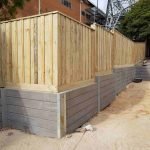
The first page of a quote: what “retaining wall contractor” usually means
A retaining wall contractor quote should clearly identify the project. That means the address or site description, wall type, estimated wall length and height, and the intended “finish face” (block color, texture, capstones, coping, or a concrete wall finish). Even if you’re working from drawings, the contractor should translate those drawings into practical details that match what will be built on your lot.
Good quotes also spell out exclusions. It’s common for contractors to exclude things like unexpected hazardous soils, major utility conflicts, or offsite drainage work not shown on the plans. If the quote is silent about exclusions, you may be staring at a price that looks tight on paper but expands later once equipment is on site and the conditions turn out different than expected.
One homeowner I worked with had a quote that listed a wall height and a material selection, but it didn’t mention haul-off or disposal. The contractor assumed the property owner would manage excavated soil, while the owner assumed the contractor would include it. Both assumptions were “reasonable” to each person. The result was a last-minute add-on and a week of scheduling friction. That’s the kind of conflict you can prevent by making exclusions explicit early.
Wall design and engineering: the part people skip until it becomes unavoidable
For many retaining walls, especially those above a certain height or retaining significant surcharge loads, the local process may require engineering. Even when permits are not mandatory for smaller segmental walls, competent contractors still evaluate soils, drainage, and surcharge.
A typical quote may include:
- A design component, such as stamped drawings or a wall design report, when required.
- A layout component, such as staking and verifying grades and elevations.
- Site-specific notes about reinforcement layers, subgrade prep, and drainage collection.
If the quote includes engineering, it should specify who provides it: the contractor’s engineer, an engineer of record you select, or a plan set prepared by a third party. If engineering is excluded, ask what triggers it. In other words, “What happens if permit review or site conditions require additional design work?”
This is also where you’ll see differences between a retaining wall builder who treats the job as “materials and labor only” and one who views it as a civil and construction system. The latter tends to be more expensive up front, but it usually reduces the odds of change orders once the ground is exposed.
Excavation and site preparation: where quotes often diverge
Retaining wall installation begins with digging, and excavation is one of the biggest variables in total cost. Soil type, the presence of fill material, rock, groundwater, tree roots, and access all influence production time.
In most professional quotes, excavation and site prep includes:
- Clearing the work area and protecting anything that needs protection.
- Excavation to the required subgrade depth for the wall foundation.
- Removal and disposal of unsuitable material.
- Compaction of the prepared subgrade.
- Any required grading to tie into existing slopes.
Where you should be careful is the scope boundary. Contractors differ on whether they include topsoil removal, whether they haul off all excavated material or leave suitable material on site, and how they handle rock. One contractor might price excavation assuming average soil, while another might include a contingency for harder conditions based on a brief site evaluation.
If you have a tight backyard with limited access, the quote should reflect equipment choices. Smaller equipment increases labor hours, and it also affects how crews compact backfill. A quote that assumes a machine can reach the trench bottom but your access only supports a skid steer might look “too low” until you see the actual work plan.
Drainage: the “system” part of retaining walls
A retaining wall is not just a vertical face. It’s the backfill and the drainage behind it that decide whether the wall stays stable. Without a drainage strategy, you build pressure behind the face, and no retaining wall installation steps amount of block or concrete thickness can reliably compensate for water.
In a typical quote, drainage is usually one of the clearest included items, such as:
- A drainage layer (often a graded granular material) directly behind the wall face.
- A perforated drain pipe at or near the base, sloped to a discharge point.
- Geotextile fabric to separate fine soils from drainage aggregate.
- Weep holes or a designed outlet path so water can escape.
Sometimes a contractor also includes a plan for surface water. That can include redirecting roof runoff away from the wall, correcting grading, or installing swales. Not every quote covers additional surface drainage work unless it’s clearly part of the job, so it’s worth asking what they consider included versus “extra if needed.”
One practical rule I use when reviewing quotes is this: if the drainage details are vague, the price is probably not as firm as it looks. “Provide appropriate drainage” is not the same as naming the materials, the pipe location, and where the water goes.
Foundation and reinforcement layers
Under most retaining wall types, the foundation system matters as much as the visible face. A quote should identify what’s being installed under and behind the wall, including base material, reinforcement, and leveling components.
Common elements you might see include:
- A compacted base layer, often crushed stone or similar material sized for stability.
- Leveling course or bedding, especially for segmental block systems.
- Reinforcement layers, such as geogrid or rebar, depending on the wall type and soil conditions.
Reinforcement is where you can feel a quote’s “confidence level.” A retaining wall contractor who understands the interaction between height, soil, and reinforcement typically describes the reinforcement strategy more clearly. The contractor can still be flexible if conditions change, but the baseline plan should be defined.
If the quote is for a segmental retaining wall, ask whether the reinforcement is included, and if so, how it ties into the soil layer plan. If the quote is for a cast-in-place or engineered concrete retaining wall, ask about footing thickness, dowels or tie-backs, and how reinforcement spacing is specified in their scope.
Materials: the face is only part of the cost
Material costs vary widely based on the block system, color, thickness, and finish. A quote should state exactly what materials you’re paying for. If you selected a particular style, the quote should match that choice.
For segmental retaining walls, typical material categories include the block units, base rock, drainage aggregate, geotextile fabric, perforated pipe, and often caps or coping stones. For a mortar-faced wall, you may see additional requirements such as adhesive mortar and joint treatment.
Concrete retaining walls might include formwork materials, rebar, concrete supply, curing considerations, and finishing options. Some quotes also include surface treatments like sealers, though that depends heavily on product type and local climate.
A detail people miss is waste factor. Many contractors include a realistic allowance for block breakage and cutting. If you’re building a curved wall or dealing with corners, block cutting waste can become meaningful. A quote that ignores waste may lead to material shortages late in the job, which then turns into rushed trips to the supplier.
Backfill, compaction, and testing (and what “included” really means)
After excavation and drainage materials go in, backfill and compaction do the heavy lifting. Retaining wall installation quality often comes down to compaction, not just the face material.
A thorough quote will specify:
- The backfill type (often select granular material).
- Compaction requirements, including layer thickness and equipment type.
- Whether compaction testing is included (when required) or whether they rely on process control.
Not every job requires formal testing, and requirements vary by local code and engineering design. Still, a good contractor should describe how they compact. If the quote just says “backfill and compact,” ask what equipment they use and how they verify compaction.
This is also where “soil conditions” become a cost driver. If unsuitable soil is encountered, the scope might require extra removal and replacement. A solid quote will either include that contingency or clearly define the change order process.
Permits, utility locates, and inspections
Permits and inspections are not “nice to have” in many jurisdictions. Many homeowners also underestimate how long permitting can add, particularly if engineering drawings or drainage plans are needed.
A typical quote may include:
- Permit application and fees (or an allowance for them).
- Utility locating coordination, sometimes handled through a call-before-you-dig service.
- Scheduling inspections if required by the process.
The line between “contractor handles it” and “homeowner must do it” should be explicit. If your quote is vague, ask who is responsible for what.
If you have power, gas, water, or irrigation lines near the planned excavation, utility coordination becomes more than administrative. It affects excavation methods and may force changes in layout.
Access, haul-off, and jobsite logistics
Retaining wall work often requires moving material in and out of the site. Haul-off can be one of the largest overlooked costs, especially when excavation produces a lot of unsuitable soil.
A clear quote should address:
- Whether excavated material is hauled away or if suitable material is stockpiled for reuse.
- Where waste is disposed.
- Whether the contractor includes dump fees.
- Whether there’s a defined trucking or access plan for the equipment.
Access also affects the type of equipment they can use, how many trips are required, and how long it takes to move materials. If your backyard is narrow or slopes toward the wall, contractors sometimes plan different staging than they would for an open lot.
If the quote includes haul-off, it should usually be tied to expected excavation volume. If it doesn’t, ask how they handle it when disposal requirements change.
Labor scope: who does what during the install
A good retaining wall contractor quote should identify labor scope in practical terms. You’ll want to know what the crew actually installs, what’s subcontracted, and what’s not covered.
Depending on the wall type, labor often includes:
- Layout and grading verification.
- Excavation and subgrade preparation.
- Installation of drainage components.
- Placement of block or concrete face materials.
- Placement of reinforcement layers.
- Backfill and compaction.
- Final leveling, cleanup, and any restoration you agreed on.
Some contractors also include landscape restoration, such as regrading and topsoil placement, sometimes with a seed or sod allowance. If restoration isn’t included, that’s not necessarily a retaining wall contractor cost problem, but you need to know what “ready for landscaping” looks like when they leave.
One telling sign: ask what they do at the end of each day. If they don’t mention stabilization, erosion control, or leaving the site safe between phases, it may be a sign the quote is under-scoped for real jobsite risk.
What warranties and guarantees usually cover
A warranty is another area where wording matters. A typical quote might include:
- A workmanship warranty for a defined period.
- A material warranty based on the manufacturer’s terms.
- A warranty that excludes issues caused by improper drainage changes by the homeowner.
When reviewing a retaining wall contractor quote, don’t just look at the length of the warranty. Look at what voids it. Many wall failures are not “bad construction,” they are drainage changes, added loads behind the wall, or blocked outlets. A responsible contractor often explains these risks up front.
Also ask whether they provide ongoing support if you see early signs of movement. If they do, the scope might include follow-up site visits. If not, the contractor may still respond, but it won’t be part of the written agreement.
Typical inclusions and exclusions: a quick way to read the quote
If you want a practical method, treat each quote as two documents: what’s included, and what’s excluded or handled by allowances.
Here’s a short checklist you can use to compare quotes without getting lost in the fine print.
- Does the quote specify wall type and the exact face material system?
- Are drainage components described with locations and materials (not just “appropriate drainage”)?
- Is the foundation and base material scope included, including reinforcement where required?
- Who handles permits, utility locates, and inspections, and are fees included or separate?
- What’s included for excavation disposal, haul-off, and final site restoration?
If any of these answers are missing or unclear, you can usually clarify them with a written request. Even small clarifications can prevent change orders later.
Change orders: the reality behind “typical” quotes
Most retaining wall projects include some variation from the original estimate, because soils and site access reveal themselves only once excavation starts. A professional contractor should explain the circumstances that trigger change orders.
Common drivers include:
- Encountering rock or buried debris deeper or farther than expected.
- Water infiltration requiring additional drainage measures.
- Soil unsuitable for backfill replacement.
- Changes in wall alignment due to fences, structures, or grade constraints.
- Permit requirements that add engineering detail or additional drainage components.
The best quotes build in a reasonable allowance or contingency and define how they price changes. The worst quotes either ignore the uncertainty or write exclusions in broad language so they have freedom later.
A useful question is: “What portion of the cost is hard-bid versus subject to site conditions?” You’ll still get uncertainty, but you’ll avoid the scenario where everything becomes a surprise.
Examples of quote differences you’ll actually see
Let’s say two retaining wall installers quote a 60-foot long segmental wall. One quote is lower by about 10 to 15 percent. Before you assume it’s a bargain, compare the hidden scope areas.
In one case, the lower quote might assume the homeowner is responsible for haul-off or provides excavated backfill. In another, it might include drainage rock but not the specified geotextile separation or not a perforated pipe at the designed elevation. Sometimes the lower quote includes reinforcement in the base course but not through the full reinforced height. That can show up as “we’ll determine reinforcement after excavation.”
Those differences can matter because water and soil pressure are not forgiving. If you have a steep grade and heavy rain, you can end up with a wall that looks fine for a season, then starts to bulge or develop surface cracking after repeated wetting.
On the other hand, the more expensive quote might include better materials, clearer drainage design, and a defined reinforcement system. It might also include more protection for your yard during construction. The “value” is not just the final cost, it’s how confident you can be that the wall will behave as intended.
How long a retaining wall installation usually takes
Time estimates depend on wall size, access, crew size, and whether engineering or permitting delays the start. A contractor should be able to give you a realistic range, not a single date.
A larger wall with multiple lifts of block placement, reinforcement installation, and careful compaction can take weeks. Weather matters too, because drainage installation and backfill stability depend on keeping the subgrade and excavation manageable. Heavy rain can delay progress if the crew cannot safely excavate or place backfill.
When a quote includes a schedule, ask whether the timeline accounts for permitting, material lead times, and inspection windows. If a contractor says it’s “ready to start next week,” you may want them to clarify what approvals are already in place.
Questions that help you get a real apples-to-apples comparison
You don’t need to interview ten contractors. You do want enough clarity to compare quotes fairly. Here are questions that consistently reveal what’s under the hood of a retaining wall contractor estimate.
First, ask what drainage they’re installing and where the water will go. “What happens when it rains for two hours?” is a great plain-language question.
Second, ask about reinforcement and base preparation. If the quote doesn’t mention geogrid or foundation base depth, ask for specifics tied to the design.
Third, ask how they handle unsuitable soil and water encountered during excavation. You want to know how they adjust without wrecking your budget.
Fourth, ask what “restoration” includes. If you expect planting beds to look decent after construction, define topsoil depth, grading, and whether seeding or sod is included.
Finally, ask for a written scope breakdown. If the contractor refuses to clarify items in writing, that’s a red flag. A professional team should be comfortable explaining their quote line by line.
How to spot a quote that looks good but isn’t complete
A few warning signs show up across jobs, regardless of wall type.
If a quote gives a price per linear foot but doesn’t specify height assumptions, it may be under-scoped. Segmental walls might scale in complexity and reinforcement needs as height increases. A quote that assumes “up to 4 feet” might become more expensive as soon as you measure actual heights.
If the quote doesn’t mention drainage at all, treat it as incomplete. Retaining walls fail primarily because water pressure builds behind them, not because the face looks imperfect.
If excavation and haul-off are unclear, you can get caught paying for trucking and disposal at the worst moment. That’s often when you have no leverage.
If permits are not addressed, you might be forced to handle paperwork while the contractor schedules around you. That’s a scheduling and cost risk, especially if inspection timelines matter.
And if the quote includes a long list of exclusions but no defined allowances, ask why. You want the contractor to explain where uncertainty lives, and what they do with it.
One helpful way to compare: match scope, not just price
When you compare retaining wall installation quotes, focus on the scope alignment. If one quote includes drainage pipe, geotextile, and reinforcement and another does not, the lower price is not really comparable.
A simple way to compare without over analyzing is to ask the contractor to confirm the design elements in your site conditions: wall height, base elevation, drainage outlet location, reinforcement strategy, and disposal scope. When those match, then price becomes meaningful.
If they do not match, you’re not comparing two bids, you’re comparing two different projects.
Here’s a short comparison you can use to guide your decision when quotes differ in structure.
- Quote includes engineering and drainage details: you can expect fewer surprises during excavation and backfill.
- Quote includes haul-off and restoration: you reduce late-stage costs and yard cleanup stress.
- Quote specifies reinforcement and compaction approach: you improve the odds of long-term stability.
- Quote lists clear inclusions and exclusions: change orders are usually smaller and easier to understand.
The practical bottom line for homeowners
A retaining wall contractor quote should read like a plan for building the wall system, not just ordering materials and sending a crew. The most important parts, drainage and reinforcement, are also the easiest to under-specify when someone is trying to win on price.
If you’re hiring a retaining wall builder, retaining wall installation needs to include site prep and backfill compaction, and the drainage needs to be designed for how your yard behaves during storms. The best quotes are specific enough that you could picture the wall being built step by step, and confident enough that the contractor can explain what will happen when unexpected soil or groundwater appears.
If you take one thing from all of this, let it be this: the quote is only “typical” when you can see what’s included. Ask for the details, compare the scope, and require clarity around drainage, reinforcement, disposal, permits, and restoration. That’s how you end up with a wall that looks solid and performs like it should, long after the first season’s rain has passed.
