What You Need to Know About Black Mold Removal
If you have ever spotted a dark, slimy patch spreading across a damp corner of your basement or behind a piece of furniture, you already know the uneasy feeling that comes with it. That patch could be Stachybotrys chartarum, commonly called black mold. It is not just an eyesore. For many homeowners in Boston and across Massachusetts, it is a serious indoor issue that demands careful handling. I have worked on dozens of properties dealing with this problem, and I can tell you that proper black mold removal is not something you can rush or half-do.
Black mold thrives in damp environments. It feeds on materials like drywall, wood, and ceiling tiles after they have been soaked by water damage. That is why you often find it in basements, around leaky pipes, or near windows that sweat in the humid months. The EPA has published clear guidelines on mold remediation, and following those guidelines is critical. But knowing what to do and actually doing it safely are two different things.
Understanding the Health Risks
Not every mold is toxic, but Stachybotrys chartarum produces mycotoxins that can be harmful over time. People with asthma, allergies, or compromised immune systems are especially vulnerable. I have seen cases where a small patch in a bedroom led to persistent coughing, headaches, and sinus issues for a family of four. That is why black mold removal should always start with an honest assessment of the health risks.
The EPA does not recommend testing for mold in every situation. Their advice is straightforward: if you see or smell mold, you have a problem. But many homeowners still reach for a mold testing kit to confirm what they already know. That can be useful if you need documentation for a landlord or a real estate transaction, but do not let a test result delay action. If you see black mold, assume it is a hazard and proceed with caution.
Safety First: What to Wear and How to Prepare
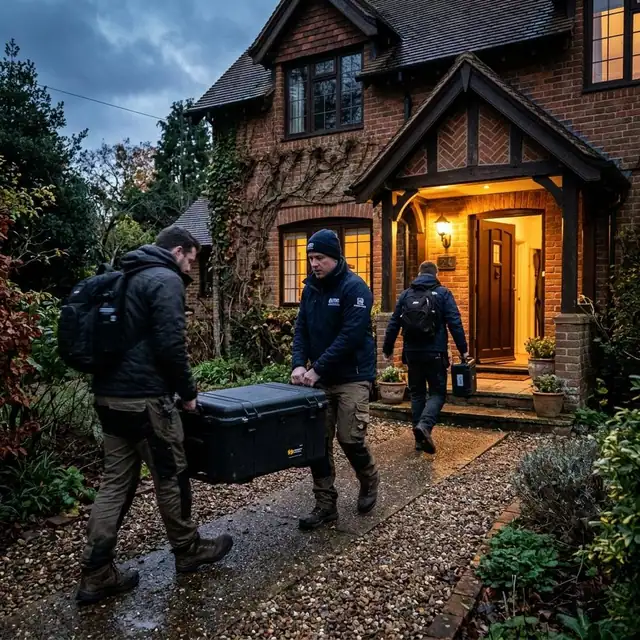
Before you touch anything, you need the right gear. A standard dust mask is not enough. You need an N-95 respirator at minimum. That mask filters out airborne spores and prevents you from breathing in particles that get stirred up during cleaning. I also recommend disposable gloves, goggles without ventilation holes, and clothing you can throw away or wash separately.
Containment is just as important. Seal off the work area with plastic sheeting and tape so spores do not travel to other rooms. If your HVAC system runs through that part of the house, turn it off and seal the vents. Otherwise, you could spread mold spores throughout the entire building in minutes.
Choosing the Right Cleaning Products
There is a lot of conflicting advice about cleaning black mold. Some people swear by bleach. But the EPA and most remediation professionals caution against using bleach on porous surfaces like drywall or wood. Bleach is mostly water, so it can actually feed the mold deeper into the material. The chlorine in bleach also releases strong fumes that are not safe to breathe in an enclosed space.
A better option is a dedicated antimicrobial cleaner like Concrobium. That product works by creating a barrier that prevents mold from growing back. It is safer to use and more effective on porous materials. I have used it on countless jobs, and it consistently outperforms bleach for long-term results. For non-porous surfaces, a mixture of detergent and water or a commercial cleaner rated for mold will do the job.
The Process of Black Mold Removal
Removing black mold is a multi-step process. You cannot just spray something on and wipe it away. Here is the general approach I follow on every job:
- Identify and fix the moisture source. Without solving the leak or humidity problem, the mold will return.
- Set up containment and wear your N-95 respirator and protective gear.
- Remove all porous materials that are heavily infested. Drywall, carpet, and insulation that are saturated with mold should be cut out and bagged for disposal.
- Clean the remaining surfaces with an antimicrobial product like Concrobium, scrubbing gently to avoid releasing spores into the air.
- Dry the area completely using fans, a dehumidifier, or an air scrubber with a HEPA filter.
After the cleanup, you may need to apply encapsulation. That is a coating that seals any remaining mold residue and prevents it from becoming airborne. It is not a shortcut, but it is a useful final step when you are dealing with structural wood or concrete that cannot be removed.
When to Call a Professional
Small patches of black mold on tile or glass can often be handled by a careful homeowner. But if the affected area is larger than about ten square feet, or if the mold is inside your HVAC system or behind walls, you should hire a professional. In Massachusetts, there is no state license specifically for mold remediation, but many reputable companies hold an IICRC mold remediation certification. That certification is a good sign that the company follows industry standards for containment, cleaning, and disposal.
I have seen too many homeowners try to tackle a big job themselves and end up making it worse. They stir up spores, fail to contain the area, and end up with higher contamination levels than when they started. A professional crew brings an air scrubber with a HEPA vacuum system, commercial-grade containment, and the experience to know when something can be saved and when it needs to go.
Preventing Mold from Coming Back
Black mold removal is only half the battle. The other half is keeping it from returning. That means controlling moisture. In a city like Boston, where old buildings and humid summers are common, that can be a challenge. Here are some practical steps that work:
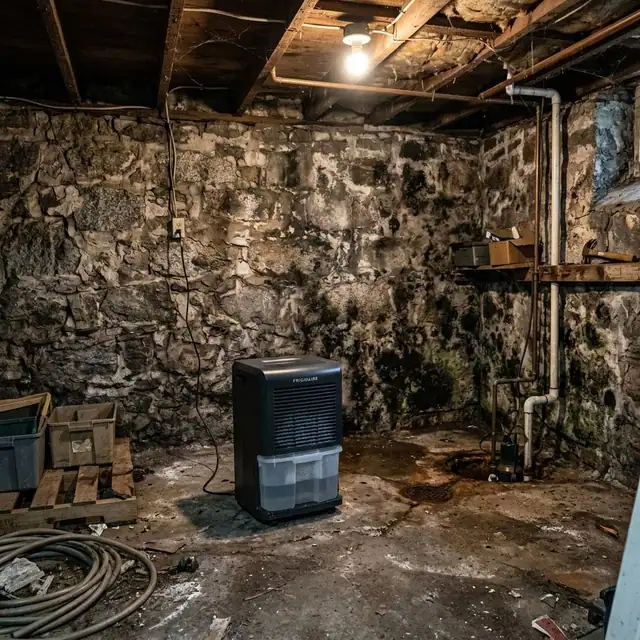
- Keep indoor humidity below 50 percent. A dehumidifier in the basement makes a big difference.
- Fix leaks immediately. Even a slow drip behind a wall can feed Aspergillus and other mold species.
- Ensure your bathroom and kitchen exhaust fans vent to the outside, not just into the attic.
- Clean and inspect your HVAC system regularly. Mold in the ductwork can spread spores to every room.
- After any water damage, dry the area within 24 to 48 hours. That window is critical for preventing mold growth.
One thing I tell every homeowner is to pay attention to musty smells. If you smell mold, you likely have a hidden problem. Do not ignore it. The longer you wait, the more extensive and expensive the black mold removal will be.
Final Thoughts
Dealing with black mold is never fun. But with the right approach, you can protect your home and your health. Whether you handle a small spot yourself with an N-95 respirator and the right cleaner, or you bring in a certified crew for a major infestation, the key is to act quickly and thoroughly. Do not cut corners, and do not rely on bleach alone. Use products like Concrobium on porous surfaces, ventilate the area, and run a dehumidifier to keep things dry. And if you are ever in doubt, call someone with an IICRC mold remediation certification. It is worth the peace of mind.
