Pest Control Services Sussex County: Eliminating Pests Without the Stress
A pest problem rarely starts as a dramatic event. More often, it begins with something small and easy to dismiss, a line of ants near the sink, scratching in the wall after dark, droppings in a garage corner, a wasp circling the soffit. Then a few days pass, maybe a week, and the issue becomes harder to ignore. By that point, most property owners are dealing with two problems at once. There is the pest itself, and there is the stress that comes with not knowing how bad it is, how quickly it will spread, or whether a do-it-yourself fix is making things worse.
That is where professional Pest Control Services Sussex County prove their value. Good pest control is not just about spraying a product and leaving. It is about identifying the actual source of the issue, judging the level of risk, treating it in a way that fits the property, and preventing repeat infestations without turning the process into a second headache for the homeowner or business owner.
In Sussex County, pest pressure tends to be shaped by the kinds of buildings and landscapes common in the area. Older homes often have hidden gaps, aging crawl spaces, and moisture issues that create ideal conditions for insects and rodents. Newer construction can be tight and efficient, but it still develops entry points around utility lines, foundations, rooflines, and garages. Large yards, wooded edges, sheds, detached garages, and agricultural outbuildings all expand the number of places pests can shelter. Add seasonal weather swings, humidity, and human activity, and you have the kind of environment where pests can thrive if no one interrupts the cycle.
What “stress-free” pest control actually looks like
People often say they want the problem gone fast. That is understandable. But speed alone does not make pest control effective, and it certainly does not make it stress-free. The least stressful service is usually the one that replaces guesswork with clarity.
A professional technician should be able to inspect the property, explain what they are seeing in plain language, and tell you whether the problem is isolated or part of a larger pattern. If there are carpenter ants, for example, the question is not only where they are trailing. It is whether there is damp or damaged wood nearby, whether the nest is likely indoors or outdoors, and whether satellite colonies may be involved. If mice are showing up in the kitchen, the bigger issue is often how they are entering, where they are nesting, and what food or harborage is keeping them active.
When that assessment is done well, the property owner stops reacting emotionally and starts making informed decisions. That shift matters. Pest issues feel overwhelming when every sound in the wall seems like an emergency. They become manageable when someone can tell you, with confidence, what is active, what is old evidence, what can wait, and what needs immediate action.
The pests that cause the most trouble
Sussex County properties can deal with a wide range of pest activity, but certain categories come up repeatedly because they exploit common conditions. Ants are persistent because they can enter through tiny gaps, build colonies close to foundations, and follow moisture or food sources indoors. Rodents are a year-round concern, especially when temperatures swing or when structures offer warmth, shelter, and easy access to food storage.
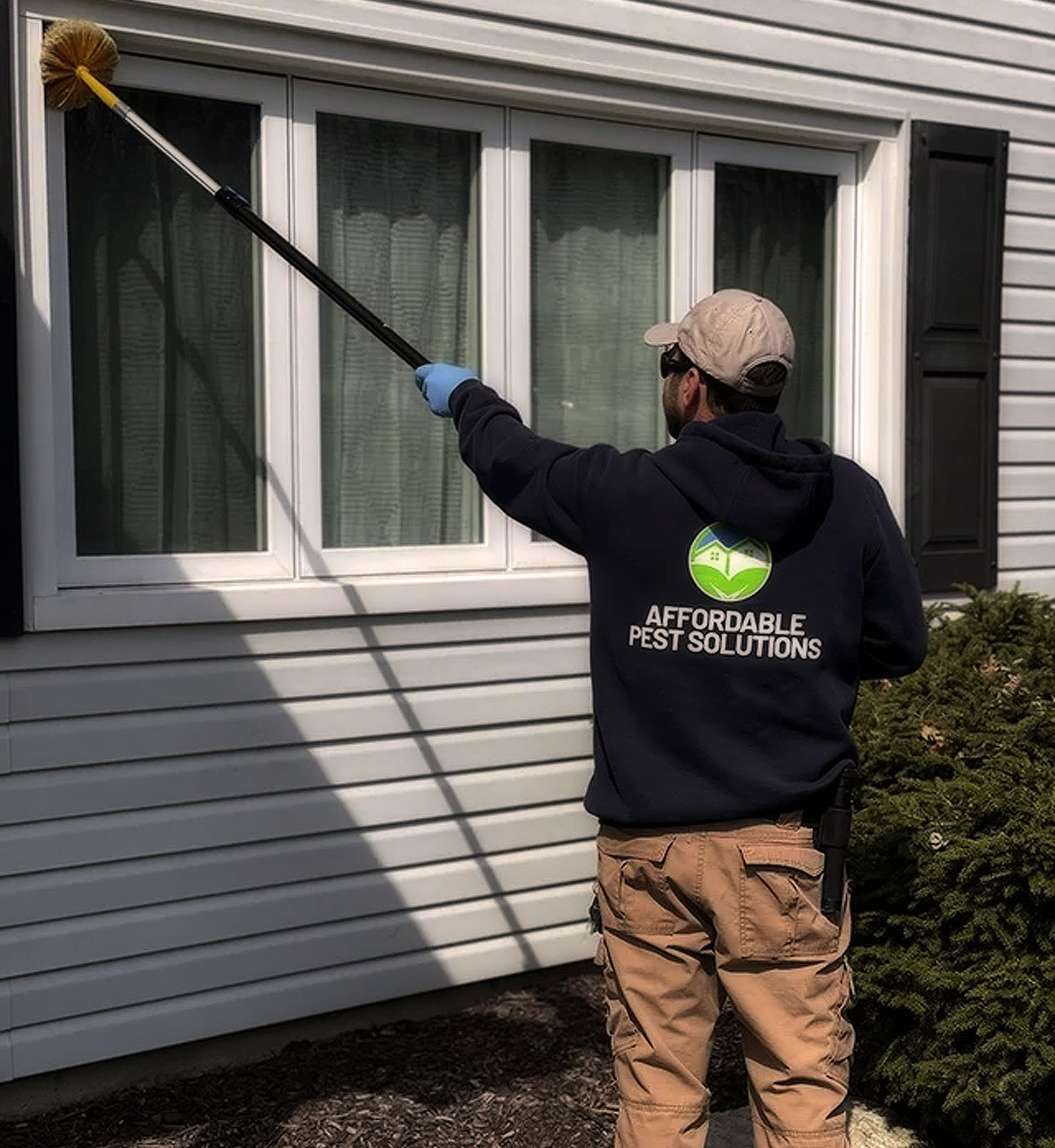
Stinging insects create a different kind of pressure. A wasp nest tucked behind shutters or under eaves may not seem serious until family members, employees, or customers are moving through the area every day. At that point, the issue is not just discomfort. It is liability and safety.
Cockroaches are less common in some settings than people fear, but when they do appear, they demand fast attention. Roaches multiply quickly, hide extremely well, and often indicate a combination of food availability, clutter, moisture, and inaccessible harborages. Bed bugs bring another level of urgency because they affect sleep, spread through travel and furniture movement, and require a disciplined treatment plan rather than a quick retail fix.
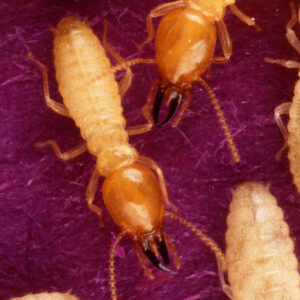
Termites deserve special mention because they create some of the highest financial risk while remaining largely invisible in the early stages. Homeowners do not usually spot termites marching across a floor. More often, they notice mud tubes, discarded wings, soft wood, blistered trim, or signs uncovered during a renovation or inspection. By the time visible clues show up, the colony may have been active for quite a while.
Why local experience matters more than people think
Pest control is one of those industries where local knowledge changes the outcome. Two homes with the same pest can require different solutions based on drainage, tree cover, neighboring structures, sanitation patterns, and construction style. That is especially true in places like Sussex County, where one property may sit in a denser town setting and another may back up to fields, woods, wetlands, or open land.
A technician with local experience tends to notice the details that matter. They know that a detached shed full of bagged seed or pet food can sustain rodent activity even when the house itself looks clean. They know that a mulch bed piled against the foundation can increase moisture and insect harborage. They know that a crawl space with poor ventilation changes the termite conversation, and that overgrown shrubs touching siding often become a bridge for ants and other pests.
This does not mean every job is complicated. Some infestations are straightforward. But even a straightforward job goes better when the person treating it understands how the surrounding environment may undo the treatment if no one addresses the conditions feeding the problem.
The difference between treatment and control
One of the biggest misunderstandings in this field is the idea that treatment and control are the Pest Control Services Sussex County same thing. They are not.
Treatment is the application itself, baiting, dusting, trapping, exclusion work, liquid barrier work, nest removal, or another targeted method. Control is broader. It includes the treatment, but it also includes inspection, monitoring, sanitation advice, entry-point reduction, moisture management, and follow-up where appropriate. If you only treat what is visible and ignore why the pests are there, the relief may be short-lived.
I once saw a recurring ant issue in a kitchen that had been “treated” several times before anyone took a closer look at the exterior. The colony was not living in the kitchen walls at all. It was exploiting a damp area near a poorly pitched downspout, then entering through a small gap where the siding met a utility penetration. Until the drainage and gap were addressed, the ants had every reason to keep coming back. Once those conditions changed, the pressure dropped dramatically.
That is a common pattern. Pest control works best when the service targets both the pest and the opportunity.
What homeowners should expect during a professional visit
A quality service call should feel methodical, not mysterious. The process may vary by pest, but the best providers tend to follow the same general discipline. They gather information about what the client has seen, inspect likely entry points and harborages, confirm the pest involved, and recommend a treatment plan that fits the severity of the issue.
The strongest technicians usually ask practical questions. When did you first notice activity? Is it constant or occasional? Does it happen at a certain time of day? Have there been recent renovations, storms, plumbing leaks, deliveries, or changes in landscaping? These details help narrow the cause far faster than product selection alone.
Homeowners should also expect honest limitations. No credible company should promise that every pest issue disappears instantly in every case. Some insects respond quickly. Others require staged treatments, monitoring, or life-cycle timing. Rodent control often depends on both population reduction and exclusion work. Bed bug service may involve preparation steps, repeated visits, and strict follow-through. Termite protection may require ongoing monitoring even after initial treatment.
That kind of honesty lowers stress because it replaces false reassurance with a realistic plan.
When do-it-yourself methods help, and when they backfire
Not every pest sighting demands a service call. A few occasional invaders can sometimes be managed with basic housekeeping, sealing obvious gaps, reducing moisture, and removing food attractants. Sticky traps and snap traps, used correctly, can also provide useful information about where activity is concentrated.
But store-bought solutions often create problems when they are used as substitutes for diagnosis. People spray ants they can see and miss the colony. They place rodent bait in the wrong areas and never deal with the access points. They fog a room for fleas or bed bugs and drive the pest deeper into cracks and neighboring spaces. They kill a few wasps near a nest entrance and assume the issue is resolved, only to discover much heavier activity later.
A common mistake is applying too much product in too many places without understanding labels, exposure risks, or whether the material is appropriate for that pest. More chemical is not better pest control. Better information is better pest control.
If the issue is repeating, spreading, or involving structural pests, stinging insects, or pests with health implications, professional help usually saves time and money faster than trial and error.
Signs that a small problem is no longer small
Some infestations announce themselves clearly. Others stay quiet until the population builds. There are a handful of signs that usually mean it is time to stop monitoring and start acting.
- Repeated sightings over several days or weeks, especially in the same areas
- Droppings, gnaw marks, grease marks, or nesting material from rodents
- Hollow-sounding or damaged wood, mud tubes, or discarded wings
- Nighttime activity in kitchens, bathrooms, basements, or utility spaces
- Increased bites, stings, or unexplained skin reactions linked to sleeping or outdoor use areas
What matters is not just the symptom, but the pattern. One dead bug on a windowsill may be incidental. Ongoing evidence in multiple areas points to active pressure that is unlikely to solve itself.
The role of exclusion, sanitation, and moisture control
The most effective Pest Control Services Sussex County usually combine treatment with practical property corrections. This is where a lot of long-term success is won.
Exclusion is the simplest concept and one of the most powerful. If pests cannot get in, they cannot establish themselves indoors. That means sealing gaps around doors, windows, utility penetrations, rooflines, vents, crawl space openings, and foundations. For rodents, even surprisingly small openings matter. For insects, the threshold is even smaller.
Sanitation is often misunderstood. It does not mean a home is dirty if it has pests. Many clean homes have pest problems. What sanitation does mean is that available food, water, grease, crumbs, pet food, trash residue, cardboard clutter, and forgotten storage can keep a population active longer than it otherwise would be. In commercial spaces, sanitation can make or break a control program. A treatment in a restaurant, break room, or food facility is only as strong as the daily cleaning and storage habits around it.
Moisture control is the factor that gets overlooked most often. Damp crawl spaces, leaking hose bibs, clogged gutters, condensation around HVAC systems, poor drainage, and wet mulch lines all create favorable conditions for many pests. Correcting moisture does not kill insects by itself, but it removes the conditions that help them persist.
Different properties need different plans
A single-family house, a townhouse, a rental property, a restaurant, and a warehouse should not be serviced exactly the same way. The pests may overlap, but the risk tolerance, exposure patterns, and practical constraints are different.
In residential work, the priorities usually include family safety, pet considerations, convenience, and preventing property damage. In rental properties, communication and timing become critical because delayed reporting often turns one unit’s issue into several units’ issue. In commercial settings, documentation, discretion, scheduling, and prevention carry more weight because the cost of disruption can be high.
Restaurants and food businesses, for instance, cannot afford vague pest management. They need inspection discipline, sanitation alignment, and response speed. A warehouse may look less sensitive, but pallet storage, dock doors, and shipping patterns create their own vulnerabilities. Office spaces often have fewer structural pressures, yet employee food storage, break areas, and janitorial timing can still drive pest activity.
The best provider does not force every site into the same package. They shape the service to the building and the use of that building.
Questions worth asking before hiring a pest control company
Choosing a provider should not feel like buying a mystery service. A good company should be able to explain its process clearly and answer practical questions without hiding behind jargon.
Here are a few useful things to ask:
- What pest do you believe is active, and how did you confirm it?
- What treatment method do you recommend, and why is it a fit for this property?
- Will you address entry points or contributing conditions, or only apply treatment?
- What should I expect after service, including timelines and possible follow-up?
- Are there preparation steps for children, pets, food areas, or specific rooms?
The point of these questions is not to challenge the technician. It is to see whether the company thinks in a structured, transparent way. If the answers are rushed, vague, or overly confident without inspection, that is worth noticing.
The hidden cost of waiting
People delay calling for pest control for understandable reasons. They hope the issue is minor. They do not want the expense. They are embarrassed. They are busy. But delay usually increases the total cost, whether measured in money, time, or stress.
Rodents reproduce. Termites keep feeding. Nesting insects expand. Bed bugs spread through rooms, luggage, and furniture. Moisture-associated pests often signal conditions that can also affect materials and indoor comfort. Even if the immediate pest itself is not highly dangerous, the longer it remains active, the more complicated the correction tends to become.
There is also the mental cost. Ongoing pest activity changes how people use their homes. They stop opening certain cabinets, avoid the basement, lose sleep, or hesitate to invite guests over. That burden is easy to underestimate until the issue is gone and normal life returns.
Why prevention is usually cheaper than rescue work
Emergency treatment has its place, but prevention is what keeps pest control from becoming a recurring crisis. A preventive approach does not mean constant heavy treatment. It means regular inspection, seasonal awareness, and addressing vulnerabilities before they become infestations.
For many Sussex County properties, that may involve checking the exterior at transition points in the year, especially after periods of rain, heat, leaf fall, or cold weather. It may involve trimming vegetation away from siding, improving storage habits in garages and sheds, monitoring crawl spaces and basements, and repairing screens, sweeps, and sealant before pests exploit the weakness.
Preventive service also helps create a record. If a provider knows the property and sees it consistently, changes stand out faster. New droppings, fresh activity near an addition, moisture around a new line set, or unusual insect pressure in one zone become easier to interpret in context.
That continuity can save a property owner from the cycle of panic, overreaction, and repeat service.
A practical standard for peace of mind
The real goal of pest control is not to pretend pests do not exist. In any active environment, they do. The goal is to keep them from becoming established, damaging, or disruptive. That takes a level-headed approach, good inspection work, appropriate treatment, and Pest Control Services Sussex County enough follow-through to solve the problem instead of chasing symptoms.
When Pest Control Services Sussex County are done well, the experience feels calmer than most people expect. You get a clear explanation, a treatment plan that makes sense, and practical advice that helps the result last. There is no drama, no needless complexity, and no pressure to turn every sighting into a catastrophe. Just solid work, informed judgment, and a home or business that feels like yours again.
Affordable Pest Solutions LLC
Based in Budd Lake, New Jersey 07828
Service area: Sussex County, Morris County, and Warren County, New Jersey
+1 973-229-9547
FAQ About Pest Control Services Sussex County
What is included in a pest control service in NJ?
A visit generally starts with an inspection to identify the pest and assess activity, access points, and contributing conditions. The proposed service may include treatment, monitoring, exclusion recommendations, and follow-up. Ask which pests and areas are covered by the written quote.
How much does a pest controller charge in NJ?
Pricing depends on the pest, property size, severity of activity, and work required. A single treatment and an ongoing plan can have different costs and coverage. Request an inspection-based estimate that explains the included work, follow-up fees, and warranty terms.
How to prepare my home for pest control?
Ask for instructions specific to the planned service. The technician may need access to inspection areas and may ask you to move belongings or protect food and dishes. Mention pets, aquariums, and any household concerns beforehand. Follow the product label and the technician's instructions about leaving and re-entering treated areas.
