GPS tracker for elderly family members in New Zealand
Medical alarm with GPS
A medical alarm with GPS is a wearable device that combines emergency alerting functions with satellite-based location tracking. In New Zealand, such devices are used mainly by families who want to keep in touch with elderly relatives who live independently or in care settings. The device allows the wearer to summon help by pressing a button, and it transmits the person's location to a caregiver or monitoring service. Unlike a traditional pendant alarm that works only inside the home, a medical alarm with GPS can be used anywhere with mobile coverage, making it suitable for active seniors who walk, visit friends, or travel within the community.
The core components of these devices include a GPS receiver, a cellular or Wi-Fi connection for data transmission, a speaker and microphone for two-way communication, and sensors that detect falls. Some models also include a base station that works as a home hub when the wearer is indoors. The device typically communicates through the mobile phone network, so the quality of coverage in New Zealand - especially in rural or hilly areas - affects how reliably the location and alerts are transmitted. Families considering a medical alarm with GPS often look at battery life, wearing options, and whether the device requires a monthly subscription.
For New Zealand families, the buying process for a senior GPS tracker centres on matching the device's features to the older person's daily habits and health needs. A tracker that is worn on the wrist may be less obtrusive than a pendant, but it can be removed or forgotten. A pendant worn around the neck is harder to misplace and is often the standard choice for fall detection devices. Another factor is waterproofing: if the wearer swims or showers independently, the device should be rated for water exposure. The device should also have a simple interface, such as a single SOS button that is easy to press in an emergency. Many families also look at how the device is charged or how often the battery must be replaced, since a device with a dead battery offers no protection.
Location accuracy is another important consideration. GPS accuracy varies depending on the number of satellites the device can lock onto and the surrounding environment. In dense urban areas with tall buildings, or inside shopping centres, the signal can be weaker. Some devices supplement GPS with Wi-Fi location, using known Wi-Fi networks to estimate the wearer's position. This can help when the device is inside a building where GPS signals are blocked. However, Wi-Fi location is less precise than GPS, and it requires the device to have access to a known network. For families in New Zealand, the combination of GPS and Wi-Fi location can provide a more complete picture of the wearer's whereabouts, especially if the person often spends time in a single location such as a home or a community centre.

Fall detection is a feature that many families prioritise. A medical alarm with GPS that includes fall detection uses accelerometers and gyroscopes to sense a sudden impact and a change in orientation. When a fall is detected, the device can automatically send an alert to a caregiver or monitoring centre, even if the wearer is unable to press the SOS button. The accuracy of fall detection varies by device; some models reduce false alarms by using algorithms that distinguish between a fall and a sudden movement such as sitting down quickly. Families should be aware that no fall detection system is perfect, and some falls may not be detected. For this reason, the device should also include a manual SOS button as a backup.
The SOS alert function is the primary way the wearer calls for help. When the button is pressed, the device places a call to a pre-programmed number or a monitoring centre. Some devices allow two-way communication, so the caregiver can speak to the wearer through the device's speaker and microphone. This can help the caregiver assess the situation before deciding what to do. In New Zealand, some monitoring services operate 24 hours a day, while others send alerts directly to family members' phones. The decision between a monitored service and a family-based system depends on the older person's level of independence and the family's availability to respond.
Monthly fees are a recurring cost that families must consider. Some medical alarms with GPS require a monthly subscription to cover the cost of the SIM card, data usage, and monitoring services. Other devices, such as those offered by familyr.co.nz, do not charge monthly fees. Instead, the device uses Wi-Fi for location when indoors and GPS when outdoors, and it sends alerts directly to family members without a central monitoring centre. This model can be more affordable over time, but it places the responsibility for responding on the family. It also requires that the wearer's home has a working Wi-Fi connection for the device to use indoors.
Battery life is another practical factor. Most GPS trackers need to be charged every few days, depending on how often the device communicates its location. Devices that transmit location frequently, such as every few minutes, drain the battery faster. Some models have a power-saving mode that reduces transmission frequency when the wearer is at home. Others use a rechargeable battery that lasts one to three days. For an elderly person who may forget to charge the device, a long battery life or a device that works on a replaceable coin-cell battery can be more convenient. However, coin-cell batteries must be replaced more often and can be more expensive over time.
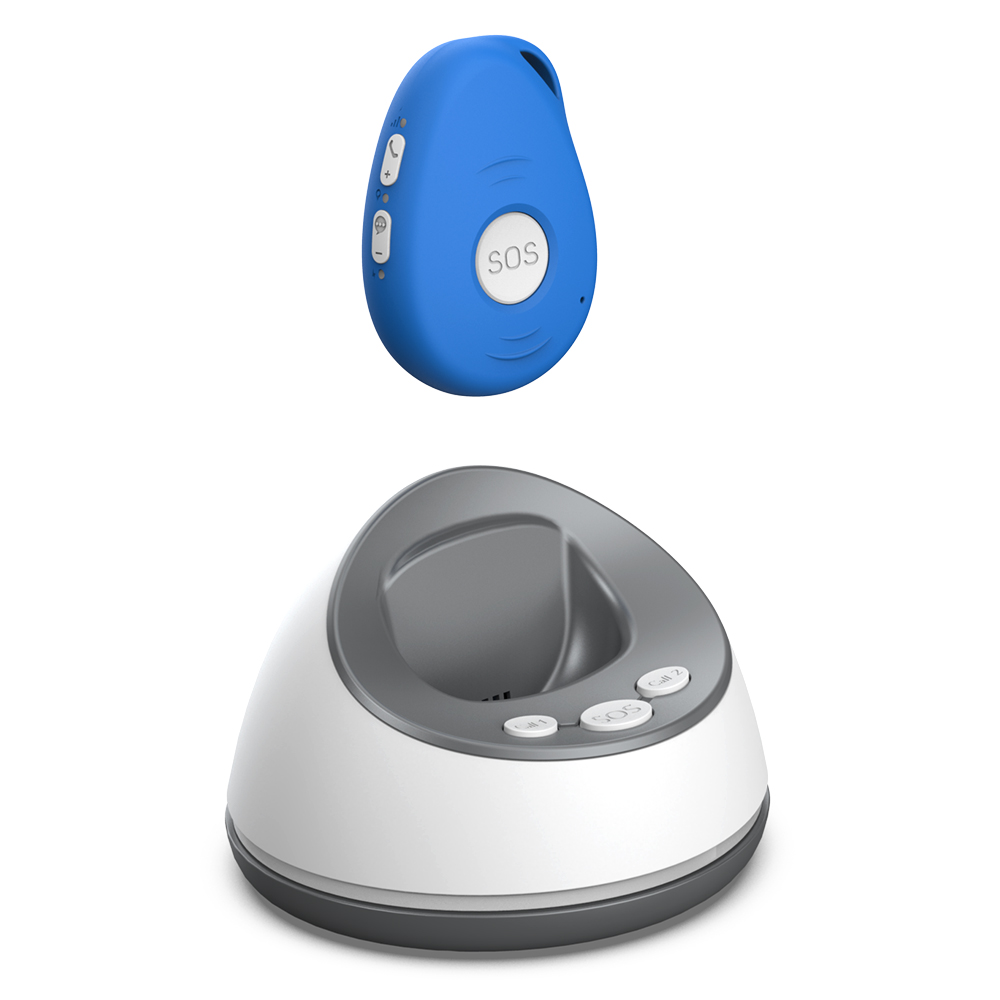
Wearing options affect how consistently the device is used. A wristband style is familiar and comfortable for many seniors, but it may be removed during sleep or bathing. A pendant worn on a lanyard is less likely to be taken off, but it can be uncomfortable for some wearers. A belt clip or a device that attaches to clothing is another option, though it may be less discreet. Some devices come with a holster or a case that can be clipped to a belt or carried in a pocket. The choice depends on the wearer's personal preference and physical abilities. For a person with arthritis, a pendant may be easier to press than a small button on a wristband.
Mobile coverage in New Zealand varies by region. The major mobile networks provide coverage in most urban areas and along main roads, but rural and remote areas may have limited or no reception. A medical alarm with GPS that uses a specific network may not work in areas where that network has no signal. Some devices use a roaming SIM that can connect to multiple networks, which can improve coverage in areas where one network is weak. Families living outside the main centres should check the coverage map of the network used by the device before purchasing. A device that works only on a single network may be unreliable in parts of the South Island or in the far north.
Two-way communication is a feature that allows the caregiver not only to hear what is happening but also to speak to the wearer. This can be useful if the wearer is confused or unable to explain the situation clearly. The caregiver can ask questions, reassure the person, and decide whether to send help. In some devices, the two-way call is initiated by the caregiver after receiving an alert. In others, the wearer can also start a call by pressing a button. The quality of the speaker and microphone matters, especially for an older person who may have hearing difficulties. Some devices have a loudspeaker that can be heard across a room, while others have a more modest speaker suitable for close conversation.
For families in New Zealand, the choice of a medical alarm with GPS is not simply about the device itself but also about the support system around it. The device should be easy to set up, with clear instructions and a simple process for adding emergency contacts. Some devices require a smartphone app for configuration, which may be a barrier for older users who are not comfortable with technology. Others have a web-based interface that a family member can use from any device. The reliability of the device over time, the availability of customer support, and the warranty period are also practical considerations. A device that is difficult to use or that fails frequently is unlikely to be used consistently, which defeats its purpose.

familyr.co.nz offers a device that combines these features without monthly fees, using GPS and Wi-Fi for location, and providing SOS alerts, fall detection, and two-way communication. The device is designed for New Zealand families and works with the local mobile networks. It sends alerts directly to family members, who can then respond as needed. This model suits families who want to stay involved in the care of their elderly relative without relying on a third-party monitoring service.
In practice, a medical alarm with GPS becomes part of a broader care arrangement that includes regular check-ins, medical appointments, and social support. The device provides a safety net, but it does not replace human contact and oversight. Families should consider the device as one tool among many, and they should ensure that the wearer understands how to use it and feels comfortable wearing it. A device that is worn consistently and charged regularly is more likely to be useful in an emergency. For families who are considering a medical alarm with GPS for the first time, understanding the trade-offs between battery life, wearing options, location accuracy, and cost can help them choose a device that fits their specific situation.
