Furnace Replacement Warning Signs You Should Never Ignore
Most furnaces do not die in one dramatic moment. They usually spend a season or two trying to tell you they are on the way out. The problem is that homeowners often chalk those signs up to cold weather, an old thermostat, a drafty room, or plain bad luck. Then one January night the house drops to 58 degrees, the system quits, and now you are making emergency calls while wearing two sweatshirts.
I have seen that pattern play out more times than I can count. A furnace rarely fails without leaving clues first. Some are obvious, like loud banging or no heat at all. Others are subtle, like rising utility bills or rooms that never seem comfortable anymore. If you catch those signals early, you can plan a furnace replacement on your terms instead of scrambling through an emergency.
That matters because there is a big difference between needing a simple furnace repair and needing a full system changeout. Plenty of issues are fixable. A bad ignitor, failing capacitor, dirty flame sensor, or clogged filter can make a furnace act worse than it really is. But there comes a point when repair after repair starts costing more than it should, comfort keeps slipping, and the equipment is simply worn out. That is when furnace installation becomes the smarter move.
The age question comes first
If your furnace is pushing 15 to 20 years old, pay close attention to everything else it is doing. Age alone does not automatically mean you need furnace replacement. I have seen well-maintained units run past 20 years. I have also seen neglected systems limp along badly at 12. Still, once a furnace reaches that older range, every repair deserves a harder look.
Older furnaces often become a problem in two ways at the same time. First, parts wear out and breakdowns get more frequent. Second, efficiency falls behind newer equipment. A system that was decent two decades ago may look pretty rough next to a modern Furnace repair high-efficiency model. Even if it still runs, it may be burning more fuel and delivering less comfort than you realize.
A homeowner once told me, "It still heats, so I figured it was fine." What he meant was that it did eventually get the house warm, after long noisy cycles and a utility bill that had climbed year after year. The furnace was 22 years old. Technically running, yes. Fine, not really.
Your energy bills keep creeping up
A sudden spike in winter heating costs always deserves attention, especially if fuel prices in your area have not changed enough to explain it. Sometimes the cause is simple. A filthy filter can choke airflow. Leaky ductwork can waste heat. A thermostat can misread temperatures. Those are all worth checking.
But when the bill climbs and the furnace seems to run longer, struggle harder, or short cycle more often, it can point to a system losing efficiency internally. Heat exchangers get tired. Burners can perform poorly. Blower components wear down. The machine works harder to produce the same result.
This is one of those warning signs people ignore because it happens gradually. You do not notice a slow increase the way you notice a total shutdown. You just get used to the idea that winter is expensive. Sometimes it is. Sometimes the furnace is the reason.
If your bills have gone up over the last couple of seasons and you have already handled basic maintenance, it may be time to compare repair costs against the long-term savings of a new unit. Good heating services companies can help you run those numbers honestly, not just push a sale.
Uneven heating is more than an annoyance
A house where one bedroom feels like a meat locker and the living room feels stuffy is frustrating, but it can also be a warning sign. Not every hot-and-cold room issue means you need furnace replacement. Duct design, insulation gaps, and airflow balancing play a huge role. Two-story homes especially can be tricky.
Still, when a furnace starts losing its ability to heat the home evenly, it may be struggling to move air properly or produce steady heat. A worn blower motor can do this. So can a cracked heat exchanger, restricted airflow, or a burner problem. In older systems, I often see a combination of minor issues stacking up until comfort gets noticeably worse.
This is where experience matters. A decent technician should not walk in, glance around, and declare you need a new furnace because one room is cold. They should inspect airflow, filter condition, ductwork, thermostat operation, and furnace performance. The right answer might be furnace repair. It might be duct improvements. Or it might be that the equipment is no longer up to the job.
Strange noises usually get louder, not better
Furnaces make noise. That part is normal. You will hear the blower start, the burners ignite, and the metal expand and contract a little during a cycle. What should get your attention are new noises or noises that keep worsening.
Here are the sounds I take seriously:
- banging at startup or shutdown
- rattling that suggests loose parts or panel vibration
- squealing from a worn belt or motor bearing
- scraping that can mean blower wheel trouble
- booming ignition that points to delayed burner lighting
Delayed ignition is one of the noises I would never wave off. When gas builds up before ignition, you can get a small boom instead of a smooth light-off. That is hard on the equipment and not something to "watch for a while." Get it checked.
I have had customers apologize for calling about a weird noise because they felt silly. Then we found a blower assembly on its last legs or a burner issue that could have turned more serious. If a furnace suddenly sounds different, trust your ears.
You are scheduling furnace repair more and more often
One repair every several years is not unusual. Mechanical equipment breaks. That is life. But if your furnace has turned into a repeat customer at the service company, step back and look at the pattern.
A good rule of thumb is not about one exact dollar amount. It is about frequency, timing, and confidence. If you fixed the inducer motor last winter, replaced the control board in the fall, and now the blower is acting up, that is not bad luck anymore. That is an aging system asking for steady investment.
The worst time to keep pouring money into an old furnace is during peak winter, when parts are backordered, technicians are swamped, and you need heat immediately. Sometimes homeowners end up paying for an expensive furnace repair in December, only to choose furnace replacement in February when something else fails. That money is gone.
Repair makes sense when the unit is relatively young, the problem is isolated, and the rest of the system is solid. Replacement makes more sense when the furnace is old, reliability is slipping, and each repair feels like buying one more month.
The heat is dusty, dry, or just feels off
People often have a hard time describing this one. They will say the heat feels stale, or the house never feels comfortable even when the thermostat says it should. That vague discomfort can come from a few places.
An older furnace may be cycling poorly, overheating, or moving air unevenly. Duct leakage can pull in dust. Weak airflow can make rooms feel stuffy. A cracked heat exchanger can create serious safety concerns and may also affect how the system operates. Dry winter air is normal to a point, but when comfort drops noticeably from prior years, the furnace deserves a closer look.
This is why I tell homeowners to pay attention not just to temperature, but to how the house feels. Comfort is not a number on the wall. It is whether your home heats evenly, quietly, and without that constant sense that the system is struggling.
The burner flame does not look right
If you can safely view the burner flame through the access window, a healthy gas furnace flame is usually steady and blue. If it is wavering, flickering, or showing a lot of yellow, that can indicate combustion problems. Dirty burners, poor air mixture, venting issues, or more serious internal trouble can all be involved.
This is not a do-it-yourself diagnosis. It is a call for professional heating services. Combustion issues are not just comfort issues. They can become safety issues fast.
A furnace that is burning poorly may still heat the house for a while. That is what makes it dangerous. People assume that because heat is coming out, everything is fine. It is not always fine.
Soot, rust, moisture, or corrosion around the unit
Take a look at the area around your furnace once in a while. You are not trying to become a technician. You are just checking for changes. Rust on the cabinet, corrosion around venting, soot marks, or unusual moisture are all signs worth investigating.
Condensation around a high-efficiency furnace can point to drain or vent issues. Rust around older systems can suggest long-term moisture exposure or combustion problems. Soot is never something I would ignore. It may signal incomplete combustion, and that needs prompt professional attention.
Physical signs like these often show up before a total failure. They are the visual version of the furnace asking for help.
Your furnace turns on and off constantly
Short cycling is when the furnace starts, runs briefly, shuts off, then repeats too soon. This can come from a dirty filter, a limit switch problem, thermostat trouble, poor airflow, or an oversized system. In some cases, it is repairable and not all that dramatic.
In older furnaces, though, repeated short cycling can be one more sign that the machine is near the end. Frequent starts and stops put extra wear on components. Comfort suffers, efficiency drops, and breakdowns become more likely.
If your furnace no longer runs in smooth, consistent heating cycles, do not just keep bumping the thermostat and hoping it sorts itself out. That habit tends to make the problem more expensive, not less.
The pilot keeps going out, or ignition problems keep returning
On older furnaces with standing pilots, a pilot that will not stay lit can point to thermocouple issues, drafts, gas supply concerns, or aging controls. On newer systems with electronic ignition, repeated failure to ignite may involve the flame sensor, ignitor, board, or burner assembly.
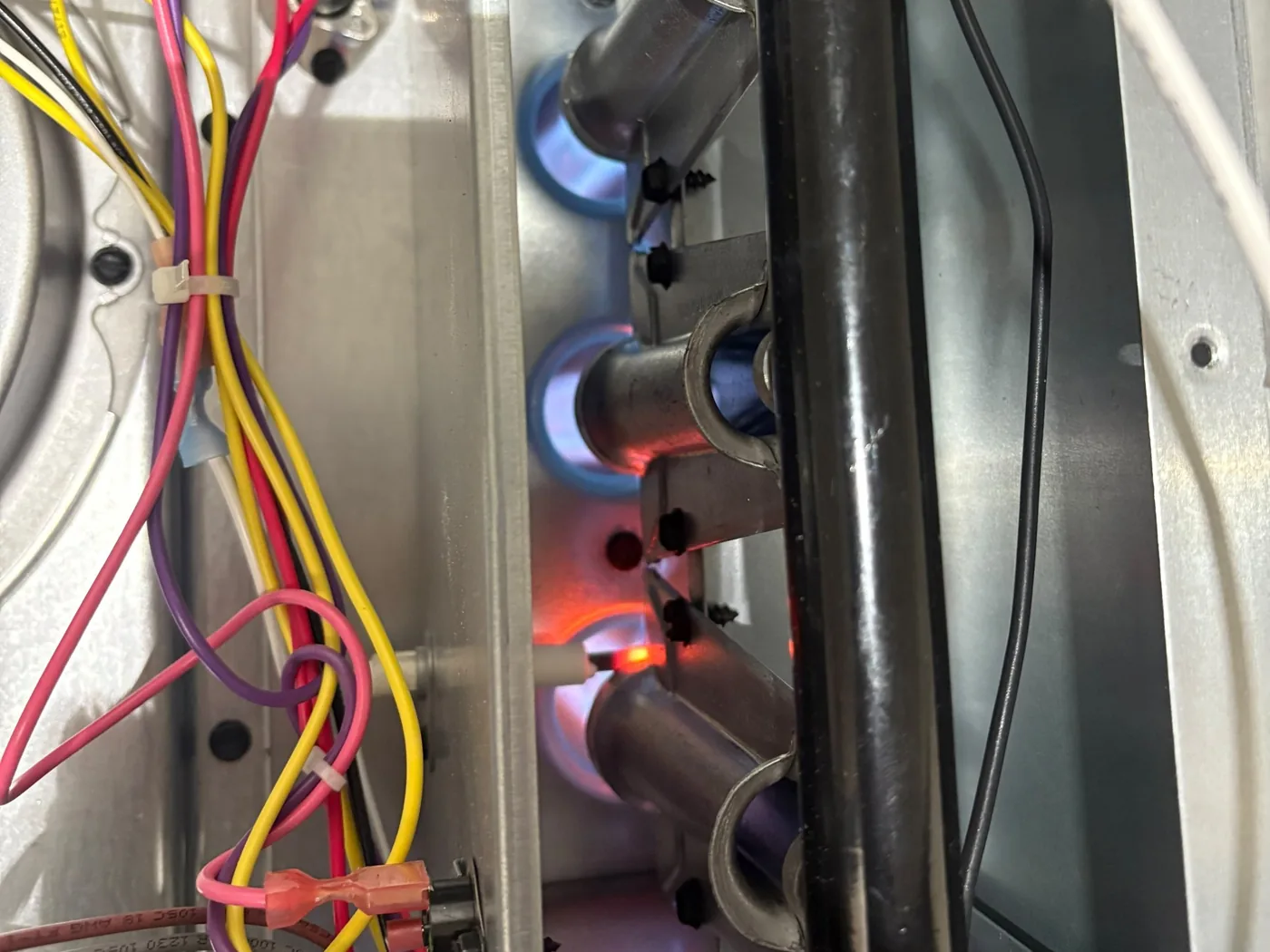
Again, some of these are absolutely repairable. I do not want to make it sound like every ignition issue means immediate furnace replacement. But repeated ignition problems on an older unit are a warning sign because they affect both reliability and safety. If the system has become unpredictable, that matters.
The first cold snap of the year is famous for exposing this exact problem. A furnace that sat idle for months tries to fire up, stumbles, and leaves the house chilly by breakfast. If it has happened more than once, start thinking beyond the next repair.
Cracks and carbon monoxide concerns are a different category
A cracked heat exchanger is not the same as a noisy blower or a bad ignitor. It is serious. Not every crack is obvious to the homeowner, and not every technician agrees on every visual mark they see, so this can be a nuanced diagnosis. But if a qualified professional identifies a compromised heat exchanger, furnace replacement is often the right path.
Any sign of carbon monoxide risk should move to the top of your priority list. That includes detectors going off, combustion problems, strong concerns raised during inspection, or symptoms in the home that suggest something is wrong. Carbon monoxide is odorless, and that is exactly why it is so dangerous.
Install working carbon monoxide detectors near sleeping areas and on each level of the home. Test them. Replace batteries as needed. This is basic home safety, not an optional upgrade.
When repair still makes sense
It is easy to swing too far the other direction and assume every furnace issue means you need a brand-new system. That is not true. I have seen homeowners pressured into furnace installation when the real fix was modest and reasonable.
Repair often makes sense when the furnace is under 10 to 12 years old, maintenance history is decent, and the issue is limited to one component. It also makes sense when the cost is manageable and the rest of the system is performing well. A sound technician should be able to explain not just what failed, but what shape the rest of the furnace is in.
This is where trust matters. Good furnace services providers will talk through the options plainly. They will explain whether a repair buys you a few solid years or just keeps an unreliable machine limping through one more winter.
What to do if you suspect the furnace is on borrowed time
If several of these warning signs are showing up at once, do not wait for a complete failure. You do not have to replace the unit the same day you notice a problem, but you should get a professional evaluation soon.
A smart next step usually looks like this:
- schedule a diagnostic visit with a reputable heating services company
- ask for repair-versus-replacement options in plain numbers
- request efficiency and sizing recommendations if furnace installation is on the table
- check warranty status on existing equipment and any proposed new unit
- plan before peak winter if possible, when choices are better and stress is lower
That third point matters more than people think. Proper sizing is everything. I have seen homeowners replace an old furnace with a larger one because "more heat must be better," then end up with short cycling and lousy comfort. The best furnace replacement is not just about brand. It is about correct sizing, airflow, duct compatibility, venting, and installation quality.
Why timing matters more than brand hype
People tend to obsess over furnace brands and ignore the condition of the home, the duct system, and the installer. I would take a properly sized, well-installed midrange furnace over a premium unit installed badly any day of the week.
If you wait until the furnace is completely dead during the coldest week of the year, you lose leverage. You are tired, cold, and under pressure. That is when rushed decisions happen. Planning ahead gives you time to compare quotes, ask real questions, and choose the right setup for your home.
You may also have a chance to coordinate related improvements. Sometimes the smartest move is pairing furnace replacement with thermostat upgrades, duct sealing, filtration improvements, or humidification. Not every house needs all that. Some do. The key is looking at the whole heating system, not just the metal box in the basement.
The signs are usually there if you know where to look
A furnace near the end of its life often gets louder, less efficient, less consistent, and less trustworthy before it quits. That pattern is familiar. High bills, uneven heating, repeated furnace repair calls, odd smells or noises, ignition trouble, short cycling, corrosion, and age all tell part of the story.
One sign by itself does not always mean furnace replacement. Several signs together usually mean it is time for an honest conversation about what makes sense next. If the system is still young and the fix is straightforward, furnace repair may be the right call. If the unit is old, unreliable, and expensive to keep alive, furnace installation starts looking a lot more practical.
The goal is not to replace equipment at the first inconvenience. It is to avoid getting trapped by a furnace that has been warning you for months and finally picks the worst possible night to stop. If your system is acting tired, believe it. That little bit of attention now can save you a lot of money, discomfort, and emergency stress later.
