Everything You Need to Know About Invisalign in Calabasas CA
A straight smile can change more than a photo. It can change how comfortably you speak in meetings, how often you smile without thinking about it, and how easy it is to keep your teeth clean over the long term. For many adults and teens in Southern California, that is what brings them to Invisalign. They want orthodontic treatment that works, but they do not want the look, feel, or food restrictions that come with metal braces.
If you have been researching Invisalign Calabasas CA, you are probably sorting through a mix of practical questions and cosmetic ones. How does it actually work? Who is a good candidate? How long does treatment take? Is it worth the cost? Those are all reasonable questions, especially in a place like Calabasas, where people often want excellent results but also need treatment that fits a busy schedule.
Invisalign has been around long enough that it is no longer seen as a niche option. At the same time, not every case is equally simple, and not every patient has the same expectations. The best decisions usually come from understanding both the benefits and the limits, not from glossy before and after photos alone.
Why Invisalign appeals to so many adults and teens
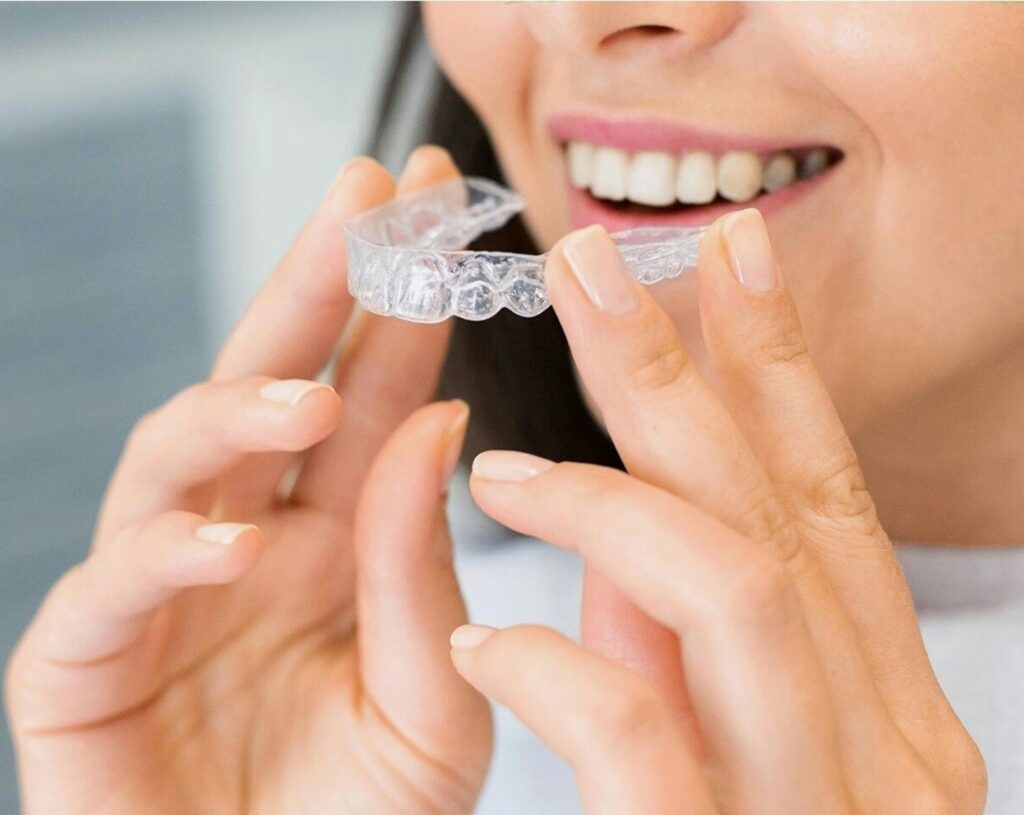
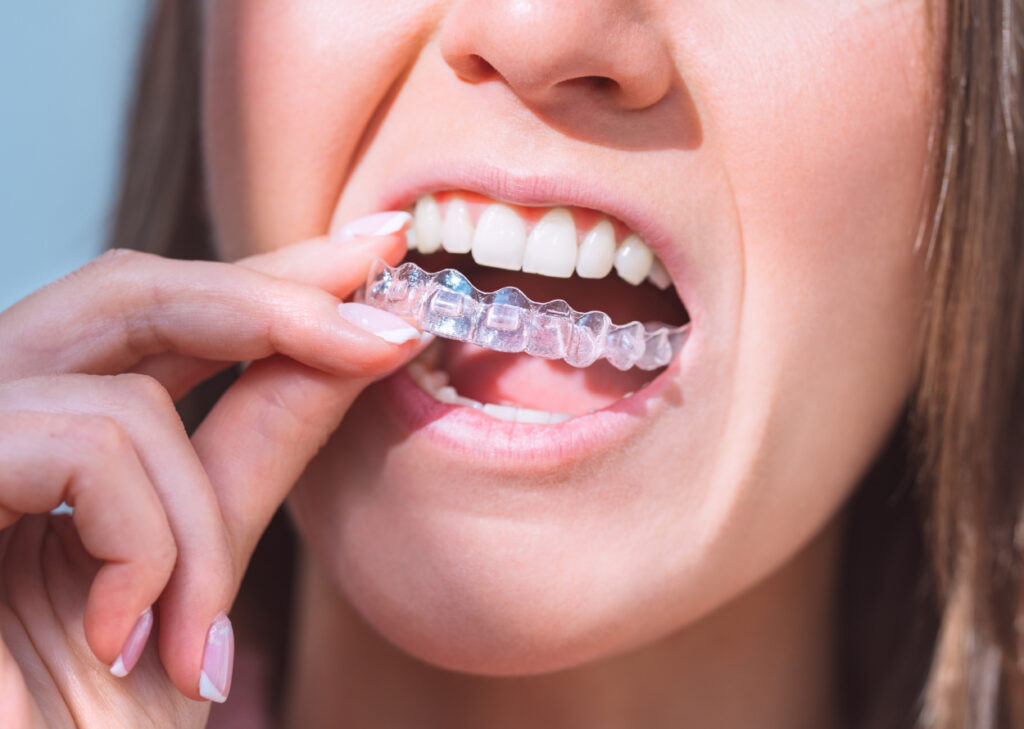
The main draw is obvious. Invisalign uses a series of clear aligners rather than brackets and wires. The trays are custom-made to fit over your teeth and gradually move them into better alignment. They are removable, which changes the day-to-day experience more than most people realize.
For adults, especially working professionals, that matters. A patient who gives presentations, meets clients, or appears on camera often cares about subtlety. Even if traditional braces would work perfectly well, the idea of showing up to a board meeting with metal brackets can feel like a real barrier. Invisalign lowers that barrier.
For teens, the appeal is a little different. Some like the nearly invisible look. Others care more about being able to eat popcorn, apples, or chewy bread without breaking a bracket. Parents tend to appreciate the easier hygiene, assuming their child is disciplined enough to wear the trays as directed.
That last point is where real-life experience matters. Invisalign is convenient, but it asks more from the patient. Braces are always on. Aligners can be left in a napkin at lunch, lost in a backpack, or forgotten on a bathroom counter. The best results usually come from people who are consistent, not just enthusiastic at the start.
How Invisalign actually moves teeth
The mechanics are precise, even if the trays look simple. Treatment starts with digital scans or impressions, photos, and a detailed exam. The dentist or orthodontist maps out tooth movement in stages. Each aligner is designed to make small, controlled shifts. You wear one set for a prescribed period, often about one to two weeks, then move to the next.
Attachments are often part of the process. These are tiny tooth-colored bumps bonded to certain teeth. Patients are sometimes surprised by them because the marketing tends to focus on “invisible” treatment, but attachments are often what allow the aligners to grip the teeth and create the right movement. In practice, they are much less noticeable than braces, though not completely undetectable at close range.
Some cases also require interproximal reduction, sometimes called IPR. That means removing a very small amount of enamel between selected teeth to create space. Done properly, it is conservative and common, but it is something you should understand ahead of time. People are often more comfortable when they know that “clear aligners” still involve detailed clinical decisions, not just a box of plastic trays.
The biology is the same as with any orthodontic treatment. Teeth move because gentle, sustained force prompts the bone around the roots to remodel. That process takes time. Anyone promising dramatic changes at unrealistic speed is worth questioning.
Who makes a good candidate
Invisalign can handle a wide range of orthodontic concerns, but not every case is equally suited to it. Mild to moderate crowding and spacing are often very manageable. Many bite issues can also be treated successfully, including some overbites, underbites, and crossbites. The key word is some. Severity matters, root position matters, and compliance matters.
A good candidate usually has realistic expectations and is willing to wear the aligners about 20 to 22 hours a day. That sounds straightforward until everyday life gets involved. Coffee, snacks, social dinners, sports, travel, and simple forgetfulness can chip away at wear time. A person who removes the trays constantly and leaves them out for long stretches can slow progress or compromise the final result.
There is also a difference between “possible” and “ideal.” I have seen patients who could technically finish with Invisalign but would likely get a better or more predictable result with braces, especially when significant tooth rotation, vertical movement, or complex bite correction is involved. An honest provider should explain that distinction clearly.
For teens, readiness matters as much as dental anatomy. If a teenager is organized, motivated, and invested in the outcome, Invisalign can go very well. If that teenager already loses retainers, mouthguards, or homework folders on a regular basis, parents should take that seriously.
What the first consultation should cover
The first visit should feel thorough, not rushed. Beyond confirming whether you are a candidate, the clinician should evaluate gum health, existing dental work, bite function, and any habits that could affect treatment. Clenching, grinding, recession, untreated cavities, and old crowns can all influence planning.
You should also expect a conversation about your goals. Some patients want a small cosmetic refinement of the front teeth. Others assume Invisalign will completely transform the bite, midline, smile arc, and facial balance. Those are very different objectives. The more specific you are about what bothers you, the easier it is for your provider to tell you what is realistic.
A productive consultation usually covers these points:
- What needs to move, and why
- How long treatment is likely to take
- Whether attachments or IPR will be needed
- What happens if refinements are necessary
- How retention will work after active treatment
That last item is important. Teeth do not “stay put” just because treatment is over. Retainers are part of the deal, not an optional extra in any meaningful sense.
Why provider experience matters in Calabasas
When people search for Invisalign Calabasas CA, they often compare offices based on convenience, price, and online reviews. Those are useful factors, but they do not tell the whole story. Invisalign is a tool, not a guarantee. Outcomes depend heavily on diagnosis, planning, and follow-through.
An experienced provider knows when to stage movements conservatively, when to use elastics, when to recommend refinements, and when a case is drifting off course. They also know when not to force a treatment path that is not serving the patient. In cosmetic-minded communities, there can be pressure to emphasize appearance and speed. A strong clinician keeps function in the conversation. Straight teeth that do not bite well are not a great bargain.
It is also worth paying attention to how the office manages communication. Invisalign often involves a series of shorter check-ins rather than long adjustment visits. That can be efficient, but only if the systems are good. If trays do not arrive on time, attachments keep popping off, or instructions are vague, treatment can become more frustrating than it needs to be.
What treatment feels like day to day
Most patients describe pressure more than pain. When you switch to a new aligner, the first day or two can feel tight. That is normal. It is a sign the tray is applying force. The sensation usually settles quickly.
Speech changes can happen at first, especially with certain sounds. Invisalign Calabasas CA Most people adapt within days. Increased saliva, dry mouth, or mild cheek irritation can also show up early on. These are usually temporary annoyances rather than serious problems.
The bigger adjustment is behavioral. You need to remove the aligners before eating or drinking anything other than water, then brush before putting them back in. If you are someone who sips coffee over two hours every morning or grazes through the afternoon, Invisalign may require more lifestyle change than you expect.
That is not necessarily a bad thing. Some patients find they snack less and become more diligent with oral hygiene during treatment. Others realize pretty quickly that they prefer a method they do not have to manage so actively. Neither reaction is unusual.
Cost in Calabasas, and what influences it
Fees vary based on case complexity, treatment length, provider experience, and what is included. In the Calabasas area, prices are often higher than national discount ads suggest, partly because overhead and professional fees tend to reflect the local market. A straightforward cosmetic case may cost meaningfully less than a comprehensive bite correction that takes much longer and requires multiple refinements.
You should ask whether the quoted fee includes records, all aligners, attachments, refinement trays, retainers, and follow-up visits. A lower upfront number can become less attractive if key parts of treatment are billed separately later. It is also smart to ask how the office handles lost trays, broken retainers, or a pause in treatment due to travel or other life events.
Insurance can help, though coverage varies. Some dental plans include orthodontic benefits for adults, while others do not. Flexible spending accounts and health savings accounts can also be useful. Many offices offer monthly payment plans, which is one reason patients sometimes start treatment sooner than they expected.
Invisalign versus braces, the comparison patients actually care about
Marketing comparisons often sound too neat. The reality is more nuanced. Invisalign is more discreet and generally easier for eating and brushing. Braces remove the burden of remembering to wear something. Invisalign can be very efficient in the right case. Braces can be more reliable for certain complex movements.
Here is the version I find most helpful in plain terms. If your top priorities are aesthetics, flexibility, and easier cleaning, Invisalign often has a clear advantage. If your priorities are maximum control in a difficult case or zero temptation to remove the appliance, braces may still be the better option.
Neither system is “better” in the abstract. The better choice is the one that fits your teeth, your habits, and your goals.
Common concerns patients bring up
People rarely ask only about alignment. They ask about weddings, business travel, dating, teen sports, coffee, attachments in photos, and whether they will lisp during a presentation. Those concerns are not superficial. They are the real texture of treatment.
One patient might be planning a wedding in nine months and wants to know whether whitening should happen during or after treatment. Another may have a college-bound teenager who will be living away from home halfway through the case. Someone else might already have veneers on the front teeth and worry about how aligners interact with existing dental work. These are exactly the kinds of details that should shape the treatment plan.
If you have crowns, bonding, or implants, mention them early. Teeth with crowns can often move, but attachments and bonding require care. Implants, of course, do not move. That does not automatically rule out Invisalign, but it changes the strategy.
The compliance factor nobody should ignore
A patient can spend thousands of dollars on a beautifully designed Invisalign plan and still end up disappointed if wear time is inconsistent. This is the quiet truth behind many mediocre outcomes.
The difference between wearing aligners 22 hours a day and 14 hours a day is not subtle over months. Tracking can fall behind. Teeth may not seat fully into the trays. Refinements become more likely. Treatment stretches longer. Frustration rises. Patients sometimes blame the system when the bigger issue was poor compliance from week three onward.
That does not mean you need to be perfect. Life happens. People travel, get sick, attend Invisalign Calabasas CA events, and occasionally forget a case at a restaurant. The goal is consistency over the long run. A disciplined patient with a moderately difficult case often does better than a careless patient with an easy one.
Cleaning, maintenance, and avoiding preventable problems
Clear aligners stay clear only if you treat them well. Hot water can warp them. Coffee, tea, red wine, and colored beverages can stain them if you drink with trays in. Plaque trapped under an aligner can also lead to bad breath, irritated gums, and an unpleasant film on the plastic.
A simple routine works best. Brush after meals, rinse the trays when you remove them, and clean them regularly with a product recommended by your provider or with a gentle method that will not scratch the plastic. Toothpaste can be too abrasive for some aligners, so ask before making that your default.
Patients who do best with Invisalign usually build a few habits quickly:
- They keep the case with them rather than wrapping trays in napkins
- They brush before reinserting aligners whenever possible
- They switch trays on the schedule given by the office
- They wear retainers exactly as directed after treatment
- They speak up early if a tray does not fit or an attachment comes off
None of that is complicated, but small lapses repeated often can derail progress.
How long treatment usually takes
There is no honest universal timeline. Some minor cases finish in a matter of months. Comprehensive treatment often takes a year or longer. Refinements can add time, and they are common enough that patients should expect the possibility from the start.
The more meaningful question is not “How fast can this be done?” but “How predictably can this be done well?” Teeth do not read deadlines. If you have a major life event, mention it, but understand that biology sets the pace more than preference does.
It is also common for the visible front teeth to improve before the bite is fully corrected. That can create a false sense that treatment is basically done when important work remains. Experienced providers know when to keep going even after the smile looks much better in the mirror.
Life after Invisalign, where the real long-term result is protected
Finishing active treatment feels satisfying, but retention is what protects the investment. Teeth have memory, and they tend to drift. Sometimes the movement is small, sometimes surprisingly quick. Patients who assume they can skip retainers after a few months are often back in the chair later asking why the lower front teeth shifted again.
Retainer wear schedules vary depending on the case and the provider’s protocol, but the broad principle is stable. You wear them as directed, you replace them when worn out or cracked, and you treat them as part of oral maintenance, not as an afterthought. If you paid for a carefully aligned smile, retention is how you keep it.
This matters even more for adults who had crowding develop over time. Teeth that moved once can move again.
Choosing the right office in Calabasas
Calabasas patients often have many choices nearby, including general dentists who offer Invisalign and orthodontic practices that focus heavily on tooth movement. There is no single correct type of office for every person, but your decision should be based on more than convenience and branding.
Pay attention to whether the consultation feels personalized. Did the provider explain your bite clearly? Did they discuss alternatives? Did they talk about limits, not just benefits? Were fees presented transparently? Did you feel you were being sold, or advised?
A polished office is nice. A thoughtful treatment plan is better.
For anyone considering Invisalign Calabasas CA, the strongest path is usually a thorough consultation with a provider who combines cosmetic awareness with sound orthodontic judgment. That combination matters because the best result is not only straighter teeth. It is a smile that looks right, functions well, and remains stable with proper retention.
If you go in understanding the commitment, the timeline, and the trade-offs, Invisalign can be an excellent option. It fits modern life well, but it still depends on old-fashioned things like discipline, communication, and clinical skill. Those are what turn a clear tray into a result worth keeping.
Oaks Dental
5000 Parkway Calabasas, Suite 308
Calabasas, CA 91302
(818) 643-6521
FAQ About Invisalign Calabasas CA
How many hours a day should I wear Invisalign?
Clear aligners are typically worn for 20 to 22 hours a day. Follow your dentist’s instructions for your specific treatment plan.
What age is best for Invisalign?
Many teens and adults can use clear aligners. A dentist can assess dental development, oral health, and the type of tooth movement needed.
What affects the cost of Invisalign in California?
Cost depends on the complexity and length of treatment and what the quoted plan includes. Ask for an itemized estimate and check any orthodontic coverage with your insurer.
