Root Canal Beverly Hills: Modern Solutions for Dental Infection
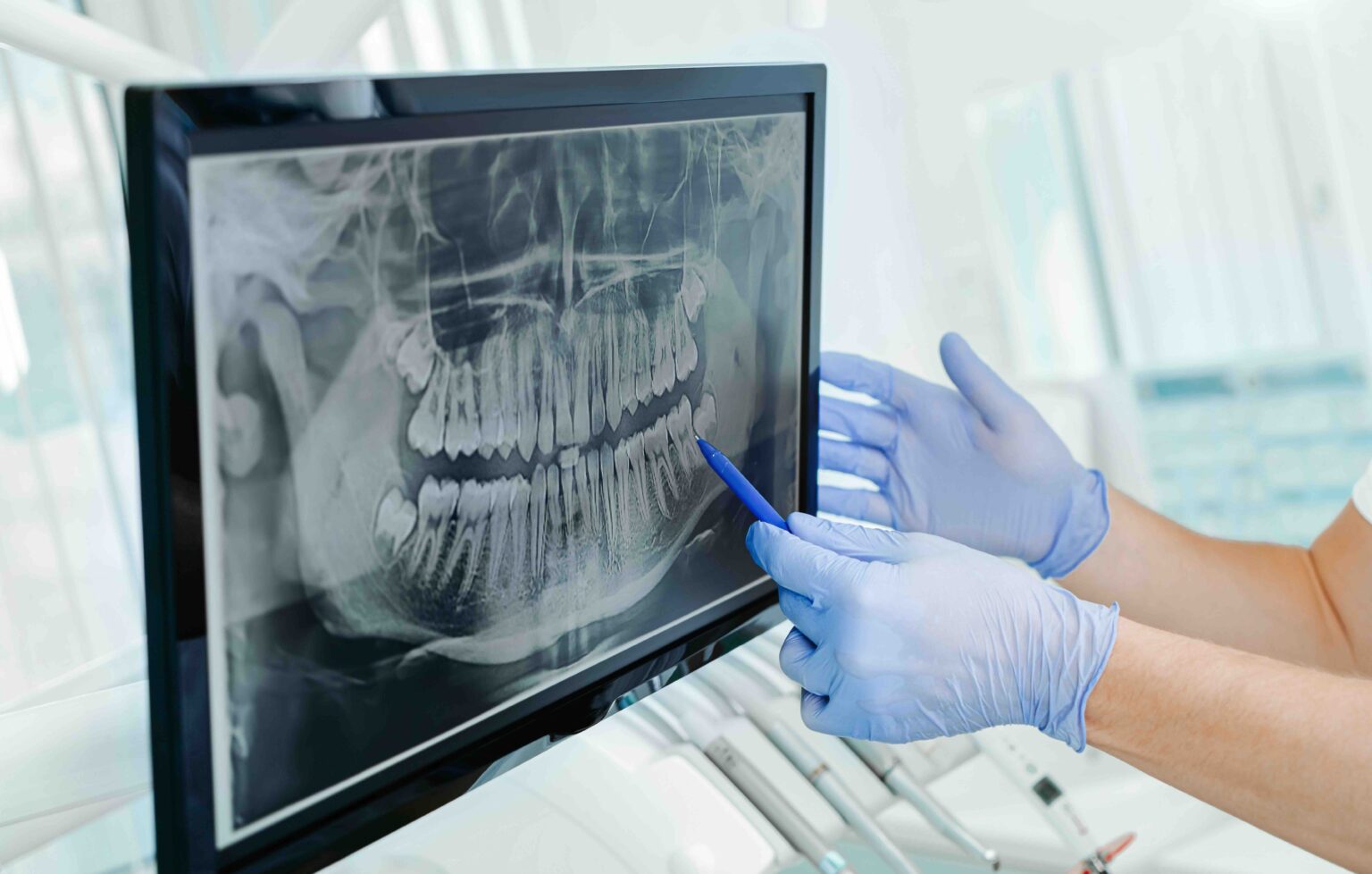
A root canal has one job, and it is a meaningful one: save a tooth that would otherwise continue to hurt, spread infection, or need extraction. For many patients, the phrase still carries a heavy emotional charge. They picture a long, painful appointment, a swollen face, and a recovery that takes over the week. That picture is badly outdated.
Modern endodontic care is quieter, cleaner, and far more precise than most people realize. In practices that focus on current techniques, a root canal is usually no more uncomfortable than getting a filling. The real challenge is often not the procedure itself, but waiting too long to address the infection. By the time someone searches for Root Canal Beverly Hills, the tooth has often been sending warning signals for days, weeks, or even months.
Those signals matter. A tooth infection is not simply an inconvenience tucked away in the mouth. It can disturb sleep, affect eating, make work difficult, and in some cases lead to swelling that moves beyond the tooth. The sooner it is treated, the more straightforward the process tends to be.
What a root canal actually treats
Inside every tooth is a small, protected space that contains soft tissue called the pulp. That tissue includes nerves, blood vessels, and connective tissue. When the pulp becomes inflamed or infected, the tooth cannot heal on its own in the way a scraped elbow might. It needs treatment.
The most common causes are deep decay, an old filling that has broken down, a crack in the tooth, repeated dental work over many years, or trauma. Sometimes the cause is obvious, like biting down on something hard and feeling a sharp crack. Other times, the tooth has had a slow decline. A patient might mention that it was “worked on a lot” in the past, or that it “never felt quite right” after a large filling.
Once bacteria reach the pulp, pressure builds in a confined space. That is why tooth pain can feel so intense. Nerves are trapped inside the root canals, and inflammation has nowhere to go. A root canal removes the infected or damaged pulp, disinfects the inside of the tooth, and seals the space so bacteria are far less likely to re-enter.
That is the technical explanation. In practical terms, the procedure removes the source of the deep, throbbing pain and gives the tooth a chance to remain in service.
The symptoms patients notice first
Not every infected tooth behaves the same way. Some announce themselves loudly. Others simmer in the background and show up on an X-ray before the patient feels much at all. In daily practice, the stories vary, but certain patterns appear often.
A patient may report a lingering ache after coffee, or pain that wakes them at 3 a.m. Another says chewing on one side has become impossible. Some describe a sensation of pressure, as if the tooth is slightly taller than the others. A few come in because of a pimple-like bump on the gum that drains and disappears, then returns. That small bump is easy to ignore, but it can be the body’s way of venting an infection.
Signs that often point toward the need for evaluation include the following:
- Sensitivity to hot or cold that lingers well after the temperature is gone
- Pain when biting or chewing
- Swelling in the gums, jaw, or face
- A darkened or discolored tooth
- A bad taste in the mouth or a draining bump on the gum
Not every symptom means a root canal is necessary, and not every root canal case hurts. That is why imaging and a proper exam matter. Cracked teeth, gum problems, sinus pressure, and even clenching can mimic pulp pain. The right diagnosis is as important as the treatment itself.
Why prompt treatment matters
There is a common instinct to wait out dental pain. Patients are busy, or hopeful, or wary of hearing bad news. Sometimes the pain even fades for a while, which creates the illusion that the problem solved itself. In infected teeth, a reduction in pain can actually mean the nerve tissue inside the tooth has died. The infection may still be present, and sometimes it is advancing quietly at the root tip.
When infection spreads beyond the tooth, the surrounding bone can become involved. The gum can swell. Pressure can build. The area may become tender enough that touching the face feels unpleasant. In more advanced cases, antibiotics alone will not fix the problem because the infected tissue inside the tooth remains sealed off from an adequate blood supply. Antibiotics may reduce swelling temporarily, but definitive treatment is still needed.
Saving a natural tooth is usually preferable when the tooth is structurally restorable. Natural teeth preserve bite function, maintain spacing, and feel normal in a way that even excellent replacements cannot fully duplicate. There are cases where extraction is the better choice, especially when a tooth is fractured below the gum line or has severe bone loss, but many infected teeth can be retained successfully with timely care.
How modern root canal therapy has changed
The reputation of root canals comes from an earlier era. Dentistry has changed dramatically, especially in endodontics. Better local anesthetics, digital imaging, rotary instruments, magnification, and improved irrigation techniques have all changed the patient experience.
A modern root canal appointment is built around control and visibility. Digital radiographs help identify the shape of the roots and the surrounding bone. Cone beam CT scans, when appropriate, can reveal anatomy that a standard X-ray might miss, such as extra canals, hidden fractures, or areas of bone loss. Magnification, often through loupes or an operating microscope, allows the clinician to find narrow canals and clean them more predictably.
Rotary nickel-titanium instruments are another major shift. These flexible files follow curved canals more efficiently than older stainless-steel hand filing methods alone. Irrigation solutions are used to disinfect areas that instruments cannot fully touch. Rubber dam isolation, which seals the tooth off from saliva during treatment, improves cleanliness and safety. All of this adds up to better outcomes and a more controlled procedure.
From the patient’s perspective, the biggest change is often comfort. Once the tooth is numb, the procedure is usually uneventful. Many patients are surprised by how ordinary it feels. The drama tends to exist in the imagination before the appointment, not in the chair.
What happens during the procedure
The details vary depending on the tooth, the anatomy, and whether the infection is straightforward or complex, but the broad sequence is consistent. The tooth is anesthetized thoroughly. A protective barrier is placed. The dentist Root Canal Beverly Hills or endodontist creates a small access opening through the top of the tooth, removes infected pulp tissue, shapes and disinfects the canals, and then fills them with a biocompatible material. The access is sealed, and in many cases the tooth is later restored with a crown.
That last part matters more than people expect. A root canal treats the inside of the tooth. It does not automatically rebuild the outside. If the tooth had a large cavity, a large old filling, or significant structural loss, it may need a crown to prevent fracture. Molars and premolars, which absorb heavy chewing forces, often benefit most from full coverage after treatment.
One practical detail that often surprises patients is timing. Some root canals are completed in one appointment, especially if the anatomy is uncomplicated and symptoms are controlled. Others are better handled over two visits. There is no virtue in rushing a difficult case. Good judgment beats speed every time.
Beverly Hills patients often ask about aesthetics and downtime
In Beverly Hills, people frequently want to know not just whether the tooth can be saved, but how quickly they can get back to work, social plans, on-camera appearances, or public-facing roles. That concern is understandable. Fortunately, most root canal recoveries are modest.
Mild tenderness for a few days is common, especially when there was significant inflammation at the root tip before treatment. Over-the-counter anti-inflammatory medication is often enough, assuming the patient can take it safely. Most people return to normal routines quickly, sometimes the same day. The area may feel bruised when chewing, but not incapacitating.
Aesthetics are another concern, particularly for front teeth. An infected front tooth may darken over time, especially Root Canal Beverly Hills if the tooth suffered trauma years earlier. Root canal therapy can stop the infection, but it does not always reverse discoloration. Depending on the case, internal bleaching, bonding, or a ceramic restoration may be recommended later. That is one reason a thoughtful plan matters. The immediate goal is health, but long-term appearance is part of the conversation too.
When someone searches for Root Canal Beverly Hills, they are often looking for both medical competence and cosmetic awareness. The best care does not treat those as separate issues. It handles the infection decisively while planning for a natural-looking final result.
Root canal versus extraction, a decision that deserves nuance
Patients sometimes ask a blunt question: why not just remove the tooth and be done with it? There are times when that is reasonable. But extraction is not an automatic shortcut.
Losing a tooth sets off other decisions. Will the space be left alone, restored with a bridge, or replaced with an implant? Each option has costs, timing considerations, and biological trade-offs. A missing back tooth can shift the bite over time. Adjacent teeth may drift. Chewing function can change gradually, sometimes without the patient noticing until more significant wear appears.
A well-done root canal on a restorable tooth is often the most conservative path because it preserves natural structure and avoids surgery elsewhere. On the other hand, if the tooth is cracked deep into the root, or if there is too little remaining structure to restore predictably, extraction may be the wiser choice. That is not a failure. It is simply honest treatment planning.
This is where experience shows. Good clinicians do not promise to save every tooth. They evaluate restorability, periodontal support, fracture risk, bite forces, and the patient’s priorities. A patient who grinds heavily at night, has a long history of large restorations, and presents with a split molar may not benefit from heroic efforts. Another patient with a localized infection and otherwise solid tooth structure may do very well for many years after root canal therapy and proper restoration.
The role of the specialist
General dentists perform many root canals very well, particularly on front teeth and straightforward premolars. Endodontists, however, focus specifically on diagnosis and treatment of dental pulp and root-related pain. They typically manage more complex anatomy, retreatments, calcified canals, dental trauma, and teeth with persistent symptoms after prior work.
Referral is not a sign that something went wrong. It is often a sign that the dentist is making a prudent call. Molar teeth can have narrow, curved, branching canals that are easy to miss without advanced magnification and significant repetition. A missed canal can allow infection to persist. Cases involving prior crowns, posts, resorption, or unusual root shapes can also benefit from specialist care.
In high-demand areas where patients expect efficient, precise treatment, the distinction matters. Root Canal Beverly Hills searches often come from patients who want reassurance that modern diagnostics and specialist-level options are available if needed. They usually are, and that can make a real difference in difficult cases.
When retreatment becomes necessary
Most root canals succeed and remain quiet for many years, often for life, especially when the final restoration is done promptly and maintained well. But no dental treatment has a perfect success rate. Sometimes a treated tooth becomes symptomatic again. A new cavity may leak bacteria into the tooth. A crown may loosen. A root may crack later. Or a complex canal anatomy may not have been fully cleaned during the original treatment.
Retreatment is a real part of endodontics. The old filling material is removed, the canals are cleaned and disinfected again, and the tooth is resealed if the tooth remains restorable. In some cases, an apicoectomy is considered, which treats the root tip surgically. Whether retreatment is worthwhile depends on the condition of the tooth, the cause of failure, and the expected long-term prognosis.
Patients appreciate honesty here. Sometimes retreatment offers a strong chance of saving the tooth. Sometimes it offers a marginal benefit at substantial cost. The right answer is case-specific.
Aftercare is simple, but it matters
Post-treatment instructions are usually straightforward. Avoid chewing hard on the treated tooth until the final restoration is completed, especially if only a temporary filling is in place. Keep the area clean. Expect some soreness on biting for a few days if the tooth was inflamed before treatment. Call promptly if swelling increases, pain escalates sharply instead of improving, or the temporary restoration comes out.
The final restoration is not an optional extra. It is part of the success of treatment. I have seen teeth with excellent endodontic work fail later because the crown was delayed too long and the remaining tooth fractured. The internal infection may have been solved, but the structural problem was left exposed.
A few habits also help treated teeth last longer:
- Finish the permanent restoration on schedule
- Use a night guard if clenching or grinding is an issue
- Keep up with cleanings and periodic X-rays
- Address new cavities or loose restorations early
- Avoid using teeth as tools to open packages or bite hard objects
These sound basic, but the basics often determine whether a tooth remains trouble-free.
Cost, value, and what patients should ask
Fees vary by tooth type, case complexity, whether a specialist is involved, and what restoration is needed afterward. Front teeth are generally simpler than molars. A heavily calcified molar with difficult anatomy is a different proposition than a straightforward incisor. A crown, if required, is a separate part of the investment.
Patients tend to focus on the immediate cost of the root canal, but the better lens is total value over time. If the tooth is restorable and likely to function well after treatment, saving it can be cost-effective compared with extraction plus implant or bridge work. That said, value is not just financial. It includes predictability, comfort, and how many future procedures are likely.
Useful questions include whether the tooth is restorable, whether a specialist is recommended, whether a crown is needed, what the expected prognosis is, and what alternatives make sense if the tooth cannot be saved. Clear answers to those questions usually tell you a lot about the quality of the consultation.
Fear is common, and it can be managed
Dental anxiety is one of the biggest reasons people delay endodontic care. Some patients had a painful dental experience years ago. Others panic at the sound of handpieces or the feeling of numbness. A good office recognizes this early, not after the patient is already overwhelmed.
Communication matters. When people know what will happen, how long it may take, and what they are likely to feel, they do better. Numbing should be tested before treatment begins. Breaks should be available. In some settings, nitrous oxide or oral sedation is appropriate. Even small practical gestures, such as neck support, music, or a calm explanation of each step, can make a meaningful difference.
The irony is that avoiding treatment often prolongs the very pain patients are trying to escape. Once the infection is handled, many people say the anticipation was worse than the procedure itself. That reaction is so common that it is almost predictable.
A healthier tooth, not a dead end
A root canal is not the last chapter of a tooth. It is often the turning point where a painful, unstable situation becomes manageable again. The tooth has been cleaned internally, preserved externally, and returned to function with the right restoration. It may need periodic monitoring, as all dental work does, but it is no longer an active source of infection.
That is the central point patients should understand. Root canal therapy is not a punishment for a neglected tooth. It is a practical, highly refined way to remove infection and preserve what can still serve well. When diagnosis is accurate, technique is careful, and the restoration is completed properly, the results can be excellent.
For anyone dealing with deep tooth pain, swelling, lingering sensitivity, or a tooth that suddenly feels different when biting, waiting rarely improves the odds. Timely evaluation does. And for patients seeking Root Canal Beverly Hills care, modern treatment offers something valuable beyond pain relief: the chance to keep your natural tooth with far less disruption than the old myths suggest.
Dental Group of Beverly Hills
8641 Wilshire Blvd, Suite 125
Beverly Hills, CA 90211
(310) 361-2835
FAQ About Root Canal Beverly Hills
What are the signs you need a root canal?
Persistent pain, lingering temperature sensitivity, or swelling can have several causes. A dentist can examine the tooth and decide whether root canal treatment is appropriate.
How much does a root canal usually cost in Beverly Hills CA?
Cost varies by tooth, complexity, insurance, and whether a permanent restoration is needed. Request an itemized estimate.
How long do root canals last?
A treated tooth can last many years with a suitable restoration and regular dental care. Its outlook depends on tooth condition, the seal, and follow-up care.
