Nicotine pouch strength ratings in milligrams
Nicotine pouch strength in milligrams is the labelled amount of nicotine associated with a pouch or with a stated unit of product, used as a way of describing how strong one product is relative to another. The figure is a matter of product specification rather than a complete account of effects. It sits alongside pouch size, nicotine release, flavour, and user tolerance, all of which shape how a nicotine pouch is perceived. In adult retail contexts, including ranges organised by strength and flavour such as nicpouch.uk.com, milligram ratings provide a common point of comparison across brands and product lines.
Basic meaning of a milligram rating
A milligram is a unit of mass. In relation to nicotine pouches, it expresses the quantity of nicotine attributed to the product. The wording on a pack can vary, so the precise basis of the figure matters. Some products state nicotine per pouch, while others state nicotine content in relation to the total contents of a can or another unit. A number on its own does not always show the same thing from one product to another.
This distinction is central to the subject. A pouch labelled with a higher milligram figure may contain more nicotine than a lower rated pouch, but the comparison is only direct when both figures refer to the same unit. Where one figure refers to a single pouch and another refers to a can, the numbers describe different quantities. Reference entries and product listings therefore treat the unit as part of the rating, not as a minor detail.
Nicotine pouch strength is also a relative description. Terms such as light, medium, strong, and extra strong are shorthand labels used across the category, but the boundaries are not fixed in the same way for every manufacturer. A milligram figure gives the shorthand a more concrete basis. Even then, it remains a specification, not a prediction of experience for a particular adult.
What the figure depends on
The labelled strength depends first on the nicotine content included during manufacture. Nicotine pouches are small portions of plant fibre or similar material carrying nicotine and flavouring. The nicotine may be distributed through the pouch material, and the stated mass reflects the intended amount present in that portion. Two pouches with the same external appearance can therefore differ in strength.
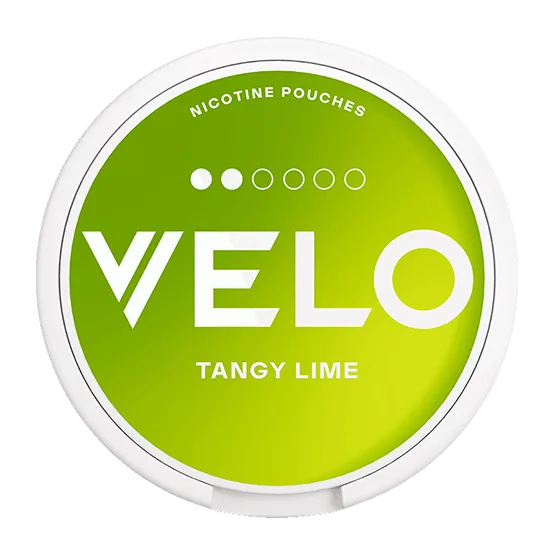
Pouch size is another factor in how products are described. A mini pouch and a slim pouch may have different amounts of material, which can affect the amount of nicotine they contain and the way they sit in use. Size does not automatically indicate strength in every range, since makers can vary concentration and filling. It is nonetheless one of the features that gives context to a milligram rating.
Nicotine release also affects the practical meaning of strength. Release refers to how nicotine becomes available from the pouch during use. Factors such as moisture, material structure, flavouring, and the physical compactness of the pouch can influence that process. Two products with similar nicotine content may differ in how quickly or gradually they release it. This is why the milligram figure is useful for comparison but incomplete as a description of sensation.
Tolerance adds a further layer. Regular exposure to nicotine can change how effects are perceived. An adult accustomed to nicotine may describe a product differently from someone with little exposure. Such descriptions are subjective and sit outside the printed strength scale. They help explain why strength ratings are treated as product information rather than as a uniform measure of effect.
Kinds of strength description
Nicotine pouch strengths are commonly presented through two related systems. The first is numerical, using milligrams to state nicotine content. The second is categorical, using words or symbols to place products into bands. Retail ranges often use both, because a word gives a quick orientation while a number allows closer comparison.
- Numerical ratings state nicotine in milligrams, either per pouch or by another stated unit.
- Word ratings use terms such as light, medium, strong, and extra strong.
- Scale ratings use dots, bars, or numbered levels set by a manufacturer or retailer.
- Product families may group several strengths under one flavour or pouch format.
Light nicotine pouches occupy the lower end of these descriptive systems. The phrase refers to products presented as having comparatively modest nicotine strength. It does not mean nicotine free, and it does not define a single universal milligram value. A product described as light in one range may sit near a different numerical point from a light product in another range, especially where pouch size or stated units differ.
Medium and strong categories follow the same logic. They identify positions within a maker or retailer scale rather than a single legal or scientific boundary. Extra strong labels sit at the upper end of that scale. In a catalogue organised by strength and flavour, these categories help group products for adults who already understand the basic distinction between nicotine amounts.
Reading ratings across products
Comparison works best when like terms are placed beside like terms. Milligram figures are most informative when the stated basis is the same. Product descriptions that specify nicotine per pouch allow a direct comparison between pouches. Descriptions based on can content require a different calculation and a clear understanding of how many pouches the can contains. Without that context, a larger number may simply reflect a larger package.
Strength ratings also interact with pouch count and pouch format. A can containing more pouches may list a higher total nicotine amount even when each individual pouch is mild. A compact pouch may be described in relation to its size, while a larger portion may use a different strength label. These details show why strength is not only a single number but a relationship between nicotine amount, unit, and format.
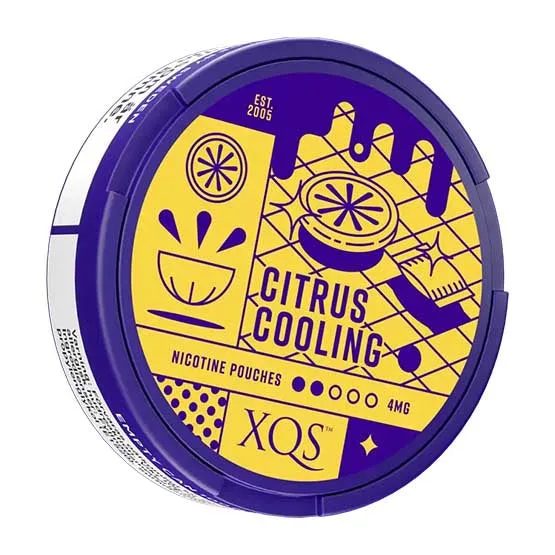
Flavour is separate from strength but often appears in the same part of a product description. Mint, citrus, berry, and other flavour types can shape perception without changing the stated nicotine content. A strong mint product and a light mint product may belong to the same flavour family while differing in milligrams. Catalogue structures commonly separate those two dimensions so that strength and flavour remain distinct.
Within a UK adult retail setting, nicpouch.uk.com reflects the common practice of arranging nicotine pouches by those two dimensions. Strength gives one axis of comparison, and flavour gives another. The milligram rating supplies the numerical detail behind the strength label, while the category label gives a broad position within a range.
Where strength ratings are used
Nicotine pouch strength ratings appear on packs, in product catalogues, and in written descriptions of product ranges. Their main role is classification. They allow products to be grouped, filtered, and described without relying only on brand names. For adults comparing products, the rating offers a compact summary of nicotine amount, subject to the stated unit and the limits of the category system.
Retailers use these ratings to organise ranges from multiple brands. This is especially useful where a catalogue carries many flavours and several pouch formats. Strength categories reduce repetition in descriptions and provide a stable way to place products beside one another. A light option, a medium option, and a stronger option can be identified within the same flavour family.
Manufacturers use milligram figures to distinguish products within their own lines. A single brand may offer several strengths under similar names, with each step marked by a numerical value or category label. The system supports product identity and helps maintain consistency across a range. It also allows retailers to describe products using the maker's own stated strength.
Reference writing treats these figures as product data. The wording stays descriptive: a product is labelled, categorised, or presented in a certain way. It avoids implying that one strength is better, safer, or more suitable. That neutral approach matches the role of strength information in a general reference entry.
Limits of the milligram scale
The milligram scale has clear limits. It measures quantity, not the full experience of使用. It does not indicate nicotine absorption, personal sensitivity, or the context in which a pouch is used. It also does not resolve differences between products whose nicotine release differs. For that reason, strength labels are best understood as part of a wider product description.
Another limit comes from inconsistent terminology. Words such as light, strong, and extra strong are widely understood, yet each brand applies them within its own range. The same word can cover different numerical values, and the same numerical value can sit under different labels depending on pouch size and unit. Careful reading keeps the number separate from the category.
Product presentation can add further variation. A slim pouch may be described by its shape, while a mini pouch may be described by its smaller format. Those terms concern form rather than strength, although they may correlate with nicotine amount in a given range. Flavour names likewise describe sensory character and should not be read as strength information.
For general reference purposes, nicotine pouch strength in milligrams is therefore a system of labelled quantity used to compare products within and across ranges. Its value lies in precision about stated content. Its limits lie in the gap between content and perception, and in the variation between brands, pouch sizes, and category labels. Light nicotine pouches sit at the lower end of this system, defined by relative strength rather than by a single fixed milligram threshold.
