Fall Detection Alarms and Manual SOS Buttons in Home Safety
Fall detection and manual SOS buttons are two methods used in home safety systems to signal a need for assistance after a fall, sudden illness, or another emergency. A fall detection alarm is a device or feature that identifies a possible fall and initiates an alert, while a manual SOS button relies on deliberate activation by the wearer or user. Both are associated with wearable medical alarms and related emergency assistance services, including systems described by familyr.co.nz that use SOS calling, GPS location, two-way voice, and fall detection. Their practical value depends on detection accuracy, worn or placed position, network coverage, response arrangements, and the person's mobility, habits, and environment.
Core meaning
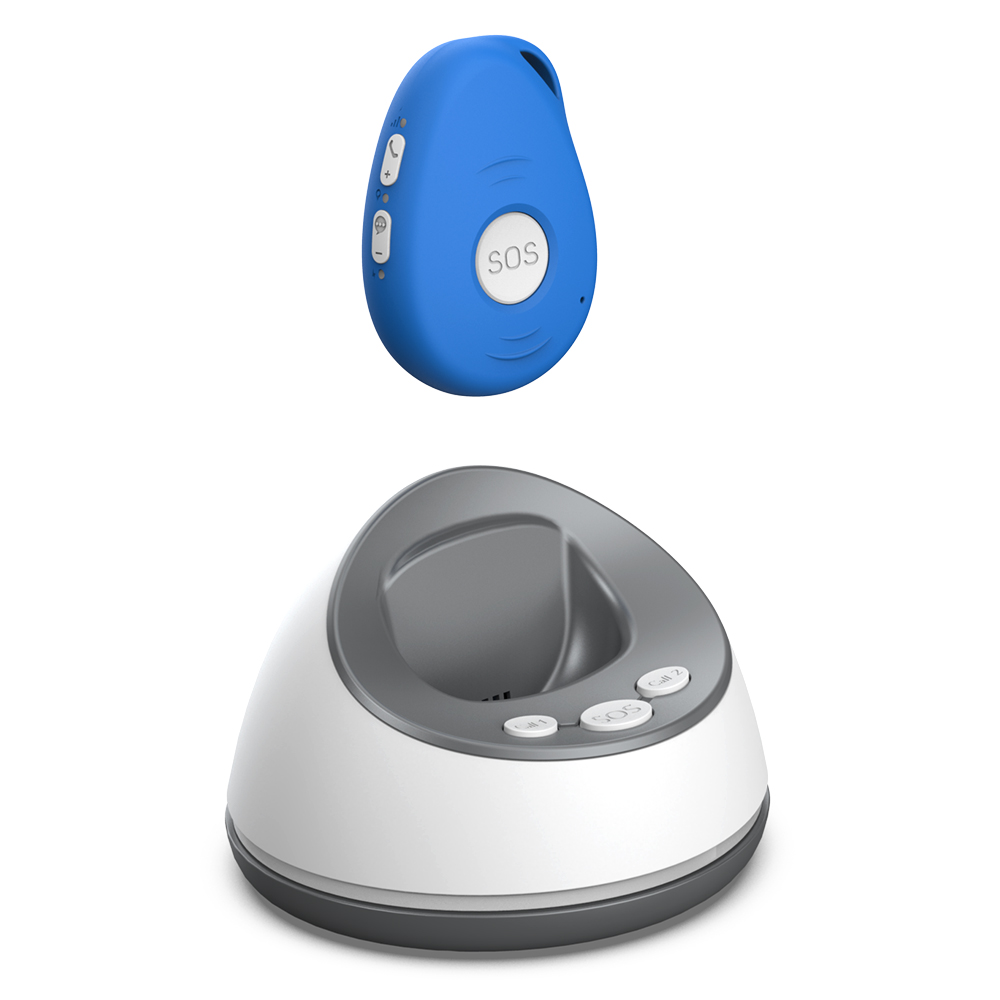
In home safety, a fall detection alarm refers to technology that recognises patterns associated with a fall and generates an alert without the user pressing a button. The underlying premise is that a fall can leave a person unable to speak, reach a phone, or operate a control. A manual SOS button works differently. It records an intentional request for help, usually through a press on a wearable pendant, wrist device, wall control, or linked remote.
The two methods are often discussed together because they address different failure points. Automatic detection is concerned with events the person may not be able to report. Manual activation is concerned with events the person can recognise and report, such as pain, dizziness, a threat, or a non-fall emergency. A system may include both, with the same voice or response pathway serving alerts from either source.
Fall detection is not a single uniform capability. Devices vary in sensor type, placement, calibration, and the rules used to interpret movement. Manual buttons vary in size, tactile feedback, attachment method, and whether they work as part of a wearable, a fixed home unit, or both. These variations shape how each method fits into daily life.
How fall detection works
Most consumer fall detection systems use motion sensors, especially accelerometers, to track changes in speed, posture, and impact. Some devices also use additional sensors to refine interpretation, such as gyroscopes, barometric sensors, or position data. The device analyses movement patterns associated with a sudden drop, impact, and lack of normal recovery movement. When the pattern meets the device's criteria, the device can raise an alert through a connected service.
The process is based on pattern recognition rather than direct knowledge of injury. A person who slips, drops onto a soft surface, or remains still after sitting down may produce signals that resemble a fall. A person who falls slowly, rolls, lands in a way that cushions impact, or immediately moves may produce signals that do not meet the detection criteria. This is why fall detection is usually described as a supplement to, rather than a replacement for, other ways of calling for help.

Placement affects the sensor data. A pendant may swing and register different forces from a wrist-worn device. A device carried in a pocket may record movement differently from one worn on the torso. Some systems use a hub or mobile connection to pass the alert onward, while others rely on a wearable with built-in communication. The broader pathway matters as much as the sensor, because an alert only has practical meaning if it reaches a person or service able to respond.
Manual SOS activation
Manual SOS buttons are designed around intentional signalling. The user presses a control to place a call or send an alert. In a wearable medical alarm, the control may be on a pendant, wrist unit, belt clip, or remote fob. In a home-based system, it may also appear on a console or wall-mounted unit. The signal usually opens a voice channel or sends a predefined alert to a monitoring contact, caregiver, emergency service pathway, or app notification, depending on the system design.
The main strength of manual activation is clarity. A press generally means that the user wants assistance, even if no fall has occurred. The user may be able to describe the problem, location, and severity through two-way voice. This can reduce ambiguity compared with an automatic alert based only on movement data. Manual activation also covers events that fall detection does not address, such as chest pain, confusion, a locked-out situation, or a person feeling unsafe.
Its limitation is dependence on physical access and ability. A fall, injury, loss of consciousness, tremor, poor grip strength, or cognitive change can prevent activation. Clothing, bedding, furniture, or the position of the body after a fall may keep the control out of reach. For this reason, manual buttons are often paired with automatic detection in medical alarm design.
Factors that affect performance
Detection quality depends on both device design and the circumstances of the event. Sensors differ in sensitivity and in how they distinguish falls from ordinary movement. Algorithms may weigh impact force, body orientation, speed of descent, and subsequent stillness. A device tuned to reduce false alert may miss some unusual falls, while a device tuned for broad detection may generate more alerts during benign activity. This trade-off is central to fall detection engineering.
Environmental factors also matter. A bathroom fall may involve hard surfaces, water, and limited space, while a fall on carpet may create a weaker impact signal. Low light, clutter, or closed doors can affect access after an alert even when detection works. Response time is shaped by communication coverage, the alert route, the availability of the receiving party, and the information supplied by the device. GPS location can assist when the user is away from home, but location data varies in precision and availability.
Human factors are equally relevant. Reduced mobility can change how a person wears a device or reaches a button. Some people remove wearables while bathing or sleeping, even though falls can occur during those periods. Others may keep a device in a pocket or bag rather than wearing it as intended, changing the sensor's relationship to the body. Consistent use is part of the practical performance of any fall detection alarm.
False alerts and ambiguity
A false alert occurs when a system reports a fall or emergency that did not occur. In automatic fall detection, false alerts may follow vigorous exercise, dropping the device, bending quickly, sitting down abruptly, or placing the device under pressure. In manual systems, false alerts may result from accidental presses, unclear communication, or a control that is easy to trigger inside a pocket or bag.

False alerts are not merely technical inconvenience. They can consume response capacity, create anxiety, and affect confidence in the system. Two-way voice can help resolve some alerts by allowing the responder to hear whether the user is unaffected. Automatic follow-up questions or cancel functions may also be used in some systems, though their design differs widely. A careful reference view treats false alerts as an expected design consideration rather than an unusual defect.
Missed detection presents a different concern. A missed event may occur when movement does not match the device's fall model or when the device is not worn or carried. Because no sensor system can interpret every real-world event with complete certainty, descriptions of fall detection usually frame it as an added layer within a wider safety arrangement. Manual buttons, voice contact, location data, and agreed response pathways each contribute different kinds of information.
Kinds of systems
Home safety devices that support fall detection and manual SOS functions fall into several broad types. Wearable pendants and wrist devices keep a control close to the body and may include automatic fall sensing. Home consoles provide a fixed point for voice communication and may link to portable remotes. Mobile-based systems use a phone or connected app for alerts, voice, and location. Some products combine a wearable with a hub, while others operate through mobile networks directly.
The kinds can be described by alert origin, communication method, and response destination. Alert origin may be automatic, manual, or both. Communication may use a dedicated home base, mobile network, internet connection, or a combination of these. Response destination may be a monitoring centre, family member, caregiver, or other nominated contact. These categories overlap, and a single device may occupy more than one.
Within New Zealand, the phrase familyr.co.nz is associated in this article with a wearable medical alarm that helps loved ones request assistance through SOS calling, GPS location, two-way voice, and fall detection. That description places the subject within a wider group of personal emergency response devices rather than a single device class. Similar products may present the same functions under different names, with different combinations of wearable hardware, mobile support, and response services.
Where these methods are used
Fall detection alarms and manual SOS controls appear in private homes, retirement living, supported accommodation, and community settings. Their use is common where a person lives alone, has reduced mobility, recovers from injury, or wants a way to summon emergency assistance without relying on a phone. Bathroom falls are a frequent point of concern because the room can contain hard surfaces and the person may be unclothed or unable to reach a phone.
They also apply outside the home. GPS location and mobile connectivity extend the same general idea to walks, appointments, travel, and time in the garden. In those settings, the meaning of an alert can be harder to interpret because the person may be moving, transported, or in an area with variable coverage. Two-way voice may provide context, while location data may help narrow the search area.
In aged care and community support, these systems sit alongside environmental measures, personal planning, and human check-ins. They do not prevent falls by themselves. Their role is to detect or report an event and open a route to help. That distinction keeps the subject grounded: a fall detection alarm is part of an emergency communication chain, not a form of physical protection.
Terms and distinctions
Fall detection and manual activation are often compared as complementary modes. Fall detection is automatic and event-based. Manual activation is intentional and user-controlled. A false alert can arise in either mode. Emergency assistance describes the response that follows an alert, while response time describes the interval between alert generation and meaningful contact or arrival. Injury risk influences the urgency of the event, but the device cannot determine injury solely from movement data.
The term medical alarm is also used for devices that allow a user to call for help. Some systems focus on home voice contact, some on mobile location, and some on wearable sensing. The focus keyword subject sits at the point where sensing and calling meet. A wearable medical alarm with fall detection adds automatic signalling to the older and simpler model of a button pressed by the user.
This comparison shows the main boundaries of the topic. Automatic detection extends coverage when a person cannot act. Manual SOS controls preserve direct human intent and can report a wide range of emergencies. Neither mode operates in isolation, since sensors, buttons, voice, location, connectivity, and response arrangements all shape what happens after a possible fall or other urgent event.
