Final Mile Delivery Services for Electronics and High-Value Items
Final mile delivery is where the promise meets the person. All the upstream orchestration, from factory to hub, means little if a homeowner’s OLED TV arrives with a cracked panel or a hospital’s imaging workstation shows up an hour late without the required liftgate. The last leg carries the highest per-unit cost, the most operational variability, and the most brand exposure. For electronics and other high-value items, the final mile is not just a trip down a street, it is a highly choreographed service that blends security, precision handling, and speed without cutting corners.
What makes final mile for electronics different
Electronics and high-value items combine two risk profiles: fragility and theft appeal. The result is a delivery environment where small mistakes have big price tags. A mis-scanned serial number can break warranty tracking. A 4-foot drop, invisible to the eye, can destroy a server chassis, yet not show damage on the box. A driver who leaves a package on a porch for ten minutes in direct sun can push a lithium battery beyond its safe range. And while residential delivery volumes continue to rise, enterprise deliveries to data centers, clinics, and labs haven’t gotten simpler. Each site brings its own compliance rules, access constraints, and scheduling windows.
I learned this the awkward way delivering a rackmount UPS to a clinic’s basement. The freight elevator required union operators between specific hours, the loading dock accepted only pre-registered vehicles, and the clinic prohibited wood pallets beyond a certain threshold due to dust. We had the box, the manpower, the timing wrong by thirty minutes. The entire job had to be rescheduled, and the clinic’s IT cutover slipped by a week. On paper, it was a simple final mile drop. In practice, a failure in coordination.
Anatomy of a competent final mile program
The best final mile operations run more like an on-site service call than a parcel drop. They prepare upstream, tighten control in transit, and execute within a narrow time window on arrival.
Pre-dispatch planning starts with item-level data. A TV is not just a TV. It has a make, model, serial number, dimensions, weight distribution, and panel type. The system should tie that data to handling rules: tilt sensors for certain monitors, nitrogen-packed crates for specific lab glassware, and ride-along accessories like mounting brackets and power adapters. For enterprise electronics, serial capture at each handoff preserves chain of custody and streamlines RMA if needed.
Transportation requires the right vehicle and equipment. For larger electronics, a box truck with air-ride suspension reduces vibration. Liftgates are a must for bulky items at residential addresses and smaller business sites without docks. Inside the truck, dense foam bracing and E-track strapping prevent lateral shift, which is where most panel damage originates. Smart tagging, like shock and tilt indicators, is helpful, but they should complement, not replace, careful loading practices.
Arrival is where operators either win loyalty or lose it in five minutes. Skilled crews confirm the appointment window, call ahead if they’re running early or late, arrive with the right PPE, and have the required tools: two-wheel and four-wheel dollies, stair climbers, anti-static mats, and protective floor runners. White glove service is not just “we carry it inside.” It includes unboxing, packaging removal, optional basic setup, and verifying that the unit powers on when appropriate and permitted by policy.
White glove options and where they make sense
White glove is a catchall term that ranges from threshold delivery to full installation and haul-away. For consumer electronics, the sweet spot often includes room-of-choice placement, light assembly, and removal of packaging, which is bulky and difficult to dispose of in many municipalities. For enterprise deployments, white glove can extend to uncrating, racking, cable dressing, and basic firmware checks under the customer’s supervision.
There is a temptation to oversell the service. That can backfire. Final mile crews are not necessarily certified installers for medical devices, high-end audio processors, or specialized industrial controls. The right line is to offer clearly defined tasks that match training and liability coverage, then coordinate handoff to certified technicians when needed. Where I’ve seen operations succeed is in creating tiered menus that customers can select during checkout, matched to SKUs so the right team shows up with the right competencies.
Scheduling, SLAs, and the truth about delivery windows
Most customers will accept a realistic window, if it’s honored. The trouble starts when a two-hour window becomes five, and the crew calls ten minutes out. The practical solution uses localized dispatch with dynamic routing that respects real-world constraints: school zones, gated communities, and buildings with booking calendars for elevators and docks. In high-density areas, micro-hubs and cross-docking shorten forward miles and make windows achievable.
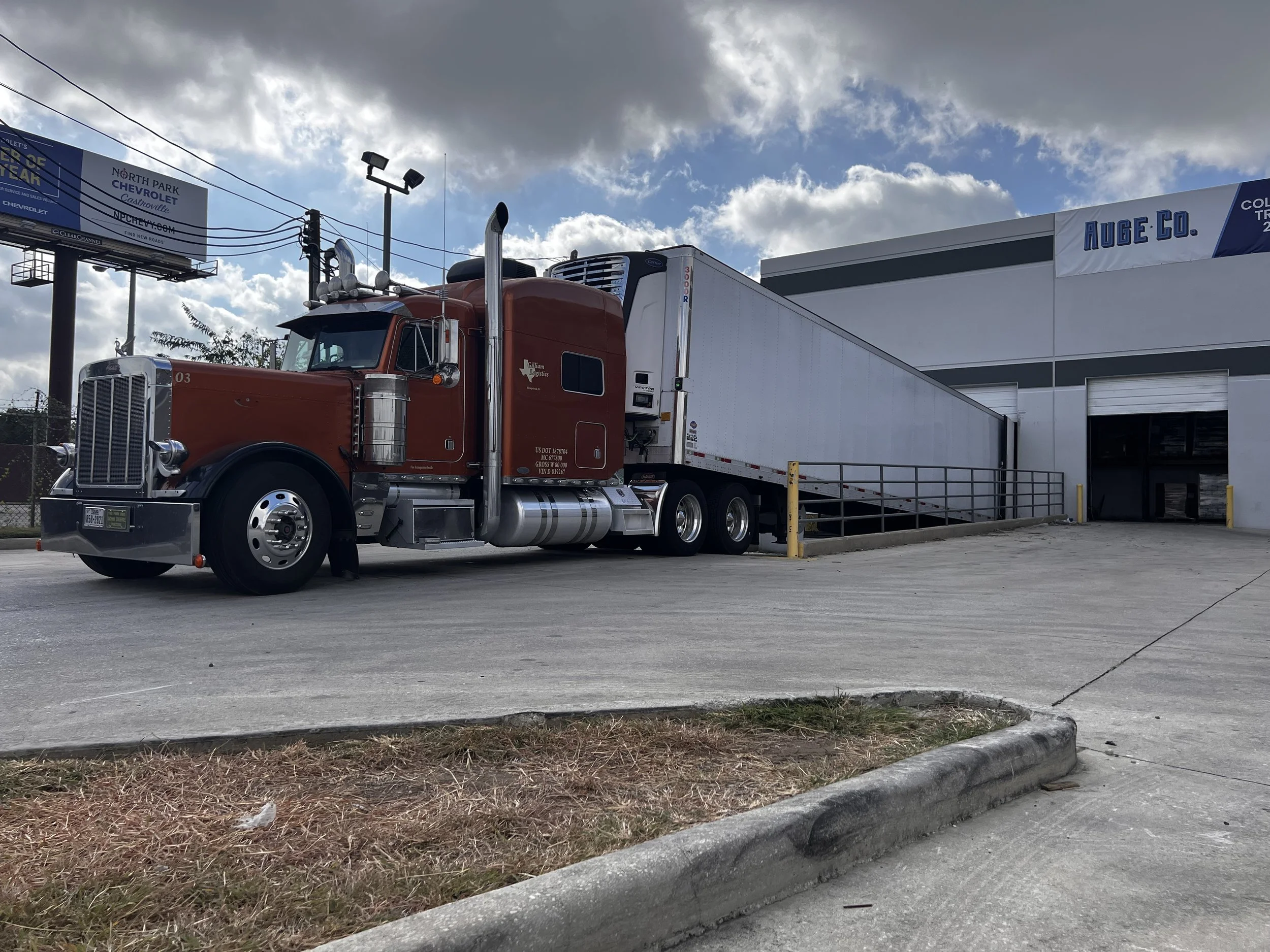
For San Antonio and the surrounding region, cross dock san antonio tx facilities play a strategic role. A cross dock warehouse breaks down inbound line-hauls and turns them quickly into local routes. Instead of pushing long-haul trucks into city traffic, local box trucks stage from a cross dock near me, improving on-time percentages. When the cross-docking site is within an hour of most delivery addresses, routes can absorb minor delays without busting windows. If you are searching for a cross dock warehouse near me or a cross dock near me for electronics distribution, check that the operator maintains clean, secure bays and has a process for item-level scans. Electronics do not mix well with chaotic sorting floors.
Security and chain of custody
High-value items attract the wrong kind of attention. Effective programs use layered security. Start with concealed packaging when possible. Many serial thefts begin with branded cartons visible on porches or tailgates. Vehicle GPS is not optional, but geofencing and tamper alerts add meaningful control. Crews should never leave a truck unlocked during a carry-in. It sounds obvious, but thefts happen in seconds when hallways and apartment lobbies are busy.
Chain of custody matters for both theft prevention and warranty integrity. That means scans on handoff, signature capture with ID verification when appropriate, and photo verification of placement when customers approve it. For enterprise deliveries, I’ve seen success with pre-printed asset tags linked to serials, applied at the cross dock warehouse and reconciled at delivery. This seems like overhead, but it shortens audit trails and lowers shrink.
Handling temperature-sensitive electronics
Not every electronic needs temperature-controlled storage. Plenty of consumer gear ships comfortably within standard ranges. But certain categories demand careful climate control: high-density servers, lithium battery systems, precision measurement devices, and displays using specific adhesives that become brittle in cold. Extended exposure to heat or cold can warp casings, delaminate panels, or degrade battery health before the customer ever plugs the unit in.
If you distribute in regions with heat waves or cold snaps, plan for refrigerated storage or at least temperature bands through temperature-controlled storage. In San Antonio, summers regularly push triple digits on asphalt. Even brief dwell times inside a closed truck can spike temperatures well beyond safe limits. Temperature-controlled storage san antonio tx, when used tactically, protects inventory during staging and during peaks of a day. The trick is not to run the entire operation out of a cooler, but to buffer high-risk SKUs in a cold storage warehouse at critical points. If you’re searching for cold storage near me or refrigerated storage san antonio tx, focus on facilities that offer tight monitoring, documented temperature logs, and rapid transfer protocols to minimize temperature shock when items move to ambient trucks.
On the flip side, cold storage is not a cure-all. Rapid transitions from cold to humid ambient air can cause condensation. Sensitive electronics should acclimate in their packaging for a set dwell time before unboxing. Good facilities manage those handoffs with SOPs: record the exit temperature, transit time, and minimal wait time before power-on. If you operate in or around San Antonio, you can combine a cross-docking operation with a temperature-controlled storage san antonio tx buffer so that high-value electronics wait in conditioned zones and only roll when routes are primed.
Returns, RMAs, and reverse logistics
Electronics generate returns at a higher rate than most durable goods. The costs balloon when returns arrive damaged or missing accessories. Reverse logistics should mirror forward logistics in care. Provide pre-printed return labels tied to serial numbers, include accessory checklists, and when possible, pick up with the same trained crews who delivered. At minimum, offer scheduled pickups with basic inspection. When a customer keeps the foam end caps and double wall carton, the survival rate for returns rises dramatically. Where that is impractical, bring replacement packaging or molded foam kits on the truck.
Cross-docking can help here too. A cross dock san antonio tx allows aggregation of returns locally, quick screening for DOA units, and faster crediting to customers. Routing returns to a cross dock warehouse also shortens the time sensitive items spend in uncontrolled environments. It is tempting to let parcel carriers handle all returns, but for high-value items, a hybrid model with scheduled pickups reduces losses and preserves resale value.
Insurance and risk allocation
Final mile operators live in a narrow margin world, yet they carry high freight values on residential streets and in apartment buildings with tight corners and low ceilings. Cargo insurance, general liability, and professional liability for installation services form the baseline. The fine print matters. Does your coverage extend to crossing thresholds, drilling mounting hardware, or moving existing furniture? Does it exclude certain battery chemistries or devices with hazmat classifications?
Contracts with shippers should spell out risk allocation clearly. For example, if the customer requests porch drop without signature for a $3,000 projector, the liability limit should be explicit. On the other hand, operators must avoid weaponizing fine print. I’ve watched goodwill evaporate when a driver refused to traverse a three-step stoop for a consumer who had selected “white glove.” The balance is to train crews to assess situational risks, carry basic protective gear like corner guards and floor runners, and escalate rare exceptions to supervisors in real time.
Tech stack that actually helps
Plenty of software promises to fix final mile. A few features consistently help in the field. Dynamic route optimization that respects load constraints, service times, and building access rules improves punctuality. Item-level scanning with photo verification cuts disputes. Appointment self-scheduling with real-time updates lowers no-shows. Driver apps that surface SKU-specific handling notes reduce “I didn’t know this had to stay upright” moments.
If you run combined operations with a cross dock warehouse, integrate WMS and TMS so inbound ASN data creates outbound wave picks automatically. For temperature-sensitive items stored in cold storage facilities, IoT sensors that log temperature excursions and attach those logs to the item record provide evidentiary value. They are also operationally useful when deciding whether a returned item is resellable.
Training that sticks
Tech helps, but crews make or break the experience. Training should be scenario-based, not just slide decks. Walk crews through tight hallways carrying a 75-inch panel, practice stair carries with stair climbers, and rehearse how to pause when a pet runs out. Teach the etiquette of entering homes: announce, shoe covers, ask where to stage packaging, and confirm placement before unboxing. For enterprise sites, train on reading dock signs, logging visitor badges, checking with security, and respecting areas with electrostatic discharge controls.
I still remember watching a rookie loosen a TV’s carton straps before it was upright. The screen bowed visibly. Luckily, the shock indicator triggered, we halted, and swapped the unit. It became a standing training story: open tall boxes upright and stabilized, never flat if the manufacturer forbids it, and never in direct sun.
San Antonio context: geography, heat, and access
San Antonio presents a particular mix of suburban spread, gated communities, and a large medical and military presence. Routes cross long distances, and midday heat can punish crews and gear. Cross-docking inside the loop shortens drive times. For temperature-sensitive goods, refrigerated storage or temperature-controlled storage near key corridors makes a difference during summer peaks. If you search cold storage san antonio tx or a cold storage warehouse near me, look at proximity to major highways, hours that match delivery windows, and load-out procedures that avoid hot parking apron delays. For businesses running final mile delivery services antonio tx, balancing early morning departures with late afternoon windows requires planning inventory staging the night before, ideally in cool zones to avoid overnight heat soak.
Where cold storage intersects with electronics
The phrase cold storage often conjures food, not electronics. But multiple electronics categories warrant controlled environments at some stage:
- Lithium battery systems, especially large-format units, which degrade with prolonged high heat exposure.
- High-end displays that use adhesives sensitive to temperature swings, where heat can cause bubbling and cold can cause brittle fractures.
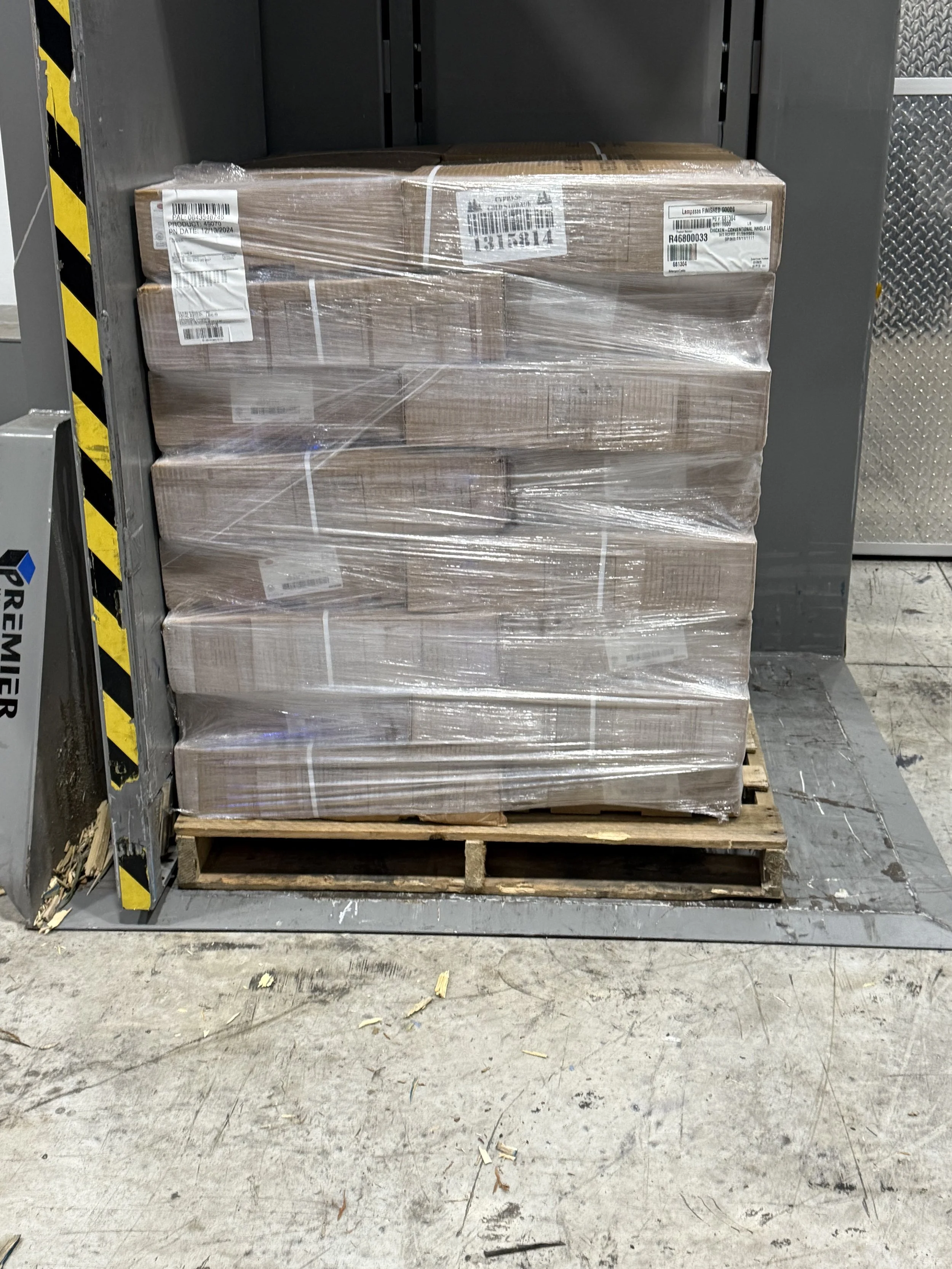
Not every operation needs a full cold storage warehouse. Many do well with smaller temperature-controlled storage zones inside a larger facility. If you are evaluating cold storage facilities, look for tight control bands, humidity management, and documented maintenance on HVAC systems. The simplest measure is working loggers that trigger alerts before temperatures drift past thresholds, not after. For shorter dwell needs, refrigerated storage rooms can hold early picked orders through the afternoon, then transfer to insulated vehicles if required. Keep in mind that refrigerated storage is a tool, not an end cold storage warehouse Auge Co. Inc state. The handling plan must include acclimation steps, because powering on a cold-soaked device in humid air can end it.
Using cross-docking without losing control
Cross-docking speeds the flow but can create chaos if mishandled. Electronics hate chaos. The fix is disciplined flow with minimal touches. Inbound pallets should be scanned, broken only at the bay assigned for that route, and rebuilt into final mile loads with appropriate cushioning. Avoid mixing fragile electronics with heavy, dense freight in the same cage. A single misloaded toolbox can crush a TV corner during a hard brake. For operators choosing a cross dock near me, tour the floor. Watch if staff step over boxes, if foam and bubble stock is plentiful, and if there is a quiet zone for high-value items. The difference between 0.5 percent and 2 percent damage rates often lives in these little details.
Measuring what matters
On-time delivery is the headline metric, but electronics need a wider lens. Track first-attempt success rate, damage rate by SKU family, average dwell time in uncontrolled environments, percent of deliveries with serial capture, photo documentation compliance, and customer contact rates pre-arrival. For white glove, measure setup completion times, accessory retrieval rates, and packaging haul-away performance. Tie incentives to these metrics, not just route completion. When crews care about documentation and careful handling as much as speed, claim rates drop fast.
Environmental realities and sustainability
Packaging for electronics is bulky. Final mile teams can help the sustainability cause by consolidating haul-away and returning packaging to a cross dock warehouse for compacting and recycling. Some operators build take-back programs for obsolete electronics, coordinating with certified recyclers. These moves reduce landfill volume and improve customer satisfaction, but they require process discipline to avoid mixing e-waste with general refuse and to maintain proper manifests.
Idle time matters too. Trucks idling in summer to keep cabins cooler burn fuel and create heat. Route density, micro-hubs, and swift dock processes reduce idling. When choosing temperature-controlled storage san antonio tx, consider energy efficiency ratings, not just square footage and rent. A well-insulated cold room costs less to operate and tends to maintain tighter bands, which helps electronics more than fluctuating cool.
Costs, pricing, and what customers will actually pay for
Final mile for electronics is expensive to do right. Air-ride trucks, trained crews, cold buffers, cross-docking with item-level scanning, and tighter schedules all raise the cost per stop. Yet customers will pay for reliability and care if it is tangible. Transparent options work. Show the difference between doorstep and room-of-choice. Show the cost to schedule a two-hour window rather than an eight-hour one. Offer add-ons that feel like real value, such as haul-away of old televisions or workstations. On the B2B side, SLAs with defined penalties and performance reports justify premium rates when you hit the marks.
Price wars are tempting, especially in crowded markets. The trap is that thin margins combined with fragile goods produce an ugly math when damage claims mount. It is better to hold the price, show the quality, and reduce net cost through fewer losses and fewer redeliveries.
Practical checklist: preparing high-value electronics for final mile
- Confirm item-level data: exact model, serial, dimensions, weight, and handling notes.
- Choose the right vehicle and equipment: air-ride, liftgate, dollies, floor protection, and ESD gear when needed.
- Stage in appropriate environments: use temperature-controlled storage for sensitive SKUs and document acclimation steps.
- Validate site access: dock hours, elevator reservations, gate codes, and contact names with phone numbers.
- Align service level to training: threshold vs. white glove vs. install, and schedule crews accordingly.
A note on customer communication
Customers remember two things: whether the item arrived intact and how the crew treated them. Communication eases tension. Send appointment confirmations with narrow windows when possible. Provide driver ETA tracking links. If a route slips, call early with honest updates, not wishful estimates. At delivery, explain the plan and ask permission before moving furniture or drilling. For no-answers on high-value items, have a clear policy. Do not leave a $2,000 monitor at a door without signature unless the customer explicitly approves it with a waiver in your system.
Bringing it together
Strong final mile delivery services for electronics and other high-value items rely on a handful of disciplined practices repeated every day. Use cross-docking to shorten the last leg while preserving item-level control. When climate risk exists, leverage cold storage or temperature-controlled storage selectively and manage acclimation. Train crews to a high bar and equip them with tools that make careful handling the default. Tie software to field reality, not the other way around. And align service menus, pricing, and SLAs with what you can consistently deliver.
Do these things and your damage rates fall, your on-time percentages rise, and your customers become advocates. Skip them and the last mile becomes a costly, public failure that no amount of clever marketing can hide.
