Pre-Marital Counseling: Values, Faith, and Future Plans
Couples usually walk into pre-marital counseling carrying some version of hope, a few stubborn worries, and a mental ledger of what they believe should never change. They are right to come early. A relationship is easier to shape than to repair, and the conversations that seem theoretical during engagement become daily life after the wedding. The goal is not to test whether you are “meant to be,” but to teach the two of you how to handle the inevitable differences with skill, respect, and some humor.
I have sat with hundreds of pairs over the years, from twenty-somethings planning destination ceremonies to second-marriage partners blending households. The details vary; the themes do not. Values, faith, and the future have to be talked through, not assumed. When those foundations are clear, practical decisions about money, family, sex, and roles start to make sense instead of becoming flashpoints.
Why couples seek pre-marital counseling
Some arrive after a specific conflict. Maybe one of you wants to tithe generously and the other is paying down student loans. Maybe you grew up in a family where raised voices meant danger, while your partner’s home was loud, intense, and affectionate. Others are doing well and want traction for the long haul. Both reasons are wise.
A typical pre-marital plan runs six to ten sessions. We cover what works in your relationship and what tends to derail it. If you meet with a therapist who includes structured assessments, you might complete a values inventory or a questionnaire about conflict styles. None of this is about passing or failing. It is about surfacing the conversations you will keep having for decades, then giving you the skills to have them well.
The heart of values work
Values shape how you spend time, money, and energy. They also drive the stories you tell yourself about what a good spouse does. When values conflict, the conflict often looks like something else. For example, I once worked with partners who argued about meal prep every weeknight. It turned out to be a struggle between freedom and predictability. He valued spontaneity, she valued routines. Once we named those values, the solution moved from blame to design: two planned meals, two flexible nights, one takeout night.
A straightforward way to map values is to ask each partner to name five that matter most, then translate each value into behaviors. “Family” might mean Sunday dinners, twice-monthly visits to grandparents, or refusing to discuss work after 6 p.m. “Adventure” could mean saving for travel, taking career risks, or trying new social groups. When behaviors clash, you negotiate the expression of the values, not the values themselves.
Expect trade-offs. If you both value generosity but also financial security, your budget has to reflect both. You might decide on a fixed charitable percentage and a separate buffer for job transitions. Values rarely become incompatible if you stay specific and flexible.
Faith as a living practice, not a box to check
Faith lives in practices, not labels. Two Catholics may disagree about Mass attendance, baptism timing, and whether Friday date nights can include fish tacos. A secular partner may value sacred architecture, ritual, and silence more than a nominally religious partner. I ask about practices more than identity: How do you mark holidays? What’s your ritual when someone dies? How do you make decisions on moral issues that affect the household?
Interfaith or inter-belief couples can build a sturdy shared life with clear agreements. Decide how you will handle weddings, funerals, and holy days in both families. Talk about children well before you hold them in your arms. If one partner hopes for baptism and the other does not, that is not a footnote. It is a central decision with implications for extended family dynamics, financial giving, and time commitments. Healthy couples get specific, sometimes writing down a plan for holidays and parenting rituals so they can revisit it without reopening old wounds.
I have seen couples avoid faith conversations to preserve harmony. It works for a season, then blows up the first December they spend with a newborn and two sets of grandparents. If you cannot find a middle path on a faith practice, agree on a principle. For instance, “We will honor both traditions by showing up for major holidays in each calendar, and our home will be a place where questions are welcome.” Principles help you decide in moments you have not yet imagined.
Money: the quiet amplifier
Money amplifies values. It also exposes habits. I like to look at three budgets: the aspirational budget, the current budget, and the stress budget. The aspirational budget is how you would spend money if you were living the shared life you want three years from now. The current budget is how you actually spend in the last three months. The stress budget is how you spend when something hits the fan and both of you feel frayed.
A couple I saw last year wanted to save aggressively for a house in San Diego, where prices can feel unreal. Their aspirational numbers were tidy. Their current budget, once we pulled the bank data, showed that DoorDash and weekend getaways were eating the down payment. Their stress budget included “retail therapy” and an extra streaming service added during a tough work quarter. There was no moral failing here. It was about aligning habits with priorities and building a realistic buffer for stress.
If debt, unequal incomes, or family obligations make things complex, put it in the open. Who pays for a parent’s medications? How will you handle one partner’s old credit card balances? If a layoff hits, what gets cut first? Couples who answer these ahead of time handle crises with less panic and less blame.
Roles, chores, and the maintenance of daily life
Love thrives in a clean kitchen. That is only half a joke. The day-to-day maintenance of a household is where respect and fairness either grow or erode. I often ask couples to list recurring tasks: cooking, dishes, dog walking, bills, medical appointments, car care, laundry, social planning, birthday gifts, technology troubleshooting, and the invisible labor of remembering everything. Then we discuss preferences, competence, and bandwidth.
Fair is not always equal. If one partner works late seasonally and the other has flexibility, the distribution can shift during those months. What matters is that both of you agree the overall system is fair. Use experiments. Try a two-week swap and see what sticks. The goal is ownership, not perfection. When you say you will handle the vet appointment, do it. If you forget, apologize and get better systems, not defenses.
Communication that works under stress
Plenty of couples can talk when they are calm. The real test is whether they can stay connected when they feel flooded. Pre-marital counseling usually includes a simple structure: slow down, mirror what you heard, name the emotion, and ask a curious question. It sounds basic until the first time you try it when angry.
Two rules help. First, smaller bites. Bring up one issue at a time, even if three are related. Second, “I” statements with concrete behavior and impact: I felt dismissed when I told you about the meeting and you checked your phone. I need your attention for ten minutes when I get home, then I can give you space. That is not therapy-speak; it is maintenance.
If either of you has a history of trauma, grief, or anxiety, discuss how stress shows up. Panic can look like irritability or withdrawal. Past losses can turn a minor conflict into a threat. A therapist trained in individual therapy, anxiety therapy, or grief counseling can help integrate those layers into your couples work. It is not overkill to involve both couples counseling and individual therapy for a while. In fact, it can prevent gridlock.
Sex, intimacy, and the awkward conversations that pay dividends
The healthiest couples talk concretely about sex long before they hit a wall. That means discussing desire differences, physical sensitivities, fantasies, and turn-offs. It also means discussing how you will protect intimacy during high-stress seasons. If one of you tends to lose desire under pressure while the other uses sex to regulate stress, conflicts are predictable and solvable.
Practical agreements work: a minimum of scheduled time for intimacy, with room for spontaneity, and a shared language for declining without rejection. If faith or values shape sexual ethics, name the boundaries and the meaning behind them. Shame dissolves faster when both partners agree that physical intimacy is an area for curiosity and growth, not performance and judgment.
Family ties and the realistic boundaries that keep peace
You are not just marrying a person. You are engaging with a web of relationships formed long before you met. Families bring affection, obligations, and expectations. I ask couples to name the top three ways each family gives support, and the top three ways each family creates stress. Then we map boundaries.
Holiday plans, babysitting arrangements, borrowed money, and unsolicited advice are the common friction points. A classic scenario: one set of parents expects weekly Sunday dinners, the other is more casual, and you live 20 minutes from one family and a plane ride from the other. Your solution has to consider geography, cost, and the emotional weight of change. Put it in writing for a trial period. Revisit every six months during the first year.
When blending cultures or languages, include rituals that matter to both. The couple that alternates major holidays sometimes ends up stretched thin. Consider celebrating early with one family and the day-of with the other, or creating your own household ritual that stands on its own, then visiting extended family afterward.
Conflict styles and anger management without shame
Some people metabolize anger fast. Others need time for the body to settle. If either of you tends toward quick escalations, agree on a time-out protocol. Not the kind used with children, but the adult kind: name the pause, set a return time, and do something that lowers arousal instead of ruminating. Fifteen minutes is usually too short, three hours is often too long. Sixty to ninety minutes works for many couples.
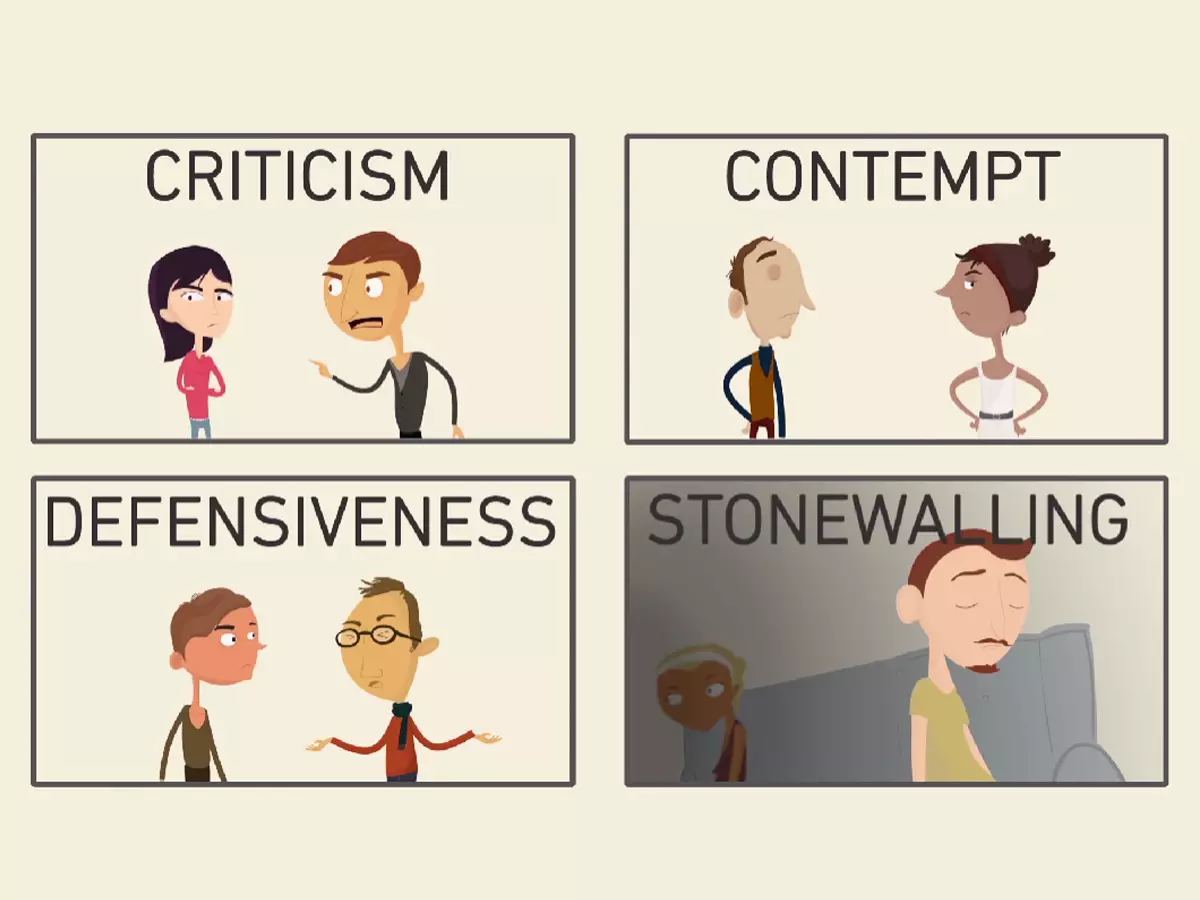
Anger is not the enemy. Contempt is. The moment you move into eye rolling, sarcasm meant to wound, or moral superiority, you damage trust. A good couples counselor will help you catch contempt early and replace it with direct, specific language. If your anger carries history, particularly from violent households, lean on anger management strategies taught in therapy, not just willpower. Mindfulness, paced breathing, and physical routines, like a brisk walk or brief workout, can be part of the plan.
Planning the future with flexibility
Pre-marital counseling is a rehearsal for future planning. You will change jobs, move zip codes, perhaps pivot careers. Children may or may not arrive on your timeline. Health can shift. The question is not, “What is our five-year plan?” It is, “How do we plan together when the ground moves?”
I encourage couples to maintain a living document that covers big categories: career goals, housing, family plans, savings targets, travel or adventure aspirations, caregiving responsibilities for aging relatives, and spiritual or community commitments. Update it twice a year. Put numbers where you can. A couple planning to buy in a high-cost market like San Diego might map a savings rate, a target down payment, and the trade-offs required: smaller wedding, fewer weekend trips, or a temporary roommate. When the numbers are clear, decisions feel less personal.
Mental health, grief, and the unexpected
Loss enters every marriage. Sometimes it is the death of a loved one, sometimes a miscarriage, sometimes a job that defined identity. Grief counseling offers language and rituals for those seasons. Anxiety therapy can give you tools for intrusive thoughts, insomnia, or panic that spikes during transitions. Couples who normalize therapy as a resource, not a rescue, ask for help earlier and bounce back faster.
Consider building a support map: names of friends, mentors, a faith leader if relevant, and a therapist you could call if something hits hard. If you already have a therapist in San Diego or your local area, keep a cadence of maintenance sessions during big life changes. That might look like a check-in every two months around a move, a new baby, or a job shift.
A brief example from the room
A pair in their early thirties, both raised in religious homes, came in with three concerns: faith practice, money, and conflict intensity. He wanted regular church attendance and tithing. She was ambivalent about services but valued service work. Their student loan balances were lopsided. Arguments tended to go from mild to hot in five minutes.
We spent two sessions clarifying faith practices that felt alive to both. They settled on twice-monthly services together and a quarterly volunteering routine at a local shelter, plus a modest charitable budget that did not derail debt repayment. For money, we built a shared budget with a 15 percent savings rate for a house fund and a targeted plan for her higher-interest loans. Each had a monthly “freedom fund” for discretionary spending, no questions asked. On conflict, they practiced slow-start conversations and a 70-minute pause if either partner’s heart rate spiked. After a month, fights shortened by half and apologies happened faster.
They did not fix everything. They learned a rhythm. That is the point.
Choosing a therapist and setting expectations
Credentials matter, but fit matters more. Look for someone with specialized training in couples counseling or family therapy. If faith is central, ask whether the therapist respects your tradition and can work within or alongside it. If you are in Southern California, you have options ranging from small private practices to group practices with therapists who also offer individual therapy and targeted services like anxiety therapy or anger management. Couples counseling San Diego is a busy search term for a reason; the demand is high, and experienced clinicians book quickly. Schedule early, even if your wedding is months away.
Ask about structure. A solid pre-marital track might include an assessment session, communication skills, a values and faith session, money and roles, intimacy, and a future planning session with concrete agreements. You should leave with summaries and next steps, not just warm feelings.
Practical checkpoints for your own conversations
- Share a values-to-behavior map. Each of you picks three top values and names two weekly behaviors tied to each.
- Draft a holiday and family plan for a year. Include travel, cost sharing, and boundaries on length of stays.
- Build a two-tier budget: current and aspirational. Add a stress plan that shows what gets cut if income dips.
- Agree on a conflict pause ritual. Define the signal, the duration, and what each person does during the break.
- Write a one-page faith and meaning statement for your home. Include practices you will keep, try, or retire.
Use these as working documents, not contracts etched in stone. Revisit them after the honeymoon, after the first major purchase, and again on your first anniversary.
When old patterns intrude
Engagement surfaces family-of-origin dynamics fast. If you notice the same argument repeating with minor costume changes, pause and look backward. Are you fighting your parents’ fight? Are you trying to win a battle from high school with a new opponent? This is where a therapist’s outside view is useful. Good clinicians are not referees, they are pattern-spotters. They help you notice that whenever you feel criticized, you retreat into silence, which triggers your partner’s panic about being left alone, which then fuels more criticism. Once you see the loop, you can build exits.
If one or both of you carries trauma, work with a therapist experienced in trauma-informed care. Your partner cannot be your only healer. Individual therapy in parallel with couples sessions often moves things faster and keeps the relationship from becoming a treatment plan.
The first year after the wedding
People talk a lot about the “seven-year itch.” In my practice, the first-year adjustment can be just as tricky. This is when logistics sickle away at romance: combined finances, differing sleep schedules, in-laws, unexpected bills, and the end of the wedding planning adrenaline. Set two rituals that guard your bond. First, a weekly state-of-the-union check, 30 minutes, phones away, where you name one appreciation and one request. Second, something playful that belongs only to you: Tuesday breakfast dates, sunset walks, or a shared hobby that drags you out of your comfort zones together.
Expect missteps. Recovery matters more than perfection. Couples who repair quickly, even after small dings, build a resilient story about themselves: we can handle this.
When faith and values evolve
Over time, people shift. Someone deepens a religious practice, another becomes less observant. A career change reorders the hierarchy of values. This is not a betrayal; it is development. Keep a pre-marital counseling ritual of re-articulation. Once a year, share your updated values list and what has moved up or down. Check whether your shared rituals still fit. If your faith practice grows in one direction while your partner’s grows in another, get curious instead of defensive. Many couples discover that reverence, ethics, and meaning can unite them even when their paths diverge.
Where counseling fits in the bigger picture
Pre-marital counseling is not a vaccine against divorce. It is more like a training block for a long hike. You build muscles and learn techniques. You also pack tools you will need later: language for tough conversations, a shared sense of direction, and a plan for when the weather changes. Some couples come back for tune-ups during transitions: a move, a first child, a loss, or a new career. That is not failure. It is maintenance.
If you are local and searching phrases like therapist San Diego or couples counseling San Diego, you will find a range of clinicians who work with engaged and newly married pairs. Many of them also offer related services, from anger management groups to grief counseling, which can strengthen the fabric of your relationship. Whether you see someone in person or via telehealth, what you need is a private space where both of you feel seen and challenged.

A final note on hope and craft
People often ask for the one thing that predicts long-term success. There isn’t one. There are clusters: generosity in interpretation, willingness to apologize, shared rituals of connection, and respect for each other’s inner world. Couples who center values and faith with thoughtfulness, who plan futures with numbers and flexibility, and who invest in communication as a craft, not a talent, tend to thrive.
You do not have to have it all figured out before the wedding. What you need is a way to figure things out together. Pre-marital counseling gives you that way. It slows the clock, sharpens your understanding, and turns big topics into actionable agreements. You leave not with guarantees, but with courage and a plan. That is enough to start a life.
Lori Underwood Therapy 2635 Camino del Rio S Suite #302, San Diego, CA 92108 (858) 442-0798 QV97+CJ San Diego, California
