Prevent Dryer Fires: Essential Dryer Vent Cleaning Tips for Palm Coast Homeowners
Dryers work hard in Palm Coast homes. Between sandy beach towels, heavy jeans after afternoon showers, and constant humidity, a typical dryer in Palm Coast Florida handles tougher loads than you might expect. The appliance looks simple from the outside, yet the venting system behind it quietly collects lint, moisture, and even salt-laden dust. Over time, those byproducts turn into a fire hazard and an efficiency drain. If you have ever noticed a dryer running longer than it used to, or a laundry room that feels warmer than normal, your vent is sending you a warning.
I have crawled behind stacked units in narrow laundry closets, moved dryers out of garage corners, and fished lint clumps from rooftop caps in August heat. The patterns repeat. Most dryer fires start with neglected vents, and most premature dryer failures have the same root cause. With a little knowledge and a steady routine, you can keep your household safer, your laundry moving quickly, and your energy bills down.
How dryer vents become a fire risk in coastal Florida
A dryer does two things at once: it tumbles clothes and pushes warm, moist air out of the house through a vent. Lint rides along with that airflow. If the air moves fast enough, most lint exits the system. If airflow drops, lint settles and sticks to the inner walls of the duct. Humidity makes this worse. In Palm Coast, outdoor air often runs above 70 percent relative humidity. Moisture condenses inside cool sections of ductwork, gluing lint in place. Over months, the duct narrows, the dryer runs hotter, and ignition risk climbs.
A few Palm Coast quirks intensify the problem. Many homes route dryers through longer-than-ideal vent runs to reach roof or side-wall terminations. I routinely find 20 to 30 feet of duct with several elbows. Every turn catches lint. Some builders run vents through unconditioned attic spaces. That length, plus heat and salt air, breaks down foil tape and plastic transitions, leading to leaks that reduce velocity. Reduced velocity equals more lint settlements, and the cycle accelerates.
Add in beach life. Fine sand and towel fuzz act like aggregate in concrete, creating stubborn lint cakes. If the vent cap flap sticks from corrosion at the coast, or a bird guard collects debris, backpressure rises. A dryer that was venting at 150 cubic feet per minute might be choked to half that. The heater still cycles, the element still glows, and eventually a dry lint wad can char.
Signs your dryer vent needs attention
Most homeowners feel the change before they see it. The first sign is longer drying times. Loads that used to finish in 40 minutes start taking an hour and a half. Shirts come out hot but damp in heavy spots. The laundry room smells musty after a cycle, or the wall behind the dryer feels warm to the touch. A quick inspection sometimes reveals a crushed foil transition hose behind the machine, collapsed under its own weight or pinched by the dryer being pushed too far back.
Other red flags appear at the termination. If you hold a sheet of paper at the exterior vent cap and it barely moves during a cycle, airflow is weak. If the cap flap sticks open after drying, lint may be wedged in the hinge. I have found nests inside caps that went unnoticed for months. On a roof cap, look for lint trails staining shingles below the outlet. That streak means lint is accumulating at the very end of the run, a common choke point.
A subtle symptom is a dryer that feels excessively hot to the touch or shuts off mid-cycle on thermal overload. Modern machines include safety limits that cut power when temperatures spike, but they are not meant to be tripped routinely. Repeated overheating shortens the life of the heating element and control board, turning a cleaning problem into a replacement bill.
How often to clean in Palm Coast conditions
Generic advice says clean the dryer vent annually. In Palm Coast, that interval can be too long. Humid air, longer runs, and frequent laundry all compress the timeline. Vacation rentals and larger families often need cleaning every six months. Seasonal residents who run small loads once a week can sometimes stretch to 12 to 18 months, but only if airflow remains strong and the termination stays clear.
When homeowners ask for a rule of thumb, I suggest this cadence. Check airflow at the cap every three months, clean the lint screen every load, and schedule professional dryer vent cleaning when dry times creep past an hour for a normal mixed load. If you are not sure, err on the side of earlier service. A cleaning visit costs less than a single high utility bill spike and far less than the fallout from a vent fire.
The anatomy of a safe, efficient vent
A safe vent is short, smooth, and properly terminated. In practice, many homes miss one or more of those targets, so it helps to understand what to aim for.
Rigid metal duct, not plastic flex, belongs in the wall and attic. Smooth metal gives lint fewer places to catch and withstands heat. Flexible transition connectors can be used from the dryer to the wall stub, but even there, semi-rigid aluminum beats foil flex. The total length, including elbows, should stay within the dryer manufacturer’s equivalent length rating. Most residential dryers allow around 35 feet of straight pipe, with each 90-degree elbow counting as 5 feet to 7 feet, sometimes more. I have seen installations that double that length. They might work on day one, then slowly clog until the dryer strains every cycle.
The termination needs a damper that opens freely when the dryer runs and closes when it stops to keep pests out. Mesh screens are a problem. They trap lint and can block a vent within weeks. Bird guards with wide bars are acceptable if kept clean, but a bare damper often performs best. On roof caps, look for low restriction designs. Many builder-grade roof caps have a fine mesh under the hood, which catches lint almost immediately. Removing that internal mesh, if code allows and a damper is in place, can solve chronic choking issues.
Step-by-step for a safe DIY checkup
Some tasks fit a careful homeowner’s weekend. If you are comfortable moving the dryer, you can handle a basic check and light cleaning. If you face a long run, a roof termination, or signs of overheating, call a specialist in dryer vent cleaning Palm Coast for a full service. Here is a tight, safe sequence you can follow without getting in over your head.
- Unplug the dryer, shut off gas if applicable, and pull the machine out just enough to access the transition hose. Inspect the hose and clamps. Replace crushed foil with semi-rigid aluminum, cut to length to avoid slack that can kink.
- Remove and wash the lint screen with warm water and a drop of dish soap if you use dryer sheets. Residue can block the fine mesh. Dry before reinstalling.
- Vacuum lint from the lint screen housing and the floor area behind and under the dryer. Use a narrow crevice tool to reach deeper into the housing without forcing it.
- Disconnect the transition and look inside the wall stub. If you see lint mats near the opening, gently fish them out. Do not push lint deeper.
- Run the dryer on air fluff with the transition removed, briefly, while holding a tissue at the wall stub. Airflow should be strong. If it is weak, stop and call a professional cleaner. That means the blockage is deeper in the duct.
This list covers only the safer steps. Delving into a long duct with a drill brush kit requires caution. Spinning a brush head incorrectly can detach joints or compact a blockage. I have been called to fix well-intended DIY attempts that packed lint into a dense plug, harder to remove than the original.
What a professional cleaning involves and why it matters
A proper dryer vent cleaning starts with layout. A tech should locate the dryer, trace the path to the termination, note the number of elbows, and check the cap design. On the dryer side, we record temperature rise and airflow before the cleaning using a vane anemometer at the cap or a pitot probe at a test port. The goal is not only to remove lint, but to verify a performance improvement you can feel.
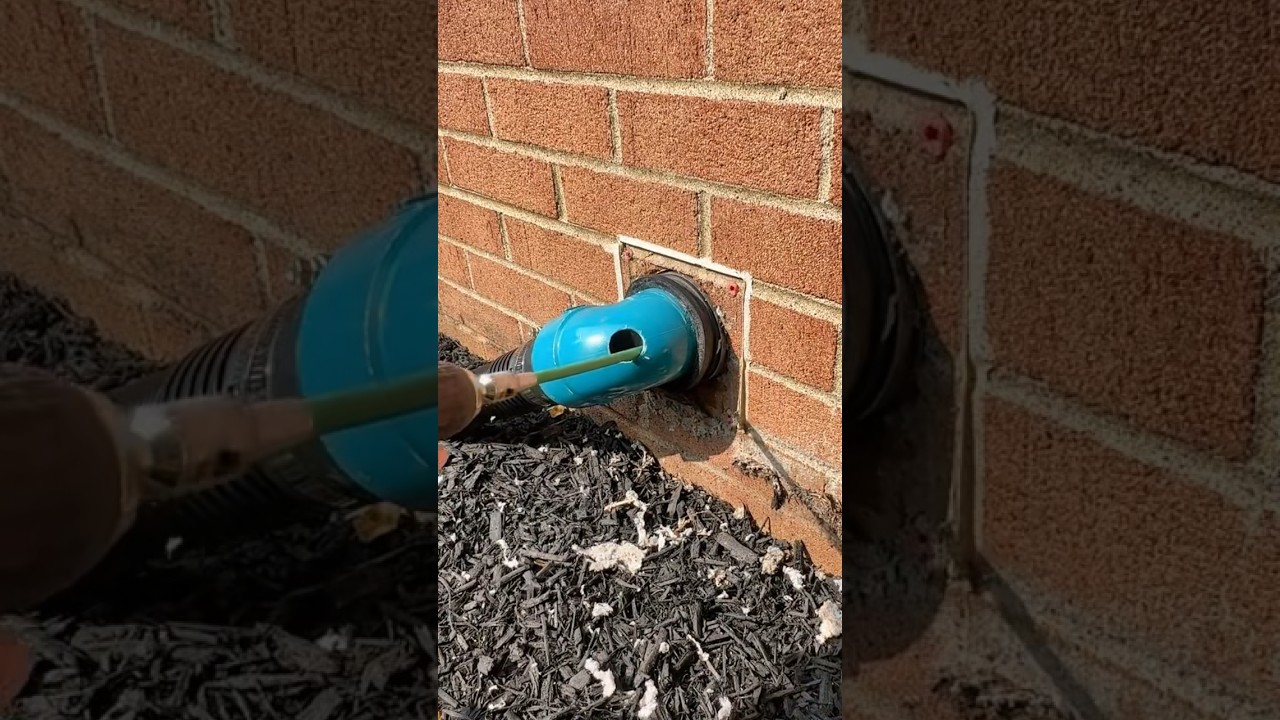
We disconnect the transition and, depending on access, clean from the appliance toward the termination, from the termination back, or both. Professional systems use flexible rods with nylon brush heads sized to the duct, driven by a variable speed drill, sometimes paired with negative air machines that capture lint instead of broadcasting it into the attic or yard. In roof terminations, I often remove the cap entirely, clean the last elbow by hand, then reassemble with exterior-grade screws and foil-backed mastic. If the cap has internal mesh, we discuss safer alternatives that meet local code and keep pests out without strangling flow.
On a typical Palm Coast Florida home with a 20 to 25 foot run and two to three elbows, the cleaning itself takes 30 to 60 minutes, plus setup and testing. Many visits include minor improvements, like replacing a crushed transition or re-taping a leaking joint with foil-backed HVAC tape. At the end, we retest airflow. It is common to double the measured CFM and shave 15 to 30 minutes off dry times for a standard mixed load.
Safety considerations for gas dryers
Electric and gas dryers both rely on airflow to manage heat, but gas models add combustion to the equation. Restricted vents can spill moisture and combustion byproducts back into the laundry space. While modern gas dryers are designed to vent under pressure, not draft like a furnace, poor venting still risks high carbon monoxide levels near the machine. That is one reason I encourage a carbon monoxide detector near the laundry room in homes with gas appliances. If your gas dryer leaves a faint exhaust smell in air duct cleaning palm coast the room or on clothes, have the vent inspected immediately.
The moisture problem you cannot see
When lint builds up, everyone thinks of fire risk. The second hidden risk is moisture. A throttled vent forces warm, humid air to linger or leak, raising indoor humidity. In Palm Coast’s already damp climate, that extra moisture pushes closets and laundry alcoves past their comfort limit. You might notice peeling paint behind the dryer, swollen baseboards, or a mildew note in nearby rooms. I have opened drywall behind vent connections and found damp paper backing with scattered fungal growth, all from a slow vent leak over a few seasons. Good venting acts like a dehumidifier for that small zone. When you restore airflow, the space dries faster and materials last longer.
Why dryers run hot when vents clog
Dryers regulate heat through cycling and airflow. The heating element or gas burner raises drum air temperature, thermostats switch it off at a set point, and airflow carries heat away. Clogs raise backpressure, which throttles airflow. Without enough air moving through the drum, heat builds faster and thermostats trip more often, sometimes earlier in the cycle. Overheating can char lint inside the cabinet, hardening it into dark flakes that migrate and create small, smolder-capable nests. Most machines survive a few episodes, but repeated heat stress warps plastic components, cracks blower wheels, and hardens belt material. After a thorough vent cleaning, many homeowners report not just faster cycles, but quieter operation. The dryer is no longer straining.
Choosing the right termination and keeping it clear
If your vent exits a side wall, pick a cap with a low-profile hood and a single light damper that hinges cleanly. Aluminum or stainless resists corrosion better than painted steel in salt air. Avoid fine screens. If code or HOA rules require a guard, choose one with broad bars and easy access for cleaning. For roof exits, consider a cap specifically designed for dryer use, not a generic roof vent. Dryer-rated caps limit backflow and allow lint to escape. Schedule a quick exterior check when you mow the lawn or wash the car. Five seconds to confirm the damper swings freely can save an hour of troubleshooting later.
The interplay between dryer vents and whole-home air
Palm Coast homes that invest in air duct cleaning often ask if that service covers the dryer vent. It usually does not. The supply and return ducts that feed your rooms handle conditioned air, not exhaust. They use very different tools and procedures. That said, clean HVAC ducts and a balanced system help keep indoor dust in check, which marginally reduces lint and debris entering the dryer. If you search for air duct cleaning near you, verify that the company distinguishes between HVAC duct cleaning and dryer vent cleaning. Many reputable providers offer both, sometimes as a bundle. In my experience, the two services complement each other: cleaner ducts help your air handler breathe easier, and a clear dryer vent keeps that appliance safe and efficient.
For homeowners in Palm Coast Florida comparing options, look for companies that specify dryer vent cleaning palm coast on their service list, not just general air duct cleaning palm coast. Ask how they measure results, whether they service roof terminations, and if they replace unsafe transitions during the visit. The answers reveal whether you will receive a true cleaning or a quick brush pass that leaves choke points untouched.
A realistic maintenance routine for coastal living
A good routine respects the climate and the way people actually do laundry. After years of service calls, here is the rhythm that keeps trouble at bay without turning maintenance into a hobby. Clean the lint screen every load, and if you use dryer sheets, rinse the screen with water monthly to strip residue. Every two or three months, pull the dryer forward a few inches, make sure the transition is not crushed, and vacuum visible lint behind and under the machine. Every quarter, step outside during a cycle and check airflow at the cap. If it feels weak, schedule service. Annually, replace brittle or torn transitions and have a pro evaluate the termination cap for corrosion or sticky hinges.
Homes with vacation turnover or short-term rentals need firmer rules. Provide a printed note near the dryer, reminding guests to clean the lint screen and not to push the machine back against the wall. If your turnover crew reports long dry times, do not write it off as heavy loads. Get the vent checked. Rental dryers see more sand, more towel loads, and more frequent cycles, which is a perfect recipe for accelerated lint build-up.
What to expect to pay and what you gain back
Pricing varies with access and length. In Palm Coast, a straightforward single-story wall termination with a 10 to 15 foot run generally falls at the lower end. A two-story home with a roof termination and 25 to 35 feet of duct, plus multiple elbows, lands higher. If repairs are needed, like replacing a foil transition with semi-rigid or swapping a restrictive cap, materials add a modest bump. Most homeowners recoup the cost quickly in shorter dry times alone. A dryer running 20 extra minutes per load, four loads a week, adds hours of runtime per month. That translates to higher electric or gas use and faster wear on parts. After cleaning, cycles drop back into the efficient band, and the laundry room stops feeling like a sauna.
When to replace and when to rework
Not every vent problem is a cleaning problem. Some are design flaws. If your vent runs the length of the attic with five elbows, repeatedly clogs, and never delivers strong airflow even after cleaning, it might be time to re-route. I have shortened vents by relocating the termination from roof to a closer side wall, within code and aesthetic constraints, and the change was immediate. If a home remodel allows, placing the laundry room on an exterior wall fixes many issues at once. When replacement is not an option, upgrading to a low-restriction roof cap and switching to rigid pipe where possible often gives a meaningful improvement.
As for the appliance, frequent overheating that persists after a thorough vent service can signal internal dryer issues: a failing cycling thermostat, a degraded blower wheel, or felt seals leaking air around the drum. A reputable technician can test these parts. It is worth separating vent issues from appliance faults so you do not replace a dryer when the vent is the real culprit, or vice versa.
Safety myths worth clearing up
A few myths show up again and again. First, that dryer sheets reduce static so much they keep lint from building up. They do reduce static on clothes, but they also leave a film on the lint screen over time, reducing airflow. Another myth says metal screens at the cap keep out pests safely. They do, but they trap lint faster than almost any other component. If a screen is installed, it requires very frequent cleaning, often weekly. Finally, some people assume that cleaning the lint screen alone prevents fires. The screen catches a lot, but not all. Fine lint sails right through, especially with heavy towel loads.
The role of professional judgment
Good service blends tools with judgment. A tech who has worked Palm Coast neighborhoods knows which builders favored long roof runs, which caps corrode faster near the Intracoastal, and which laundry closets hide tight bends at the wall. That lived map helps during troubleshooting. Skilled professionals also know where to stop. If a brush meets firm resistance in a concealed elbow, the right move might be to open a joint at the attic and clear from both sides, rather than forcing the brush and risking a disconnected section inside the wall. The goal is a clean, intact duct with verified airflow, not a quick visual of lint on a brush head.
Tying it back to whole-home comfort
Clean dryer vents and clean HVAC ducts share a theme: systems breathe better and last longer when airflow is respected. While air duct cleaning and dryer vent cleaning are separate jobs, homeowners often schedule them together for convenience. If you are already searching for air duct cleaning near you, ask about bundling dryer service. Reputable companies in air duct cleaning palm coast understand the coastal conditions and can give honest timelines and results for both. Your thermostat may not notice a clean dryer vent, but your clothes will, and your peace of mind certainly will.
A final nudge to act
If your dryer takes a little longer than it used to, if the laundry room runs hot, or if the exterior cap looks furry with lint, you have enough reason to act. Start with a simple check, and do not hesitate to bring in a pro for comprehensive dryer vent cleaning. Palm Coast Florida offers a beautiful, humid environment. Manage that moisture smartly, keep airways clear, and your dryer will serve quietly and safely in the background, exactly as it should.
