7 Ways to Lower Your Cooling Bills After AC Installation
Installing a new air conditioning system is one of the smarter investments a Massachusetts homeowner can make — but the upfront cost is only half the story. The real question is how much you'll spend running the system every July and August for the next fifteen years. The good news: a handful of deliberate choices after installation can cut your cooling costs significantly without sacrificing comfort.
1. Set Your Thermostat for the Schedule You Actually Live
A programmable or smart thermostat pays for itself quickly when used correctly. The key is programming it to match your real daily pattern rather than leaving it at a fixed 72°F around the clock.
A commonly cited rule of thumb: raising the setpoint by 7–10 degrees while you're away or asleep for eight hours can trim cooling costs meaningfully over a season. In Massachusetts, where summer nights frequently cool into the mid-60s, a setpoint bump overnight is almost free savings — the system barely needs to run.
What to Avoid
Don't blast the AC down to 65°F thinking the house will cool faster. Standard central AC systems cool at a fixed rate regardless of setpoint — a lower temperature just means a longer run cycle and a larger bill. Set it where you want it and let it run.
2. Seal Duct Leaks Before They Bleed Your Investment
New equipment connected to leaky ductwork is a common and expensive mismatch. In many Massachusetts homes — particularly those with ductwork added decades after original construction — the duct system itself can lose 20–30% of conditioned air through gaps, disconnected joints, and unsealed register boots.
Have your contractor pressure-test the duct system at installation time, or schedule a duct blaster test afterward. Sealing ducts with mastic sealant (not duct tape, which fails quickly) is relatively inexpensive and directly reduces the volume of air your system needs to condition.
Duct Condition Estimated System Efficiency Loss Fix Well-sealed modern ducts Minimal None needed Moderate leakage (gaps at joints) 10–20% Mastic sealing at joints Severe leakage (disconnected runs) 20–35%+ Professional duct repair/replacement No ducts (ductless system) 0% duct loss N/A — addressed at equipment level
3. Keep the Outdoor Unit Clean and Clear
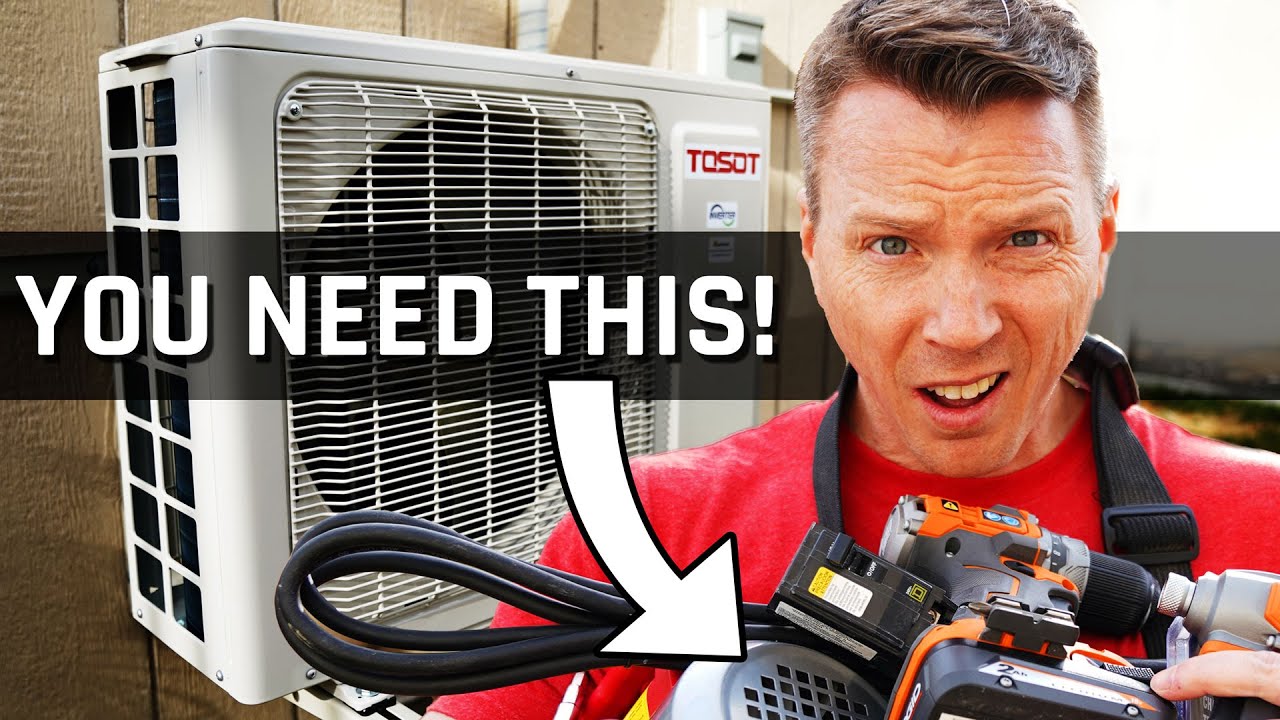
The condenser unit outside your home releases the heat extracted from your interior. When it's surrounded by overgrown shrubs, caked in cottonwood fluff, or starved of airflow, it works harder and costs more to run.
After installation:
- Maintain at least 18–24 inches of clearance on all sides. This is closer to 2 feet for most equipment.
- Rinse the coil fins gently with a garden hose each spring before the cooling season. Spray from inside out (through the fins) to push debris outward.
- Trim any vegetation that encroaches during the growing season.
- Keep the area free of leaves and debris accumulation in fall, even though the unit isn't running.
None of this requires a service call — it's legitimate homeowner maintenance ac installation contractors MA that keeps the system's rated efficiency intact.
4. Use Ceiling Fans to Extend Comfortable Temperatures
Ceiling fans don't lower air temperature — they create a wind-chill effect that makes occupants feel cooler. That means you can set your thermostat 3–4 degrees higher and feel the same level of comfort, which translates directly into reduced runtime for the AC system.
The catch: fans cool people, not rooms. Turn fans off when you leave the room. Running ceiling fans in empty rooms wastes electricity without any benefit.
In summer mode, ceiling fan blades should spin counterclockwise (when viewed from below) to push air straight down and create the cooling breeze effect.
5. Address the Attic Before You Drive Down the Thermostat
Massachusetts homes built before 1980 frequently have under-insulated attics. During a hot summer day, an uninsulated or poorly insulated attic can reach 140°F or more, radiating that heat down through the ceiling into your living space. Your AC system then fights that radiant load all day.
Mass Save's free home energy assessment includes an attic inspection. If you haven't had one, schedule it — many homeowners qualify for insulation rebates that cover a significant portion of the upgrade cost. Better attic insulation directly reduces the cooling load on your new system and can meaningfully cut operating costs over a season.
6. Change the Air Filter on a Real Schedule
A clogged air filter restricts airflow through the evaporator coil. Restricted airflow causes the system to run longer cycles to move the same volume of conditioned air, raises electricity consumption, and — in extreme cases — can cause the coil to freeze, triggering a service call.
Most 1-inch filters should be replaced every 30–60 days during peak cooling season in Massachusetts. Thicker 4–5 inch media filters may last 6–12 months but should still be checked. Write the date on the filter edge when you install it so you know how old it is.
Keep a case of the correct filter size on hand. The single largest reason homeowners skip filter changes is not having a replacement nearby when they think of it.
7. Work With a Qualified Contractor for Annual Maintenance
The efficiency of a correctly installed and maintained system holds up over time. Without maintenance, refrigerant charge drifts, coils accumulate grime, and electrical connections loosen — each of these degrades efficiency incrementally until you're paying substantially more to cool the same house.
An annual tune-up from a licensed HVAC ac installation Worchester technician typically includes a refrigerant charge check, coil cleaning, electrical connection inspection, and a condensate drain flush. The cost of a maintenance visit is almost always less than the additional electricity cost of running a poorly maintained system through a Massachusetts summer.
The best time to schedule: early spring, before cooling season demand spikes and appointment availability tightens.
Lowering operating costs after a new AC installation isn't about sacrifice — it's about making heat pumps installers MA sure the system you paid to install is actually running the way it was designed to. The homeowners who see the best long-term economics from their new heat pump installation cost MA investment are the ones who pair good equipment with these straightforward operational habits.
About the Author
The author writes about home energy systems and efficiency upgrades for New England homeowners. Their work focuses on practical, actionable guidance for people managing the long-term costs of major mechanical systems.
MassHVAC 25 Mason St Worcester, MA 01609 (508) 501-7561
