Ant Control 101: How to Eliminate Colonies for Good
Ants are relentless. Anyone who has watched a tidy kitchen turn into a scouting ground overnight, or seen a paver patio lifted by soil cones, knows how quickly a small problem finds its footing. The trick is to think like the colony, not the individual worker. Ant control that lasts comes from reading the site accurately, choosing tactics that fit the species, and following through for one or two full brood cycles. Quick sprays on a few foragers feel satisfying, but most of the population lives out of sight. The queen keeps laying. The brood keeps developing. The trail is back next week.
I have spent enough seasons crawling under decks and tracing sugar trails along baseboards to put pattern to what works. The basics below will save you time and frustration whether you are protecting a restaurant prep line, a rental with a toddler who drops half a cracker per room, or a suburban kitchen with a dog bowl that might as well be a buffet.
What ants are telling you, if you watch them long enough
An ant infestation is a conversation between food availability, moisture, and shelter. Workers do not wander at random. They follow chemical trails from food to colony, refine those trails over hours, and commit to routes that minimize risk. If you find a dozen ants under a dishwasher lip, you are probably seeing the end of a trail that runs through an expansion gap, down a wall void, out under siding, and into soil along the foundation. The gap near the appliance is not the issue. The ant trail is a symptom of how your home offers what the colony wants.
I treat ant species differently. Pavement ants stake out heat along slab edges and will shrug off light disturbers. Odorous house ants, the classic sugar ant, split colonies and move pretty quickly if stressed. Carpenter ants follow moisture and build in softened wood. Pharoah ants are tiny, nest inside, and spread like glitter if you provoke them. Different species, different levers.
When I arrive at a home with a reported “kitchen ant problem,” I first ask about season, weather in the last week, renovations, and any changes to cleaning products. The last one surprises people. Swapping dish soap brands sometimes changes residue on the sink rim and counters, which can shift where foragers linger. A heavy lemon scent on a countertop might mask a light pheromone trail for a few hours. The ants will find a way again, unless the source colony is addressed.
Baits beat sprays, most of the time
If you want to eliminate a colony, let the workers carry the active ingredient back home. That means baits matched to the carbohydrate or protein preference in that moment, placed smartly on active trails, and kept fresh. A contact spray that kills foragers stops the visible parade. It does not touch the brood, the queen, or the dozens of workers in protected spaces. Worse, with certain species like odorous house ants and pharaoh ants, heavy repellent sprays can split the colony into satellites, turning one nest into several.
I stage baits like a chef plates a dish, thoughtful about presentation. Ants are sensitive to contaminants and will avoid baits near strong cleaners or where aerosol sprays recently landed. I set gel baits on wax paper tabs or bait stations to keep kitchen surfaces clean, then anchor those tabs near trail intersections, electrical outlets, and along the Domination Extermination pest control underside of cabinet toes. For protein or grease-loving phases, I use a granular bait in plumbing chases, behind appliances, and outside in mulch seams. For sugar phases, I go with low-tox gel or liquid baits that stay palatable.
The single most common mistake I see is not using enough placement points. One pea of gel in a wide kitchen is a suggestion, not a program. A solid first pass uses several small placements, each no bigger than a lentil, and a check 24 hours later to replenish. When I return the next day and see a bait station almost hollowed out, I do not move it. I add a second station eight inches along the trail to prevent crowding and to reduce dominance behavior between workers.
Timing matters: follow the brood cycle
Ant colonies renew themselves in waves. Eggs, larvae, pupae, and workers roll forward on a 3 to 8 week timeline depending on species and temperature. Hitting a colony with baits once may knock down foraging, but if you do not keep bait out during the next cohort’s emergence, the problem reappears. In my notes, I set two follow-ups as standard. The first is in 7 to 10 days to confirm consumption and adjust formulations. The second is near the 4 week mark to intercept new workers. Two visits, steady bait presence, and habitat tweaks are usually enough to end the cycle in average residential settings.
A rainy week can speed indoor activity and slow outdoor baiting. Heat waves do the opposite. I adjust. On a stretch of hot, dry days, pavement ants go deeper and forage at dusk and dawn. I set exterior baits in shaded seams on the north and east sides and visit early.
Sanitation is not perfect, it is strategic
You do not need a sterile home to beat ants. You need to break easy wins for foragers and remove moisture edges that make wall voids attractive. I have cleared stubborn kitchen trails in houses with kids and pets by changing three things: wipe pet bowls after feeding, sweep under the stove line twice weekly, and dry the sink rim at night with a hand towel. That last one does more than you think. Odorous house ants will farm on microscopic film around fixtures. A dry, wiped rim breaks a prime water source. Add a repaired bead of silicone at the backsplash gap and you have deleted an address from their map.
In multifamily buildings, shared trash chutes, laundry rooms, and boiler rooms act like ant highways. If a unit calls about ants and the next-door neighbor stores cereal in an open pantry, my treatment plan expands. The best case is a cooperative building. The worst case is a revolving door service call.
Don’t chase with bleach or vinegar
I appreciate the instinct. You spot a line of ants and reach for a spray bottle. The wipe cleans, masks trails for a day, and the ants are back. Bleach and vinegar can scatter workers temporarily. They can also push some species into budding new nests. If you want to clean, do it before baiting so you are not fighting your own products. Wash the area with mild soap and water, dry it, then set bait. Over the next few days, resist the urge to wipe near the bait placements. Let the workers recruit and carry. When activity drops, clean and reseal.
When the nest is inside the structure
Interior nests change the playbook. You will notice rustling behind baseboards, frass with insect parts if you are dealing with carpenter ants, or warm spots near electronics where tiny species tuck into outlets. I have opened a vanity kickboard and found an odorous house ant nest built around a slow-leaking supply line, the plywood delaminated and sweet with microbial growth. In these situations, I open voids only when necessary. Most of the time, non-repellent dusts and foams placed through small drill holes into wall cavities or under sill plates reach the nest without demolition. I combine that with baits in the living space to cover the foragers.
Carpenter ants deserve their own note. They do not eat wood. They excavate it to live in softened sections, usually near moisture. Control depends on repairing leaks, improving ventilation in crawl spaces and attics, and treating galleries directly. If I follow a carpenter ant trail to a rotted window frame, I recommend removal of the damaged section as part of the job. Spraying a perimeter will not end the colony if the galleries remain.
How far outside should you work?
Exterior treatments help when used with restraint and precision. I inspect six zones on a typical single-family home: foundation-slab seams, trash and recycling pads, spigot and HVAC condensate areas, mulch-to-sod edges, tree and shrub contacts with the structure, and any utility penetrations. If I find heavy trailing, I apply non-repellent sprays as a band only where trails run, not as a broadcast around the entire house. I set granular baits into mulch along the heat seam where ant nests often anchor beneath landscape fabric. Then I prune touching vegetation so ants are not using maple branches as skybridges.
Perimeter sprays alone are a bandage. They absolutely have their place, particularly to quiet exterior trailing while baits do their work. Long term, the habitat wins. Mulch mounded against siding, wood piles on soil, and downspouts that dump at the foundation are ant factories. Lower mulch, lift wood off ground on racks, and extend downspouts. Half of strong ant control is a shovel and a pair of loppers.
What about natural products?
I respect client preferences. I also respect colony math. Essential oils can repel and sometimes kill small numbers of foragers. Diatomaceous earth can desiccate ants that walk through it, if it stays dry and is placed directly on traffic. Boiling water poured into a mound will kill a portion of a shallow nest. None of these reach the heart of a large colony the way well-chosen baits and modern non-repellents do. If you want a lower-impact program, focus on sanitation, exclusion, moisture control, and precise baiting. Keep essential oil cleaners away from baited areas for several days. Use desiccant dusts inside wall voids rather than blanketing living spaces.
A brief word on misidentification
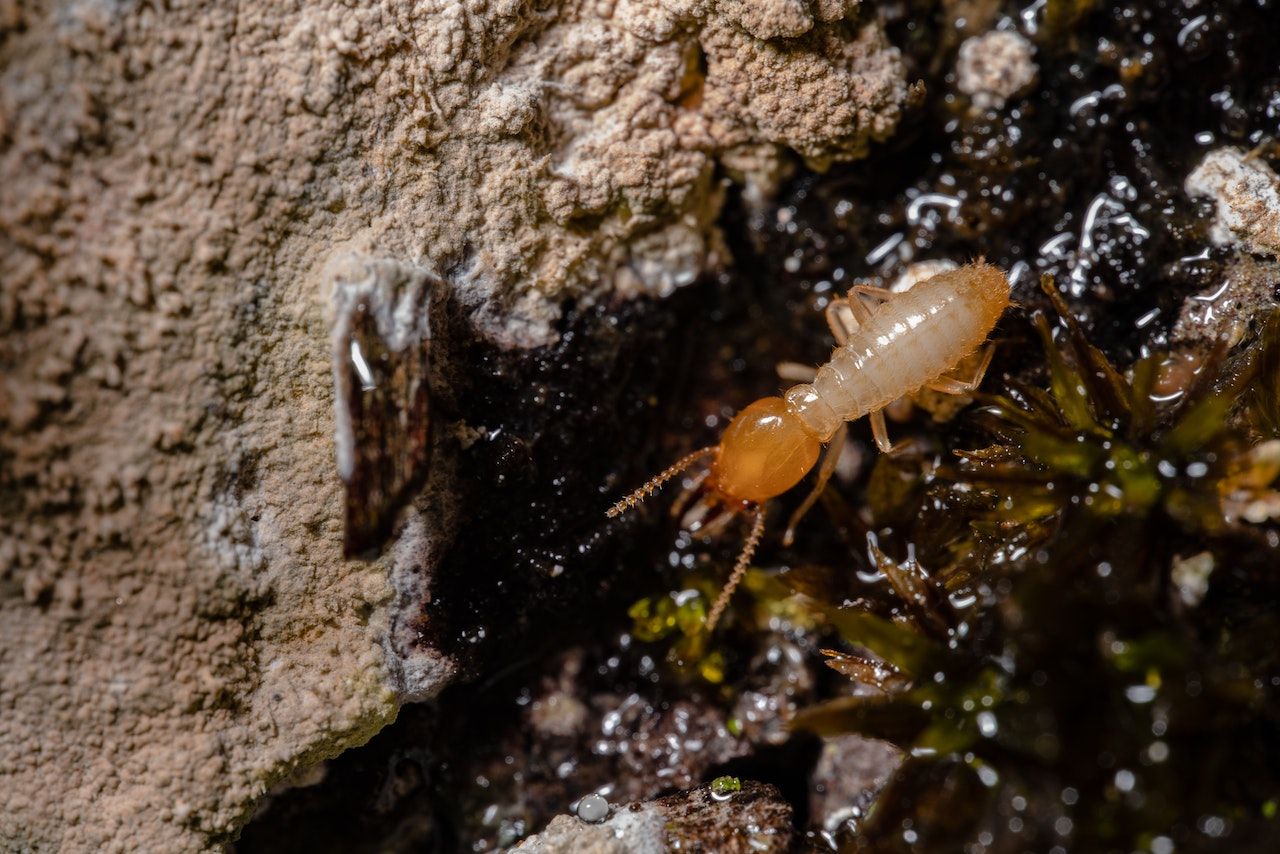
I have taken service calls for “ants” that turned out to be subterranean termite swarmers, booklice on damp cardboard, or springtails popping from a potted plant. Termite control is not ant control, and treating one as the other wastes time. Termite swarmers have straight antennae, equal-length wings, and a thicker waist. Ant swarmers have elbowed antennae, unequal wing pairs, and a pinched waist. If you see winged insects inside in a burst near windows in late winter or early spring, collect a sample. Err on the side of getting a pro to check. Subterranean termites demand a different plan altogether.
What we learned the hard way at Domination Extermination
I work with a team that has run ant programs in restaurants, schools, and homes through wet springs and dusty droughts. At Domination Extermination, we learned early that timing and messaging matter as much as product. In one bakery, the night shift wiped the prep tables with a cinnamon-laced oil cleaner after we set gel bait along a baseboard trail. By morning, the bait dots were ignored and the ants were cruising the upper wall. We walked the manager through a bait-safe cleaning routine, swapped to a protein bait because the colony had shifted preference, and added a bait station inside a metal conduit chase the ants used like a subway. The next week was quiet. The lesson stuck, and the bakery kept the procedure posted by the sink for new staff.
In a ranch home on a slab, pavement ants came up through a crack under a laundry room. The owner had tried perimeter granules, then a repellent spray along the baseboard. We cut a clean, half-inch hold at the carpet edge to access the slab seam, puffed a pinch of non-repellent dust, and placed granular bait at the exterior crack that fed the same seam. The colony collapsed within a week. The following spring, when nearby neighborhoods flared up after a thaw, this house stayed quiet. Getting product to the structural seam, not just the surface, made the difference.
The quiet power of not disturbing everything
When ant programs fail, it is often because someone was too aggressive with vacuuming trails, torching mounds, or spraying repellent in a fit of zeal. There is a place for each tactic. Used at the wrong moment, they scatter the problem and lengthen the job. I ask clients to leave bait placements undisturbed for 3 to 5 days, even if it looks messy. Wipe a few feet away, sure, but not on the dot. I ask them not to move the trash can to the garage or wash the porch with a citrus hose additive until we see a drop in activity. Patience here is not passive. It is a strategic hold that lets the colony poison itself.
When seasonal flights and weather stir the pot
Ants send winged reproductives when a colony is strong and the weather cooperates, often after rain on a warm day. Inside a home, a swarm looks dramatic and raises alarms. Most of those fliers die within hours. They are not a new infestation by themselves. Treat the workers, locate and address moisture problems, and use sticky monitors along windowsills to track. Outside, after a warm rain, pavement ants and thatch ants will fight in visible turf battles. It looks like a carpet of movement at the sidewalk edge. Do not spray randomly. Find where they are entering the structure and manage that pressure. Seasonal surges are normal. Steady programs with bait and habitat change ride through them.
Food facilities, schools, and healthcare
Ant control in sensitive environments requires even tighter programs. In a hospital, I rely on crack-and-crevice gel placements, non-repellent dusts inside voids, and strict communication with environmental services about where not to wipe during the active bait window. In schools, custodial schedules and summer shutdowns shape timing. Food service requires night work and secure, labeled stations. The principles are the same, but the margin for error is slimmer and the documentation heavier. Patience with approvals pays off.
How Domination Extermination builds an ant plan that lasts
As a team, Domination Extermination avoids one-size-fits-all. A townhouse with shared walls and heavy pet traffic needs different bait placements and exclusion than a lakeside cabin with carpenter ant pressure in rafters. Our standard flow is inspect, identify species, map trails, and test-bait with two formulations to see which draws. We adjust in real time. On follow-ups, we bring fresh bait, check monitors, and revisit exterior conditions. If the brand context matters, such as a property manager running several buildings, we share simple, specific maintenance steps that keep pressure low between visits, like keeping mulch pulled back four inches from siding and fixing the dripping spigot at unit 3B’s patio.
One case still shapes our approach. A daycare called after trying a DIY program with repellent sprays that left a citrus sheen on every baseboard. The ants, pharaoh variety, had fractured into multiple nests in ceiling voids. We stopped all repellents, switched to non-repellent baits placed inside tamper-resistant stations under sinks and inside utility closets, and used sugar-based gel placements behind refrigerators at pickup height so kids could not reach. It took six weeks, strict cleaner coordination, and three light dust applications through access plates. The day we found zero activity at all monitors, the director hugged our tech. It was not a miracle product. It was a plan that respected the species and the space.
Ants are not the only pressure on a home
Most clients who call about ants have a story for at least one other pest within the past year. Rodent control, mosquito control, and spider control all braid into the same habitat picture. Stacked firewood and heavy ivy make rodents happy, and rodents chew entry points that later become ant highways. Overwatered beds feed gnats and mosquitoes, and the moisture keeps ant galleries soft. Bee and wasp control along eaves often reveals gaps that serve as insect entry routes. Bed bug control is a different domain entirely, but the discipline of inspection and follow-through applies. I mention these not to change the subject, but to make a point: a home is an ecosystem whether you plan it that way or not. Fix the water and the clutter, and half of pest control gets easier. Even cricket control and carpenter bees control tie back to grade, gaps, and light.
The small, high-return repairs
You can outsmart a colony with a caulk gun and a few hours. Seal the gap at the bottom of door casings where trim meets slab. Foam the big utility holes, but finish the edges with proper sealant so rodents do not shred the foam and ants do not trail along its textured face. Add door sweeps to garage entries. Replace a warped threshold. Pull back mulch from siding and maintain a visible, dry band of foundation. Insulate the cold-water pipe that drips in summer and feeds a silver-dollar-sized damp spot on the basement sill. These are not glamorous fixes. They are the kind of small jobs that, once done, quietly lower your pest pressure for years.
A short, practical checklist for lasting ant control
- Identify the species or, at minimum, the behavior pattern: sugar-loving trail versus moisture-loving wall void dweller.
- Stage baits where ants actually travel, keep placements small and numerous, and refresh within 24 to 72 hours.
- Avoid repellent sprays near bait and skip heavy cleaning on active trails during the treatment window.
- Fix moisture sources: leaks, sweating pipes, overwatered beds, and high mulch.
- Plan for at least one follow-up in 7 to 10 days and another check near week 4 to catch the next worker cohort.
Edge cases and judgment calls
Not every ant job follows the script. I have chased a satellite nest under a warm aquarium stand that pulled workers into a living room, even though the main colony was in a maple root thirty feet away. The fix was to lift the stand, dry and seal the baseboard gap behind it, and leave a low-profile bait station under the stand floor where errant workers still patrolled. I have opened a notched beam in an old farmhouse to find carpenter ant galleries linked to a bat colony’s guano heat pocket. Moisture, warmth, and organic matter made a perfect incubator. We coordinated wildlife exclusion, replaced insulation with a closed-cell foam board that dried the cavity, and injected a non-repellent foam into the galleries. Sometimes the right answer is a team effort.
In new construction, I see ants exploit foam exterior insulation behind thin stone veneer. The foam holds warmth and tiny condensate beads. Ants nest in channels where mortar did not fully bond. If you suspect this, a thermal camera can show warm ant trail rivulets on a cool morning. Treat through weep holes with precision. Do not flood.
When to ask for help
There is no shame in calling a professional when a colony keeps returning, when you suspect carpenter ants in structural wood, or when a sensitive environment limits what you can safely use. A good provider brings identification skill, a product range not on retail shelves, and the kind of pattern recognition that only shows up after dozens of homes. For instance, at Domination Extermination we have a mental map of which suburban blocks tend to see odorous house ants flare after spring sewer work, and which neighborhoods have pavement ants keyed to certain landscaping styles. That kind of context tightens a plan.
Final thoughts from the crawlspace
Lasting ant control is not a sprint, it is a sequence. Read the trails, match the bait, keep your nerve while the workers do their strange and efficient work, and change the conditions that made your home attractive in the first place. Ants are patient. Be a little more patient, and more precise. The colony will lose.
Domination Extermination
10 Westwood Dr, Mantua Township, NJ 08051
(856) 633-0304
