Best Materials Used for Dental Crowns Today

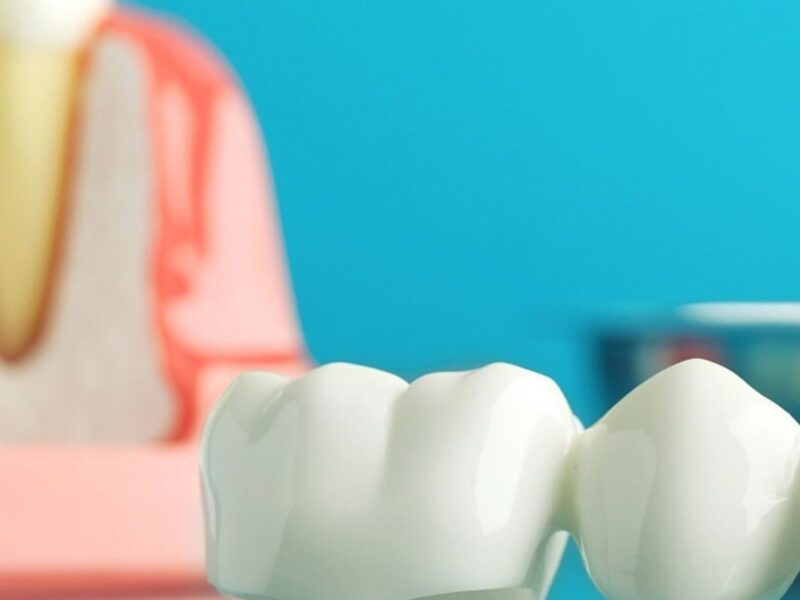
A dental crown looks simple once it is cemented in place. It resembles a natural tooth, restores a bite, and quietly does its job for years. What most patients never see is the decision behind the crown, because the material matters almost as much as the dentist’s preparation and the lab’s craftsmanship.
When people ask which material is best for dental crowns, they usually want a single answer. In practice, there is no universal winner. The right choice depends on where the tooth sits, how hard the patient bites, whether they grind at night, how much healthy tooth remains, what the gumline looks like, and how much they care about the finest details of color and translucency. Budget can matter too, but a cheaper crown that chips, wears poorly, or looks wrong in a visible area is not always a savings.
Over the last decade, the conversation around dental crowns has shifted. Older options such as full gold and porcelain fused to metal still have a place. At the same time, modern ceramics, especially zirconia and lithium disilicate, have changed what dentists can offer. The improvements are not just marketing. They reflect real advances in strength, bonding, milling accuracy, and esthetics.
Why crown material matters more than most people think
A crown has to handle several jobs at once. It must survive chewing forces that can exceed a few hundred newtons during normal eating and much higher in a heavy grinder. It must seal and protect the prepared tooth. It should sit comfortably in the bite and avoid irritating the surrounding gum tissue. If it is in the smile zone, it also needs to blend with neighboring teeth under daylight, indoor lighting, and photographs.
These demands often compete. The strongest material is not always the most lifelike. The most beautiful ceramic is not always ideal for a patient who clenches through the night. A material that works brilliantly for a lower molar may be excessive, or visually disappointing, on a front tooth.
In daily practice, many crown problems blamed on “bad material” actually come from mismatched case selection. A patient with severe bruxism may fracture a delicate ceramic that would have looked gorgeous on a lateral incisor. A back tooth crown chosen only for beauty may wear fine for one patient and fail early in another whose bite is much heavier. The material cannot be separated from the mouth it has to function in.
The modern front-runners: zirconia and lithium disilicate
If you ask most restorative dentists which materials dominate current crown work, two names come up repeatedly: zirconia and lithium disilicate. They are not interchangeable, but together they cover a large share of routine crowns done today.
Zirconia
Zirconia has become a workhorse. It is a ceramic, but it behaves differently from older porcelain systems. Its reputation rests on strength, fracture resistance, and versatility. For posterior crowns, especially molars, zirconia often performs very well because it can tolerate significant chewing pressure.
There are different types of zirconia, and this is where patients often hear a simplified story that misses the important details. Early zirconia crowns were very strong but somewhat opaque. That made them excellent for back teeth and less convincing for highly visible front teeth. Newer generations are more translucent and more esthetic, but as translucency increases, strength can decrease somewhat. Not dramatically in every product, but enough that the trade-off is real.
In practical terms, a monolithic zirconia crown, meaning a crown milled from a solid block rather than layered with more fragile porcelain, is one of the most dependable options for many posterior cases. It resists chipping better than layered restorations because there is no outer porcelain veneer to flake off. For patients who crack old fillings, break cusp tips, or admit they “chew ice sometimes,” zirconia often earns serious consideration.
That said, zirconia is not perfect. Matching the subtle optical depth of a natural front tooth can still be challenging, especially when the adjacent teeth are youthful, translucent, and rich in internal color variation. Skilled labs can do impressive work with zirconia, but the best esthetic result in the anterior region sometimes comes from a different ceramic.
Another point worth mentioning is wear on opposing teeth. Years ago, some clinicians worried that zirconia would act like sandpaper against the opposing enamel. The more accurate understanding is that polish and surface finish matter a great deal. A well-polished zirconia crown is generally kinder to opposing teeth than a rough or poorly glazed surface. This is less about the raw material alone and more about how the restoration is finished and maintained.
Lithium disilicate
Lithium disilicate, commonly recognized by the trade name e.max, is prized for its appearance. It offers a level of translucency and light transmission that can look remarkably natural, particularly in premolars and front teeth. In the right hands, it can disappear into a smile in a way that many patients do not think is possible for a crown.
Its strength is respectable, and for many single-unit crowns it performs very well. It is not weak porcelain. Still, it is generally not the first pick for every heavy-bite molar case, especially when the patient has a history of grinding or fracture. Where it shines is the balance between esthetics and reliable performance in situations that do not demand maximum brute strength.
One of lithium disilicate’s practical advantages is how well it can be bonded. Adhesive bonding can enhance retention and support, particularly when tooth structure is limited or when a conservative preparation is being used. For a front tooth with enough enamel available and a patient who wants the most natural look possible, lithium disilicate is often a very attractive option.
I have seen many cases where patients came in worried that a crown on a central incisor would look flat, gray, or “fake.” A carefully designed lithium disilicate crown, made with good photographs and a thoughtful shade plan, can avoid that lifeless appearance. It tends to reward attention to detail.
Porcelain fused to metal still has a place
Porcelain fused to metal, often shortened to PFM, used to be the standard answer for many dental crowns. It is less glamorous now, but it has not vanished for good reason. A PFM crown combines a metal substructure with an outer porcelain layer. This design gives it solid strength and a long clinical track record.
For certain cases, PFM remains sensible. If a patient needs a crown where the preparation design, bite forces, or bridge considerations favor metal support, a well-made PFM can be a durable restoration. Some dentists still prefer it in situations where they want the reassurance of a metal framework under porcelain.
The trade-offs are familiar. Esthetics can be very good, but they are often not as seamless as the best all-ceramic restorations. The crown may lack the same depth and translucency as a natural tooth. Over time, if gums recede, a dark line at the margin can become visible, particularly in the front of the mouth. Porcelain chipping from the metal coping is also a known complication.
PFM occupies an interesting middle ground. It is neither outdated Dental Crowns nor first choice for every visible tooth. It is a veteran material with strengths that still matter, especially when function takes priority over ultra-natural optics.
Gold and other high noble metal crowns remain unmatched in one area
For pure longevity and forgiving function, full gold crowns still command respect. They are not popular with image-conscious patients, but among dentists, gold has a reputation earned over decades. It fits precisely, wears in a way that is gentle to the opposing tooth, and tolerates the oral environment exceptionally well.
A full gold crown is often an outstanding restoration for a far-back molar that does heavy chewing and is rarely seen. It can be made thinner than many ceramic crowns while maintaining strength, which helps preserve tooth structure. That is not a small benefit. Every millimeter of natural tooth that can be saved matters.
Patients sometimes assume gold is old-fashioned and therefore inferior. Clinically, the opposite is often true for selected posterior teeth. The main reasons people decline it are appearance and the fluctuating cost of precious metals. If you set esthetics aside, full gold is still one of the best materials ever used for crowns.
Other noble alloys can also perform very well, though the conversation most often centers on gold because of its proven record and favorable wear characteristics.
All-resin and hybrid materials: useful, but with limits
Resin-based crowns and hybrid ceramic materials exist in modern dentistry, and they can be useful in certain contexts. They are often easier to mill quickly and can be kinder to opposing teeth. Some are used for temporary or intermediate restorations, same-day workflows, or lower-stress situations.
But for long-term definitive dental crowns, especially on heavily loaded posterior teeth, resin materials are generally not the first recommendation when compared with zirconia, lithium disilicate, PFM, or gold. They can wear faster, stain more readily, or lack the long-term track record of stronger ceramics and metals.
This does not mean they are poor materials. It means they demand careful case selection. In dentistry, many materials work beautifully when used inside their comfort zone and disappoint when stretched beyond it.
Choosing by tooth position changes everything
Where the crown will sit in the mouth often narrows the material options faster than any brochure or online search result.
Front teeth live Dental Crowns under esthetic scrutiny. Light passing through the edge of the tooth, tiny differences in opacity near the gumline, and the way neighboring teeth reflect color all become important. A patient in their twenties with naturally translucent incisors usually needs a different material approach than a patient in their sixties with darker, more opaque enamel. In the most visible area, lithium disilicate often gets strong consideration because of its esthetic qualities. Translucent zirconia can also work well, especially when strength is needed or when the shade conditions are less demanding.
Premolars sit at an interesting crossroads. They show when a person smiles, but they also take meaningful chewing load. This is where material selection often becomes a true balancing act. Both lithium disilicate and zirconia can be excellent, depending on the bite and the esthetic target.
Molars are function-first teeth. Here, monolithic zirconia is frequently chosen because it handles force so well. Gold is also superb when a patient accepts the look. If a patient clenches, has cracked teeth, or already wears a night guard, the conversation for a molar crown tends to favor durability over fine translucency.
The bite can overrule the beauty plan
One of the more common mistakes in crown planning is focusing too much on shade and not enough on force. A beautiful material placed into a hostile bite may not stay beautiful for long.
Bruxism changes the equation. Some people know they grind. Others discover it only after they fracture fillings, wake with jaw soreness, or show characteristic flattening of the enamel. For these patients, material choice should be conservative and honest. That often means stronger options, thicker designs where possible, meticulous bite adjustment, and discussion of a night guard after delivery.
A crown is not a magic shield. If a patient generates enough force to crack natural teeth, any restorative material is under pressure. The goal is not to find an indestructible crown, because that does not exist. The goal is to choose the most appropriate material and design for the forces involved.
I have seen cases where a patient insisted on the most translucent ceramic for a lower first molar because they liked the idea of a “prettier” crown. Months later, the restoration chipped during a period of stress-related grinding. The material was not necessarily defective. The case selection was optimistic.
Cementation and preparation matter as much as the crown block itself
Patients understandably focus on the crown material because it is tangible and easy to name. Dentists know the hidden details often determine whether the restoration lasts.
Preparation design matters. Some materials need more thickness to remain strong and esthetic. Others allow a more conservative reduction. If the tooth is prepared too aggressively, healthy structure is sacrificed. If it is underprepared, the lab may be forced into thin, vulnerable contours or a bulky final shape.
Cementation strategy matters too. Some crowns rely mainly on conventional cementation and mechanical retention. Others benefit significantly from adhesive bonding. Moisture control, margin location, and the amount of enamel left on the tooth can all influence which material and bonding protocol make sense.
This is one reason the “best material” question cannot be answered well in isolation. A material that is ideal on paper may be less ideal in a mouth where isolation is difficult, the margin sits deep under the gum, or the remaining tooth structure offers limited retention.
Esthetics are not one thing
Patients often use the word natural, but natural can mean different things. Some want perfect brightness and symmetry. Others want the crown to blend so completely that even they cannot spot it in the mirror.
The most esthetic crown is not always the brightest one. Natural teeth have variation. The neck of the tooth near the gum is usually more opaque. Incisal edges may show translucency or a faint gray-blue effect. Surface texture catches light in subtle ways. A crown that is too smooth, too white, or too uniformly colored can stand out more than one that is technically a shade darker but more lifelike.
This is why laboratory quality matters. A skilled ceramist can make a huge difference, especially for single front teeth. Good photographs, shade mapping, and communication between dentist and lab often separate a merely acceptable crown from a truly invisible one.
A practical way dentists weigh the options
When choosing among materials for dental crowns, experienced clinicians usually think through a small set of core questions:
- Is this tooth in the smile zone or under heavy chewing load?
- Does the patient grind, clench, or have a history of fractures?
- How much healthy tooth structure remains, and can the crown be bonded well?
- What level of esthetic demand does the patient actually have?
- Is long-term durability, minimal reduction, or ideal appearance the highest priority?
These questions sound simple, but they keep the decision grounded in reality. Materials do not fail because a brochure was wrong. They fail when the case did not respect the tooth, the bite, or the patient’s habits.
What patients often overlook when comparing crown materials
Online comparisons tend to flatten the subject into easy labels such as strongest, prettiest, cheapest, or longest-lasting. Real treatment planning is more nuanced.
For example, a patient might read that zirconia is strongest and assume it is automatically best. Yet on a highly visible front tooth with demanding esthetic needs, a bonded lithium disilicate crown may produce the better overall result. Another patient might focus on appearance alone and reject metal entirely, even for a second molar where a gold crown would preserve more tooth and likely last longer. Neither choice is wrong until it ignores the clinical context.
Another common oversight is that the crown is only one part of the system. The health of the gum around it, the quality of the margin, the fit of the contacts, and the accuracy of the bite all matter. A premium material cannot rescue poor execution.
Cost, value, and the question patients really mean to ask
When patients ask about the best material, they are often also asking which option gives the best value. Value in dentistry is not simply the lowest fee. It is the combination of function, appearance, longevity, maintenance, and likelihood of needing retreatment.
A front tooth crown that looks wrong can bother a patient every day, even if it remains structurally intact. A back tooth crown that breaks after a few years can cost more in the long run than a stronger material would have. Sometimes the better value is the more expensive restoration. Sometimes it is not. Much depends on the tooth and the patient.
If budget is tight, it is better to have an honest discussion about priorities than to pretend all materials perform the same. A dentist should be able to explain what is being gained, and what may be given up, with each option.
Where the field stands right now
At this point in modern restorative dentistry, zirconia and lithium disilicate carry much of the conversation for single-unit crowns. Zirconia has become the practical favorite for many posterior cases because it offers excellent strength and reliable performance. Lithium disilicate remains a standout where esthetics are critical and the forces are appropriate. PFM still solves certain problems well. Gold remains arguably the gold standard, literally and figuratively, for selected posterior teeth where function matters more than visibility.
That is the honest picture. Dentistry has better materials than it had twenty years ago, but the old materials did not become worthless overnight. They simply became more selective tools in a larger kit.
The best crown material today is the one that fits the tooth, the bite, the smile, and the patient’s expectations without forcing a compromise that the case cannot tolerate. When that choice is made thoughtfully, dental crowns can be remarkably successful, both clinically and cosmetically, for many years.
Simple Dental South Gate
Address: 8617 California Ave, South Gate, CA 90280
Phone number: +13236896118
FAQ About Dental Crowns
How much do crowns cost per tooth?
In the United States, a single dental crown typically costs between $800 and $2,500 per tooth without insurance. The ultimate out-of-pocket price depends heavily on the crown material, the location of the tooth, and whether you have dental insurance coverage.
What is the downside of crowns on teeth?
The primary downside of a dental crown is that the procedure permanently removes natural tooth enamel to shape the tooth for the cap.
Why do dentists push for crowns?
Dentists recommend crowns because a large filling cannot provide enough strength when a tooth loses a major portion of its structure or faces heavy chewing pressure.
