Beyond the Grind: How to Build a Truly Sustainable Esports Team Culture
I’ve spent nine years behind the curtains of the esports industry. I’ve lived out of suitcases in hotel rooms, mediated screaming matches at 2:00 AM after a brutal loss, and watched promising Tier-2 rosters crumble because management thought "discipline" meant keeping the lights on until sunrise. I’ve worked alongside elite sports psychologists and strength coaches who genuinely wanted to change the game, but the industry’s obsession with "grind culture" is a stubborn beast.
If you take one thing away from this, let it be this: Burnout is not a lack of discipline. It is a failure of your operational systems. When I hear a manager tell a player to "just optimize their routine" without giving them the time, resources, or permission to actually do it, I know exactly how that season is going to end. It ends with a benching, a contract buyout, or a roster explosion.
Let’s stop pretending that talent can outrun physiological decay. It’s time to move toward sustainable performance.
The Cognitive Cost of the "Always-On" Mentality
We often talk about reaction time as if it’s a static stat on a character sheet. It isn't. Reaction time is a byproduct of neural efficiency. When a team is running on five hours of sleep and high-caffeine intake, they aren't just tired; they are cognitively impaired.
Research into cognitive fatigue shows that decision-making is the first skill to decline when the brain is stressed. In a high-stakes teamfight, you aren't just reacting to visual stimuli; you are parsing complex data, managing cooldowns, and communicating with four other people. When fatigue sets in, the brain takes shortcuts. You stop playing "the game" and start playing "the habit." That’s why you see teams fall apart in the third map of a series—the "decision trees" in their heads have literally shrunk.
The Sleep Myth Ledger
During my time as an ops coordinator, I kept a running list of "Sleep Myths Teams Still Repeat." Here are the ones I hear most frequently, and why they are actively sabotaging your roster:
The Myth The Reality "I can train my body to survive on 4 hours of sleep." You’ve just trained your brain to accept chronic cognitive impairment as your baseline. "Screens don't affect my sleep if I wear blue-light glasses." It’s not just the light; it’s the high-arousal activity of scrimming right until your head hits the pillow. "I’ll just catch up on sleep on my off-day." Sleep debt is cumulative. You cannot "repay" a week of bad sleep with one Sunday nap. "Melatonin is a magic button." It’s a hormone supplement, not a sedative. It does nothing if your environment is chaotic.
Burnout is a Performance Issue
Stop calling burnout a "mental toughness" problem. If a player is burnt out, they are suffering from emotional exhaustion, depersonalization, and a reduced sense of accomplishment. You wouldn't tell a player with a broken wrist to "just play through it," yet we constantly demand that players grind through psychological collapse.
Burnout causes tunnel vision. It kills the curiosity required to innovate new strategies and the patience required to deal with teammate conflict. If you want a team that can adapt in real-time, you need a team that is mentally rested. Mental health openness isn't just about "being nice"; it’s about creating an environment where players can flag when their cognitive performance is dipping before it turns into a catastrophic series loss.
Recovery Systems as Training
In https://etruesports.com/2026/05/26/why-sleep-and-mental-recovery-have-become-major-topics-in-esports/ traditional sports, practice isn't just the time spent on the field; it’s the training, the nutrition, and the recovery. In esports, we’ve fetishized the "scrim" while ignoring the "recovery." If your team is playing 10 hours of scrims a day, you aren't training; you're just exhausting your assets.
To implement recovery systems, you need to treat the "post-scrim" hour as part of the job. Here is a framework for restructuring the end of your day to prevent late-night spillover:
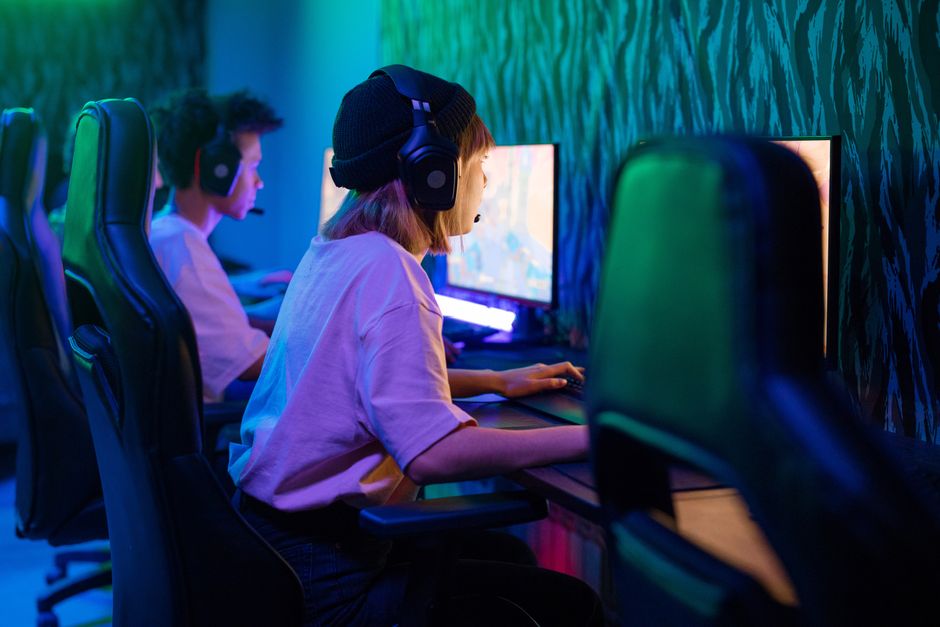
- The Scrim Hard-Stop: No scrims scheduled within 90 minutes of desired bedtime. This is non-negotiable.
- The Decompression Ritual: Use the final 20 minutes of the block for VOD review or team discussion, not actual gameplay. This moves the brain from high-arousal "combat" mode to analytical "review" mode.
- Digital Sunset: Encourage the team to step away from screens once they leave the practice area. Even 30 minutes of analog activity—reading, stretching, or just cooking—does wonders for sleep latency.
What Changes on Monday?
I ask this at every consulting gig, every internal meeting, and every workshop I run: What changes on Monday?
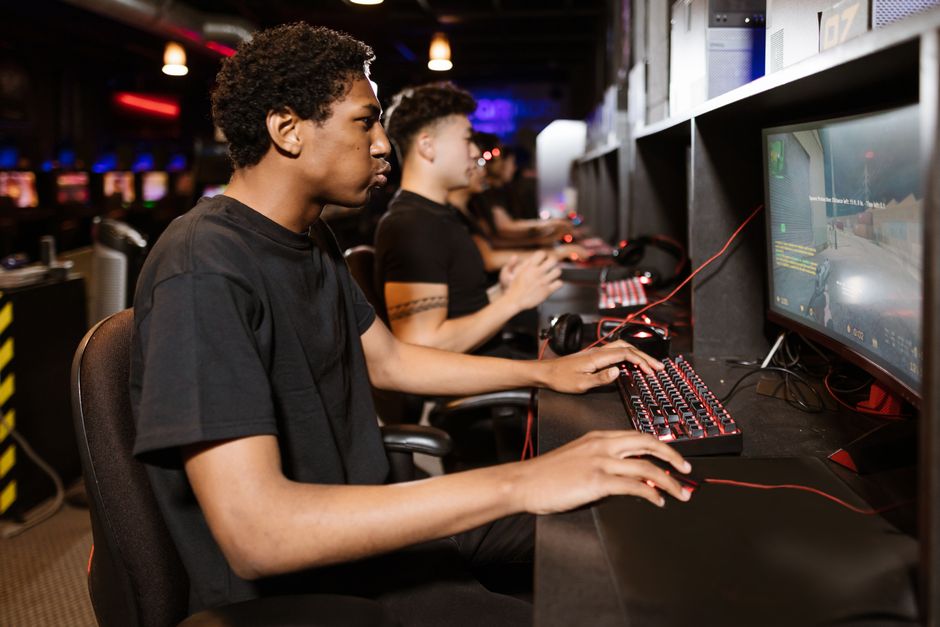
It’s easy to agree with these concepts. It’s hard to change the schedule. If you want a healthier team culture, you have to do the work of actual logistics. You can’t just put up a poster about wellness and call it a day. You need to audit your schedule. Does it allow for movement? Does it allow for a balanced meal? Does it allow for a brain that isn't fried by 6:00 PM?
Building the Framework
- Audit Your Scrim Blocks: Are you scrimming more than 6 hours? If so, are you seeing diminishing returns? Most teams hit a wall at 5 hours. Anything after that is usually "reps" without quality.
- Mandate "Mental Health Openness": During your weekly team meetings, make a space for non-game feedback. Ask: "What was the most frustrating part of this week?" If they feel comfortable saying "I was mentally fried by Thursday," you have a system that works.
- Strength Coaching isn't Optional: A good physical training program increases blood flow and stress resilience. It’s not about looking good; it’s about having a body that can handle the stress of the grind.
- Enforce the Off-Day: A day off should be a true day off. No "low-intensity" solo queue. No "just one hour of analysis." Total disconnection.
The Bottom Line
Sustainable performance isn't about working less; it’s about working smarter so you can stay in the game longer. The teams that win aren't necessarily the ones that grind the hardest; they are the ones that manage their fatigue the best. They are the teams that understand that their players are biological entities, not software that runs 24/7 without needing a reboot.
If you are a manager or a coach reading this, look at your schedule for this coming week. Where is the room for recovery? Where is the friction point causing late-night spillover? Fix those things. Stop relying on "discipline" to solve problems that are clearly operational. Change the environment, and the performance will follow. Now, what changes on Monday?
