Can an LED Bathroom Mirror Replace Overhead Lighting?
I’ve spent a decade helping folks in the Santa Clarita Valley pick out fixtures for their master bath remodels. Whether you’re working on a sprawling renovation in a FivePoint Valencia build or updating a vintage space in Canyon Country, the question is always the same: "Do I actually need that recessed overhead fixture, or can I just use an LED mirror?"
I remember standing on the showroom floor back in the day, watching customers agonize over lighting plans. They’d obsess over lumens and color temperatures, often buying way too much hardware. Let’s cut through the noise. Can an integrated mirror light really do the job of a traditional overhead fixture, or are you just setting yourself up for a dark corner?
Understanding Bathroom Lighting Layers
Before you rip out your ceiling cans, you have to understand the rule of "layers." Most bathrooms rely on three types of light:
- Ambient Light: The general "fill" light that illuminates the whole room (usually your overhead fixture).
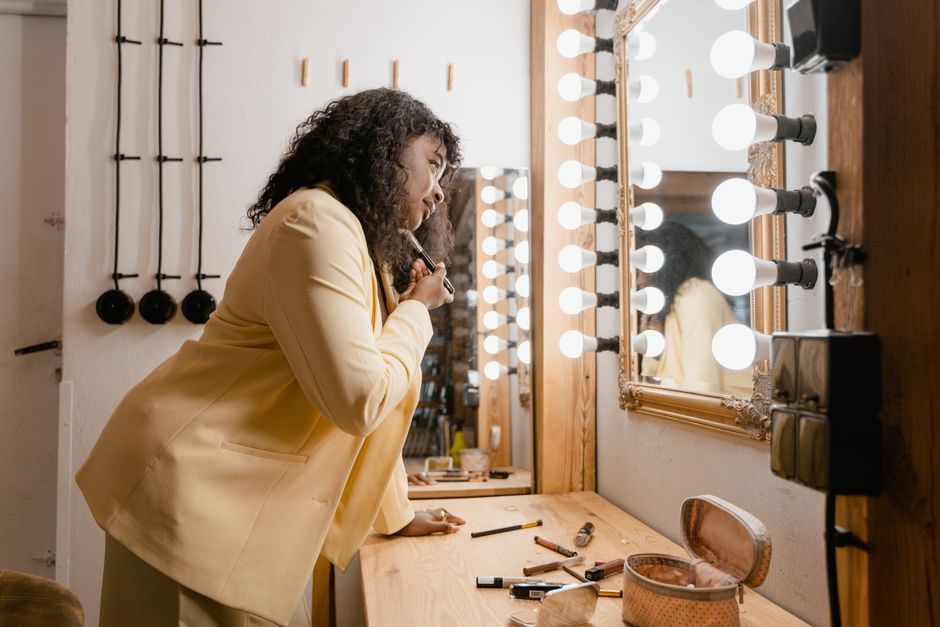
- Task Light: Focused light for shaving, makeup, or contacts (this is where your mirror lives).
- Accent Light: Decorative stuff, like niche lighting in a walk-in shower.
If you remove your overhead fixture, you lose that ambient fill. Can an LED mirror make up for that? Sometimes. But if you have a massive bathroom in a newer Valencia estate, a single mirror isn't going to light up the toilet alcove. You need to be realistic about your square footage.
The Truth About "Smart" Features
We see a lot of "game-changing" tech hitting the market. Companies like LED Mirror World are pushing mirrors that do everything short of brewing your morning coffee. But let’s keep it real: most of these bells and whistles get used for a week and then forgotten.
What’s Actually Useful
- Anti-Fog Demister Pads: This is the one feature I tell every client to get. There is nothing more annoying than stepping out of a shower in a humid Canyon Country morning and having to wipe your mirror with a towel, leaving streaks everywhere.
- Dimmable Color Temperature: Having the ability to switch from a crisp 5000K (daylight) for makeup to a warm 2700K for a relaxing bath is genuine utility.
The Features Nobody Uses
I’ve seen mirrors with built-in Bluetooth speakers and scrolling news tickers. I’m telling you now: 90% of customers stop using the built-in speakers within a month because their phone or a better portable speaker sounds twice as good. Don't pay extra for a "tech" gimmick that will be obsolete in three years.
Integration: The Smart Home Evolution
If you’re already obsessed with home automation—the kind of person who controls their app-controlled garage doors from the office—you’ll want to look at how these mirrors hook into your ecosystem. According to the latest trends gathered via Google search data, homeowners are increasingly looking for mirrors that sync with voice assistants.

Imagine walking into your bathroom and saying, "Hey Google, turn on the bathroom lights," and having the mirror brightness adjust to your morning preference automatically. That isn't just flashy; it's a seamless part of a modern morning routine.
Energy Efficiency and Maintenance
One of the biggest wins for LED mirrors is the drop in maintenance. Traditional incandescent or halogen vanity bulbs burn out, and finding the right color-matching replacement can be a nightmare. LEDs last for years. Because they are integrated directly into the glass, you aren't dealing with dust gathering on exposed bulbs or fixtures getting corroded by bathroom steam.
When you swap out that overhead fixture for a high-quality mirror, you’re usually moving from a 60-watt equivalent bulb to a 20-watt LED array. That adds up on your monthly SCE bill, especially if you’ve got teenagers who leave the lights on 24/7.
The "No Price" Problem
I want to address a common frustration I hear at the showroom counter: "Why isn't there a price on this thing?" It’s a common mistake in the industry. Many high-end manufacturers, including those who supply LED mirror companies, often don't provide a flat MSRP in their press materials or early release sheets. This isn't usually an attempt to hide the cost—it’s because the price fluctuates based on the size, the specific type of demister, and the smart-home protocol (Zigbee vs. Wi-Fi). If you see a site that LED mirror power consumption says "Contact for pricing," don't assume it’s an astronomical scam; just ask for a spec sheet.
Comparison: Overhead vs. Mirror
Feature Overhead Fixture Integrated LED Mirror Primary Use Room-wide ambient light Task lighting (shaving/makeup) Maintenance Frequent bulb changes Almost zero (long-life LEDs) Ease of Install Requires ceiling access Simple wall-mount (usually) Anti-Fog N/A Standard on mid-to-high end models Smart Home Smart bulb required Built-in integration possible
My Professional Verdict
Can you replace the overhead light? In a small guest bathroom, absolutely. It cleans up the ceiling lines and makes the room look larger. However, in a large primary bath, I suggest you treat the LED mirror as your primary task light while keeping a small, recessed ambient light for the general area.
Don't be seduced by the gimmicks. Look for a mirror with a high CRI (Color Rendering Index) so your skin tone looks right in the mirror, make sure it has a solid anti-fog pad, and ensure it can integrate with the smart home system you already use. If you want to stop by the shop or reach out to your contractor, ask them to show you the specs for the anti-fog integration—it’s the one feature that actually changes your day-to-day life.
Remember, your bathroom is a workspace. Treat it like one, keep the lighting functional, and leave the fancy gadgets for the living room.
