Caribbean Food Centennial: The Role of Food in Island Celebrations

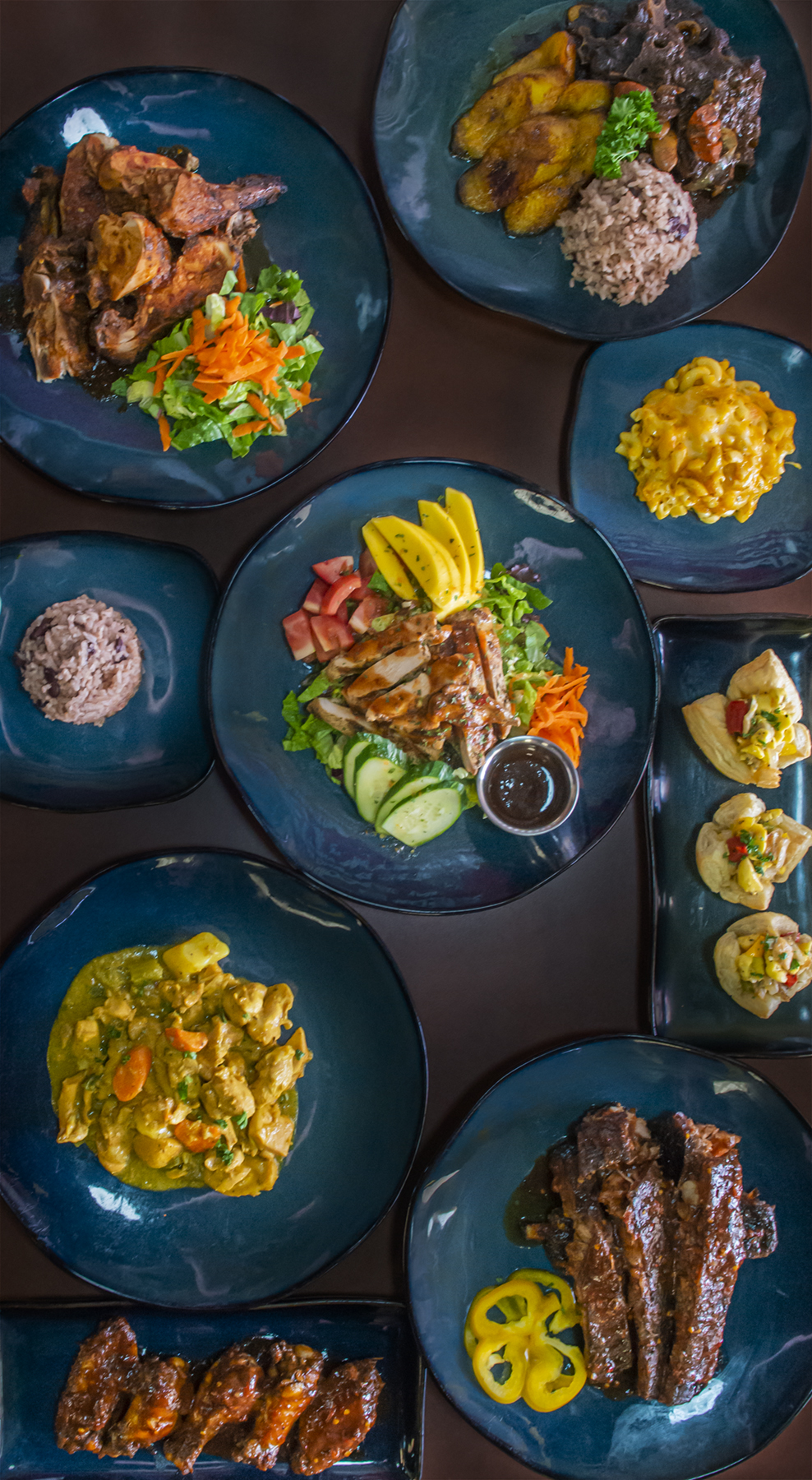
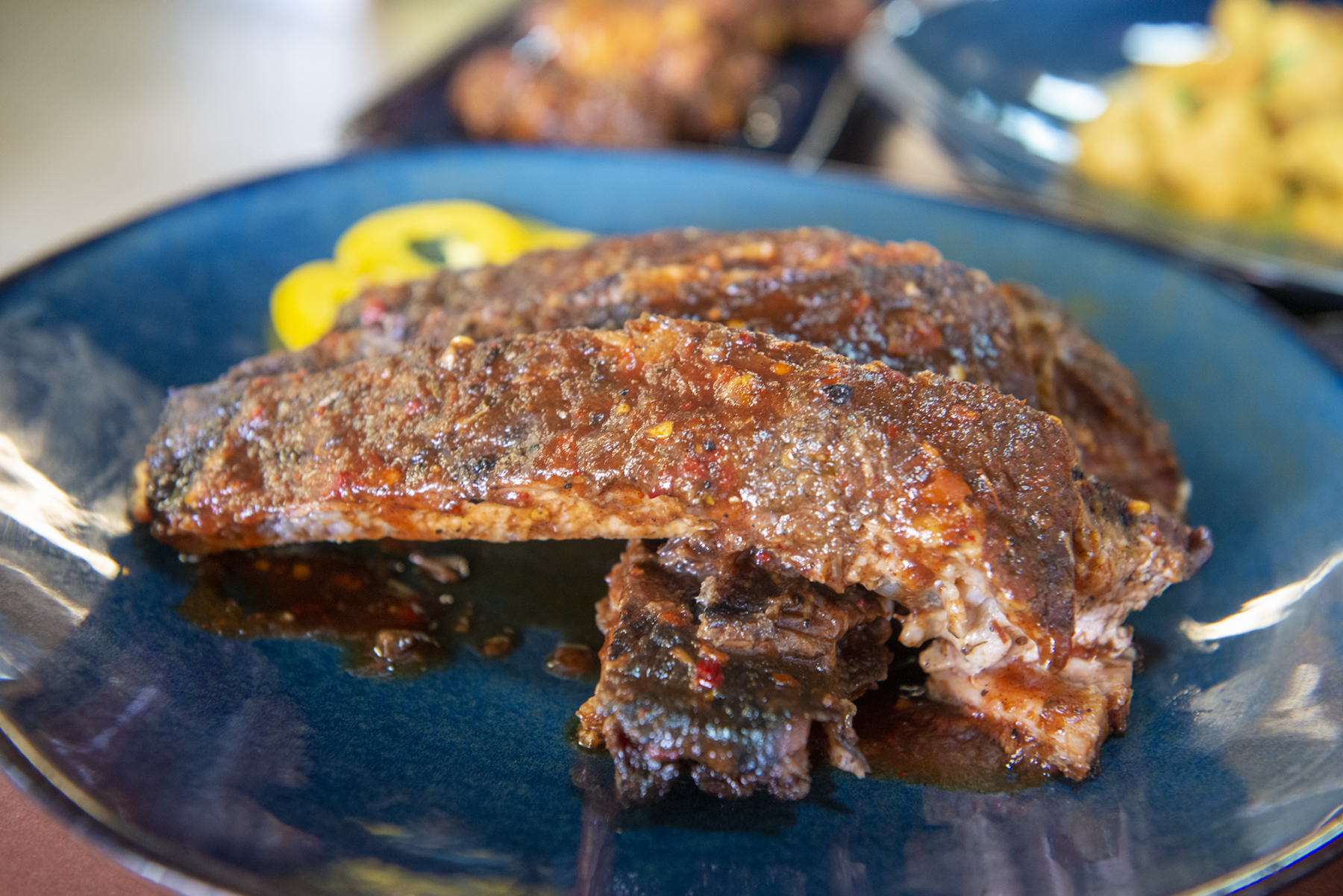
A centennial asks more of a community than a regular anniversary. One hundred years carries memory, pride, grief, migration, adaptation, and a strong urge to tell the next generation who they are. In the Caribbean, that story is rarely told through speeches alone. It is plated, stirred, wrapped, roasted, and shared. Food does not sit on the sidelines of island celebrations. It is often the event’s emotional center, the thing that gathers people in one place long enough for history to become personal.
That is what makes a caribbean food centennial such a meaningful lens. Whether a centennial marks national independence, the founding of a parish, the anniversary of a market, a church milestone, or the hundredth year of a family business, the table becomes an archive. Recipes carry evidence. Ingredients reveal trade routes and colonial systems. Cooking methods point to African, Indigenous, Indian, European, Chinese, and Middle Eastern influences that have shaped Caribbean societies over generations. A celebration meal can look festive on the surface and still hold difficult truths underneath.
Anyone who has spent time in Caribbean communities knows that “food for the event” means more than volume. It means judgment. What can hold well in tropical heat. What stretches without losing dignity. What can be cooked by elders who trust the old methods and by younger caterers using commercial kitchens. What feels special enough for a centennial, but familiar enough that guests recognize themselves in it. Those choices matter because they say, plainly, this is who we have been, and this is who we still are.
Why milestone celebrations in the Caribbean lean so heavily on food
A centennial celebration tends to bring together people who do not usually sit at the same table. Elders return with long memory. Younger people arrive with questions and a phone full of references from elsewhere. Diaspora relatives come back for a week and want everything at once, pepper sauce, fresh bread, cassava pone, fish broth, black cake, rum cake, sorrel, and the exact stew chicken they remember from childhood. Local organizers have to make a menu that satisfies nostalgia without turning the event into a museum piece.
Food works because it crosses all those lines with unusual power. Music can divide by taste or generation. Official ceremonies often feel distant. Historical displays may be meaningful but require attention and context. A meal reaches people immediately. The first spoonful of callaloo, the crackle of fried plantain, the scent of pimento wood smoke from jerk, these create instant recognition. Even guests who are not from the island understand that they are being welcomed into something with roots.
There is also a practical reason. Caribbean celebrations have long relied on collective labor. Cooking in large quantities is one of the few tasks that naturally organizes a community. People know where they fit. Someone handles the pot. Someone cleans fish. Someone grates coconut. Someone watches the fire. Someone tastes for salt, then tastes again because one aunt always believes the first judgment is too cautious. These acts are not ceremonial in a narrow sense, but they are ritual in the deepest one. They teach hierarchy, trust, humor, and endurance.
At a centennial, those rituals become more visible because people feel the weight of time. A woman showing her niece how to seal a patty or fold a pastelle is not just passing on technique. She is deciding what deserves continuation. A man insisting that breadfruit must be roasted whole over coals, not hacked into pieces and rushed in an oven, is making an argument about patience and flavor, but also about standards. That sort of insistence can sound stubborn from the outside. In practice, it is often how culinary memory survives.
A century on the plate
The Caribbean is not a single cuisine, and centennial menus reveal that quickly. Even neighboring islands can tell different stories through their celebratory foods. In Jamaica, a milestone gathering might feature jerk pork, festival, rice and peas, mannish water, and dense fruit cake soaked over time. In Trinidad and Tobago, doubles may appear in the morning, then pelau, callaloo, curried duck, and pastelles at the larger event. In Barbados, pudding and souse, cou-cou with flying fish, fish cakes, and sweet bread might anchor the spread. In Puerto Rico, pernil, arroz con gandules, pastelón, bacalaítos, and tembleque may frame the day. In Haiti, soup joumou carries political meaning that goes well beyond taste. In Guyana, pepperpot is as much heritage marker as holiday dish.
What unites these foods is not sameness but function. They are dishes that hold memory well. Many are festive because they demand labor or expense, or because they were historically reserved for Sundays, Christmas, wakes, weddings, christenings, or major public events. Some are “big pot” foods that make sense when a crowd is coming. Others are small items sold from trays and stalls, which matter just as much at public centennial festivals because they keep people moving, talking, and grazing.
A centennial plate often contains a compressed history of the island itself. Rice paired with pigeon peas or beans reflects agriculture, trade, and adaptation. Saltfish points to preservation systems tied to colonial commerce. Curry techniques speak to indenture and migration. Ground provisions, yam, cassava, green banana, eddoes, dasheen, show continuity with older foodways that predate imported staples. Rum desserts speak to sugar’s brutal history and to the social worlds that grew around the plantation economy. It is difficult to separate celebration from that history, and in many Caribbean settings, people do not try. They live with both truths at once.
Street food and public memory
One mistake outside observers make is to focus only on formal banquet dishes. Public celebration in the Caribbean often happens on the move. People eat standing up, leaning against a stall, walking a promenade, or sitting on a folding chair near a bandstand. During a centennial, that matters because public memory is not built only in auditoriums. It is built in queues, in side conversations, in vendors calling out what is fresh, in children asking for one more sweet drink, in elders comparing one cook’s tamarind balls to another’s.
Street food creates a democratic space. Not everyone will attend the official dinner or have access to a private family gathering, but many people can buy or share a small plate. That is one reason vendors are so important to island celebrations. Their food is often the first taste visitors encounter and the most vivid flavor they take home in memory. A single well-made bake and shark, a paper bag of accras, or a cup of souse on a hot afternoon can do as much cultural work as a speech from a podium.
There is also a distinct rhythm to street food at major milestones. It allows for repetition without fatigue. A centennial celebration may run all day or all week. People need foods that can be eaten at different hours and in different moods, something fried and crisp after a parade, something brothy later in the evening, something sweet after dancing. This is where local experience matters. Organizers who ignore these patterns often end up with food that looks impressive in planning meetings but fails in real conditions. Heat, transport, holding time, and crowd flow are not side issues. They shape whether guests feel cared for.
The ceremonial dishes that carry the loudest meaning
Some foods carry a special symbolic charge because they are already linked to freedom, reverence, mourning, or abundance. At centennial events, these dishes often become the emotional high points of the menu.
Soup is a common example. Across the Caribbean, soups and one-pot dishes mark seriousness. They are often made for Christmas morning, funerals, harvest gatherings, and major family events. A large pot of soup announces effort. It says the host did not take shortcuts. It also invites conversation because soups are impossible to make without adaptation. Every cook has an opinion on thickness, seasoning, meat cuts, provision ratios, or finishing herbs.
Cake plays a similar role in another register. A centennial cake may be a formal object for ceremony, but cakes and dense celebratory breads do more than decorate a table. Black cake in particular carries the long preparation of dried fruit, spirits, spice, and patience. It tastes like planning. It tastes like somebody thought ahead. That matters at a hundred-year milestone, where anticipation and memory are part of the point.
Then there are dishes reserved for specific communities and calendars. In some places, the presence of a dish instantly changes the emotional tone of a gathering because it ties the event to a deeper historical line. Soup joumou is a powerful example in Haitian life because of its association with independence. In Trinidad and Tobago, the appearance of pastelles during the festive season evokes a whole network of family labor and seasonal expectation. In Guyana, pepperpot has that same capacity to signal continuity and occasion. The food on the table tells guests what kind of memory they are entering.
Food as a language of belonging for the diaspora
No centennial conversation in the Caribbean is complete without the diaspora. Migration has shaped island food as much as climate and agriculture have. Some of the strongest emotional energy at centennial events comes from people who no longer live on the island but return for major milestones. Their relationship with food is often intense, and sometimes a little complicated.
Diaspora guests tend to remember dishes as fixed, even when local cooks know they have always changed. A second-generation visitor may insist that a childhood version of sorrel or stew peas is the authentic one, when the truth is that every parish, village, and household has its own logic. This can create tension, especially when organizers adapt menus for budget, ingredient shortages, health regulations, or changing tastes. Yet it can also create wonderful moments of rediscovery. I have seen people who had not visited home in twenty years become unexpectedly quiet over a simple plate of boiled green bananas and saltfish, not because it was luxurious, but because it returned them to a kitchen they thought they had lost.
For centennial planners, diaspora expectations are both an opportunity and a challenge. Returning relatives often want the “old foods,” but they may also need clearer ingredient labeling, lighter portions, or alternatives that reflect changed habits. Someone who grew up on oxtail may now avoid red meat. Someone else may want a gluten-free cassava-based option. Good Caribbean hospitality has always involved flexibility, but modern centennial events require more of it.
The best celebrations handle this without flattening local identity. They do not replace the core menu to suit outside demand. Instead, they widen access while preserving the spirit of the food. That might mean keeping the traditional fish broth and also offering a hearty ital stew. It might mean serving smaller portions of richer dishes alongside fresh fruit, salads, and roasted vegetables. When this is done well, nobody feels that tradition has been sacrificed. It simply feels like the host understood the room.
The pressure to modernize, and what gets lost when it goes too far
Centennials often attract sponsors, tourism boards, and polished event planners. That can be useful. Better equipment, safer food handling, cleaner service areas, and stronger logistics all improve the guest experience. But there is a point where “elevating” island food starts stripping out the very textures that make it meaningful.
This usually happens when menus are redesigned to appear more refined to international visitors. Small towers of this, foams of that, miniature deconstructed versions of deeply rooted dishes. There is a place for contemporary Caribbean cuisine, and some chefs do it brilliantly. The problem comes when the visual performance matters more than the cultural logic of the dish. A centennial celebration is not just a branding exercise. Guests should recognize the food in front of them as part of a living tradition, not only as a chef’s concept.
The trade-off is real. Large events cannot always rely on open fires, hand-grated coconut, or all-night marinating done in someone’s backyard. Health codes, weather, staffing, and scale push organizers toward modern systems. The smartest approach is usually not to reject modernization but to be selective about where it enters. Use blast chillers if needed. Use safer transport containers. Standardize portions for service efficiency. But keep the seasoning profiles honest, respect the dish’s texture, and preserve the serving rituals that tell guests they are eating something more than event catering.
A plate of jerk, for example, can be adapted for volume production, but if it arrives without smoke, heat balance, or the rough edges that make it jerk, guests notice immediately. The same is true of curries that are underdeveloped, rice dishes that are too dry, or festival sweets made merely sugary instead of fragrant with spice and citrus peel. Centennial food does not have to be rustic, but it does have to feel true.
What a strong centennial menu tends to get right
When organizers succeed, they usually understand a few practical principles that are easy to overlook during planning.
- They balance iconic dishes with foods that can actually be served well at scale.
- They respect local seasonality and sourcing instead of importing unnecessary replacements.
- They make room for elders’ expectations without ignoring current dietary needs.
- They treat vendors and home cooks as cultural assets, not as secondary to formal caterers.
- They build in time, labor, and budget for proper seasoning, resting, and finishing.
Those points sound simple, but they are hard won. A centennial menu can fail from trying to do too much. Ten ambitious dishes cooked badly leave a weaker impression than four strong ones executed with care. In my experience, guests forgive a narrower menu faster than they forgive food that feels rushed, bland, or disconnected from place. Caribbean food relies heavily on depth, timing, and confidence. Shortcuts reveal themselves quickly.
The women, men, and informal networks behind the food
Public attention often lands on chefs, but many of the most important centennial meals are built by networks that are only partly visible. Church groups, market women, aunties known for one particular dessert, fishermen who know when the catch will be best, farmers holding aside extra callaloo or yam for the weekend, rum shop owners lending coolers, younger cousins making delivery runs, these are the actual mechanics of island celebration.
This matters because food heritage is not preserved by recipes alone. It survives through social systems. One person knows who can source enough cassava without compromising quality. Another knows which drummer’s family also makes the best pepper sauce. Another remembers that a certain elder no longer cooks publicly but will still come season the meat if asked properly. These relationships are often more decisive than any written plan.
Centennial events can strengthen or weaken these networks. If organizers import too much from outside, local expertise gets bypassed. If they involve community cooks only as symbolic figures while outsourcing the real work, younger people miss the chance to learn. But when planning is collaborative, the event becomes intergenerational training. A teenager sent to help package tamarind sweets today may be the one preserving that craft twenty years from now.
How food turns history into something people can feel
There is a reason people remember the meal long after they forget the order of speeches. Taste is intimate. It enters memory through the body. A centennial celebration may include banners, archives, and official language, but food gives history texture. It makes abstract ideas like continuity, emancipation, migration, resistance, and blending feel tangible.
A simple example is the use of ground provisions. Many caribbean food centennial younger guests, especially those raised abroad, may know rice, pasta, and bread more intimately than yam, cassava, or green fig. Serving those foods at a centennial is not a quaint gesture. It reintroduces a different agricultural logic and a different sense of nourishment. Likewise, serving a slow-cooked dish that asks guests to linger changes the pace of the celebration itself. People talk longer. They compare memories. They ask who made it. History opens through those small acts.
This is one reason the idea of a caribbean food centennial resonates beyond any single event. It points to food as a record of endurance. Caribbean cuisines were formed under pressure, scarcity, ingenuity, forced movement, and constant exchange. The celebratory table reflects all of that. It contains survival food made festive, imported ingredients made local, old techniques made adaptable. To eat at a centennial is often to eat a history of transformation.
Preserving tradition without freezing it
Tradition survives by moving. That is true in every serious food culture, and especially in the Caribbean, where change has always been part of daily life. The aim of a centennial celebration should not be to freeze food at some imaginary perfect moment in the past. It should be to preserve continuity while allowing the cuisine to keep breathing.
One productive way to think about this is to separate essence from detail. The essence of a dish may live in its seasoning, its method, its social use, or the moment when it appears on the calendar. The details, portion size, plating style, side pairing, may shift. A cook can lighten a preparation, shorten a service step, or source a substitute during shortage without necessarily betraying the dish. But that requires judgment, and not every substitution is harmless.
The most credible custodians of food heritage are usually the ones who know exactly where they can bend and where they cannot. They understand that a centennial event is not a test of rigidity. It is a demonstration of stewardship. If the food still speaks clearly, still tastes like itself, still brings the right people to the table and sends them home feeling seen, then the tradition remains alive.
What guests carry away
Long after decorations come down, people tend to remember a centennial through fragments. The smell near the grill at sunset. A small child with sorrel on his shirt. The argument over whose coconut tart was best. The old man who said the pepperpot needed another hour, then went back for a second bowl. The niece who finally learned how to roll the dough properly. These are not trivial details. They are how collective memory forms.
Food matters in island celebrations because it allows a community to honor a hundred years without speaking only in formal terms. It can hold grief and pleasure in the same spoonful. It can mark achievement while acknowledging the labor that made it possible. It can welcome strangers and still remain deeply local. Most importantly, it gives people a way to participate in history rather than merely observe it.
For a Caribbean centennial to feel complete, the meal cannot be an afterthought. It has to carry the weight of place, season, memory, and craft. When it does, the celebration stops being a date on a banner and becomes something fuller, a living exchange between generations, served hot, passed by hand, and remembered long after the music fades.
Reggae Pot Jamaican Grill
Address: 7562 S University Blvd Unit C, Centennial, CO 80122
Phone: (303) 997-5623
FAQ About caribbean food centennial
What Jamaican dishes can I try in Centennial?
Reggae Pot Jamaican Grill serves Jamaican specialties such as jerk chicken, stewed oxtail, curry goat, and ackee and saltfish. Check the current menu for availability.
What is ackee and saltfish?
It is Jamaica’s national dish. The restaurant prepares ackee with salted cod, onions, thyme, tomatoes, garlic, black pepper, and pimento.
Can I order Jamaican food for pickup in Centennial?
Yes. Choose the Centennial location at 7562 S University Blvd Unit C when placing a takeout order.
