Counseling vs. Coaching: What’s Best for Your Mental Health Goals?
When someone asks whether they should find a therapist or hire a coach, I start with a few anchoring questions. What hurts, and how long has it hurt. What is the cost if nothing changes in the next three months. What kind of support has actually helped before. The answers usually point clearly to either counseling or coaching, and sometimes to both in sequence.
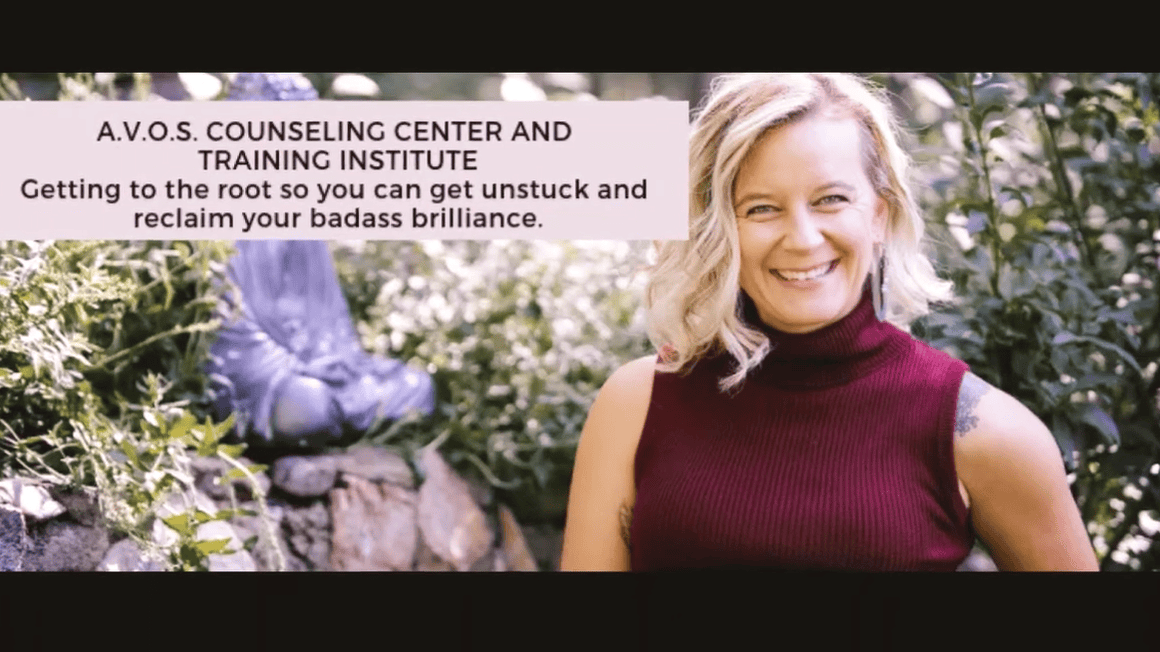
The distinction is less about which field is better and more about scope, safety, and fit. Both can be life changing. Both rely on a trusting relationship. And both require effort between sessions to see lasting change. The right choice depends on your symptoms, your goals, your timeline, and your resources.
What each path focuses on
Counseling, sometimes called psychotherapy, psychological therapy, or talk therapy, is designed to address mental health symptoms, painful patterns, and the roots of distress. It is regulated, evidence based, and oriented toward recovery and relief. A therapist can evaluate symptoms, consider diagnoses when appropriate, and select approaches such as cognitive behavioral therapy, psychodynamic therapy, or trauma-informed care. When relevant, they may involve couples therapy, family therapy, or group therapy to address patterns that live between people, not just within one person. Their lane includes past experiences, attachment theory, trauma recovery, emotional regulation, and how these influence the present.
Coaching focuses on performance, clarity, and action in a defined area of life or work. A coach supports goal setting, accountability, and skill building. Sessions tend to be future facing and practical. You might hire a coach to switch careers, build leadership skills, develop a mindfulness practice, prepare for a promotion, or create structure when motivation wobbles. Great coaches bring frameworks, feedback, and momentum. They rarely address diagnostic mental health concerns or the deep roots of trauma. That is outside their scope.
These are broad strokes. In practice, counseling often includes skills training and action plans, and coaching often attends to emotions and beliefs. I have seen a leadership coach use impeccable listening and presence to help a client name a long-avoided grief, then refer them to a therapist while continuing the leadership work. I have seen therapists set highly specific homework and KPIs for clients recovering from burnout because forward motion was part of the healing. The boundary is not a wall, but it matters.
Scope, training, and accountability
Licensed therapists complete graduate training, supervised clinical hours, and state or national exams. They follow ethical codes and are trained to assess risk, keep clients safe, and integrate research-backed methods such as cognitive behavioral therapy and psychodynamic therapy. Many add specialized training in somatic experiencing, narrative therapy, or bilateral stimulation methods used in trauma treatment. Their scope includes anxiety disorders, depression, PTSD, OCD, and complex relational issues informed by attachment theory.
Coaches come from varied backgrounds. Some hold certifications through organizations with standards and ethics, others develop a practice based on experience and a niche. Strong coaching programs teach contracting, goal design, feedback, and motivational methods. Some coaches pursue advanced study in mindfulness, conflict resolution, or communication models. Excellent coaches know when to refer out if symptoms suggest a mental health condition. The best are transparent about their training and boundaries.
Accountability looks different. A therapist documents care, protects your privacy under health regulations, collaborates with physicians when needed, and often can bill insurance. A coach operates privately, may use clear outcome contracts, and typically does not bill insurance.
How the work feels in the room
Therapy sessions often move between present day stressors and their roots. You might notice how you shut down when criticized, then track that reflex back to early family dynamics. You practice new responses with your therapist, and between sessions you try them in real life. The therapist monitors for dissociation, panic, hopelessness, or self-harm risk, adjusts pace, and builds the therapeutic alliance so you feel safe enough to experiment. A trauma-informed care approach keeps choice, collaboration, and empowerment front and center. You are not forced to retell every detail. Instead, you and your therapist decide what to approach, and how.
Coaching sessions feel energetic and pointed. The coach clarifies what you want, what gets in the way, and what you will try before the next meeting. You measure progress concretely, such as number of outreach calls made, sleep hours tracked, or a script practiced for a tough conversation. Emotions matter, but the emphasis is on translating insight into repeated action. If a client suddenly shows signs of panic attacks or major sleep disruption, a responsible coach pauses the performance agenda and recommends an evaluation with a therapist or physician.
Methods that often tip the scale toward therapy
Certain symptoms and histories suggest psychotherapy is the safer, more effective first stop. If you experience recurrent panic attacks, intrusive thoughts that frighten you, prolonged low mood, flashbacks, or episodes of dissociation, a therapist trained in cognitive behavioral therapy or other evidence-based approaches is appropriate. Counseling is also important if substance use affects functioning, if eating patterns feel compulsive or punishing, or if self-harm thoughts appear. Coaching is not built to manage clinical risk.
Trauma deserves care that respects the nervous system. Somatic experiencing, for example, helps people notice body sensations linked to survival responses, then release activation gradually rather than reliving it. Therapies that use bilateral stimulation, such as eye movement methods integrated into trauma protocols, can help the brain process stuck material safely. These are not tools for performance coaching, and good coaches know it.
Relational injuries often benefit from couples therapy or family therapy. An experienced couples therapist will attend to blame cycles, defensiveness, and attachment wounds while teaching conflict resolution skills and emotional regulation techniques. That focus on the bond, not just two individuals, changes the conversation. Group therapy can also be powerful when patterns play out with peers, for example learning to set boundaries or receive feedback without spiraling.
Psychodynamic therapy and narrative therapy help people see how old stories run the current show. In one case, a client named Mara sought coaching for stalled productivity. She kept fine tuning plans but could not start, then felt ashamed. In therapy, she discovered that achievement and love had been fused in childhood. Pausing work felt like losing worth. Once she named that story and grieved it, a coach could later help with time blocking and energy management. The sequence mattered.

When coaching is the right first move
If your mood is stable, your sleep and appetite are steady, and your central challenge is closing the gap between intention and follow through, coaching fits well. Think of situations like pivoting into a new role, designing a sabbatical, building a meditation habit that sticks past week two, or learning how to negotiate without freezing. A coach structures experiments, accountability, and feedback loops so your actions align with your goals.
I worked with a manager, Ken, who did not need therapy. His issue was a feedback allergy that stalled his team. We set a 90 day plan: clarify expectations in writing, practice a short script for hard messages, schedule debriefs within 24 hours of key meetings, and track emotional spikes using a simple breath and label sequence. He surprised himself by sleeping better after week three, not because we processed childhood events, but because his fear of conflict had a channel. If he had reported panic attacks, nightmares, or hopelessness, I would have moved him toward counseling first.
How diagnoses and medications fit
Therapists can assess for and diagnose mental health couples therapy conditions when indicated, or collaborate with psychiatrists or primary care providers. Many clients never receive a formal label, but the therapist still works within tested frameworks. For example, a CBT plan for social anxiety might include thought records, graded exposure to feared situations, and mindfulness exercises to observe worry loops without buying into them. Couples therapists might add structured timeouts and repair scripts so an argument does not cascade.
Coaches do not diagnose or treat mental health conditions. If you already take medication for anxiety or depression and feel stable, you can still work with a coach on professional or personal goals. The caveat is clear communication and a plan if symptoms return. I ask clients to name three early warning signs, such as skipping meals, ruminating past midnight, or canceling plans, along with what they will do if those signs appear.
The tempo of change
People often ask how long therapy or coaching will take. The honest answer is, it depends on the severity of symptoms, the number of domains affected, and the life stress around you. Many coaching engagements last 8 to 16 sessions spread over two to six months, with momentum continuing through brief check-ins afterward. Short term therapy for a focused issue, such as a single phobia, might also run 8 to 16 sessions. Trauma therapy, personality pattern work, or family system shifts can take longer. It is not a flaw to need more time.
What speeds progress in either path is practice. Emotional regulation grows not by talking about it once a week but by rehearsing it daily. In therapy, that might mean grounding and breath work when you sense a panic rise, followed by a quick journal entry to track triggers. In coaching, it might mean five micro actions each morning before checking messages, then a one minute mindfulness reset before afternoon decisions. Both roads require repetition.
A side by side snapshot
When your calendar is packed and your attention thin, a compact comparison helps. Here are five differences that matter for most people deciding where to start.
- Scope: Counseling targets mental health symptoms and patterns across time, coaching targets goal achievement and performance in defined areas.
- Training and regulation: Therapists hold licenses and follow clinical standards, coaches vary in training and operate outside medical regulation.
- Methods: Therapy uses modalities like cognitive behavioral therapy, psychodynamic therapy, somatic experiencing, and trauma-informed care, coaching uses goal design, accountability structures, and skills practice.
- Risk management: Therapists assess and manage risk, coordinate with medical providers, and can address crises, coaches refer out when clinical risk appears.
- Billing and access: Therapy may be covered by insurance and requires protected documentation, coaching is typically private pay with flexible formats.
Safety, culture, and the felt sense of fit
Safety is not abstract. In trauma-informed care, it shows up in how the room is arranged, the pacing of questions, and the consent you give before entering hard territory. If your nervous system speeds easily into fight, flight, or freeze, you need a therapist who can slow the process and help you orient to safety cues. Coaching can feel too brisk if your body is still scanning for danger.
Cultural fit matters too. If you grew up in a family or community where seeking help was stigmatized, sitting with a therapist who understands those layers will save months. If English is your second or third language and you think in another script, narrative therapy can honor that complexity by asking how stories travel across languages. In couples therapy, understanding each partner’s cultural attachment patterns can stop pathologizing behaviors that once kept someone safe.
Group therapy deserves special mention. For people who struggle with isolation, people pleasing, or conflict avoidance, a well led group offers real time practice. You feel the micro-shifts in your body as you speak a hard truth, and you watch others do the same. In coaching, group formats can also add accountability and perspective. The difference is that therapy groups attend to emotions and patterns with clinical guardrails, while coaching groups tend to push toward defined outcomes.
How mindfulness shows up
Mindfulness can be both a clinical tool and a performance tool. In therapy, it helps clients observe thoughts as events in the mind, not commands. A client learning to manage OCD might use brief mindfulness to notice the urge to check the stove again, label it as an urge, ride the wave without acting, and return attention to the present. In coaching, mindfulness sharpens decision quality by creating a pause before a reply, a meeting, or a trade. The exercises can look similar, but the frame differs. In therapy, mindfulness supports symptom reduction and emotional regulation. In coaching, it supports clarity and follow through.
What mixed cases look like
Life rarely presents in tidy categories. Consider Sami, who sought help for constant conflict with his partner. He wanted a coach to give communication scripts. Within two sessions it became clear he dissolved under criticism, then counterattacked. A couples therapist identified an anxious-avoidant dance rooted in early attachment wounds. Therapy focused on slowing escalation, naming triggers, and building repair skills. After six months of progress, a coach helped him apply the same skills at work, where conflict with peers had long simmered. The handoff kept each provider in their lane and was smoother because both agreed on goals.
Another client, Lila, hired a career coach to navigate a pivot into user research. She was tearful in the first meeting, sleeping four hours a night, and skipping meals. She assumed it was garden variety stress. The coach paused the engagement and recommended an evaluation. Therapy revealed major depression triggered by a complicated grief. After treatment, she returned to coaching with steadier energy and switched careers within a year. Without the referral, the drive for outcomes could have deepened the crash.
A practical way to decide
You do not have to map the entire journey alone. Use the following checkpoints to choose a starting point this month.
- Identify current symptoms: If you have panic, flashbacks, prolonged low mood, compulsions, active grief, or disordered eating, start with counseling.
- Clarify the core aim: If you feel basically steady and want to hit a concrete target, like a job change or leadership skill, coaching fits.
- Consider safety and risk: If self-harm thoughts, substance misuse, or unsafe home dynamics exist, choose therapy, and consider adding couples therapy or family therapy if relationships are central.
- Map time and money: If insurance coverage matters or you need medical coordination, therapy may be more accessible, coaching usually requires private pay but may need fewer sessions.
- Test the fit: Book one consultation each. Ask about methods, boundaries, and what a typical month of progress looks like. Notice your body’s response in each meeting.
What to ask during consultations
In a therapist consult, ask which modalities they use and why. If trauma is part of your story, ask about their approach to trauma recovery, whether they draw on somatic experiencing, cognitive behavioral therapy, psychodynamic therapy, or narrative therapy, and how they pace exposure to difficult material. If sleep is unstable or appetite shifted, mention it. If you are in a couple, ask whether they recommend individual work first or couples therapy, and how they manage high conflict or safety concerns. The content of their answers matters less than their clarity and your sense of safety.
In a coaching consult, ask about outcomes with clients like you, how they structure accountability, and how they handle setbacks. A skilled coach describes a cadence, such as weekly sessions for the first month then biweekly, plus check ins by message as needed. They should be comfortable naming what is outside their scope and how they would help you pause or refer if mental health concerns surface.
How the therapeutic alliance and coaching relationship drive results
Research consistently shows that the strength of the therapeutic alliance predicts outcomes as much as, and sometimes more than, the specific modality. That alliance forms when you feel understood and respected, the goals make sense to you, and you agree on how you will work. In coaching, the relationship is equally central, though less studied in clinical terms. You need a partner who can both challenge and cheer, who will not collude with your excuses, and who will also not shame you when you miss a mark. If you fear letting people down, name that upfront. The right professional will help design accountability that does not trigger collapse.
Managing transitions between counseling and coaching
People often move between therapy and coaching across a year or two. A common sequence: therapy to stabilize mood and build emotional regulation skills, then coaching to apply those skills toward promotions, creative output, or relationship goals. Another path: coaching first to break isolation and create structure, then therapy when the structure reveals deeper pain. The transition works best when the professionals share a brief summary, with your consent, of what helped and what still trips you. You do not need your whole life retold at each handoff. A crisp map of triggers, effective tools, and goals is enough.
Expect a short wobble during transitions. When you stop therapy, some clients notice more space for action, and others feel exposed without the weekly container. When you stop coaching, you might miss the engine of deadlines and challenges. Plan a taper. For example, shift from weekly to monthly sessions for a quarter, then move to as needed. Keep your self-care foundations in place, including sleep, movement, food, and a steady mindfulness practice if you have one.
The role of values and meaning
Both counseling and coaching work better when anchored in values. In therapy, clarifying values helps you tolerate the discomfort of exposure work or hard conversations because you are moving toward something that matters, not just away from pain. In coaching, values keep goals from becoming a treadmill. A promotion that buys you no time for family or art may undercut your well being. I ask clients to name their top three values in plain language and to test every goal against them. If a step violates a core value, we redesign. It is easier to sustain progress when your actions and identity align.
Cost, access, and realistic alternatives
Access varies by region. In many cities there are waitlists for therapists who take insurance. Do not let that stop you. While you wait, consider group therapy, which is often more available and less expensive. Many communities offer sliding scale clinics staffed by supervised trainees who bring strong current training in modalities like cognitive behavioral therapy and narrative therapy. For coaching, some employers sponsor programs, especially for leadership or role transitions.
If funds are tight, be wary of one size fits all wellness programs that promise quick fixes for complex pain. A short, targeted coaching package makes sense for a concrete skill gap. It does not treat trauma. Likewise, a few therapy sessions will not reverse a decade of work avoidance without coordinated practice. Aim for a plan that matches the weight of the problem.
A grounded way forward
If you feel fragile, start with counseling. If you feel steady and stuck, consider coaching. If both are true in different ways, begin with therapy until your sleep, mood, and daily structure stabilize, then add coaching when you want to accelerate toward goals. Let the specifics of your life guide you. The right help will feel like a conversation that honors your history, sharpens your focus, and respects your pace. Whether you are settling flashbacks with bilateral stimulation in the therapy room, practicing conflict resolution in couples therapy, learning mindfulness to ride out a wave of worry, or building the consistency to ship work on time with a coach, the aim is the same: less suffering, more freedom to choose your days.
