Deck Building Contractors: Managing Inspections and Code Changes
Building a deck looks simple from the sidewalk. A few posts, beams, joists, and boards, then railings and stairs. The difference between a deck that passes inspection on the first try and one that lingers in rework purgatory is usually not carpentry skill. It is how well the contractor understands the code landscape, anticipates shifts in interpretation, and manages the inspection process from the first sketch to the final sign-off. That is where projects save time and money, and where reputations are made.
This is a look at what careful deck building contractors do behind the scenes to protect clients and crews, covering both residential deck building codes and commercial deck building codes. The work isn’t glamorous. It involves phone calls to permitting offices, dull reading of code changes, and the discipline to document everything. Yet those habits keep a wooden deck on schedule and make it safer to use.
Why codes change and why it matters on a deck
Every few years, model codes tighten details that matter on a deck: lateral bracing to prevent racking, post connections that resist uplift, railing loading, staircase geometry, and hardware corrosion resistance. By the time those model codes get adopted locally, an inspector’s red pen has often shifted from education to enforcement. That is the gap where projects fall down.
A common example is guard load. Many jurisdictions have moved toward 200 pounds concentrated load at any point on the top rail, with in-fill requirements that prevent 4-inch sphere passage. The load value is a number; the real-world implication is that thin baluster screws into softwood blocking may not cut it. A contractor who reads the code, then reads the fastener’s evaluation report, will choose a system that tests to the required load instead of guessing.
Another frequent change concerns ledger attachment. Several cities now insist on either full flashing with continuous water management or a free-standing deck when the home’s cladding and sheathing make a proper ledger risky. If you learned on older homes with solid rim joists, but now work on houses with foam exterior insulation, you cannot treat the ledger the same way. The code’s language on load paths and corrosion protection is your map.
The difference between residential and commercial deck codes
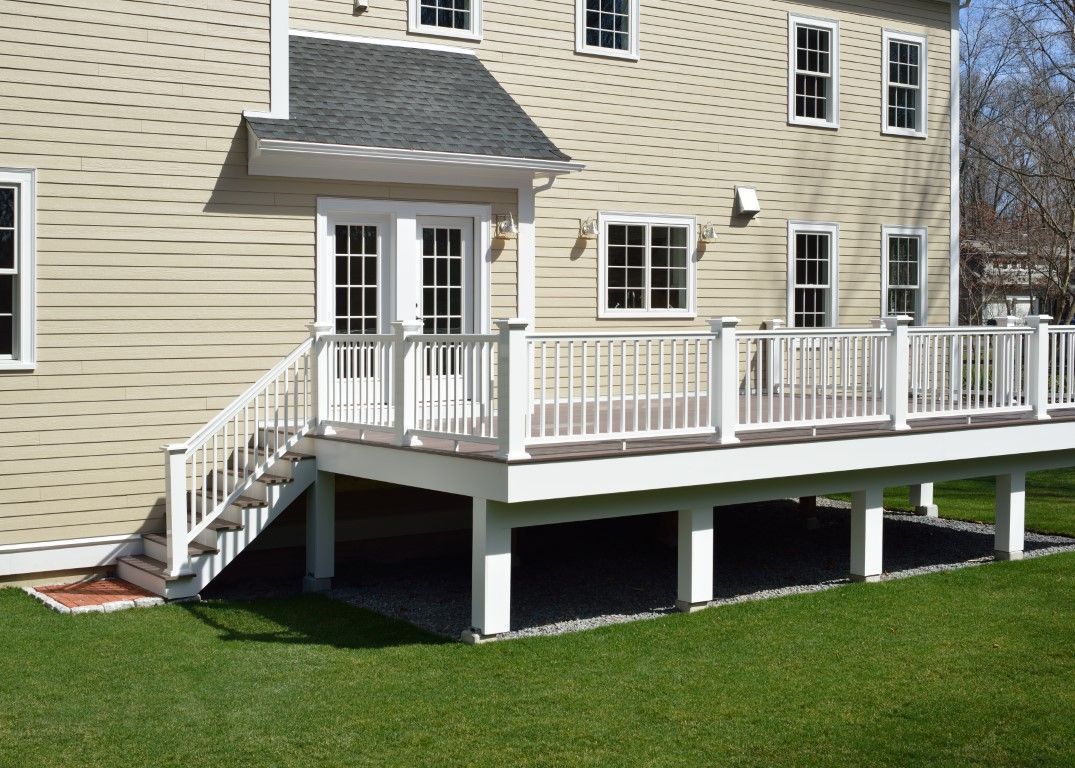
Residential decks typically follow the International Residential Code, with local amendments and supplements. Many municipalities publish a prescriptive deck guide that interprets the IRC for common details. Those guides are gold if your deck fits within the dimensional limits. They layout joist spans for specific species and grades of lumber, footing sizes for typical soil bearing, and prescriptive connections for ledgers.
Commercial decks and exterior platforms generally fall under the International Building Code. That change in book means different live loads, different railing requirements, and more frequent engineered design. A restaurant patio, rooftop terrace, or grandstand adjacent to a commercial space will likely be designed by a structural engineer who stamps drawings. Accessibility also becomes central. Stairs, handrails, ramps, landings, and clearances must meet ADA standards where applicable. Guard heights and loading often exceed residential standards. Inspections are typically more formal, and reviewers expect a documented calculation package.
The practical takeaway is simple. On residential projects, prescriptive paths often work if you stay within the tables. On commercial work, plan for engineered drawings and submittals, then build exactly to that design. When deck building contractors try to apply residential shortcuts in commercial contexts, the inspection trail gets rocky.
Pre-permit groundwork that prevents delays
Smart contractors front-load the project with conversations and documentation. The goal is to gather the data that will govern layout, loads, and details before anyone orders lumber.
- Call the building department early. Ask which code edition applies, whether there are published deck handouts, and if the jurisdiction requires special inspection for deep footings, helical piles, or unusual soils.
- Pull a zoning check. Even in residential areas, side-yard setbacks, lot coverage limits, and easements can dictate shape and size. On corner lots, visibility triangles may limit guard heights near driveways.
- Document existing conditions. Take photos of the exterior wall, rim area, foundation line, and grade. Look for vents, hose bibs, dryer exhausts, gas lines, and electrical meters. These small obstacles force ledger breaks or guard transitions that must be shown in the plan.
- Identify utilities and locate them. Call for locates if footings will be close to service lines. Moving a post 8 inches after framing isn’t fun.
- Confirm whether the deck will be attached or free-standing. Ledger attachment drives flashing details, fastener choice, and structural calculations. If the house cladding or structure complicates a ledger, decide early to go free-standing with its own beam line near the house.
That sequence sounds tedious. It prevents permit revisions, which prevent scheduling pain later. It also builds trust with plan reviewers who see your submittals as complete and serious.
Drawing sets that help reviewers say yes
A crisp set of drawings is the cheapest way to speed a permit. On residential decks, you can often use scaled plans with clear callouts, a couple of details, and a note block that references the applicable code edition. On commercial platforms, let the engineer lead.
Experienced deck building contractors include the following in a residential plan set:
- A plan view with dimensions center-to-center of posts, joist spans and directions, beam sizes, ledger length, and staircase location. Show setbacks and distances to property lines.
- Elevations at two sides with top-of-deck height, guard height, and stair rise and run. Include grade lines and footing tops relative to grade.
- Connection details: ledger to band joist, post-to-footing, post-to-beam, beam-to-joist, and guard post attachment. Reference manufacturer hardware and include evaluation report numbers when possible.
- Flashing and water management notes for any ledger or penetration. Show continuous flashing layering over the ledger and under the siding with kick-out where needed.
- A footing schedule with sizes, depths, and assumptions on soil bearing capacity. If in doubt, use conservative numbers or require field verification.
- Material specifications for framing lumber species and grade, decking material, guard system, and fasteners including corrosion class appropriate to the environment.
Clear drawings head off interpretation disagreements. They also give the inspector a checklist of what you intend to build, which is exactly what you want on site.
Navigating residential deck building codes in the field
On site, the gap between an approved plan and a passing inspection comes down to habits and small details. Deck crews that pass consistently tend to do the same things each time, and they do them in the same order.
Start at the ground. Footings must meet depth for frost protection and hit the specified diameter. If the soil at the bottom sloughs or looks organic, go deeper or increase diameter. Bell footings or big-foot style bases can improve bearing without extreme depth. Before you pour, take photos with a tape measure in frame. On inspection day, those photos help if holes are full and the inspector wants verification.
Posts deserve attention where they meet the concrete. Above-grade post bases that provide uplift resistance and a gap above concrete are standard now. Interior notch cuts weaken posts; full-height, unnotched posts with appropriate connectors are stronger and usually easier to justify under the code language about net section. When you do notch, keep bolts at required edge distances and avoid over-tightening which crushes fibers.
Beams need bearing and fastening. Where multiple plies are used, fastener patterns should match manufacturer or code guidance. A beam that bears fully on a post with a proper connector inspires confidence. A beam that sits on a notched post with little bearing and a couple of nails does not. On commercial decks, you will likely be working with glu-lams or steel, which brings specific connectors and inspection points.
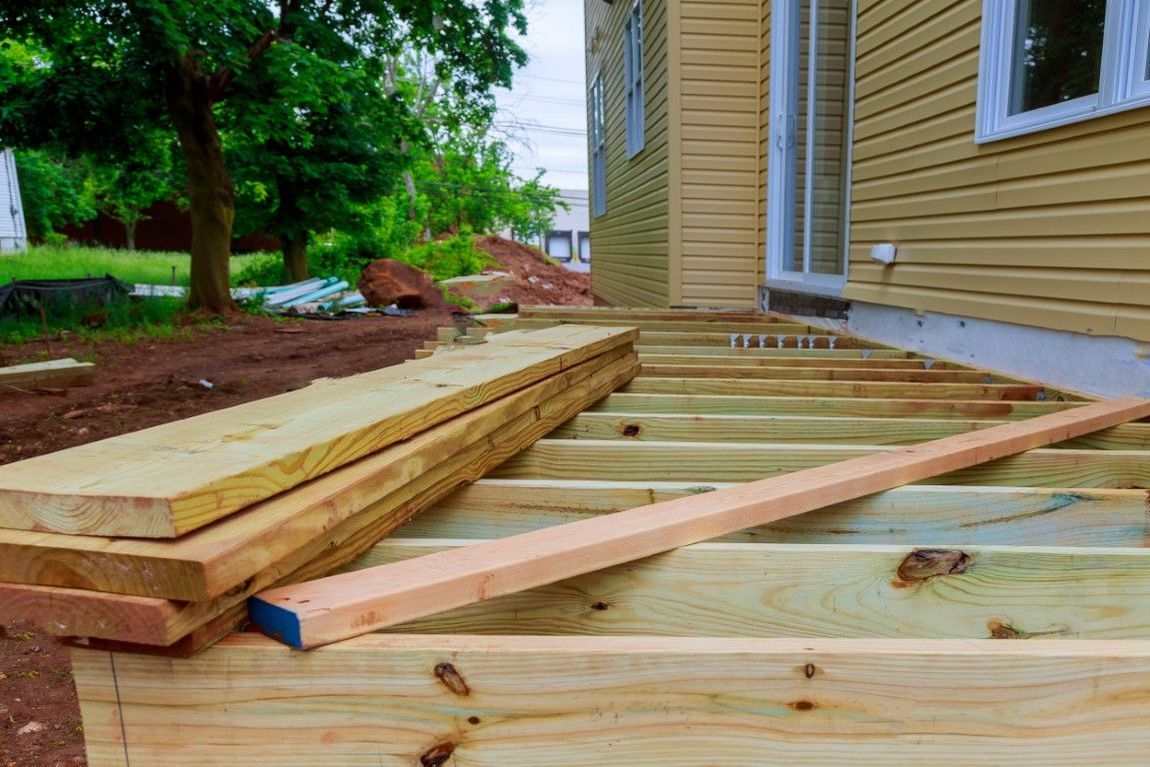
Joists and ledgers are where residential inspections most often stumble. Ledger attachment requires the right fastener pattern, correct fastener type, and verification of the band joist backing it. Fasteners meant for through-bolting cannot be swapped with lag screws unless the plan allows it. Spacing patterns depend on joist span; keep the table handy and mark the ledger before drilling. Flashing must be continuous, with both head flashing over the ledger and a means to shed water at the bottom edge. Relying on caulk is a short path to rot.
Decking and guards seem straightforward until they are not. Many composite boards require specific gapping and hidden fasteners with tested withdrawal values. Follow the manufacturer’s install guide. For wooden deck https://johnathanziyy230.trexgame.net/deck-building-contractors-managing-change-orders-and-codes boards, face-screw or plug systems are cleaner to inspect than clips on some products. And use stainless or hot-dipped galvanized fasteners that match the environment. Near saltwater, the jump to 316 stainless is not luxury, it is survival.
Guard posts deserve special care. A 4x4 post bolted through a rim with no blocking may not meet load testing, especially at corners. There are tested guard post brackets for common configurations. Choose a system with a published evaluation report and build exactly to that detail. If you plan to notch posts, verify that your detail meets current load requirements, not last decade’s assumptions.
Stairs are math plus execution. Residential rise is typically capped around 7.75 inches with run around 10 inches, though local amendments vary. Mark and cut stringers so the bottom step accounts for tread thickness, and add a solid landing. Handrails need graspable profiles, continuous returns to a wall or newel, and consistent height. Measure each step, not just the first and last, and check that you meet the tolerance for variation.
Managing commercial deck building codes without drama
Commercial platforms bring more eyes to the table. Plan reviewers check structural loads and egress; health departments review dining layouts; fire marshals care about access and alarm devices; accessibility coordinators look at routes and transitions. The best tactic is to centralize communication and treat the engineer’s drawings as binding.
Expect higher live loads, often 100 pounds per square foot for assembly areas, sometimes more if occupancy demands it. Railings typically have higher load requirements and different height standards than residential. Stairs and ramps must meet more stringent geometry and landing rules. Guards can double as handrails in some designs, but handrail graspability rules still apply. On a commercial job, if a railing manufacturer does not have a stamped calculation for the chosen post spacing and connection, move on. Inspectors know the difference between marketing brochures and engineering.
Accessibility creates details that matter to carpenters. The 2-inch vertical threshold that seems trivial on paper can become a rework if the deck surface lands too high relative to interior floors. Where decking crosses a door, linear gaps need to avoid trapping small wheels. Guards near ramps need precise height and return conditions. Coordinate the interface with the architect early and mock it up if you can.
Commercial inspections often arrive in phases: footing, structural frame, rough guard installation, and final. Keep a submittal log with hardware cut sheets, evaluation reports, and the engineer’s letters. When the inspector asks, you have them ready. That habit prevents a return trip for lack of paperwork.
Handling inspections with grace and control
Inspection days go smoothly when there are no surprises. Put yourself in the inspector’s boots. They want to see what was approved, installed per the plan, and safe. They also want clarity.
Have the approved plan set on site. Not a phone photo, the official stamped copy. Walk the inspector to each inspected item and stand back. If a correction is issued, write it down in the inspector’s words, not your summary. Clarify on the spot if you do not understand a note. Most inspectors appreciate the question over a guess.
When a field change is necessary, call it in before you build it if time allows. Small changes, like moving a stair a foot to clear a window, can ripple into handrail extensions and landing sizes. If you need a revision, update the plan and resubmit quickly. Jurisdictions often accept minor field changes documented by an inspector’s note, but do not assume. When you want that note, ask for it directly: “Can we document this as a field change on the inspection report?”
Corrections happen. The key is to fix them cleanly and document the fix. Take photos, especially when corrections get covered by finishes. Send the inspector a short email with what you changed if your jurisdiction allows correspondence on the file. That builds a record that saves you when staff rotates mid-project.
Keeping up with code changes without losing your week
You cannot memorize every line of every edition. You can build a routine that keeps you current enough to spot risk.
Subscribe to your jurisdiction’s building department updates. Many now send code adoption notices and handout revisions. Set a quarterly calendar reminder to scan the latest model code deck sections and manufacturer bulletins from major hardware suppliers. Connector companies often publish practical guides interpreting new requirements.
Walk your supplier’s sales rep through the deck package you typically order. Ask what hardware or fasteners have changed spec in the last year. Reps see patterns across contractors and can tip you off before your next permit.
When you encounter a recurring gray area, ask for a sit-down with the chief inspector in a slow season. Bring examples and be ready to listen. If you can align on an interpretation, you create predictability for your crews.
Materials, environment, and the hidden code: corrosion and durability
Codes are explicit about loads and geometry, but the material environment is the silent code. A wooden deck in a coastal town will attack steel differently than the same deck in a dry mountain climate. Pressure-treated lumber chemistry has shifted over the last twenty years. Use connectors and fasteners that match the treatment. When in doubt, step up to stainless. Mixed-metal systems can generate galvanic corrosion, especially with aluminum railings on steel posts in salty air. A small electrolytic mismatch today becomes a loose rail in three years.
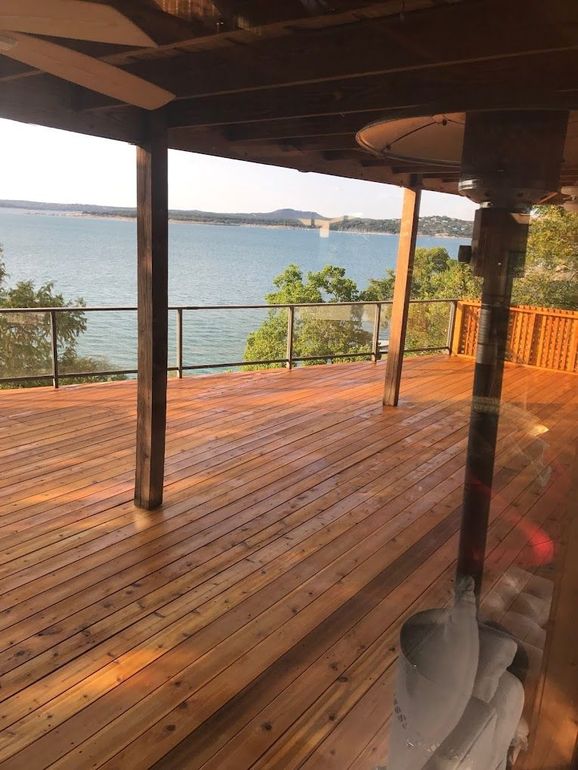
Water management is longevity management. Where the deck ties to the house, read the cladding like a roof. Flash up behind weather-resistive barriers, over the ledger, and out past the face. Where decking hits posts, give it air. Where two boards meet over a joist, provide a gap that sheds water. The code does not tell you to bevel the top of a solid guard cap or kerf the bottom to break water tension, but experience does.
Documentation that protects everyone
Inspections check what they can see on a given day. Your records cover the rest. Develop a simple folder structure for each job: permits and plans, inspection reports, correspondence, product data sheets and evaluation reports, photo log. Take photos at each phase: footing holes with a tape, rebar or bell forms, post bases set, ledger flashing layers, guard post blocking, stair stringer attachment. These images answer questions months later if a handrail feels loose or a board cups. They also support warranty conversations with manufacturers.
On commercial projects, keep the engineer’s special inspection reports, if any, and the final letter of compliance. If you use proprietary anchors or systems, file their installation torque or pull test records where required. The extra fifteen minutes closing the paper loop often saves a day later.
Working with clients through the code lens
Homeowners and commercial clients usually do not care which code edition you are building to. They care about schedule, cost, and how the deck looks and feels. Use the code where it helps you explain choices. When you propose a free-standing deck to avoid a problematic ledger on a stucco wall, explain that the approach reduces long-term water risk and avoids intrusive flashing under finished cladding. When you recommend a specific guard system on a restaurant patio, explain that it has tested performance to the required loads and will pass inspection without last-minute improvisation.
Be honest about constraints. A beautiful, cable-railed flight of stairs may not be legal in every jurisdiction if the in-fill spacing allows climbable patterns interpreted as hazardous. On residential decks, remind clients that stair lighting or landing sizes may change if the deck is above a certain height. On commercial projects, make the case for early engineer involvement so design decisions reflect both aesthetics and compliance, not one altered to fit the other at the last minute.
Common pitfalls and how to sidestep them
The mistakes that force re-inspections tend to repeat. Contractors who avoid them do so by habit, not heroics.
- Ledger fasteners without verification of the structural band joist behind them. Solution: open a small section of interior ceiling or soffit if necessary, or switch to a free-standing design when the band is inaccessible or insufficient.
- Guard posts attached with untested blocking. Solution: use a tested bracket system or a detail stamped by an engineer, and build it precisely, including blocking grain orientation and fastener pattern.
- Stairs that miss rise/run tolerance by a quarter inch at the bottom step due to tread thickness oversight. Solution: account for finish thickness when laying out stringers, and dry-fit a tread to confirm before cutting the set.
- Inadequate corrosion protection in coastal or industrial environments. Solution: specify stainless fasteners and hardware with proper grade, and avoid dissimilar metals without isolation.
- Improper flashing around a ledger behind layered cladding systems. Solution: treat the deck-to-house interface like a roof penetration, stepping flashing with the housewrap and adding kick-out at terminations.
These corrections cost little when caught early, and a lot when discovered at final.
The rhythm of a smooth inspection sequence
A deck project that glides through inspections has a steady cadence. Footings get dug, verified, and poured with photos. Posts and beams go up with connectors installed per spec. Ledgers, if used, are attached, flashed, and photographed before decking covers the details. Joists are set with hangers nailed per manufacturer, not per habit. Decking goes down after inspections clear structural framing. Guards and stairs are built and checked for geometry, then reviewed with a quick internal punch list before calling final.
Make a habit of pre-inspection walk-throughs. Bring a small level, tape, torpedo level for rail caps, a screw gun for quick fixes, and spare hardware that matches the installed system. Five minutes tightening a guard bracket beats a correction.
When the rules get gray: interpretations and professional judgment
Even detailed codes leave room for interpretation. Some inspectors are strict on graspability of handrails; others focus more on guard strength. When you run into a gray area, keep the conversation professional. If you believe your detail meets the intent of the code, present documentation, ideally with an evaluation report or an engineer’s letter. If the inspector holds the line, decide quickly whether to escalate or adapt. Escalation can be appropriate on commercial jobs with schedule padding and documented impacts, but on a residential deck, a quick field modification may be the better path.
Professional judgment also shows in materials. A wooden deck can be built to code in fast-grown pine and pass inspection, but in a high-exposure site with full sun and wet cycles, tighter-grained species or a composite may be the wiser call. The code sets the floor. Experience raises it.
The payoff
Managing inspections and code changes is quiet work. It is also the lever that keeps jobs predictable, clients satisfied, and crews focused on craftsmanship instead of rework. The contractors who take codes seriously do not memorize every clause. They build routines that surface the right requirements at the right time, translate them into clear drawings and field details, and keep open lines with inspectors and engineers. That approach makes residential deck building codes an ally rather than a hurdle, and turns commercial deck building codes from a maze into a map.
When that happens, the visible parts of the deck benefit. Rails feel rock solid. Stairs flow. The ledger line stays dry. And years later, when a client leans against the guard with a full family gathered, your choices show their value quietly, which is the best endorsement a builder can get.
Business Name: CK New Braunfels Deck Builder
Address:
921 Lakeview Blvd,
New Braunfels,
TX
78130
US
Phone Number: 830-224-2690
CK New Braunfels Deck Builder is a trusted local contractor serving homeowners in New Braunfels, TX, and the surrounding areas. Specializing in custom deck construction, repairs, and outdoor upgrades, the team is dedicated to creating durable, functional, and visually appealing outdoor spaces.
Business Hours:
Mon 7AM-7PM
Tue 7AM-7PM
Wed 7AM-7PM
Thu 7AM-7PM
Fri 7AM-7PM
Sat 7AM-7PM
Sun 9AM-5PM
CK New Braunfels Deck Builder
CK New Braunfels Deck Builder is a local company located in New Braunfels, TX. They serve their community by providing high quality yet affordable deck building services. They specialize in wooden deck building, composite deck installation
CK New Braunfels Deck Builder is a local business in New Braunfels, TX
CK New Braunfels Deck Builder builds and installs wooden and composite decks
CK New Braunfels Deck Builder phone number is (830) 224-2690
CK New Braunfels Deck Builder address is 921 Lakeview Blvd, New Braunfels, TX 78130
CK New Braunfels Deck Builder website is https://www.deckbuildernewbraunfelstx.com/
CK New Braunfels Deck Builder offers wooden and composite deck repair
CK New Braunfels Deck Builder has a Google Maps Listing and you can check it here https://maps.app.goo.gl/sBMARoL4Yy9rREzY8
CK New Braunfels Deck Builder serves the historic Gruene Historic District (with Gruene Hall) area.
CK New Braunfels Deck Builder serves residents near Sophienburg Museum & Archives area.
CK New Braunfels Deck Builder serves residents around Comal County Courthouse
CK New Braunfels Deck Builder serves neighborhoods around the New Braunfels Historic Railroad & Modelers Society area.
CK New Braunfels Deck Builder has this Facebook page
Facebook
CK New Braunfels Deck Builder has this Twitter page
X
CK New Braunfels Deck Builder has this YouTube Channel YouTube
CK New Braunfels Deck Builder has this LinkedIn profile LinkedIn
CK New Braunfels Deck Builder has this Pinterest profile
Pinterest
