Demystifying the UK Medical Cannabis Pathway: A Plain-English Guide for Families
If you are trying to explain the UK medical cannabis pathway to a family member, you likely already know how frustratingly complex the misinformation can be. After spending eight years as a patient-services coordinator in a private specialist network and many years in NHS administration, I have heard it all. From the myth of the "magic cure" to the dangerous misunderstanding that there is a government-issued card that makes you "legal," the landscape is often muddied by social media hype.
This guide is designed to help you strip away the noise. We are going to look at the clinical reality: how the legal pathway actually functions, why your medical records are the most important document you own, and why "instant access" is a term you should avoid at all costs.
Defining the Terms: What are we actually talking about?
Before we dive into the steps, we need to ensure we are all speaking the same language. Confusion often starts with terminology.
- CBPMs (Cannabis-Based Products for Medicinal use): This is the clinical term. When we talk about medical cannabis, we are referring to pharmaceutical-grade, regulated products that have been manufactured to strict quality standards. These are not the same as illicit market products.
- Specialist Consultant: Unlike a GP, who manages general health, a Specialist Consultant is a doctor on the GMC (General Medical Council) Specialist Register. By law, only these consultants can initiate a prescription for CBPMs in the UK.
- Licensed Pharmacy (Dispensing): Once a specialist writes a prescription, it is sent to a specialist pharmacy. These are not your local high-street Boots or Superdrug; they are secure facilities equipped to dispense controlled medications safely to your door.
- Private Clinic Access: Currently, the vast majority of medical cannabis is accessed via private clinics. While theoretically available on the NHS, it is restricted to extremely narrow criteria (e.g., specific forms of childhood epilepsy, chemotherapy-induced nausea, or MS spasticity), making the private pathway the primary route for most chronic conditions.
The Common Patient Misunderstandings List
In my years of practice, I have kept a running list of the most frequent errors patients make. When explaining this to family, keep this list handy to manage expectations:
Misunderstanding The Reality "There is a government card." False. There is no official UK government-issued cannabis card. Any card you pay for is private, voluntary, and carries no statutory weight. "Approval is guaranteed if I pay." False. Clinical outcomes are never guaranteed. Specialists follow strict guidance; if they don't believe it is clinically appropriate, you will not get a prescription. "I can walk in and get it today." False. Access takes time. Collecting medical records and waiting for clinical review is a formal process. "My GP handles this." False. GPs are not authorized to initiate medical cannabis treatment. You must go through a private specialist.
A Step-by-Step Explanation of the Pathway
Explaining this to family members often feels like explaining a bureaucratic maze. Simplify it by focusing on the "Prescription-First" model. In the UK, the medicine comes before the documentation, never the other way around.
Step 1: The Records Request
The biggest mistake patients make is showing up to a consultation without their full medical history. A specialist needs to see your Summary Care Record (SCR). This proves you have tried licensed, first-line treatments for your condition and that they haven't worked or caused unacceptable side effects. Without this, the pathway stops dead.
What happens next: Once you have your records, you upload them to the clinic’s secure patient portal for the specialist to review.
Step 2: The Specialist Consultation
This is where the clinical decision-making happens. The doctor will review your history, discuss your symptoms, and explain the risks and benefits of CBPMs. This is not a "sales call." It is a medical consultation, just like seeing a neurologist or a pain specialist.
What happens next: If the doctor determines you are eligible, the prescription request is sent to the multidisciplinary team (MDT) for final review.
Step 3: The Prescription and Pharmacy Dispensing
Once approved, the clinic sends a hard-copy prescription to a licensed pharmacy. The pharmacy contacts you to arrange payment and secure delivery. You are now a patient under the supervision of a clinic.
What happens next: You receive your medication in the post. Keep the original packaging and your prescription label visible. This is your "legal proof" of possession.
Step 4: The Optional Patient Card
Only *after* you are a legal patient can you consider an identification card. Again, I must stress: these are private documents offered by some clinics or third-party organizations. They can be helpful for explaining your status to law enforcement, but they do not replace your prescription label. Do not skip the prescription in favor of a card.
Why the "Government Card" Myth is Dangerous
One of my biggest professional pet peeves is the persistent claim that there is a "government card" for medical cannabis. I have seen patients get into serious trouble by believing that a £50 card from a website exempts them from the requirements of the Misuse of Drugs Act. It does not.
When explaining this to family, emphasize that your "legal status" comes from three things:
- Your specific, named prescription label.
- Your patient record with a GMC-registered specialist.
- Your legitimate dispensing history from a registered pharmacy.
If you tell family members, "I have a government card," you are misleading them and potentially putting your own legal security at risk. Be honest: "I have a private prescription from a specialist doctor." That is the only sentence that matters in a clinical or legal context.
Managing Expectations: Why "Instant Access" is a Red Flag
If a clinic or a forum member promises you "instant access" to medical cannabis, please walk away. Medicine is not pizza delivery. Thorough clinical screening is essential for patient safety, particularly when dealing with cannabinoids that can interact with other medications.
Legitimate herald-dispatch.com clinics require:
- Clinical Audit: Ensuring the patient meets the criteria (usually having tried at least two previous treatments).
- Safety Screening: Checking for contraindications (e.g., history of psychosis or heart conditions).
- Follow-up Appointments: The law requires ongoing review. You cannot simply get one prescription and disappear into the ether. You must be monitored to ensure the treatment remains effective and safe.
Summary for Your Family
If you are asked, "Is this legal?", you can provide a very simple, clear response:
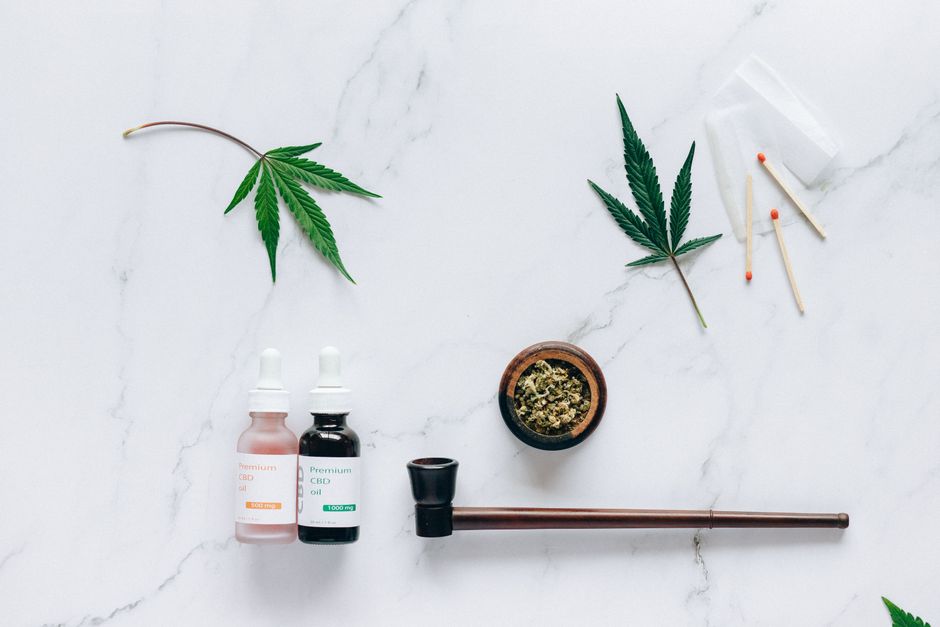
"Yes, it is legal, but only through a specific, highly regulated medical pathway. I have to go through a specialist consultant who reviews my records, provides a prescription, and sends it to a licensed pharmacy. It is exactly the same process as getting any other controlled medication, like strong painkillers or psychiatric drugs. There are no shortcuts, and 'instant access' is not how safe medicine works."
Checklist for Starting the Journey:
- [ ] Obtain your Summary Care Record from your GP (you have a legal right to this).
- [ ] Choose a clinic that is registered with the Care Quality Commission (CQC) or the relevant national health inspectorate.
- [ ] Book a consultation with a GMC-registered Specialist.
- [ ] Prepare your questions regarding side effects and drug interactions.
- [ ] Once prescribed, keep your original packaging and pharmacy label at all times.
Navigating this system is a lesson in patience. By keeping your records organized and understanding that your relationship is with a medical professional—not a card issuer—you can move through this process with confidence and clarity. Remember: the specialist’s duty is to your health, not to the convenience of the pathway.

Stay informed, keep your records close, and always prioritize the clinical advice of your consultant over the anecdotal advice of the internet.
