French Manicure Ideas with a Modern Twist
The French manicure has outlasted nearly every nail trend for a reason. It is clean, flattering, and surprisingly adaptable. Even clients who swear they want something dramatic often come back to a French tip once they sit in the chair and start thinking about wearability. The classic version, sheer pink base with a crisp white tip, still looks polished, but modern nail art has pushed it far beyond that familiar formula.
What makes the current wave of French manicure ideas so appealing is the balance. You still get the order and symmetry that people love, but now there is room for personality. A tip can be chrome, matte, glazed, split, blurred, sculpted, or paired with negative space. It can be soft enough for wedding nails or bold enough for birthday nails, Halloween nails, or even a full fashion set for an event weekend.
After years of working with gel nails, acrylic nails, dip powder nails, and press-on nails, I have noticed one constant: the best French manicure is the one that respects both style and structure. Shape matters. Length matters. Color temperature matters. So does your real life. Someone typing all day, washing dishes constantly, or chasing toddlers needs a different version than someone planning a photo shoot or a two-day celebration. That is where the modern twist becomes useful. It lets the French manicure meet the person wearing it.
Why the French manicure works so well now
Part of the revival comes down to flexibility. A traditional French manicure used to feel narrow, almost uniform. Now it sits comfortably inside broader nail trends. It works with minimalist nails, with abstract nails, with floral nails, and with more theatrical looks like rhinestone nails or 3D nail art. The framework is simple enough to support experimentation without looking chaotic.
Another reason is that it complements nearly every nail shape. On short nails, a fine micro tip makes the nail bed look longer. On long nails, especially almond nails, coffin nails, ballerina nails, and stiletto nails, the French line can become a design element in its own right. Square nails and oval nails wear it particularly well because the smile line can be tailored to either soften or sharpen the overall effect.
The base color also opens up possibilities. You are not limited to pale pink. Nude nails, milky nails, soft peach, rose beige, cool taupe, and even translucent gray can all support a French tip beautifully. That small change alone can make the manicure feel expensive rather than generic.
The modern French starts with the right base
A good French manicure looks effortless, but the prep is doing most of the work. If the nail plate is dry, ridged, or peeling, even the sharpest white line will not save it. Nail care is the part people skip when they are focused on color, yet it is what keeps a French set refined. A translucent design shows every flaw. Any flooding at the cuticle, bulk near the sidewalls, or uneven apex becomes obvious.
With gel nails, I usually recommend a sheer builder or strengthening base when the goal is a clean, natural finish. It gives enough structure for crisp tips without the thickness that can make the manicure look heavy. Acrylic nails are better when someone wants dramatic length, long nails with a sculpted smile line, or a bold shape like coffin nails or stiletto nails. Dip powder nails can work for a French manicure, especially for durability, though the look tends to be best when the technician keeps the layers slim. Press-on nails have improved enormously, and for events they can be excellent, particularly when the French design is pre-balanced and the shape already suits the hand.

The biggest decision is not always the tip color. It is the undertone of the base. A warm nude on cool-toned skin can turn slightly orange. A very pink base on olive skin can look harsh. Milky finishes are forgiving and photograph beautifully, which is why they have become a staple for wedding nails and polished everyday sets.
White tips are still relevant, but they need restraint
The classic white French manicure still earns its place, especially when the proportions are right. The older, thicker smile line that dominated in the early 2000s can feel dated on most hands. A thinner tip usually reads fresher. On short nails, keeping the white edge slim preserves length. On long nails, the white can be slightly deeper, but the smile line should still follow the natural architecture of the nail rather than cutting straight across like correction fluid.
There is also a difference between bright white and soft white. Bright white has a sharper, editorial effect. Soft white is gentler and often more flattering for everyday wear. For brides, I usually lean toward soft white over a milky pink or nude base because it looks elegant in close-up photos and does not compete with rings, lace, or bouquet tones.
Square nails are the easiest place to show a traditional French manicure, but almond nails are where it often looks most modern. The taper elongates the finger, and the curved tip feels more integrated with the shape. Oval nails are a close second, especially for clients who want something neat but not severe.
Color French tips have become the new neutral
One of the easiest ways to modernize a French manicure is to swap the white tip for color. The trick is choosing a shade that still feels intentional with the base and the season.
Pink nails with a French tip can move in two directions. A ballet pink tip on a nude base looks delicate and subtle. A hot pink tip gives summer nails real energy without requiring a full neon set. Red nails as a French tip are classic in a different way, slightly more glamorous, especially on almond or short square nails. They work beautifully for holiday dinners, date nights, and winter nails that need richness rather than sparkle.
Black nails used in a French design create a strong, graphic finish. I like them most on milky or sheer nude bases, where the contrast feels crisp. A black French on short nails can look surprisingly sophisticated, while the same color on stiletto nails leans dramatic. White nails can also be reworked by using an off-white, ivory, or creamy porcelain tone instead of stark white.
Blue nails and green nails have become more wearable in French form than in full coverage. A navy tip reads tailored. A pale blue micro French feels clean and summery. Sage green is one of the best understated choices for spring nails and fall nails because it bridges warm and cool wardrobes. Brown nails are another strong option, especially rich espresso or cocoa tips over a beige nude base. They look modern, grown-up, and less expected than black.
Metallic and reflective finishes change the entire mood
Chrome nails have transformed the French manicure more than almost any other finish. A chrome French tip over a sheer base catches light in a way flat color cannot. Silver chrome feels sleek and slightly futuristic. Pearl chrome is softer and often more wearable. Gold chrome can be stunning, though it needs a base with the right warmth to avoid looking disconnected.
Cat-eye nails also adapt well to the French format. Instead of covering the whole nail with a magnetic polish, a cat-eye French tip creates dimension only at the edge. It is a beautiful option for winter nails, birthday nails, or anyone who wants movement without full glitter.
Glitter nails can do the same thing, but they require discipline. Too dense and the manicure starts to lose the elegance associated with a French design. A fine glitter fade at the tip, or a glitter French line over a nude base, gives enough sparkle while keeping the silhouette clean. That version is especially popular around Christmas nails and New Year celebrations because it feels festive without looking costume-like.
Matte nails offer the opposite effect. A matte French manicure can look velvety and understated, particularly in taupe, soft black, or muted berry. One finish I have loved seeing recently is a matte nude base paired with a glossy tip in the same color family. It is subtle, textural, and much more interesting up close than it first appears.
Shapes that make French tips feel current
The same French tip can look entirely different depending on shape. This is where a lot of modern sets either succeed or miss the mark.
Short nails benefit from precision. A micro French, a colored outline, or a diagonal tip usually works better than a deep traditional smile line. When the free edge is limited, heavy design can crowd the nail. Short square nails and short oval nails are especially good candidates for minimalist nails with a French influence.
Long nails allow for more architecture. Almond nails wear almost every version well, from ombre nails to chrome tips to fine abstract outlines. Coffin nails and ballerina nails suit bolder French interpretations, including double tips, side French designs, and mixed textures. Stiletto nails are not for everyone, but when someone truly loves an editorial look, a black French, red French, or mirror chrome French can be striking on that shape.
One mistake I see often is forcing a style onto the wrong shape. A very thick tortoiseshell French tip on a tiny natural nail may overwhelm the hand. A delicate micro French on extremely long acrylic nails can disappear unless the line has enough contrast. Balance matters more than trend chasing.

Designs that push the French manicure beyond the obvious
Some of the best modern sets keep the French structure but use it as a frame for something more imaginative. Abstract nails work well here. A split French tip, where one half is color and the other is metallic, feels fashion-forward without becoming messy. Double French lines, with one close to the free edge and another tracing above it, create depth while keeping negative space visible.
Ombre nails are another strong update. Instead of a hard smile line, the color can blur softly from the tip inward. That works beautifully with pink nails, white nails, or even blue nails and brown nails for a more seasonal look. Ombre French styles are particularly flattering on almond nails because the fade follows the taper naturally.
Marble nails can also be incorporated selectively. A full marble manicure often reads busy, but a marble French tip over a milky base feels elevated. The same is true of tortoiseshell nails. Used only at the tip, tortoiseshell looks chic and expensive rather than overdone.
Animal print nails, especially cow print nails, leopard-inspired patterns, or zebra striping, can be surprisingly effective when contained within the French line. The key is scale. Tiny, controlled print at the edge feels playful. Oversized print across the whole nail can swallow the design. Butterfly nails, floral nails, and aura nails can also be interpreted through the French lens. A butterfly detail placed near one tip, or a tiny floral cluster breaking across the Vip Nails & Spa smile line, gives personality while preserving structure.
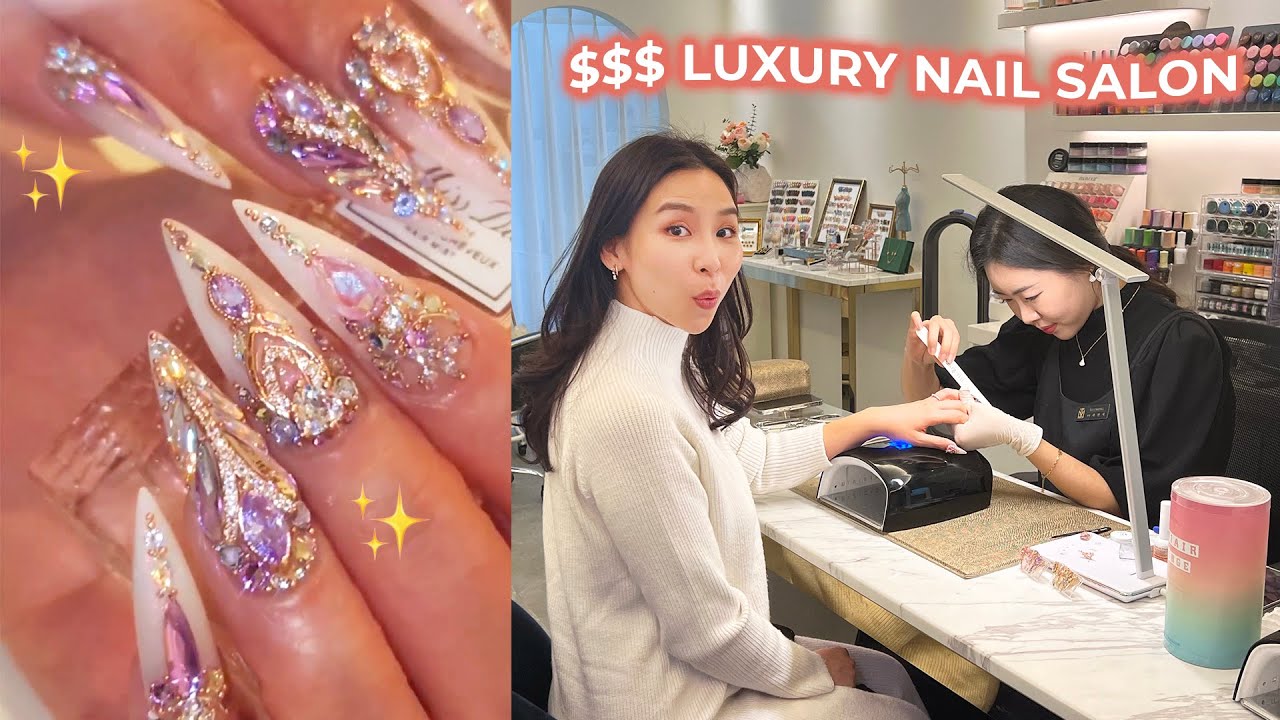
For clients who want statement detail, rhinestone nails and 3D nail art should be used sparingly. A single crystal at the cuticle or a small raised accent on one or two nails often looks more refined than embellishment on every finger. French manicures depend on clarity. Too many additions can muddle that clean framework.
Seasonal versions that actually feel fresh
Seasonal nail designs are where the French manicure becomes especially useful, because it gives a theme some discipline.
For spring nails, I lean toward sheer nude bases with lilac, soft green, or pale blue French tips. Tiny floral details can work, but only if they are scaled correctly. A few painted petals or a fine daisy on an accent nail usually looks better than a whole garden on every finger.
Summer nails can take more brightness. Coral, citrus pink, turquoise, and glossy white all translate well into French tips. A reverse French in a bright color at the cuticle is also a nice change when someone wants color but still likes a lot of negative space.
Fall nails invite richer tones. Brown nails, olive green nails, burgundy-red tips, and tortoiseshell French edges all fit the season without becoming literal. Matte finishes also shine here, especially over warm nude nails.
Winter nails can go in two directions. One is icy and polished, using silver chrome, white French tips, pearl effects, or cat-eye accents. The other is deeper and moodier, with black nails, wine tones, emerald tips, or subtle glitter. Christmas nails often benefit from restraint. A deep red French with a single gold accent can look far better than a full set of overt holiday motifs. Halloween nails can also stay elegant with black French tips, smoky ombre edges, or a fine blood-red outline rather than cartoon graphics.
Event nails that still feel like you
French manicures are often the safest event choice because they support the outfit rather than competing with it. For wedding nails, a milky base with a soft white micro French remains one of the best options available. It suits nearly every dress fabric, every bouquet, and every ring style. If the bride wants a touch more detail, a pearl chrome finish or tiny crystals can add interest without pulling focus.
Birthday nails usually allow more play. Chrome tips, aura-inspired French edges, pink ombre, or glitter-lined smile lines all work well. For clients celebrating milestone birthdays, I often suggest choosing one dramatic element rather than several. For example, a red French with almond nails and a glossy finish has more impact than trying to combine red, glitter, rhinestones, and 3D nail art in the same set.
The same logic applies to vacation nails and formal events. A manicure looks more expensive when it has a clear idea. French manicure designs succeed when every choice supports that idea, base color, shape, tip proportion, and finish.
Keeping a modern French manicure looking expensive
A great French set can lose its appeal quickly if the maintenance is off. Because the design is precise, chips and regrowth show earlier than they do with some abstract or full-glitter sets. That does not mean it is high maintenance in a difficult way, just that the details matter.
Here are the habits that make the biggest difference:
- Use cuticle oil daily, especially with gel nails, acrylic nails, or dip powder nails.
- Wear gloves for cleaning and long dishwashing sessions.
- Avoid using your nails as tools, particularly with long nails or sharp shapes.
- Book fills or replacements before the apex and sidewalls start to look imbalanced.
- Choose a design that matches your routine, not just your saved inspiration photos.
That last point matters more than people expect. A flawless black micro French on short natural nails may serve one person far better than elaborate coffin nails with chrome and rhinestones, even if the latter looks exciting online. Taste is part aesthetic, part practicality.
The versions I keep seeing repeated for good reason
Every season brings a flood of new nail trends, but only a handful stay in steady rotation. The French manicures that tend to come back again and again are the ones that understand proportion and personality. Milky nude bases with thin white tips remain a favorite because they flatter almost everyone. Brown French tips keep reappearing because they feel current without trying too hard. Chrome-lined French designs hold their place because they catch light beautifully and photograph well. Red tips, especially on almond nails, never really leave.
I also keep seeing more clients ask for a manicure that feels clean but not boring. That is where the modern French manicure excels. It gives you room to nod to trends like aura nails, cat-eye nails, matte nails, or ombre nails without sacrificing polish. You can wear it to the office, to a wedding, on a beach trip, or through an entire season with only small changes in color and finish.
The best version is rarely the loudest. It is the one where the shape suits the hand, the base flatters the skin, the tip feels intentional, and the overall set looks like an extension of the person wearing it. That is the modern twist people are really after, not novelty for its own sake, but a familiar style sharpened by better choices.
