How Do I Clean Champagne Glasses So Bubbles Stay Lively?
A glass of Champagne can lose its sparkle before the first sip—not because the bottle is flat, but because the glass is dirty, damp, or coated with detergent. The best fix is refreshingly simple: clean carefully, rinse thoroughly, and keep lint and fingerprints away from the bowl. Then serve the wine at the right temperature and open the bottle with control.

These details matter whether you’re pouring Laurent-Perrier at a celebratory dinner or opening a bottle for a quiet Friday night. You don’t need special polishing equipment. You do need clean hands, a little patience, and a glass that is genuinely spotless.
Why a Clean Glass Helps Champagne Keep Its Sparkle
Champagne’s bubbles are carbon dioxide escaping from the wine. Tiny imperfections on a glass’s surface can give bubbles places to form; this is why some glasses show a graceful stream of bubbles rising from the bottom. But oil, dust, detergent film, or a cloudy rinse can interfere with the wine’s appearance and aroma. Residue may also leave the glass smelling soapy or make the first sip seem muted.
The aim is not to scrub away every microscopic mark. It is to remove anything that does not belong: grease, lipstick, dust, detergent, and fibers. A clean, dry glass lets the wine show itself clearly, while a tulip shape helps concentrate its aromas without crowding the bubbles.
Choose the Right Glass Before You Wash It
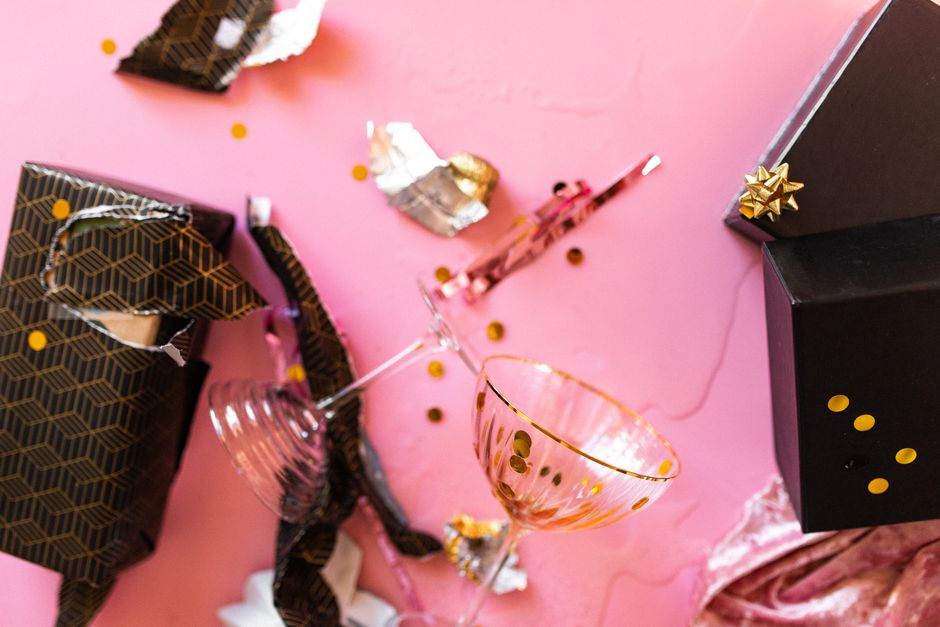
For most Champagne, reach for a tulip glass: a bowl that is wider at the base and gently narrows toward the rim. It gives aromas room to develop and helps direct them toward your nose. A traditional flute can make the bubbles look dramatic, but its narrow shape gives the aromas less space. A coupe is attractive for a retro toast, yet its broad opening lets carbonation escape more quickly.
Glass choice is personal, but cleanliness is not optional. Whatever shape you use, take a moment to look through it against a light. Streaks, lint, and fingerprints are easier to spot before the bottle is open than after the pour.
How to Wash Champagne Glasses by Hand
Hand-washing is the most dependable option when you want to avoid lingering detergent smells, water spots, or accidental chips. Wash glasses soon after use; dried wine and lipstick are harder to remove and may encourage you to scrub too forcefully.
- Wash your hands first. Clean hands help keep oils and food residue off the glass as you handle it.
- Use warm water, not very hot water. Sudden temperature changes can stress delicate glass. A clean basin or sink is gentler than setting a thin-stemmed glass directly against a hard surface.
- Use a small amount of mild, unscented dish soap. Too much soap is difficult to rinse away and can leave a film or fragrance behind. Avoid heavily scented products and abrasive pads.
- Wash the bowl gently. Hold the glass securely and clean the inside and outside with a soft sponge or cloth. Don’t twist the bowl and stem in opposite directions; that motion can snap the stem.
- Rinse away detergent residue. Use plenty of clean, warm running water, turning the glass so water reaches the whole bowl and rim. If you can still smell soap, keep rinsing.
- Check the rim and base. Lipstick, fingerprints, and soap can collect around the rim, while spots or residue may remain at the base. Inspect both before setting the glass down to dry.
If you’re washing a group of glasses, change the rinse water when it becomes cloudy or soapy. Reusing sudsy water defeats the purpose of a careful rinse.
Can You Put Champagne Glasses in the Dishwasher?
Some sturdy glasses are dishwasher-safe, but delicate crystal and fine stems are more vulnerable to chips, cloudy deposits, and damage from contact with other items. If the manufacturer says dishwasher use is safe, place glasses securely with space between them and choose a gentle cycle. Use a modest amount of detergent and avoid an overly hot drying setting if the glassware allows it.
For prized or especially delicate glasses, hand-wash instead. Do not wedge glasses into a rack or allow them to touch plates and cutlery. A dishwasher may be convenient, but convenience is less appealing when it leaves you with a chipped rim just before guests arrive.
Dry and Store Glasses Without Adding Lint
After rinsing, let excess water drain, then air dry without lint by placing the glasses upside down on a clean, lint-free drying mat or rack. Make sure air can circulate inside the bowl. Avoid drying them on a used tea towel, a paper towel that sheds fibers, or a surface with cooking grease.
For a dinner party, glasses should be fully dry before they go on the table. Water droplets dilute the first pour and can leave marks as they evaporate. If you need to polish a glass, use a clean, lint-free microfiber or linen cloth. Hold the bowl with one hand and support the base with the other; polish gently without twisting the stem.
Store glasses upright in a clean cupboard when possible. Storing them rim-down can trap odors and put pressure on the rim. Keep them away from spices, coffee, cleaning products, and other strong-smelling items. Before serving, hold each glass by its stem or base so fingerprints don’t land on the bowl.
Storage and Serving Temperature: Protect the Bottle, Then the Pour
Cleaning the glass is only part of the experience. A bottle stored in a warm kitchen or served too cold can make even a careful pour feel disappointing. For longer-term storage, keep Champagne in a cool, dark place with a stable temperature and minimal vibration. A wine cellar or suitable wine refrigerator is better for this than a frequently opened kitchen refrigerator.
A standard refrigerator is useful for chilling a bottle before serving, not ideal as a long-term home for special bottles. Its temperature can fluctuate, and the dry, cool environment may not be suited to extended storage. For a near-term occasion, chill the bottle in the refrigerator for several hours rather than relying on a last-minute rush.
Serving temperature depends somewhat on the wine and your preference. As a practical starting point, serve non-vintage Champagne around 8–10°C (46–50°F). A richer or vintage Champagne often shows more of its aroma closer to 10–12°C (50–54°F). These are guides, not rigid rules; the important thing is accuracy and consistency, rather than serving the wine nearly frozen.
If you want to chill a bottle quickly, use an ice bucket filled with a mixture of salonprivemag ice and water. Water helps transfer cold to the bottle more evenly than ice alone. Turn the bottle occasionally, and check its temperature rather than leaving it submerged indefinitely. Avoid putting a warm bottle in the freezer and forgetting it there.
Occasion Bottle style to consider Serving approach Casual aperitif Fresh, approachable non-vintage Champagne Serve well chilled, around 8–10°C Dinner with a richer main course Structured or more mature Champagne Allow a little more warmth, around 10–12°C Milestone celebration A prestige cuvée or vintage bottle suited to the menu Chill carefully and pour in small servings Large, informal gathering A reliable non-vintage bottle that is easy to enjoy Keep backup bottles cold in the refrigerator or ice bucket
Choose the Bottle for the Occasion, Not Just the Label
Start with the mood, the food, and the number of guests. An easygoing non-vintage Champagne is often the sensible choice for a casual gathering or a first toast. For a special dinner, consider a more complex vintage or prestige cuvée, especially if the meal gives the wine time to unfold. Rosé Champagne can be a festive choice and works well with a range of savory dishes.
There is no need to turn the selection into a spending contest. No prices were provided in the scraped content, so don’t treat any suggested bottle or brand as a price recommendation. Compare current retailer listings if budget matters, and choose based on the occasion and your taste rather than an assumed price.
Open the Bottle Safely—and Quietly
A dramatic cork pop may suit a celebration outdoors, but a controlled, quiet opening is safer and more considerate indoors. A Champagne cork can move with surprising force, so always point the bottle away from people, glassware, lights, and breakable objects. Keep a hand over the cork from the moment the cage is loosened.
- Make sure the bottle is properly chilled; a warm bottle is more pressurized and harder to control.
- Remove the foil while keeping one hand over the cork.
- Loosen the wire cage, but don’t remove your hand from the cork. Keep the cage in place if it helps your grip.
- Hold the bottle at roughly a 45-degree angle, pointing it away from everyone.
- Grip the cork firmly and slowly rotate the bottle—not the cork—while easing the cork upward.
- Let the pressure release with a soft sigh rather than a loud pop, then set the bottle upright and pour carefully.
Opening slowly keeps the cork under control and helps prevent wine from foaming over the neck. It also gives you a calmer start to the evening than chasing a runaway cork across the room.
Pour for Aroma and Effervescence
Once the glass is clean and the bottle is open, pour modestly. A small first pour gives you a chance to confirm the wine’s temperature and aroma. Then fill each glass to about one-third or halfway, leaving space to smell the wine and letting the bubbles rise without crowding the rim. If serving several people, pour a little into each glass, then return for a second round; this is usually neater than filling every glass to the top at once.
Hold the bottle by its body or punt with a secure grip, and keep the neck from touching the glass. If the bottle warms during the meal, return it to the ice bucket for a short time. Don’t leave it in ice water so long that the wine becomes icy and its aromas retreat.
Common Mistakes That Quiet a Glass
- Using too much soap: A heavily scented or concentrated detergent can leave a film and aroma behind.
- Skipping the final rinse: Always rinse away detergent residue thoroughly.
- Drying with a fluffy towel: Fibers show up against the bubbles and can carry odors.
- Handling the bowl: Fingerprints and skin oils are easy to avoid by holding the stem or base.
- Over-chilling: Very cold wine can seem less aromatic, even if it is still bubbly.
- Storing a special bottle in the refrigerator for months: Use a stable, cool storage space for longer-term keeping.
- Twisting the stem while washing or polishing: Support the bowl and base together to reduce the risk of breakage.
A Simple Pre-Pour Checklist
- Use spotless tulip glasses, with no visible streaks, lint, or fingerprints.
- Rinse thoroughly and confirm there is no detergent smell.
- Let glasses air dry without lint, or polish gently with a clean, lint-free cloth.
- Chill the bottle to a suitable serving temperature; use the refrigerator for short-term chilling or an ice bucket for a quicker chill.
- Open slowly, with the cork pointed away from people and fragile objects.
- Pour in small servings so the aromas and bubbles have room to show.
Entertaining tips travel well: save this checklist on Pinterest or share it with your host group on Facebook. The ritual is simple, but the payoff is noticeable—a glass that looks bright, smells clean, and lets every lively stream of bubbles take center stage.
