How Fast Can a Steel Fabricator Deliver? Reality-Checking the 6-14 Week Window
If you have been reading recent issues of BUILD Magazine, you have likely noticed a recurring theme: the desperate scramble for industrial space. Whether it is a supplier looking to integrate into a new Ford EV battery plant or a logistics provider needing a cross-dock facility near a Union Pacific rail terminal, the demand for "fast-track warehouse Mexico" projects is at an all-time high. But when a fabricator tells you they can deliver in 6 to 14 weeks, you need to understand exactly what that number represents—and what it definitely does not.

Having spent years on the developer side of the desk, I have seen too many projects derailed by the "everything is fine" approach to project management. When we talk about end-to-end steel building services, we aren't just talking about a kit being dropped in a field. We are talking about engineering, fabrication, logistics, and site coordination. Let’s break down the actual timeline.
The Reality of the 6-14 Week Schedule
First, let’s kill the marketing fluff. A "6-14 week turnaround" is not a magic wand. It is a highly compressed window that only works if your permits are in hand and your site is ready. If you are still in the zoning phase, double your expectations. Here is how that 6-14 week window breaks down phase-by-phase:
Phase Duration Critical Actions Engineering & Detailing 2–4 Weeks NMX compliance, seismic calcs, bilingual sign-offs. Raw Material Procurement 2–6 Weeks Steel mill lead times; dependent on section availability. Fabrication 2–4 Weeks Cutting, welding, and painting/coating (QC stage). Logistics & Staging 1–2 Weeks Cross-border documentation and site delivery.
Phase 1: Engineering and Compliance (Weeks 1-4)
You cannot speed up physics. In Sonora, Mexico, your steel structure must meet Normas Mexicanas (NMX) for seismic and wind loads. If you ignore this, you aren't saving time; you are guaranteeing a shutdown from local inspectors. We use bilingual project documentation here because errors in translation between the structural engineer and the floor crew lead to massive rework. All cross-border workflows require robust, cloud-based project management tools to ensure that the fabricator, the engineer, and the site supervisor are looking at the exact same revision of the shop drawings.
Phase 2: Raw Material Procurement (Variable)
If your design calls for custom, heavy-gauge plate girders that aren't sitting in https://smoothdecorator.com/the-6-to-14-weeks-myth-deconstructing-nearshoring-timelines-in-mexico/ the yard, your 14-week timeline is already at risk. The fabricator’s ability to pull from existing inventory is the single biggest factor in hitting the shorter end of that 6-week window.
Phase 3: Fabrication (The Shop Floor)
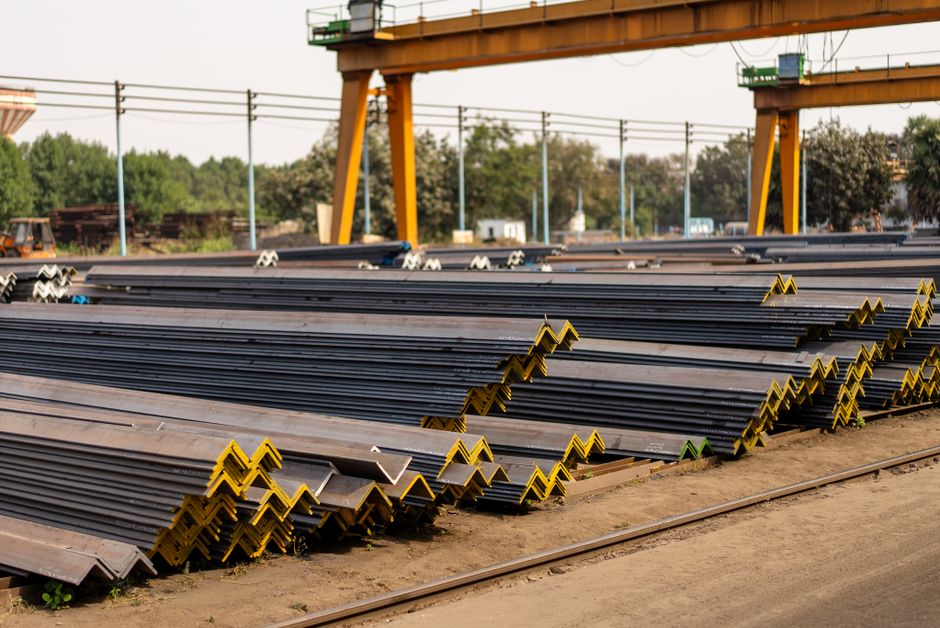
Once the drawings are approved, the fabricator begins cutting and welding. For high-velocity projects, look for shops that have high-degree automation. Manual welding is beautiful, but it is slow. CNC-integrated drilling and plasma cutting are non-negotiable if you want to hit these aggressive deadlines.
Steel vs. Concrete: Why Steel Wins the Speed Game
When clients ask me whether they should go with tilt-up concrete or a pre-engineered steel building (PEB), the answer depends on one thing: speed. Concrete tilt-up requires significant site casting, curing time, and weather-dependent work. Steel, by contrast, is a kit of parts. It is manufactured in a controlled, indoor environment. While the concrete foundations are being poured and cured on-site, the steel is being fabricated in the shop. This parallel processing is how you hit those 8 to 12-week installation targets.
Industrial Specs That Matter
Do not let a fabricator sell you a "standard" building if https://dlf-ne.org/what-is-a-realistic-total-timeline-if-i-include-permits-fabrication-and-mep/ your operations require a specialized facility. If your facility needs to serve high-clearance logistics, you must specify the following clearly in your RFP:
- Clear Span vs. Interior Columns: Clear span provides maximum flexibility for racking, but it increases steel tonnage. Be ready for the trade-off.
- Eave Height: Do not just list the height; list the clear height under the lowest obstruction.
- Crane Loadings: If you are planning for bridge cranes, the building's entire structural profile changes. You cannot "add these later" without significant cost.
- Seismic Requirements (NMX): Specifically for Northern Mexico, the wind load and seismic activity levels are high. Ensure the fabricator is designing for 100% of the local code requirements.
The "Hidden" Timeline Killers
The biggest issue I see in BUILD Magazine project profiles is the failure to account for site-readiness. You can have the steel delivered on day 60, but if the anchor bolts aren't set correctly or the slab isn't finished to the required tolerances, that steel will sit in a muddy field for a month while you incur storage costs and contractor standby fees.
A Checklist for Project Success:
- Anchor Bolt Accuracy: Use a survey team to verify bolt placement before the steel arrives.
- Permitting Path: Ensure local NMX compliance documentation is filed simultaneously with the foundation permit.
- Logistics Coordination: If you are crossing a border, ensure your bilingual documentation is pre-cleared with customs brokers to avoid weeks of warehouse detention.
- MEP Integration: Steel fabrication must account for MEP (Mechanical, Electrical, and Plumbing) penetrations early. Cutting a structural beam on-site because a duct didn't fit is a structural nightmare and a safety violation.
Final Thoughts: Demand Transparency
If a fabricator promises a "fast turnaround," demand a Gantt chart. If they cannot show you where the steel is coming from or how they are handling the NMX engineering approval, walk away. In the current industrial market, the companies that succeed are those that treat their fabricators as partners, not just vendors. Keep your documentation bilingual, use a single source of truth for your project management, and always, always account for the time it takes to get an inspector to sign off on your site.
Efficiency in industrial construction isn't about rushing; it's about eliminating the friction between design, fabrication, and the final bolt-up. When you get those three in alignment, 6 to 14 weeks isn't just a marketing promise—it’s an achievable reality.
