How Hardscaping Can Boost Your Home’s Value
When homeowners think about increasing property value, they usually start indoors. Kitchens, baths, flooring, paint. Those projects matter, but they also compete in a crowded field. Buyers expect a functional kitchen. They expect decent fixtures. What often changes the emotional temperature of a showing is the exterior, especially the parts that make a yard feel usable, finished, and expensive in the best sense of the word. That is where Hardscaping earns its keep.
A well-planned patio, a clean retaining wall, a proper walkway, or a fire feature does more than make a yard look better. It gives structure to the property. It tells buyers how to live in the space. It can reduce maintenance, improve drainage, solve grading problems, and extend living areas beyond the walls of the house. In many neighborhoods, those improvements are not cosmetic extras. They are one of the clearest signals that a home has been cared for thoughtfully.
Over the years, I have seen buyers dismiss a perfectly good house because the backyard felt raw, awkward, or unfinished. I have also watched average homes gain real traction because the outdoor space felt composed and easy to enjoy. Hardscaping sits at the center of that shift because it creates permanence. Plants mature and fade. Turf can green up or burn off. Stone, pavers, concrete, and masonry create order, and buyers respond to order.
Why buyers pay for outdoor structure
People do not just buy square footage. They buy relief from future work. A backyard with bare dirt, poor drainage, and no gathering space asks the next owner to spend money immediately. A backyard with a durable patio, edged planting beds, good access paths, and sensible transitions between spaces feels complete. Even if the interior needs updates, a finished exterior lowers the sense of overwhelm.
That matters because buyers make rough calculations very quickly. They may not know the precise cost of a retaining wall or a paver terrace, but they know those things are expensive. They also understand, instinctively, that they are disruptive to install after move-in. If the work has already been done well, many buyers are happy to pay for it.
Appraisers and agents tend to be careful about attaching exact dollar-for-dollar return to exterior projects, and rightly so. Market, climate, lot size, home price tier, and neighborhood norms all shape the outcome. Still, strong hardscape work typically supports value in three ways. It improves curb appeal, expands functional living space, and reduces perceived future expense. In active markets, that often translates into better offers or less time on market. In slower markets, it can be the difference between being noticed and being ignored.
Hardscaping is not just decorative
One of the biggest mistakes I see is treating hardscape like a purely aesthetic layer. Good hardscape is visual, yes, but the most valuable projects solve practical problems first.
Take a front walk. If it is too narrow, cracked, or poorly aligned, guests and buyers register discomfort before they reach the door. Replace it with a wider, properly graded path with crisp borders and suddenly the entry feels more substantial. The house has not changed, but the experience has. The same goes for steps with awkward rise heights, a driveway that puddles, or a sloped yard that cannot be used without slipping or eroding.
Retaining walls are a useful example. On paper, a retaining wall can sound like a technical necessity, not a value booster. In practice, it often unlocks the yard. A sloped lot that once felt cramped or unusable can gain a level patio, a safer lawn area, or room for a dining terrace. Buyers are not paying for blocks and drainage fabric. They are paying for the new function those materials make possible.
This is also where hardscape overlaps with smart Gardening. The best exterior spaces do not force a choice between stone and green. They use structure to support plantings, water movement, maintenance, and circulation. A patio without shade can feel harsh. A lush planting bed without clear edging can look messy. When the two work together, the property feels designed rather than merely improved.
The projects that tend to move the needle
Not every hardscape project adds value equally. Some are highly visible and broadly appealing. Others are personal luxuries that only a fraction of buyers will appreciate. The safest investments are the ones that improve access, usability, and appearance for almost anyone walking the property.
Here are the hardscape upgrades that most often strengthen resale appeal:
- Patios and terraces that create a defined outdoor living area close to the house.
- Walkways and entry paths that improve circulation and sharpen curb appeal.
- Retaining walls that solve slope issues and reclaim usable yard space.
- Driveway improvements that clean up a major visual surface and reduce maintenance headaches.
- Low walls, seat walls, and edging that make planting areas look intentional and easier to maintain.
A patio is usually the first place I would look, especially in backyards that open directly from a kitchen, family room, or sliding door. Buyers understand a patio instantly. They can imagine a grill, a dining table, a few chairs, maybe string lights. That mental picture matters. An empty patch of lawn near the back door rarely creates the same response.
Front-of-house hardscape often offers the strongest first impression. An upgraded walkway, a rebuilt set of steps, or a neat driveway apron can make a modest home feel more expensive before anyone sees the interior. If budget is limited, a visible project with broad appeal usually beats an elaborate feature hidden in the far corner of the yard.
Outdoor living space has become real value
The strongest hardscape projects act like an addition without requiring enclosed square footage. They create what buyers experience as extra living area. Not legally interior space, of course, but functionally meaningful. A covered patio with good flooring, power access, and enough room for conversation furniture can feel like an outdoor family room for much of the year in many climates.
That shift is one reason hardscaping has become more important over time. People use their yards differently now. They entertain at home more. They want spaces for coffee in the morning, dinner outside, quiet reading, children’s play, or simply a place where the dog can come in without carrying mud onto the floor. Hardscape supports all of that.
I have seen compact suburban backyards transformed by one well-scaled paver terrace and a short seat wall. Before the work, the space was little more than lawn with a fence line. Afterward, it could hold a table, a pair of lounge chairs, and a container garden. The footprint of the property had not changed, but the buyer’s sense of what the property offered changed completely.
Materials matter, but fit matters more
Homeowners sometimes assume the most expensive material automatically brings the highest return. It does not. What matters more is whether the material suits the house, climate, and neighborhood.
Natural stone can be beautiful and persuasive, especially on higher-end homes, but it is not always the best investment if everything around it is modest. Concrete pavers offer flexibility, durability, and easier repair in many settings. Broom-finished concrete can look clean and appropriate if the detailing is thoughtful. Brick works well with traditional architecture. Gravel can be attractive in the right design, but in many family-oriented neighborhoods, buyers prefer a more stable surface for furniture and walking.
Quality of installation often matters more than brand or material prestige. Poor alignment, uneven settlement, loose caps, visible drainage failures, and cheap edge restraint can turn an expensive installation into a warning sign. Buyers notice wobble underfoot. They notice weeds in joints. They notice water collecting where it should drain away. Those details can make a project feel like deferred maintenance rather than added value.

The best hardscape feels settled into the property. It belongs there. Scale, color, texture, and proportion all support that feeling. A giant patio squeezed into a small yard can reduce value if it kills flexibility and leaves no soft landscape to balance it. On the other hand, a moderate patio framed by Native plants and Mulching can feel polished, useful, and easy to keep up.
The link between hardscaping and low-maintenance appeal
Low-maintenance gardens are a major selling point, especially for busy professionals, downsizers, and buyers who like attractive yards but do not want to devote every weekend to them. Hardscaping supports that goal better than many people realize.
Defined edges reduce sprawl. Pathways limit wear patterns across turf. Gravel utility zones can keep trash cans and equipment out of sight. Raised masonry planters can simplify irrigation and reduce soil washout. Even a simple border between lawn and planting beds can make mowing easier and improve appearance all season.
This is where hardscape works best when paired with smart planting choices. Native plants, for example, often need less intervention once established because they are adapted to local conditions. Pair them with clean stone edging, proper Garden Mulching, and Water-wise irrigation, and the whole landscape can read as organized and efficient rather than sparse or neglected.
A lot of homeowners chase low maintenance by removing everything green and replacing it with vast areas of rock or Artificial turf. That can work in some settings, but it can also backfire. Too much hard surface raises heat, increases glare, and makes a yard feel lifeless. Artificial turf has specific use cases, especially in dog runs, small side yards, or places where natural turf consistently fails, but it is not a universal upgrade. Some buyers like it. Others worry about heat, appearance over time, and replacement cost. The best results usually come from balance, not replacement of all living material.
Water, climate, and long-term value
The yards that hold value best are the ones designed for the climate they are in, not the climate professional landscaping services the homeowner wishes they had. In dry regions, that means hardscaping often works hand in hand with Xeriscaping principles. You can still have a beautiful yard, but the emphasis shifts from thirsty lawn to useful surfaces, shaded seating, hardy planting, and efficient irrigation.
A home with a sensible mix of patio space, drought-tolerant beds, Mulching, and Water-wise irrigation often appeals to buyers because the landscape cost feels predictable. Water bills matter. So does the time required to keep a yard presentable in July or August. If a property needs constant rescue from heat stress, buyers factor that into what they are willing to pay.
I have worked on properties where reducing lawn area actually improved the sale outcome. The goal was not to create a stark desert look. It was to make the yard more resilient and less needy. We kept a manageable patch of turf where it was useful, added a decomposed granite path, built a seating area, updated irrigation zones, and filled beds with regionally appropriate plants. The result looked intentional and calm. Buyers described it as easy, which is one of the strongest compliments a landscape can earn.
Drainage is invisible until it ruins everything
Some of the most valuable hardscape work is not glamorous. It is hidden in grading, base preparation, drains, and water management. Ignore those and even the prettiest installation can fail.
A patio that slopes back toward the house is a liability. A retaining wall without proper drainage can bulge or stain. A walkway with poor base compaction can settle and become hazardous. These are not minor flaws. They can undermine buyer confidence quickly because they suggest expensive fixes.
If you are investing in hardscaping with resale in mind, spend money below the surface first. Proper excavation, base material, compaction, drainage channels, and wall engineering are where value is protected. Fancy pavers over weak prep work are like premium tile over a bad subfloor. It may look good for a season, then the problems begin.
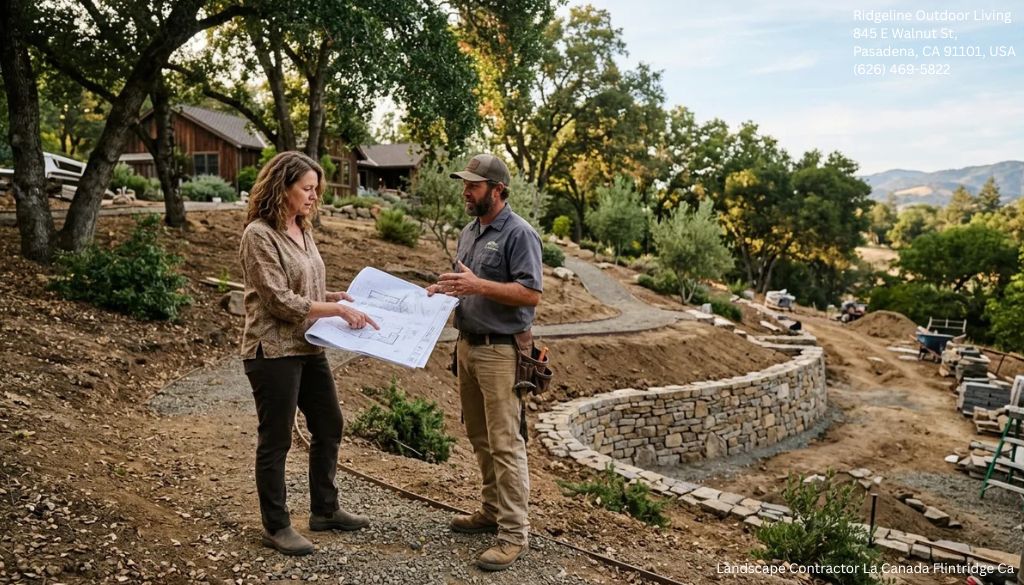
This is one reason cheap bids often cost more in the end. Homeowners tend to compare visible materials because those are easy to see on an estimate. The hidden labor and site prep are where professionals separate themselves. Good contractors explain how water moves, where runoff goes, and how the system is built to last. That level of planning adds real value even if the buyer never sees the drainpipe.
Trees, planting, and the softening effect
A property made entirely of hardscape can feel severe. Value comes from contrast and composition. Trees, shrubs, groundcovers, and perennials soften stone and help it feel established. They also add shade, privacy, and seasonal interest.
Tree Care deserves special attention here because mature trees can elevate property value when they are healthy and appropriately placed. A handsome shade tree near a patio can make that outdoor space dramatically more usable. At the same time, neglected trees with root upheaval, dead limbs, or branches scraping the roof can become a deterrent. Good hardscape planning accounts for root zones, trunk flare, and long-term canopy growth. It does not box a tree too tightly or pave over every inch of permeable ground.
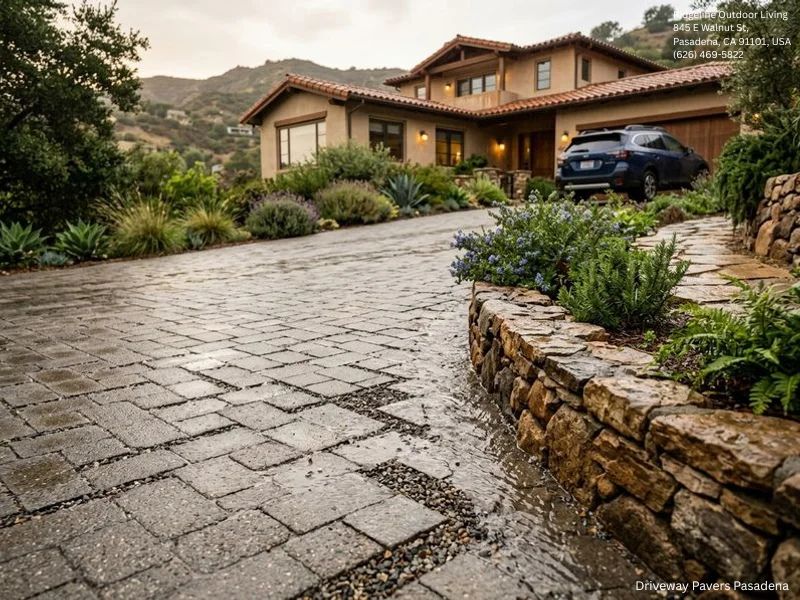
Mulching plays a quiet but important role as well. Fresh, well-applied mulch around planting beds can sharpen the look of a hardscape installation immediately. It creates visual separation, suppresses weeds, and helps the overall yard read as maintained. Garden Mulching is not expensive compared with masonry work, but it can support the entire presentation.
Where homeowners overspend
There is a point where outdoor upgrades become too tailored to the owner’s personal taste. That does not mean you should build for strangers, but resale-conscious projects should avoid locking the next buyer into highly specific preferences.
An oversized outdoor kitchen is a classic example. In some luxury markets, it makes sense. In many midrange neighborhoods, it rarely returns what it costs. The same is true of extravagant water features, niche sport courts, or hardscape layouts that consume nearly all green space. Buyers may admire the workmanship and still prefer something simpler.
The better approach is to invest in a strong framework. Get the patio right. Make circulation intuitive. Solve grade and drainage problems. Add lighting if appropriate. Use durable materials. Then let plants, furniture, and accessories carry more of the personal style. That gives buyers room to imagine their own lives there.
A good way to think about hardscape resale is to ask whether the feature increases broad usability or narrows it. Broad usability tends to pay. Narrow usability is more of a gamble.
How to plan hardscape upgrades with value in mind
If you are considering a project partly for resale, a little restraint and strategy can save you from expensive detours. Start with the problems that are easiest for buyers to notice and hardest for them to ignore.
Use this quick filter before committing to a design:
- Does it improve how people enter, move through, or use the property?
- Does it solve a real issue such as drainage, slope, mud, erosion, or lack of gathering space?
- Does it fit the home’s architecture and the neighborhood price level?
- Will it still look good with ordinary upkeep, not perfect upkeep?
- Does it leave room for plants, shade, and some softness?
Those questions sound simple, but they catch most bad decisions. If a project only looks impressive in a showroom rendering but does little for daily function, it is usually not the best place to spend.
It also helps to think in phases. Many of the best landscapes were not built all at once. A homeowner might begin with a front walk and entry improvements, then add a backyard patio, then refine the planting and irrigation. Phasing lets you match spending to priorities while keeping the design coherent. It is far better to complete one area properly than to scatter partial upgrades across the whole property.
The return is not only financial
Strict return-on-investment math can miss why hardscape adds so much value. A good project improves the owner’s life before the house ever goes on the market. It makes the backyard usable after rain. It creates a place to eat outside. It reduces muddy footprints, clarifies circulation, and cuts down on endless patchwork maintenance. Those daily benefits matter.
Then, when it is time to sell, buyers feel the difference. They may not say, “I am paying more because the wall base was compacted correctly,” but they will say the property feels finished, easy, and well cared for. That response is exactly what pushes value upward.
The strongest homes on the market often share one trait. Nothing important feels unresolved. Hardscaping helps create that feeling ridgeline landscapers because it addresses both beauty and function at once. Whether the improvement is a modest front path or a fully integrated yard with Xeriscaping, Native plants, Water-wise irrigation, and a durable patio, the message is the same. This home has been shaped with intention.
And intention sells.
