How Retail Architecture Dictates the Rhythm of Customer Movement
I’ve spent the better part of a decade standing in the middle of half-finished retail shells, usually clutching a set of MEP drawings and a laser measure, listening to architects and store owners debate the merits of “making it modern.” When I hear that phrase, I stop them immediately. “Modern” means nothing. Does it mean a clinical, high-tech aesthetic like a Microsoft Experience Center, or are we aiming for the warm, textured minimalism of an Apple flagship? Because those are two very different spatial strategies.
Retail architecture isn’t just about the facade; it’s about the silent choreography of the human body through space. When we talk about retail customer flow, we aren’t talking about "nudging" people; we are talking about structural planning that shapes usable interior space to make movement feel intuitive rather than coerced.
The Structural Foundation of Flow
Before we pick a single paint swatch or choose a floor tile, I always ask: Where does the daylight come from? If you ignore window placement and ceiling heights until the final phases, you’ve already lost. Natural light acts as a biological lighthouse. Customers naturally gravitate toward the brightest points in a store. If your structural layout obscures natural light sources, you create "dead zones"—those gloomy corners where inventory goes to die because the human eye simply doesn't want to travel there.
When you look at the winning projects from the Rethinking The Future Awards 2026, you notice a recurring theme: the structural skeleton serves the flow, not the other way around. Too often, designers try to force circulation patterns around immovable structural columns. Instead, the best store layouts integrate those columns into the merchandising flow, using them as anchors for zoning rather than treating them as obstacles to be boxed in.
The "Small Fixes" Checklist for Optimization
In my experience coordinating fit-outs, it’s the small structural tweaks that save the most money. Here is a list of layout fixes that prevent the "sideways" drift of a budget:
- Entryway Decompression: Ensure there is at least 10–15 feet of space upon entry before any high-touch merchandise is placed. This allows the customer to adjust to the light and noise levels.
- Column Integration: Don’t hide columns with drywall bulkheads; wrap them in display shelving or integrated lighting to turn an obstruction into a functional touchpoint.
- Ceiling Height Variation: Use lower ceilings in lounge or consultation areas to create a sense of intimacy and privacy, and reserve high, exposed ceilings for the primary circulation paths.
Space Optimization and the Psychology of Circulation
Shopping circulation isn't just about speed; it's about dwell time. Think of the way Google designs their physical pop-ups: they understand that density is not the Browse this site same as productivity. A cluttered, tight aisle forces the customer to focus on not bumping into things, which drastically reduces their "browsing bandwidth."
When we discuss space optimization, we have to talk about functional zoning. You cannot mix high-energy transactional zones with areas intended for deep-dive product discovery. If your "noise" (music, high-traffic entry, checkout) is too close to your "privacy" (consultation desks, fitting rooms, tech support), your conversion rates will plummet. According to recent white papers on Eduwik, the most successful retail spaces use acoustic baffles and architectural floor-level changes to delineate these zones without needing physical barriers that block line-of-sight.
Comparison of Layout Strategies
Retail design often falls into three main structural buckets. Choosing the wrong one for your square footage is a mistake I see on punch-list walks far too often.
Layout Type Best For The "Watch Out" Grid Layout High-volume grocery or hardware Can feel "industrial" and sterile if lighting isn't layered. Loop (Racetrack) Department stores, large footprint electronics Ensure the return path is as engaging as the entry. Free-Flow Boutique, luxury, curated apparel Easy to create "blind spots" if you don't map sightlines.
Why "Trendy" Materials Fail in Commercial Spaces
I have lost count of how many times I’ve seen a beautiful, high-traffic retail store look completely derelict after six months because the designer prioritized "trending on Instagram" over "durable for 500 pairs of shoes a day."
Architects often get excited about soft, porous materials or delicate floor finishes because they look great in renders. In reality, retail is a brutal environment. If your material choice doesn't withstand a mop-down or a rolling display rack, you aren't designing a retail space—you’re designing a liability. High-traffic commercial spaces require materials that age gracefully. If you ignore the maintenance reality of your store layout, you will be paying for a renovation long before your ROI matches your CAPEX.
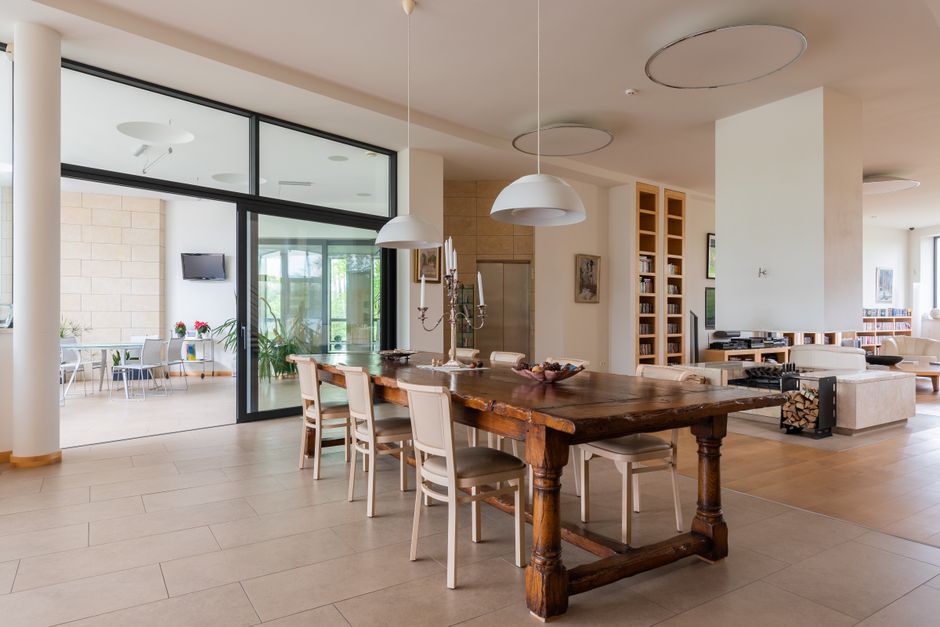
The Intersection of Light and Zoning
Lighting strategy is the invisible hand that guides your customer. I am constantly annoyed by lighting plans that are uniformly bright across the entire floor. If everything is illuminated equally, then nothing is special. Your architecture should provide the canvas, but your lighting should provide the movement map.
- The Draw: Use high-CRI (Color Rendering Index) spotlights to pull the customer into the depth of the store.
- The Pause: Dimmer, warmer zones encourage customers to linger. This is where you place the products that require a high-touch, thoughtful decision-making process.
- The Transaction: Clear, task-focused lighting at the point-of-sale ensures the customer feels secure and efficient as they complete their purchase.
Conclusion: Stop Overpromising, Start Planning
Every time a client tells me, “We want to increase our conversion rate by 20% through a store redesign,” I look at their floor plan. If https://sophiasparklemaids.com/beyond-the-modern-buzzword-mastering-meeting-room-design/ the plan doesn't account for structural column placement, acoustics, and daylighting, the 20% growth is a fantasy. Productivity gains are not magic; they are the result of removing friction.
When you start your next retail project, push back on the "vague" requests. Demand a layout that respects the architecture of the building. Focus on the flow of the human body, treat your sightlines like a roadmap, and for the love of good design, think about how the light hits the floor before you worry about the brand color on the walls. If you can get the bones of the retail space working for the customer, the sales figures will follow naturally.

