How Termite Control Services Support Long-Term Home Maintenance
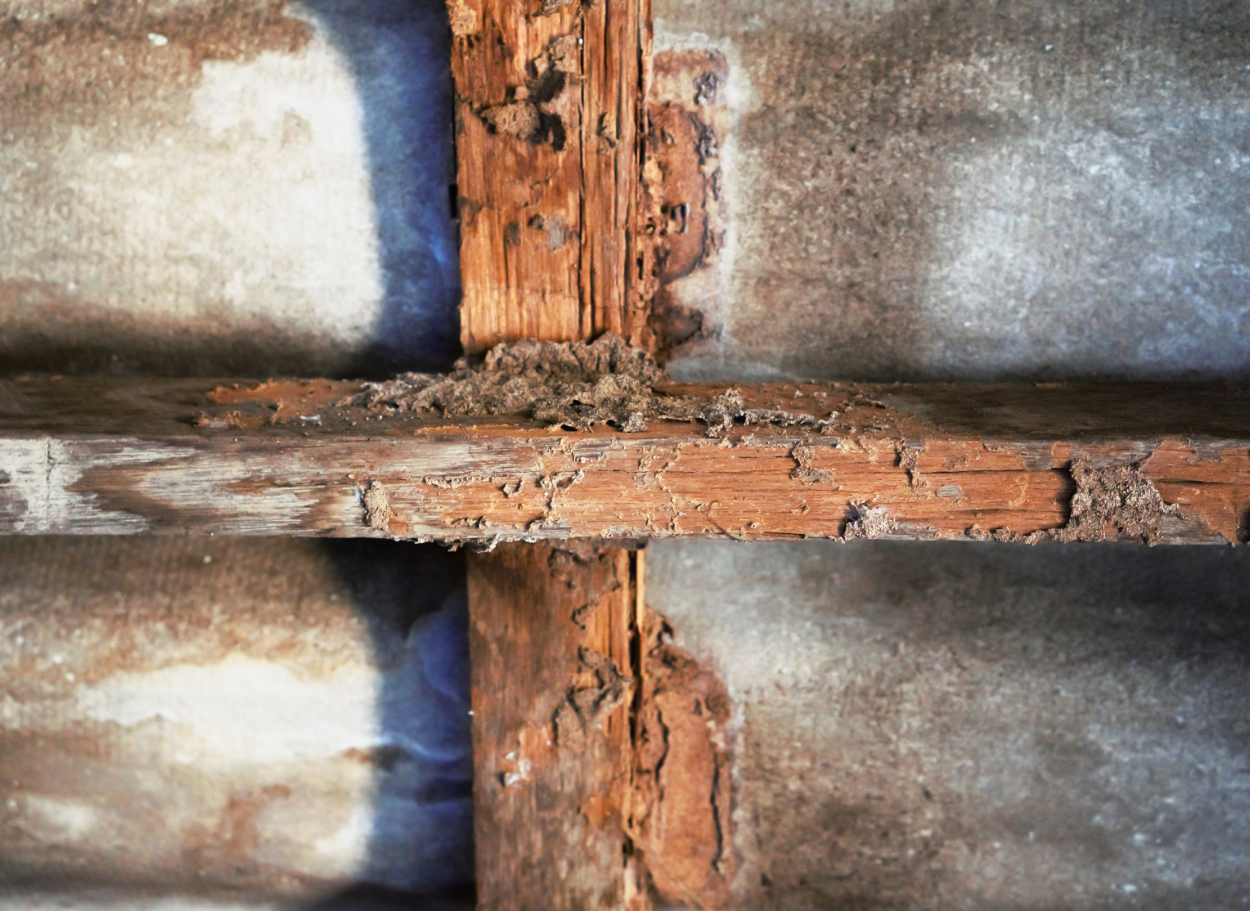
A house can look solid from the street and still be quietly losing strength from the inside out. That is what makes termites such a persistent maintenance issue. They rarely announce themselves in dramatic fashion. More often, they work behind paint, under flooring, inside wall voids, and along framing members that most homeowners never see. By the time visible signs appear, the damage can already be expensive and disruptive.
That is why termite control is not a one-time reaction to a pest problem. It belongs in the broader conversation about long-term home maintenance, right alongside roof inspections, drainage corrections, HVAC servicing, and moisture management. Good termite control services do more than kill an active colony. They help protect structural materials, identify conditions that invite infestation, and give homeowners a clearer picture of how their property is aging over time.
People sometimes think of pest control as separate from home upkeep, almost like an optional add-on. In practice, the line is much thinner. A seasoned technician often notices the same warning signs a sharp contractor or home inspector would notice: damp crawl spaces, leaking hose bibs, wood-to-soil contact, failed caulking, poor grading, or old repairs that were never fully resolved. When termite control services are done well, they become part of a maintenance system, not just an emergency response.
The hidden cost of ignoring termite risk
Termite damage tends to spread slowly, which is part of what makes it dangerous. Sudden failures get attention. Slow deterioration blends into the background. A sticking door gets blamed on humidity. Hairline cracks around trim are written off as settling. A hollow-sounding baseboard seems minor until someone opens the wall and finds galleries carved through the wood.
In many homes, the financial hit is not limited to replacing damaged framing. The repair often spills into finish work and secondary trades. Once a contractor opens a wall or removes flooring, the scope expands. Insulation may need replacement. Cabinets might have to come out. Plumbing or electrical lines could require temporary disconnection. If the damage is in a crawl space or attic, labor becomes harder and more expensive simply because access is difficult.
There is also the issue of timing. When termite problems are discovered during a sale, refinance, or renovation, the homeowner loses flexibility. What could have been handled methodically during a planned maintenance cycle turns into a rushed negotiation or a project delay. That sort of pressure almost always raises costs.
Termite control services reduce the chance of reaching that point. They create regular checkpoints, and checkpoints are what keep maintenance manageable. A problem found early is usually cheaper to treat, easier to isolate, and less likely to force wider repairs.
Why termites fit into the maintenance picture
Long-term home maintenance is really about protecting systems and materials from predictable wear. Roof shingles age. Sealants dry out. Drainage shifts. Wood absorbs and releases moisture with the seasons. Termites exploit those ordinary changes.
Most termite species that affect homes are drawn to cellulose and moisture. That means structural lumber, subfloors, trim, and even cardboard stored in the wrong place can become part of the risk profile. Homes do not become vulnerable because of one single mistake. More often, vulnerability develops from a combination of small conditions that have been left alone for too long.
A familiar example is the crawl space with consistently high humidity. At first, it may seem like a ventilation issue. Then insulation starts to sag. Wood moisture levels rise. Fungal growth appears on joists. Termites now have a more attractive environment, especially if there is also debris or untreated wood nearby. In that situation, termite control services are not just addressing insects. They are helping detect a chain of maintenance failures before the structure suffers more serious loss.
This is where professional judgment matters. The best service providers do not treat every house as if it needs the same approach. They look at age, construction type, local climate, drainage patterns, slab or crawl space design, landscaping, and prior infestation history. A house on a damp wooded lot presents different risks than a newer home on a dry, open site. Maintenance planning should reflect that difference.
What professional termite control services actually do
People sometimes assume termite work begins and ends with spraying a chemical barrier. That can be part of the strategy, but modern termite control services usually involve inspection, risk assessment, treatment selection, follow-up, and documentation. The real value is in how those pieces work together over time.
A thorough inspection focuses on more than visible insects. Technicians look for mud tubes, damaged wood, blistered surfaces, discarded wings, moisture issues, and entry points around foundations or utility penetrations. They also evaluate conditions that make the property easier for termites to exploit. In older homes, they may pay special attention to additions, porch connections, crawl space supports, and previous repair areas, because those locations often reveal shortcuts or concealed vulnerabilities.
Treatment methods vary. Soil treatments can create protective zones around the structure. Bait systems can monitor and suppress colonies over time. Spot treatments may be used when termite activity is isolated and accessible. Sometimes the right answer is a combination, especially on properties with complicated layouts or a history of recurring pressure.
Just as important, reputable providers document what they find. That record becomes useful later. If a moisture issue was noted near a downspout discharge last year, and the same area shows activity this year, the homeowner now has a pattern to address. Maintenance decisions improve when there is a written history instead of guesswork.
Inspections turn invisible problems into manageable ones
Homeowners are often surprised by how much useful maintenance information comes from a termite inspection, even when no active infestation is found. A careful inspection can reveal weak points that have not yet caused damage but are trending in the wrong direction.
Common findings include:
- Mulch piled too high against siding or foundation walls
- Fence posts, deck steps, or trim in direct contact with soil
- Standing water near the slab after irrigation or rain
- Firewood or scrap lumber stored too close to the house
- Crawl space moisture from plumbing leaks or poor vapor control
None of those conditions guarantees termites. What they do is tilt the odds. Over many years, long-term maintenance is often about reducing favorable conditions before they combine into a larger problem. That is the practical advantage of recurring inspections. They put numbers and observations around risk instead of leaving it vague.
In one common scenario, a homeowner calls only because they saw a few winged insects near a window. The inspection shows those insects may have been seasonal swarmers, but the more significant issue is a damp sill area caused by a failed exterior seal joint. No major termite damage exists yet. Fixing the seal joint, drying the area, and setting up a monitoring plan can prevent both pest and structural problems later. The immediate scare turns into useful preventive maintenance.
Moisture control and termite control are closely linked
If there is one pattern that repeats across countless termite cases, it is moisture. Excess moisture softens wood, raises humidity in enclosed spaces, and weakens the natural resistance of building materials. It also tends to coexist with deferred maintenance. A leaking spigot is ignored. Gutters overflow. Soil is graded toward the house instead of away from it. Irrigation sprays the foundation twice a day. Each issue seems small on its own. Together, they create a friendlier environment for termites.
Strong termite control services recognize that treatment without moisture correction is only a partial fix. A home can be treated and still remain unnecessarily attractive to future colonies if the surrounding conditions stay the same.
This is one reason collaboration matters. Sometimes the technician’s recommendation points the homeowner toward a plumber, drainage contractor, roofer, or foundation specialist. That does not mean the termite service failed. It means the service did its job by identifying the full maintenance context. Home systems overlap. Pretending they do not usually leads to repeat problems.
In coastal or humid regions, crawl spaces deserve special attention. Even when there is no standing water, chronically elevated humidity can keep framing damp enough to support decay and pest activity. Encapsulation, improved drainage, a proper vapor barrier, or dehumidification may be more important to the long-term outcome than any single treatment application. Termite protection is stronger when the structure itself is kept dry and less inviting.
Treatment plans work best when matched to the house
There is no universal termite solution that fits every property. That is one of the first lessons people learn after owning homes in different regions. Soil type, climate, construction style, lot conditions, and neighborhood pressure all shape the right plan.
A slab-on-grade home may need close attention around expansion joints, plumbing penetrations, and attached garages. A crawl space home raises different concerns, especially if access is tight or ventilation is poor. Older homes with additions can be tricky because treatment continuity is harder to achieve when the foundation system changes from one section to another. Landscaping can also complicate matters. Mature shrubs, stonework, irrigation lines, and decorative hardscapes affect where and how treatments can be applied.
This is where experience shows. A technician who understands construction details can explain not just what treatment is recommended, but why that recommendation suits the structure. That explanation matters. Homeowners making long-term maintenance decisions deserve more than a generic sales pitch. They need to know the likely lifespan of the treatment approach, what follow-up is required, and which site conditions need correction to support the work.
A lower upfront price is not always the better value if the service plan ignores the house’s actual risk factors. On the other hand, a more intensive treatment may be unnecessary for a low-pressure site with good drainage and no history of activity. Good termite control services balance protection, practicality, and cost, rather than pushing the same package every time.
The role of monitoring in preserving home value
One of the least appreciated benefits of termite control is that it helps preserve not just structure, but confidence. A well-maintained home holds value partly because buyers trust its condition. That trust is stronger when there is a documented history of inspections, service renewals, and recommended repairs being addressed.
A home with a termite warranty or service agreement is not automatically problem-free, but it often signals that the owner has taken maintenance seriously. During resale, that documentation can ease concerns, especially in areas where termite activity is common. It also helps current owners make better decisions about renovations. Before investing in new flooring, cabinetry, or exterior trim, it is wise to know the underlying structure is protected and monitored.
Monitoring matters because termite pressure is not static. A house can go years without trouble and then face new exposure because of nearby construction, tree removal, changing drainage, or the slow failure of barriers installed long ago. Regular monitoring catches those shifts. It turns termite management into an ongoing maintenance discipline rather than a crisis-driven expense.
What homeowners should expect from a quality provider
Not every provider works with the same level of care. Some focus on speed and volume, performing cursory checks that do little beyond satisfying a service schedule. Others treat each visit as a genuine inspection and communication opportunity. The difference becomes obvious over time.
A strong provider usually does several things well. They explain findings in plain language. They distinguish between active infestation, past damage, and conducive conditions. They document areas of concern with enough detail that the homeowner can act on them. They avoid dramatic scare tactics but do not downplay risk either. Most importantly, they connect termite control to broader maintenance decisions.
When evaluating termite control services, homeowners should pay attention to a few practical points:
- How detailed is the inspection and written report
- Whether the technician explains moisture and structural concerns, not just pesticide use
- What follow-up schedule is recommended and why
- Whether the service plan includes monitoring, retreatment terms, or warranty details
- How clearly costs and limitations are spelled out
Those are maintenance questions as much as pest control questions. A homeowner is not just buying treatment. They are buying insight, continuity, and early warning.
Repairs and termite control should inform each other
When termite damage has already occurred, repair work and pest management need to be coordinated. This sounds obvious, but in practice it is often mishandled. A contractor may replace damaged wood without understanding whether the infestation is active. Or treatment may be performed without documenting which members require structural evaluation. Either gap creates risk.
The proper sequence depends on the situation, but the principle is straightforward: eliminate or suppress the termite threat, assess the true extent of damage, and then repair in a way that reduces future vulnerability. Sometimes that means using pressure-treated materials in susceptible locations. Sometimes it means redesigning a detail that invited trouble in the first place, such as eliminating direct wood-to-soil contact at a porch step or improving clearance between siding and grade.
I have seen cases where a relatively modest repair became a recurring headache because the underlying condition remained untouched. A damaged door frame was replaced, painted, and forgotten, but the irrigation head beside it continued soaking the wall several times a day. The new materials looked fine for a while. The site conditions did not improve, and eventually the same area became vulnerable again. That is the central lesson of long-term maintenance. Lasting results come from solving causes, not just symptoms.
Seasonal changes can alter termite pressure
Homeowners often think of termites as a constant risk level, but pressure can change with weather and season. Wet periods can expose drainage weaknesses. Drought can alter soil movement and push insects to new pathways. Spring swarms tend to get attention because they are visible, but the quieter months are just as important for inspection and preventive work.
Heavy rain years are particularly revealing. Water finds low spots, clogged drains, and grading mistakes. Crawl spaces that are usually manageable may stay damp for weeks. Mulch beds can hold moisture against the structure longer than expected. Those are the years when a routine termite service visit often uncovers larger maintenance issues.
In very dry climates, the pattern differs, but it does not disappear. Irrigated landscaping can create localized moisture zones near foundations, especially where planting beds are densely packed against the house. Even in places with lower overall humidity, those concentrated wet areas can support termite activity. The maintenance lesson is the same: risk depends on conditions at the structure, not just the regional weather map.
Long-term budgeting is easier than emergency spending
One of the quiet benefits of ongoing termite control is financial predictability. Preventive inspections and treatment renewals are easier to budget than open-ended structural repairs. That matters for homeowners trying to manage the full lifecycle Termite Control Services maximumpests.com cost of a property.
A major termite repair rarely arrives alone. It tends to show up alongside other aging-house costs, often at the worst possible time. Maybe the water heater just failed. Maybe the roof is nearing replacement. Maybe a bathroom remodel uncovered subfloor issues. When termite protection is handled proactively, there is a better chance those discoveries stay smaller and more contained.
That does not mean every home needs the most expensive annual package available. It means termite planning should be proportionate, deliberate, and integrated into the home’s maintenance calendar. For some properties, annual inspections and a monitored bait system make sense. For others, especially those with known past activity or favorable site conditions for termites, a more robust approach may be justified. The right level of service is the one that aligns with the house’s real exposure and the owner’s willingness to stay ahead of small problems.
The maintenance mindset that keeps homes sound
Homes age well when owners pay attention before damage becomes visible from across the room. Termites test that discipline because they reward neglect and punish delay. Their work is quiet, but the repair bills are not.
Termite control services support long-term home maintenance by creating regular points of observation, reducing infestation risk, documenting changing conditions, and prompting repairs that strengthen the building as a whole. They bring together pest management, moisture control, structural awareness, and practical planning. That is why they matter far beyond the moment a colony is found.
A well-maintained home is rarely the product of one dramatic intervention. It is usually the result of many small, informed decisions made at the right time. Termite control belongs in that category. When treated as part of an ongoing maintenance strategy, it helps preserve the structure, protect property value, and keep avoidable damage from gaining a foothold.
Maximum Pest Control
836 NE 7th Terrace Suite #5
Cape Coral, FL 33909
+1 239-772-7363
FAQ About Termite Control Services
What are two signs of a termite infestation?
Mud tubes along a foundation and piles of shed wings near doors or windows are two signs to investigate. Mud tubes are associated with subterranean termites. A licensed inspector can identify the insect and assess whether there is active infestation.
How many years does a termite treatment last?
There is no single timeline for all treatments. The method, site conditions, and maintenance affect how long protection lasts. Bait systems rely on monitoring and service. Ask the provider for the recommended inspection schedule and the terms of any coverage.
Is Termite Treatment Expensive in Cape Coral?
Cost depends on the termite species, the size and construction of the property, the extent of activity, and the treatment method. Request a written estimate after inspection and ask whether monitoring, follow-up visits, and renewals are included.
