How to Choose PSI for Concrete in Freeze-Thaw Environments
Concrete does a lot of quiet work in cold regions. It holds up garage slabs that see brine every winter, sidewalks that catch salt granules from passing plows, and retaining walls that sit in wet soil from November to April. When the temperature swings above and below freezing, water in and around concrete changes volume. Those cycles gradually pry apart paste and aggregate, then surface scaling starts, then map cracking, and eventually you are looking at replacement, not repair. Getting the compressive strength, or PSI, right is a big part of the defense. It is not the only part, but it sets the baseline for durability in freeze-thaw conditions.
This is a practical guide based on what holds up in the field, what fails early, and what to ask your ready-mix producer and concrete contractors before the truck shows up. I will cover how PSI interacts with air entrainment, water-cement ratio, aggregates, and finish timing, because these elements live together. Think of PSI as the backbone. If the rest of the body is weak or out of alignment, higher PSI alone will not save a slab from winter.
What PSI Means, and What It Does Not
PSI in concrete refers to compressive strength at 28 days. It is a lab number that comes from crushing standardized cylinders under controlled conditions. In the field, that translates to how much load the concrete can carry and how dense the cement paste becomes as it hydrates. Denser paste, within reason, resists water absorption better, which helps against freeze-thaw damage. That is where the PSI conversation connects to winter.
There is a common misconception that you can solve every durability problem by specifying very high strength. If the mix has no entrained air in a freeze-thaw environment, even a 6000 PSI paste can scale and crack after a few seasons. Conversely, a moderately strong, well air-entrained mix can shrug off a lot of winter abuse. PSI matters, but it matters alongside air content and water-cement ratio. I have seen 3500 PSI exterior slabs last twenty years with proper entrainment and curing, and 4500 PSI steps spall after two winters because someone finished the surface too early and bled out the air.
How Freeze-Thaw Actually Damages Concrete
Damage comes from internal pressure. Water saturates the capillaries and microvoids in the cement paste. When it freezes, it expands by roughly 9 percent. If the concrete does not have a network of tiny, well-distributed air voids to absorb that expansion, pressure builds until it finds a weak point. Repetition does the rest. Scaling is the first visible sign, especially where deicing salts are used. It looks like the top layer is peeling off in thin flakes. Air void quality controls the pressure relief, and paste density controls how much water can get in. PSI correlates with paste density through the water-cement ratio. That is the mechanical side of the problem.
There is a second factor: saturation. Concrete that can dry between freezes fares better than concrete that stays wet, like shaded sidewalks next to irrigated turf, or the north side of a retaining wall. In those locations, durability demands move up a notch. That is why identical mixes can perform differently across a site. The details of drainage, sun exposure, and finish texture matter as much as the design strength on the ticket.
Target PSI Ranges by Application
For freeze-thaw environments, typical targets fall into a narrow band, but the right choice depends on use, exposure to deicers, and structural demand. The ranges below reflect common specifications in cold-weather regions and what I have seen hold up in real concrete projects.
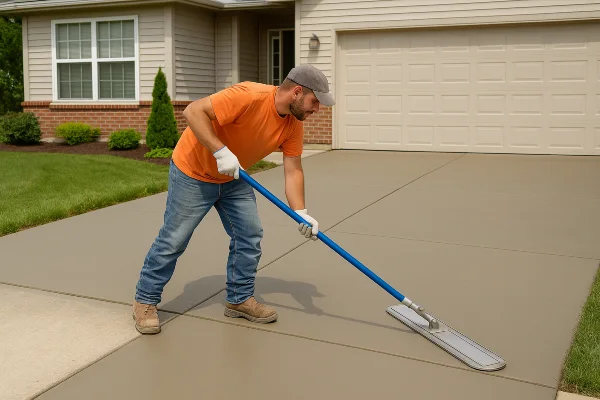
Driveways and residential garage slabs: 4000 to 4500 PSI. These surfaces see vehicle loads, water, and frequent deicing salts carried in by tires. The 4000 PSI mark, combined with air entrainment and a low water-cement ratio, provides a durable surface while staying workable for crews. Bump toward 4500 PSI if the slab will be broom finished in late fall when drying conditions are poor and the surface may stay damp longer.
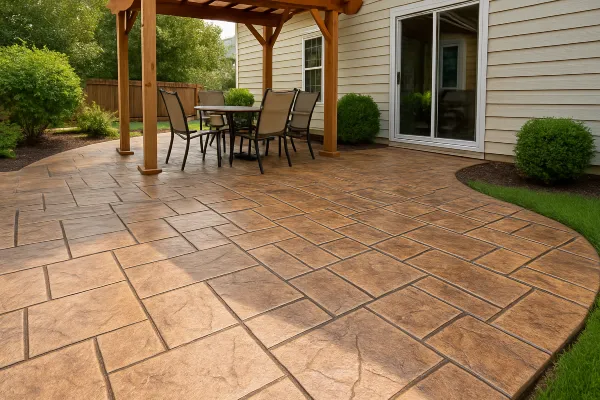
Sidewalks, patios, and exterior steps: 3500 to 4500 PSI. Where deicers are regularly used by the homeowner or city, I avoid dropping below 4000 PSI. For shaded or poorly drained walks, I treat them like driveways and aim for 4000 to 4500 PSI. If the area is well drained and rarely sees salt, 3500 PSI can perform fine with proper air and curing.
Commercial flatwork with heavy foot traffic or equipment: 4500 to 5000 PSI. Loading docks, dumpster pads, and entrances typically see salt, wheel loads, and impact. The higher end of this range adds density and abrasion resistance. These jobs also benefit from higher cementitious content and tighter quality control.
Structural elements exposed to weather, like retaining walls and parapets: 4000 to 5000 PSI. Here, structural requirements often set the PSI. If exposure to water and freeze-thaw is significant, err high and lean on higher durability measures like air entrainment and supplementary cementitious materials.
Paving concrete in severe freeze-thaw with deicers, such as municipal streets or parking lots: 4500 to 6000 PSI. Agency specifications vary, but many DOTs in cold regions center around 4500 PSI with strict air void parameters. High volumes of traffic and salt push you to the upper end, tempered by a water-cement ratio limit and well-graded aggregates.
These bands are not just about crushing strength. They point to the practical sweet spot between workability and durability. Push PSI too high without adjusting the rest of the mix, and you risk plastic shrinkage cracking, finishing challenges, and unnecessary cement costs. Go too low, and you accept an open pore structure that stays wetter, which is a short runway to scaling.
The Non-Negotiable: Air Entrainment
For exterior concrete in freeze-thaw regions, air entrainment is mandatory. The goal is to create a system of microscopic bubbles, not big visible voids. These bubbles give freezing water somewhere to expand. Most specifications call for 5 to 8 percent air for flatwork with 3/8 to 3/4 inch aggregate, adjusting for slump and temperature. In practice, I aim for 6 to 7 percent for exterior slabs and steps in climates with regular freeze-thaw, and I confirm it in the field with a pressure meter. That small expense beats the cost of surface spall repairs.
Two caveats come up repeatedly on jobs. First, overworking the surface can collapse air at the top, which is exactly where you need it. Finishing too early, before bleed water evaporates, or using a steel trowel on air-entrained exterior flatwork, can drive air out of the skin and leave the surface vulnerable. Second, water added at the site to loosen a stiff load will change both air content and water-cement ratio. If slump needs adjustment, use a water-reducing admixture or have the plant remix the batch numbers accordingly. Do not casually add a few gallons because the tailgate looks thick. Those decisions show up a winter or two later.
Water-Cement Ratio, the Silent Partner
If I could control only one parameter besides air, it would be the water-cement ratio, often abbreviated w/c. A lower w/c generally means denser paste and lower permeability. For freeze-thaw work, keeping w/c at or below 0.45 is a proven threshold, with 0.40 to 0.45 being the target range for exterior slabs that will see deicers. Many mix designs that hit 4000 to 4500 PSI at 28 days land in that zone. Chasing 6000 PSI by adding cement without controlling water can backfire, because the crew may add water to keep it workable, and permeability climbs.
In practice, w/c is managed at the plant and preserved on site by discipline. Use a mid-range water reducer to keep slump in a workable range without adding water. Coordinate placement so the truck is not waiting with drum turning for an hour. When delays happen, get a re-tempering plan that uses admixture, not jobsite water. These habits keep the designed w/c intact and protect the freeze-thaw durability you thought you bought.
Aggregates Matter More Than Most People Think
Well-graded, durable aggregates support strength and reduce paste demand. In freeze-thaw, aggregate quality plays a second role. Certain aggregates absorb water or react with alkalis, which can worsen freeze-thaw damage or cause popouts. Local ready-mix producers usually know which quarries hold up in winter. If you are pushing the limits, like thin sections or highly exposed surfaces, ask about aggregate absorption and freeze-thaw history, not just sieves and specific gravity.
Maximum aggregate size changes the air target and the finish. Larger aggregate can help reduce paste volume and shrinkage, but in thin slabs and steps, 3/8 to 1/2 inch is more practical. I have pulled cores from scaled steps where the top half inch was mostly paste and fine sand because of finishing practices and bleed water. That paste-rich skin is weaker and more absorbent. A smart mix balances fines and coarse to avoid that weak layer.
Supplementary Cementitious Materials and Deicer Exposure
Fly ash, slag cement, and silica fume can enhance durability, but they are not plug-and-play. In freeze-thaw environments:
Fly ash, typically Class F, can improve workability, reduce permeability, and limit heat of hydration. Replacement rates of 15 to 25 percent are common in exterior flatwork. Air entrainment can be trickier with fly ash, and finishing timing can change, especially in cool weather. If there is a risk of early deicer exposure, fly ash mixes may be more sensitive in the first month. Plan curing and first-season deicer use accordingly.
Slag cement, often in the 25 to 40 percent range, helps with permeability and long-term strength and tends to respond well to air-entraining admixtures. Set times can extend in cold weather, so factor that into schedule and finishing.
Silica fume densifies paste and improves surface strength in thin toppings and overlays. For general exterior flatwork, small dosages can help, but finishing gets more demanding. I rarely specify it for residential drives or walks unless there is a specific need.
The common thread: SCMs support durability when you manage air content and curing. They do not replace air entrainment in freeze-thaw regions, and they can lengthen time to deicer resistance. If you must apply deicers early, do a mock-up or at least talk with your producer about surface performance in your climate.
Curing and First Winter Practices
Even a perfect mix can fail early if it dries too fast or is salted too soon. Curing locks in strength and reduces permeability by allowing hydration to continue. For exterior slabs, I prefer curing compounds that meet ASTM C309 or C1315 or, when practical, seven days of wet curing using blankets or soaker hoses controlled to avoid washout. In late fall placements, insulating blankets protect against early-age freezing. New concrete should not freeze in the first 24 to 48 hours. If it does, surface scaling is almost guaranteed.
On the first winter, go easy on deicers. The concrete needs time to develop resistance. Straight rock salt, sodium chloride, is the least aggressive. Avoid magnesium chloride and calcium chloride in the first season, and avoid fertilizer blends entirely. Sand for traction is underrated. A homeowner who keeps the shovel handy and uses sand instead of aggressive chemicals will get many more good years out of a driveway.
Craft and Timing on the Slab
A lot of freeze-thaw durability is decided in the hour after placement. I have watched finishing crews rescue a mix on the edge and I have watched them ruin a great mix by chasing a shine. Broom-finished exterior concrete wants patience. Wait for bleed water to dissipate. Screed and bull float once to bring it level, then leave it alone until the surface holds a footprint with no water sheen. If you close the surface early with a trowel, you trap water and reduce surface air content. That glossy finish will not survive January.
Control joints help manage cracking from shrinkage and temperature swings, which reduces pathways for water. For a 4 inch exterior slab, cut joints to a depth of at least one inch, spaced roughly 8 to 12 feet depending on geometry and reinforcement. Sooner is better, usually within 6 to 12 hours using early-entry saws, or the next morning with a conventional saw when the surface can handle it without raveling. Tight, well-timed joints mean fewer random cracks for water to exploit.
Choosing PSI With the Whole System in Mind
When owners ask me for one number, I ask them a few questions first. How much salt will you use? What is the exposure to sun and wind? Is the site flat or crowned for drainage? What finishing crew will place it, and how do they handle cold weather? The answers pull the specification toward the safe side or allow some flexibility. Here is a concise way to approach the decision without losing the nuance.
- Define exposure: frequent deicers, occasional deicers, or minimal. This decides whether you lean to 4000 or push to 4500 and above.
- Lock air entrainment: target 6 to 7 percent in the field and test the first load. Adjust admixture rather than water if slump needs help.
- Cap water-cement ratio: specify a maximum of 0.45 for exterior freeze-thaw work. Add a mid-range water reducer to maintain workability.
- Coordinate placement: avoid late-season night pours without blankets and a curing plan. Schedule so bleed water can leave before finishing.
- Confirm aggregates and SCMs: ask your producer for mixes that have a track record in similar winter work. Keep fly ash and slag percentages in proven ranges, and understand set time changes.
Those steps, consistently applied, decide whether a 4000 PSI driveway lasts ten years or twenty. The PSI alone is not the difference maker, but it signals the rest of the system when paired with the right limits and practices.
Typical Missteps and How to Avoid Them
The fastest way to ruin a winter-grade mix is on site. Adding water at the truck because the screen crew is short-staffed is a classic. It elevates slump, collapses air, and lifts the water-cement ratio. I have tested air on first and last chute pours from the same truck. The first read 6.5 percent, the last read under 4. The surface told the same story the next winter.
Another common misstep is sealing the surface with a hard steel trowel on exterior slabs. That finish looks great for a day and fails within a season because the dense, air-depleted skin can neither absorb expansion nor shed water. Use a magnesium float and broom for exterior. Save steel trowels for interior slabs.
Over-salting new concrete can overwhelm even a well-designed mix. If you must use deicers the first winter, apply sparingly and sweep off residue after the storm. Also watch downspout outlets and snow storage areas. Piling salted snow on one corner of a driveway soaks and chills the same spot for weeks, which accelerates scaling. A simple rethink of snow storage can slow the damage.
Working With Ready-Mix Producers and Contractors
Experienced concrete contractors who work winters know what survives. Bring them into the design early. Share where you plan to use deicers and where water drains. Ask the ready-mix producer for their standard winter durability mix for exterior flatwork at your target PSI. Producers track customer callbacks. They know which mixes generate warranty claims and which do not.
A short pre-pour checklist helps the crew align with the mix:
- Verify mix ticket: target PSI, air-entraining admixture, water reducer, and the w/c limit.
- Test slump and air on the first truck: adjust admixtures in coordination with the plant, not with a hose.
- Confirm finishing plan: broom finish, no steel trowel, and timing based on bleed water, not schedule pressure.
- Secure curing materials: blankets on site if temperature will drop, curing compound ready as soon as the broom work ends.
- Plan early jointing: saw timing, layout, and crew responsibility.
These small steps do more for winter durability than bumping the PSI by 500 on paper. If the project involves a municipality or large commercial site, consult their standard specifications as well, since many require preapproved mix designs and field testing.
Cost, Value, and When to Spend More
A jump from 3500 to 4000 PSI might add a few dollars per cubic yard. Climbing from 4000 to 5000 can add more, especially if cement content climbs and admixtures increase. On a typical residential driveway, the total premium is often less than the cost of a single early patching job. The better investment, in my experience, is not only the higher PSI but the quality controls: field air tests, a dependable curing plan, and a contractor who respects timing. Money spent on those items returns more than money spent on headline strength alone.
There are cases where a higher PSI truly pays. Thin-section toppings, exposed concrete hardscapes at high-profile entrances, and heavily salted commercial approaches see high use and scrutiny. In those situations, specifying 4500 to 5000 PSI with strict w/c limits, air control, and a robust curing regime gives you a durable skin and crisp finish that keeps appearances through winter.
Edge Cases and Special Situations
Heated slabs change the equation. A properly designed hydronic or electric snow-melt system reduces the need for deicers and keeps the slab drier. You can maintain a 4000 PSI target with strong air control and focus on crack control and thermal cycles. Still, consider the risk of intermittent operation, because a slab that cycles from warm to freezing while wet can see unique stresses.
Colored and stamped concrete adds surface complexity. Release agents and sealers influence early curing and trap moisture. For stamped patios in cold regions, keep the PSI at or above 4000, maintain 6 to 7 percent air, allow longer cure times before sealing, and choose breathable sealers with proven freeze-thaw performance. Dense, non-breathable sealers over damp concrete are a recipe for flaking.
High-altitude or very cold placements push set times and finishing windows. Non-chloride accelerators help, but they can interact with air entrainment and slump. Trial batches and a small mock-up pour in similar conditions can save a project. In deep winter pours, I favor slightly higher cement content, a moderate accelerator, and careful temperature control with heated enclosures and blankets over radical admixture cocktails that are hard to manage in the field.
Bringing It All Together
Choosing PSI for concrete in freeze-thaw environments is not about picking the biggest number. It is about choosing TJ Concrete Contractor TJ Concrete Contractor a strength range that supports a low water-cement ratio, pairing it with reliable air entrainment, and executing the placement so that the top quarter inch, where the winter lives, retains its engineered properties. For most exterior flatwork that sees deicers, 4000 to 4500 PSI is the practical core, with commercial and high-load cases pushing to 5000. Keep the air around 6 to 7 percent, lock w/c at 0.45 or below, select proven aggregates, and cure like it matters, because it does.
The right conversations with your concrete contractors and ready-mix producer up front set up the whole job for success. Ask about their winter mixes, field testing habits, and curing plans. Insist on managing water at the site, and control finishing and saw-cut timing. That is how a driveway or sidewalk still looks good five winters from now, not by swinging for 6000 PSI and hoping for the best. The strength number opens the door, but how you build and treat the concrete determines whether winter comes in.
TJ Concrete Contractor 11613 N Central Expy #109, Dallas, TX 75243 469-833-3483
