How to Manage Your Expectations Before Starting Medical Cannabis in the UK
If you have been following the conversation around medical cannabis in the UK, you have likely encountered a wide spectrum of narratives. On one end, there is the hope for a transformative treatment; on the other, a confusing landscape of private clinics, varying costs, and rigid regulatory requirements.
As someone who has covered the UK healthcare sector for nearly a decade, I have seen many patients enter this pathway with a misunderstanding of what the process actually looks like. The reality is that medical cannabis is not a “quick fix” or a “miracle cure.” It is a controlled, clinical intervention that sits within a highly specific regulatory framework.
To avoid disappointment, it is essential to approach this not as a shopping experience, but as a structured medical journey. Here is how you can manage your expectations and navigate the paperwork effectively.
Understanding the Clinical Pathway
Before you begin, you must understand that medical cannabis is generally considered a treatment of last resort in the UK. It is rarely—if ever—prescribed as a first-line treatment. If you are reading this, the clinical expectation is that you have already exhausted traditional NHS-approved treatment options for your specific condition.
Most patients access this treatment through private specialist clinics. While the NHS can theoretically prescribe medical cannabis, the guidelines issued by NICE (National Institute for Health and Care Excellence) are extremely narrow. Consequently, the vast majority of legal prescriptions in the UK are currently issued by private practitioners.
This is a crucial distinction. Because you are entering a private healthcare environment, the “pathway” is governed by business standards and clinical compliance rather than standard NHS workflows. You will be paying for the clinical expertise, the medication, and the administrative overhead of managing a controlled substance prescription.
The Essential Paperwork: Don’t Skip This Part
If there is one place where patients get stuck, it is the paperwork. Many believe that a quick phone call is enough to get a prescription. In reality, the compliance requirements are rigorous to ensure patient safety and legal adherence.
Before any consultation, you will be required to provide your medical records. This isn’t just a formality; it is a clinical necessity. The consultant needs to see your Summary Care Record (SCR) to verify:
- Your formal diagnosis.
- The specific treatments (medications or therapies) you have already tried.
- Evidence that those treatments were ineffective or caused intolerable side effects.
If you do not have these records ready, your application will stall. Clinics operate under strict oversight, and they cannot legally prescribe without a documented clinical history of “treatment-resistant” symptoms. Spend time gathering your letters from consultants and GP notes; this is the most effective way to ensure your application moves forward.
The First Consultation: An Assessment, Not a Transaction
It is common to view the first consultation as a formality—a gateway to getting a prescription. That mindset is dangerous. The first consultation is a comprehensive medical assessment. You will be questioned extensively about your medical history, your current lifestyle, and your treatment goals.
The consultant may decide, after a thorough review, that medical cannabis is not appropriate for you. They may suggest further tests, alternative therapies, or confirm that your current condition does not meet the necessary threshold for a controlled prescription. Prepare yourself for the possibility of a “no.” This is not a failure; it is the clinic acting in your best interests to avoid prescribing something that could interact poorly with your existing health profile.
What to expect during the clinical review:
Stage Purpose Record Review Verifying treatment-resistance Psychiatric/Physical Screen Assessing suitability and risk Risk Assessment Evaluating potential contraindications Treatment Planning Setting realistic milestones
Gradual Response and the Importance of Titration
If you are prescribed medical cannabis, the most important concept to embrace is "titration." This is the process of adjusting the dose to reach the optimal therapeutic effect with the fewest side effects.
Patients who expect "instant relief" are almost always disappointed. Medical cannabis, much like many chronic pain or psychiatric medications, requires a "start low, go slow" approach. You will likely begin on a very small dose. You will then monitor your symptoms over several days or weeks before deciding whether to adjust the dose upwards.
This is where follow-up appointments become mandatory. You cannot simply get an initial prescription and disappear. You need to provide feedback to your doctor so they can adjust your treatment plan. Skipping these follow-ups is not only a breach of the clinical pathway but also prevents you from achieving a stable therapeutic outcome.
Navigating Regulation and Reputable Providers
Because the market is relatively new, there is a lot of noise. You will see companies offering a “medical cannabis starter kit UK” or similar packages. When evaluating these, always look for transparency regarding their clinical governance.
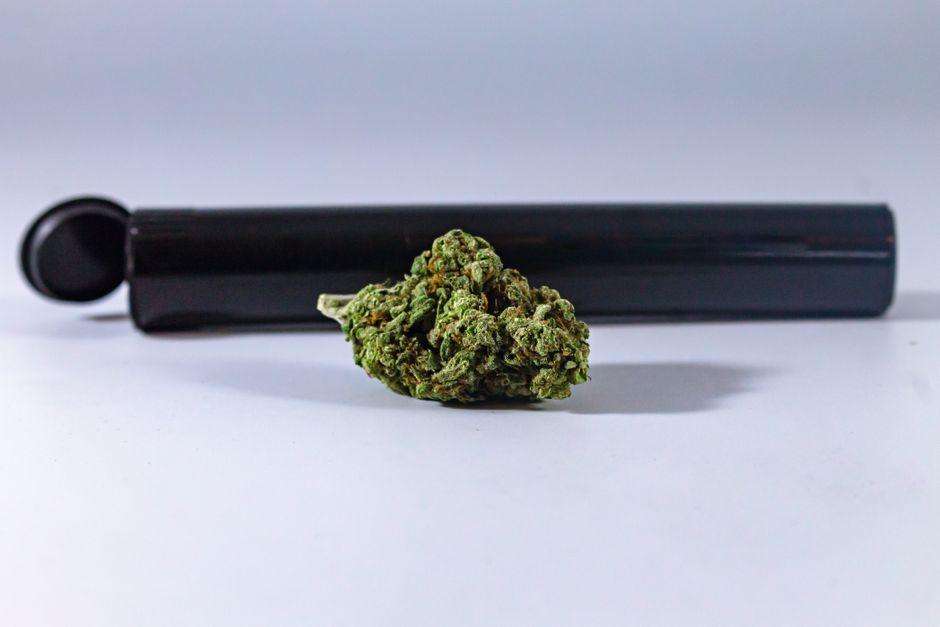

A good starting point for your research is understanding how pharmacies are regulated. In the UK, pharmacy services are overseen by the General Pharmaceutical Council (GPhC). You can check if a pharmacy is registered and compliant via pharmacyregulation.org. If a clinic or pharmacy is unwilling to discuss its regulatory status or the qualifications of its prescribing doctors, that is a red flag.
Providers like Releaf are examples of platforms that aim to provide structured guidance for patients. Whether you choose a clinic like this or another provider, look for those that emphasize education and long-term support rather than just the provision of the medicine itself. A professional clinic will always prioritize the “structured pathway” over the “product.”
Summary: How to Maintain Realistic Expectations
To avoid getting your hopes too high, keep these three principles in mind:
- It is a Treatment, Not a Cure: Medical cannabis is a tool to manage symptoms. It rarely resolves the underlying cause of a chronic condition.
- The Process is Rigorous: The paperwork is designed to protect you, not to be a nuisance. Respect the clinical review process; it exists to ensure you are safe.
- Patience is Required: You will likely need to adjust your dose several times before finding the right balance. Success is measured in weeks and months, not minutes.
If you are frustrated by the lack of progress on the NHS, you are not alone. However, shifting to a private pathway requires you to be an organized and realistic patient. Focus on your medical records, communicate openly with your consultant during follow-ups, and avoid any provider that promises "instant" results. By treating this as a serious medical transition, you set yourself up for the best possible chance of success within the regulated UK system.
Disclaimer: I am a journalist and features writer. This article is for informational purposes only and does not constitute medical advice. Always consult with your GP or a qualified medical professional before making decisions about your healthcare.
