How to Navigate the Changing Landscape of Keyboard and Piano Sales
I have been buying and selling keyboards and pianos for over a decade now, first as a broke college student hunting for a decent digital piano on Craigslist, later as a working musician upgrading my rig, and more recently as a weekend flipper who buys undervalued stage pianos, cleans them up, and passes them along. Every time I wade into the market I see the same patterns: people get paralyzed by choice, overpay for features they will never use, or buy a brand name without understanding what they actually need. The world of keyboard and piano sales has changed dramatically in the past few years, and knowing how to move through it smartly can save you hundreds or even thousands of dollars.
Understanding What You Are Actually Buying
The first mistake most buyers make is treating every keyboard the same. An acoustic piano is a completely different beast from a digital piano, which is again different from a synthesizer or a MIDI controller. If you walk into a store or open a marketplace without knowing which category you need, you will get sold something that may not suit you. I have watched students buy a weighted 88-key digital piano when what they really needed was a lightweight 61-key MIDI controller for their bedroom studio. And I have watched weekend warriors buy a full-size stage piano with hundreds of sounds when all they wanted was a clean acoustic piano touch for classical practice.
The category you choose determines how you should shop. For an acoustic piano, condition and maintenance history matter far more than brand prestige. For a digital piano or stage piano, the action and speaker quality are the real differentiators. Synthesizers and workstations are about sound engines and connectivity. And MIDI controllers are about feel and integration with your computer. Mixing these priorities is the fastest way to waste money.
The Brands That Keep Their Value
Some brands hold value remarkably well in the used market, and knowing this can make you money when you sell. Yamaha and Roland consistently top the list for digital pianos and stage pianos. A used Yamaha P-515 or a Roland FP-90 will sell quickly if priced right, because players know those actions are reliable and the sounds are good enough for serious work. Casio, while often considered a budget brand, has surprised me with its staying power on the used market, especially the Privia line. People who buy a Casio digital piano usually get years of use and can resell it for a fair price.

Korg is a workhorse brand in the synth and workstation world, and its gear holds up well because Korg does not change models every year. The same goes for Moog, though Moog gear tends to be bought by a specific kind of player who knows exactly what they want. Nord Piano is a different story. Nord Piano instruments are high-end digital pianos with sampled sounds that rival acoustic pianos, and they retain value better than almost anything else in the category. I have seen five-year-old Nord Piano units sell for 80 percent of their original price. That kind of retention is rare.
On the acoustic side, Steinway & Sons is the gold standard, but its price point keeps it out of most casual conversations. Boston Piano, which is designed by Steinway & Sons but built to a lower price point, offers a middle ground that holds value reasonably well. And of course, the big guitar brands like Gibson and Fender make keyboards too, though their synth and controller offerings are niche compared to their guitar lines. A Fender Rhodes electric piano is a holy grail for some players, but the modern Fender keyboard line is less celebrated.
Where to Buy and Sell
I have bought and sold gear on just about every platform. Reverb is the dominant marketplace for used musical instruments, and its search filters and seller ratings make it easier than most to find a fair deal on a keyboard or piano. Sweetwater is my go-to for new gear because their customer service is genuinely good and they include a free 2-year warranty on most items. Guitar Center has the advantage of physical stores where you can try before you buy, though their used prices are often above what you would pay on Reverb or in a private sale. Music & Arts is similar but tends to have a better selection of acoustic pianos and educational keyboards. Thomann is the European giant, and their house-brand products are surprisingly good for the price.
The key to smart buying is knowing which platform matches which type of gear. For a rare synthesizer like a Moog Subsequent 37, Reverb is your best bet because the community is full of enthusiasts who price realistically. For a common digital piano like a Yamaha P-45, you can often find a better deal on Facebook Marketplace or a local classifieds site, because sellers just want it gone and do not want to deal with shipping. For an acoustic piano, you absolutely must play it in person before buying, so local listings or a store like Music & Arts are the only sensible options.
The Hidden Costs Nobody Talks About
I learned this the hard way. When I bought my first acoustic piano, I only looked at the sticker price. I did not think about tuning, moving, humidity control, or the fact that a piano takes up a lot more space than a keyboard. Acoustic pianos need tuning at least twice a year, and a single tuning can cost over a hundred dollars depending on your area. Moving an acoustic piano is not something you do with two friends and a pickup truck; you need professional movers with the right equipment. That can easily add another few hundred dollars to your cost.
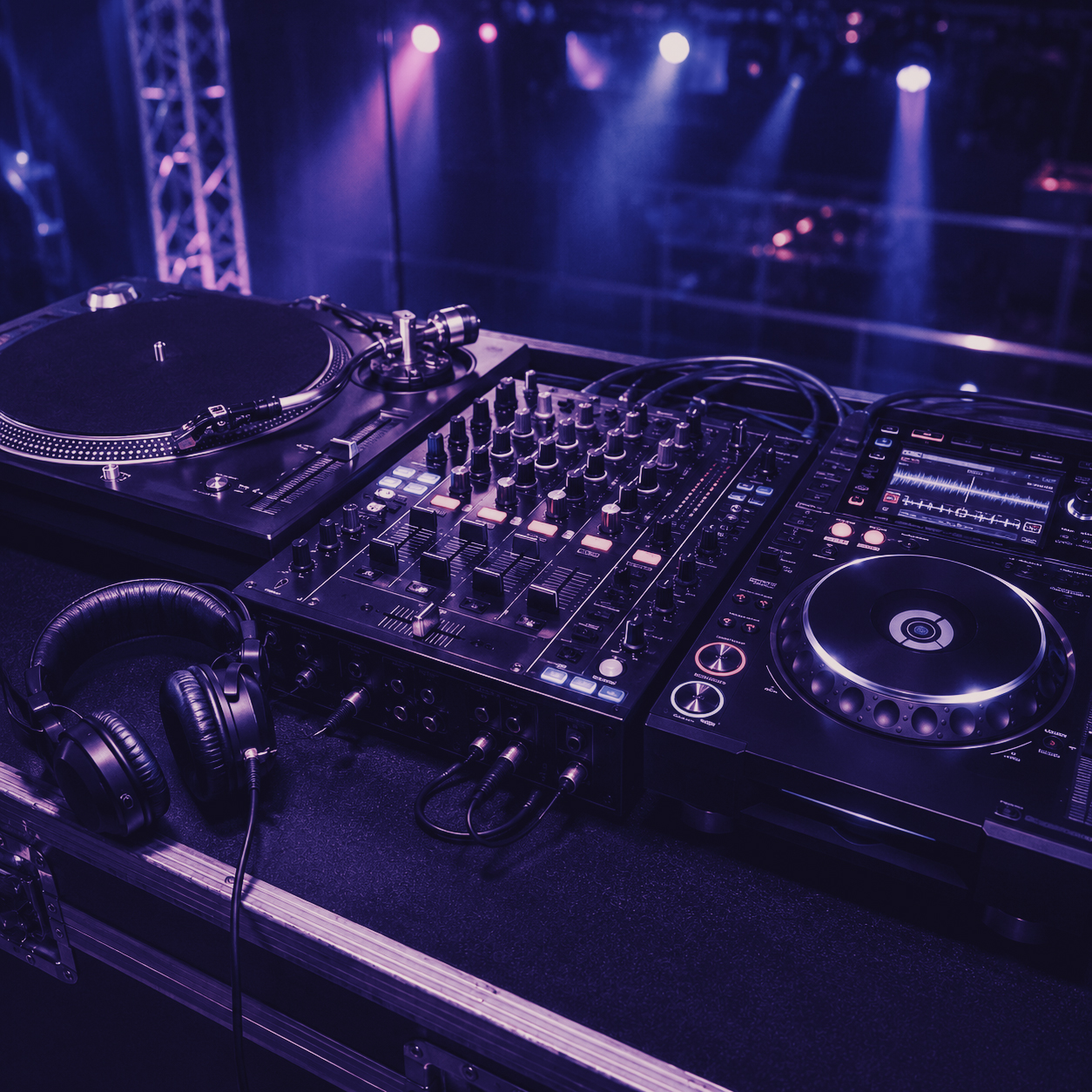
Digital pianos and stage pianos have their own hidden costs. A good sustain pedal costs more than the cheap plastic one that comes in the box. A proper bench is not a luxury; it affects your posture and your playing. And if you plan to record or perform, you will probably need a stand, a case, and maybe a DI box or an audio interface. These add-ons can push the total cost of a keyboard and piano purchase well beyond what you expected.
How the Market Has Shifted
The pandemic changed everything. In 2020 and 2021, keyboard and piano sales exploded because everyone was stuck at home and wanted a hobby. Manufacturers could not keep up with demand, and used prices actually rose for a while. That boom has settled, but the market is still different from what it was five years ago. More people now know that a good digital piano can replicate the feel of an acoustic piano well enough for serious practice. The stigma against digital instruments is mostly gone. That means the market for digital pianos and stage pianos is bigger and more liquid than ever, while the market for acoustic pianos has shrunk slightly, especially at the lower end.
I have noticed that synthesizers and workstations have become a separate world of their own. The resurgence of analog synthesis and the popularity of modular gear have pushed prices up for vintage Roland and Korg synthesizers, while modern digital workstations from Yamaha and Casio have become more affordable and more capable. If you are looking for a used synthesizer, the sweet spot is usually a model that is about five to ten years old, recent enough to have modern features but old enough that the original buyer has moved on.
Practical Tips for Your Next Purchase
Here are a few things I wish someone had told me when I started:
- Always play the instrument before you buy, even if it is a digital piano. The feel of the keys varies wildly between models and even between units of the same model due to wear.
- Check the polyphony count on digital pianos and stage pianos. A model with 64-note polyphony will cut off notes in complex passages; 128 or more is standard for serious playing.
- Do not overpay for extra sounds unless you actually use them. A stage piano with fifty built-in voices is not better than one with ten if you only ever play acoustic piano and electric piano sounds.
- Look for local seller communities. I have found some of my best deals through word of mouth and musician-specific Facebook groups, not through large marketplaces.
One more thing: if you are selling, clean your gear thoroughly and take good photos. A clean keyboard with well-lit photos sells for 10 to 20 percent more than the same keyboard with dim, cluttered pictures. That is not a guess; I have tested it.

Where Keyboard and Piano Sales Are Headed
The trend I see is toward hybrid instruments that blend acoustic and digital features. Yamaha and Roland are both pushing hybrid pianos that use real acoustic actions with digital sound generation. These instruments cost more upfront but eliminate the maintenance of an acoustic piano while giving you a feel that is very close to the real thing. On the other end, MIDI controllers are getting more expressive, with polyphonic aftertouch and MPE becoming standard on higher-end models. The line between a keyboard and a computer is blurring, and that means the used market will keep shifting.
If you are in the market right now, the best advice I can give is to be patient and do your research. The keyboard and piano sales landscape is full of good deals if you know what to look for and where to look. Do not let the noise of too many options push you into a bad purchase. Play the instrument, check the history, factor in the hidden costs, and buy from a seller you trust. That approach has never let me down.
