How to Plan a Memorable Event at a Gin Bar
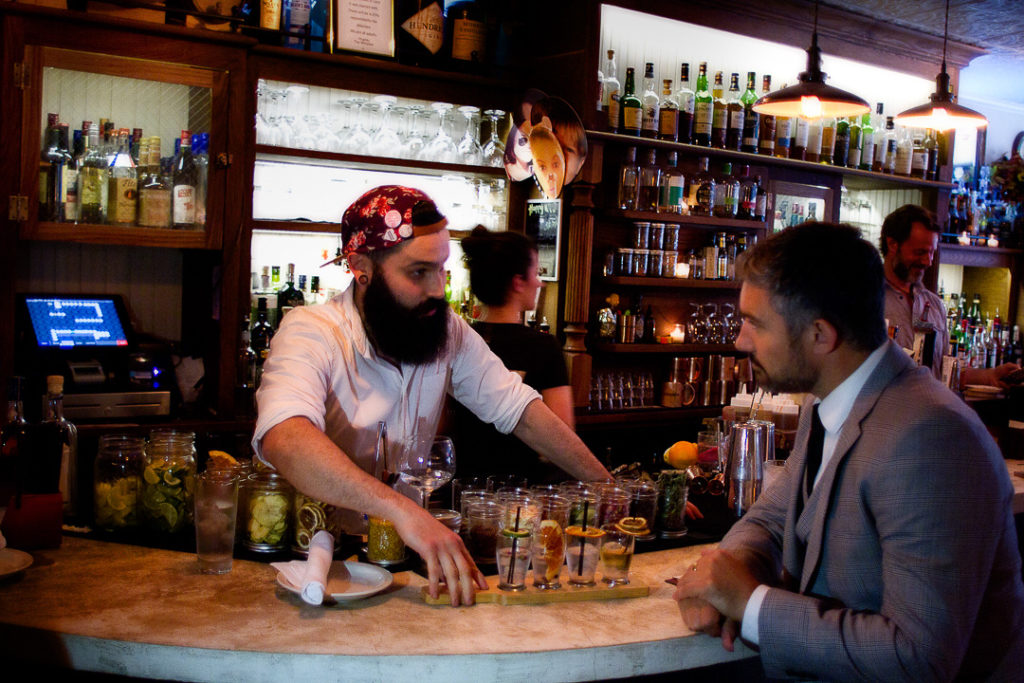
A good event is rarely remembered because the room looked nice on arrival. People remember how it felt to be there. They remember whether the conversation flowed, whether the drinks suited the mood, whether the timing felt smooth rather than rushed, and whether the host seemed calm enough to enjoy the evening too. That is what makes a Gin Bar such an appealing venue when it is handled well. Gin has range. It can feel celebratory without becoming stiff, sophisticated without turning precious, and social without demanding a black tie dress code.
That flexibility is also what makes planning important. A gin-focused space can carry a birthday, a client evening, a team celebration, a product launch, an engagement party, or a private dinner with equal ease, but only if the event is built around the venue’s strengths rather than forced into a generic template. I have seen beautifully designed events fall flat because they ignored the flow of the bar, the pace of service, or the simple fact that guests needed more than a clever cocktail menu to stay engaged. I have also seen relatively modest gatherings become unforgettable because the host got the fundamentals right.
Planning a memorable event at a gin bar starts with one central question: what do you want people to say on the way home? If the answer is simply, “That was nice,” you can stop at drinks and a few bar snacks. If the answer is, “That was one of the best events I’ve been to this year,” then every decision needs to support that standard.
Start with the kind of night you actually want
Before you compare venues or ask for minimum spends, define the shape of the event. A 30th birthday, a networking evening, and a wedding after-party can all happen at the same gin bar, but they should not feel the same. The room, music, menu, seating, and service style need to fit the purpose.
The first distinction to make is whether your event is built around mingling or around shared moments. Mingling events need circulation space, easy ordering, and enough standing room to prevent bottlenecks. Shared-moment events need focal points, whether that is a speech, a tasting, a plated meal, or a guided cocktail experience. If you skip this step, the evening often ends up doing both badly. Guests either stand around with nowhere to settle, or they are trapped in a formal setup that kills the atmosphere.
Think honestly about your guest list. A gin bar sounds ideal for people who already enjoy cocktails, but not every group drinks in the same way. Some guests want to explore unusual botanicals and ask about distillation methods. Others want a reliable gin and tonic with plenty of ice and a citrus garnish. Some may not drink alcohol at all. The best events acknowledge those differences without turning them into a problem.
A memorable event feels considered, and consideration starts early. If your guests span several age groups, if there are clients rather than friends in the room, or if some attendees will come straight from work, those details should affect your choices. A candlelit basement bar with a loud soundtrack may look atmospheric online, but it can be a poor fit for a group that actually needs to speak to one another.
Choose the right gin bar, not just the prettiest one
People often select a venue based on photographs and regret it later. In practice, the most important features are less glamorous. You need to know how the room moves, how the staff work, and how the venue handles pressure at peak times.
Visit the gin bar at roughly the same time of day and week that your event will happen. A bar that feels polished and intimate at 4 p.m. Can become crowded and noisy by 8 p.m. On a Friday. Watch where guests queue. Notice whether people at the back can hear the bartender. See how quickly empty glasses are cleared. If the toilets are awkward to access or the entrance creates a jam every time a group arrives, those friction points will matter later.
Ask practical questions that hosts sometimes feel shy about raising. Is the space exclusive hire or semi-private? Is there a minimum spend, a room fee, or both? Can the bar create a tailored menu? How many bartenders will be on shift for your numbers? Is there a point person on the night? Can speeches happen without shutting down service? None of this is fussy. It is basic event control.
The best gin bars usually offer one of two strengths. Some are hospitality-led, meaning the service team can carry the room and adapt in real time. Others are product-led, meaning they have an excellent gin selection, knowledgeable staff, and strong tasting potential. Ideally you want both, but if you have to choose, lean toward hospitality. Guests forgive a smaller bottle list far more easily than they forgive slow service, confusion, or indifference.
Let the bar’s personality shape the event
A memorable venue already has an identity. Your job is not to cover that identity with excessive branding or decoration. It is to work with it. A gin bar with Victorian styling, dark wood, and a serious backbar naturally suits a more intimate and grown-up evening. A bright, modern cocktail bar with botanical accents may be better for a launch, a celebration, or a younger crowd.
The mistake many hosts make is trying to turn every event into a “theme.” Most of the time, a stronger result comes from a subtle point of view rather than a full costume. At a gin bar, that could mean seasonal garnishes, a short tasting moment, bespoke menus named for the occasion, or one signature serve that ties the event together. These details feel polished without becoming gimmicky.
I once attended a small company celebration where the host had done almost nothing to decorate the room, but had worked with the venue to create three house gin cocktails named after internal team jokes. People talked about those drinks all evening. That worked because it was personal, specific, and easy to understand. By contrast, I have seen hosts spend heavily on floral installations while serving a generic package that could have existed in any bar in the city. Guests admired the flowers, took one photo, and forgot the rest.
The drinks matter, but the drinks menu should not become homework
There is a particular temptation at a gin bar to overcomplicate the offering. Hosts imagine guests will be impressed by a menu of twelve niche serves, each with a paragraph of botanical notes. What usually happens is slower ordering, hesitant choices, and a room full of people asking the bartender what they recommend.
A strong event menu gives enough range to feel special but not so much range that it creates drag. In most cases, three or four highlighted cocktails are enough, supported by classic options, beer, wine, and non-alcoholic drinks. If the venue has an outstanding tonic selection or a wide range of garnish pairings, that can be folded in naturally. It should feel like hospitality, not an exam.
This is one place where trade-offs matter. A fully open bar gives guests freedom, but it can also produce long waits and a final bill that is hard to predict. A limited event menu controls quality and speed, but it needs to be chosen carefully. If your group has mixed tastes, make sure at least one drink is crisp and light, one is more aromatic or herbal, and one is spirit-forward enough for guests who dislike overly sweet cocktails.
The smartest menus also account for pacing. A welcome drink should be easy to drink while people arrive and settle in. Mid-evening serves can become more distinctive. Late in the event, many guests move back toward simpler orders. That rhythm is worth discussing with the venue because it affects batching, staffing, and stock.
Food is not secondary, even when the bar is the star
One of the fastest ways to lose control of a drinks-led event is to underfeed people. This does not mean every gathering needs a full dinner, but it does mean the food plan must match the length and intensity of the evening.
If your event runs for two hours and begins after dinner, elegant bar snacks may be enough. If it starts at 6:30 p.m. And guests are drinking on arrival, you need more substance. Small plates can work very well in a gin bar setting because they encourage movement and conversation, but the quantity has to be realistic. “Canapés all night” often sounds sufficient on paper and proves thin in real life, especially if service is delayed or guests arrive hungry.
Salt, fat, and texture help more than people expect. Good olives, quality cheese, warm savoury bites, sliders, croquettes, and skewers all do useful work in a cocktail setting. A few sweet items later in the night can be a pleasant finish, but they should not replace substantial savoury food earlier on.
If budget is tight, spend on enough food before spending on decorative extras. Guests may not remember your custom napkins. They will remember if they had two strong cocktails and nothing but a handful of nuts.
Build the evening around flow, not just a start and finish time
A memorable event has rhythm. There is a reason people still talk about nights that seemed effortless. Someone paid attention to the transitions.
Arrival matters more than many hosts realise. The first 20 minutes set the tone for everything after. If guests arrive to a queue at the bar, no obvious host, and no drink in hand, the energy dips immediately. A welcome serve, a staffed check-in point, or simply a clear greeting can make the room feel under control from the start.
From there, you need to think in chapters rather than one long block of time. Most successful events have a gentle opening period, a social peak, and some kind of pivot point. At a gin bar, that pivot could be a short welcome speech, a guided tasting of two gins, a toast, the arrival of food, or a change in music. It does not need to be elaborate. It just needs to reset attention and give the evening shape.
This is especially important for corporate or mixed-group events. Friends can create their own momentum. Colleagues, clients, and plus-ones often benefit from a little structure. Too much, and the night becomes formal. Too little, and people fragment into small circles that never connect.
One planning tool I return to often is a simple timeline that includes service beats as well as guest moments.
- Arrival window with a ready-poured welcome drink or immediate first-order service.
- First food pass within 20 to 30 minutes of guest arrival.
- A defined midpoint moment, such as a toast, tasting, or short announcement.
- A shift in pace after the midpoint, often with a refreshed drinks emphasis or heartier food.
- A clear close, whether that means final orders, transport coordination, or a planned move elsewhere.
That level of structure is Gin Bar enough to support the night without making it feel staged.
Use tasting elements carefully
A gin bar naturally invites educational moments. Done well, these can elevate the event. Done badly, they interrupt it.
A short guided tasting works best when the group is there for a shared purpose and small enough to focus. For private birthdays, hen parties, press events, or team socials, a 10 to 15 minute tasting can be excellent. It gives the venue staff a chance to share expertise, and it gives guests something to talk about afterwards. Keep it concise. Two gins compared side by side, perhaps one classic London dry and one modern botanical style, is usually plenty.
For larger, looser events, a static tasting station or optional mini masterclass can be smarter than trying to gather everyone. Forcing 80 people into silence while a bartender explains coriander seed is rarely the peak of anyone’s evening. The room loses energy, and those at the back miss half of it anyway.
The key question is whether the tasting serves the event or serves the host’s idea of what should happen in a gin bar. If your guests are there to celebrate and chat, keep education light. If they are genuinely interested in spirits, you can lean further in. Good judgment sits in that difference.
Music, lighting, and sound are often the make-or-break details
People underestimate sensory management because it is harder to photograph than flowers or glassware. Yet music and lighting shape memory as much as anything on the menu.
A gin bar can become oppressive if the soundtrack is too loud too early. Guests should be able to hear one another on arrival without leaning in every ten seconds. Volume can rise later if the event is drifting toward a party atmosphere, but the opening phase should always privilege comfort and conversation.
Lighting needs the same discipline. Dim does not automatically mean elegant. If guests cannot read a menu, recognise someone across the room, or find the food, the atmosphere has tipped into inconvenience. Candlelight and low lamps can work beautifully, but there should be enough practical light at the bar and around service areas.
If speeches or formal remarks are involved, test the sound setup in advance. Never assume a microphone will “probably be fine” in a bar space. Hard surfaces, background chatter, and poor speaker placement can swallow half the message. Keep remarks short anyway. Most people can enjoy a 90-second toast. Few enjoy eight minutes of improvised gratitude while holding a warm cocktail.
Budget where guests can feel the difference
Not every event needs a lavish budget. The strongest ones are often simply well-prioritised. Spend where guests will notice quality in real time, and cut what exists mostly for planning vanity.
The categories that usually deserve protection are staffing, drink quality, food sufficiency, and time. If the venue recommends an extra bartender for your group size, that is often money well spent. If they suggest reducing the menu to improve speed, listen. If they warn that your proposed start time overlaps with peak public trade and could affect service, take that seriously.
There are also areas where hosts commonly overspend. Over-decoration is one. Branded props are another, especially for shorter events. Even premium favours can miss the mark if they disrupt the room or eat into hospitality budget. A clean, generous event almost always lands better than a visually overloaded one with thin service.
When building your numbers, allow a contingency. Last-minute dietary requests, one extra case of tonic, additional ice, a couple of unexpected attendees, or a delayed finish can all affect cost. A buffer of around 10 percent is not extravagant. It is prudent.
Handle guest comfort like a professional host
A memorable event feels easy from the guest side, which usually means someone has thought through the minor logistics. Coat space, seating for older relatives, access to toilets, temperature, transport home, and options for non-drinkers all influence the experience.
This is where many private hosts are outperformed by seasoned event planners. Planners know that comfort is cumulative. A room can survive one small inconvenience. It struggles when there are five at once. People who are too warm, too hungry, unsure where to put their coat, and waiting too long for a drink will not describe the event as polished, however attractive the venue may be.
There are a few details worth checking every time:
- Make sure non-alcoholic drinks are treated as real choices, not token afterthoughts.
- Confirm seating for anyone who cannot comfortably stand for long periods.
- Check whether the venue can handle allergies and dietary restrictions confidently.
- Think about arrival and departure, especially if guests are travelling at night.
- Ask who is solving problems on-site when you are busy greeting people.
That last point matters more than it seems. The best hosts are present, not operationally trapped. If you are the one chasing missing platters or clarifying the tab structure at 9 p.m., you are not actually hosting.
Personal touches should feel specific, not generic
The details that people remember tend to be personal rather than expensive. That could be a cocktail inspired by the guest of honour’s travels, menus that nod to a company milestone, a garnish chosen because it relates to the season, or a speech that is brief and genuinely warm rather than ceremonial.
For birthdays and private celebrations, a custom drink name can work wonderfully if the joke or reference is clear. For professional events, it is usually better to keep branding restrained and focus on quality. A well-printed menu card, polished glassware, and staff who know what is being served say more than a logo on every surface.
If you want the event to feel distinct from an ordinary night out, build one moment of surprise into the experience. It does not need to be theatrical. A late-night dessert cocktail, a discreet whisky option for non-gin drinkers, a short appearance from a distiller, or takeaway tonic pairings for guests can all create that lift. The right surprise feels like generosity. The wrong one feels like programming.
Work with the bar team, not around them
The venue team usually knows exactly where events succeed or fail in their space. Hosts sometimes ignore that knowledge because they are attached to a certain vision. That is a mistake. Bartenders and managers understand how long service actually takes, which drinks hold quality when pre-batched, where sound carries, and which parts of the room get congested.
If the team suggests a smaller signature menu, staggered food service, or a different furniture layout, hear them out. They are not resisting your plan. They are trying to protect the guest experience. The strongest event briefs are collaborative. They set clear goals while leaving room for professional execution.
A simple planning conversation often reveals the issues that matter most. How many people can comfortably be served at once? Will a welcome drink station ease pressure on the bar? Are there glassware limitations? Is there a second service point available? Can speeches happen before the room reaches its loudest point? Those operational decisions quietly determine whether the evening feels seamless.
The final polish comes from restraint
When people imagine a memorable event, they often picture more: more styling, more drinks, more entertainment, more structure. In practice, the most successful gin bar events are often defined by restraint. They know what the night is trying to be, and they avoid adding elements that pull against it.
If the bar has character, let it breathe. If the drinks are strong, do not overload the schedule. If the guest list is mixed, create just enough structure to support conversation. If the venue excels at cocktails, make sure the food and pacing allow people to enjoy them. Every smart decision reduces friction.
A memorable event at a Gin Bar is not memorable because the venue serves gin. It is memorable because the host understands how to turn a good setting into a coherent experience. The drinks, the room, the people, and the timing all need to pull in the same direction. When they do, the result feels effortless, even though it was anything but accidental.
The Winslow
243 E 14th St
New York, NY 10003, United States
Phone: +1 212-777-7717
FAQ About Gin Bar
How to do a gin tasting?
Start with a small pour and gently smell the gin before taking a small sip. Notice its juniper, citrus, floral or spice notes, then compare how the flavor changes with a little water or tonic. At a gin bar, ask the bartender to explain the selection and botanical pairings.
How to make the best tasting gin and tonic?
Use chilled gin, fresh tonic and plenty of ice. A common starting ratio is one part gin to two parts tonic, adjusted to taste. Choose a garnish that complements the gin's botanicals and stir gently to preserve the bubbles.
What is the smoothest tasting gin?
There is no single smoothest gin for everyone. Perceived smoothness depends on the botanical recipe, alcohol strength, serving temperature and mixer. Describe whether you prefer citrus, floral, herbal or juniper-forward flavors so a bartender can suggest a suitable style.
