Is "Genuine Leather" Actually Good for a Briefcase?
When shopping for a leather briefcase, you’ve likely stumbled upon phrases like "genuine leather" splashed across product pages. It sounds reassuring, professional, and authentic—but is it actually a mark of quality? As a former menswear retail buyer with years spent handling warranty returns and repairs, I’ve encountered the truth behind the leather grade labels and know that not all leathers are created equal.
In this post, we’ll demystify what “genuine leather” truly means for your briefcase, how leather grades affect durability and appearance, and why other elements such as tanning methods and hardware quality can make or break the product’s longevity. Along the way, I’ll weave in insights about respected brands like Von Baer, zipper standards like YKK, and the coveted Cuoio Superiore certification from Italy.

Plus, for those looking to visualize the differences, curated high-quality leather imagery from resources like Unsplash and Pexels can help illustrate textures and finishes we discuss.
Understanding Leather Grade: Truth vs Marketing
The term “genuine leather” can be misleading. Contrary to popular belief, it doesn’t denote the highest quality leather. Instead, it’s essentially a marketing label that refers to the lowest layer of a leather hide deemed fit for use after the top layers are removed. Confusing, isn’t it?
Leather Grade Hierarchy
Leather Grade Description Typical Use in Briefcases Durability & Appearance Full-Grain Leather Top layer of the hide with natural grain intact; no sanding or buffing Premium briefcases, Von Baer’s high-end lines, artisan Italian leathers Most durable, develops attractive patina over time, high breathability Top-Grain Leather Second layer after sanding imperfections off the top grain Mid-tier briefcases, some upscale brands Good durability, uniform look, less natural character Genuine Leather Lower layers of the hide glued or pressed together; often reconstituted Budget briefcases, fast fashion Lower durability, prone to cracking and fading, may have plastic coating
To summarize: genuine leather is not an indicator of superior quality. If briefcase leather quality matters to you, look for designations like “full-grain” or seek out brands that provide transparent information about the leather's origin and tanning method. For example, Von Baer emphasizes full-grain vegetable-tanned leather in their collections, well known for resilience and character.
Vegetable Tanning vs Chrome Tanning: Which Is Better?
The tanning process transforms raw animal hides into durable leather, preventing decomposition and setting the stage for the leather’s texture and longevity. The two predominant methods are vegetable tanning and chrome tanning:
- Vegetable Tanning: Utilizes natural tannins from tree bark, leaves, and plants. It is time-consuming but produces firm, breathable leather that develops rich patinas. This method is eco-friendlier and preferred in premium Italian leathers certified under Cuoio Superiore.
- Chrome Tanning: Employs chromium salts for faster processing and results in softer, more supple leather with enhanced water resistance. Unfortunately, it can be less durable over decades, and environmental impacts are a concern.
If you invest in a quality briefcase, vegetable-tanned leather is often the mark of an artisan-made, durable product. It ages beautifully, revealing unique grains and colors personalized by your usage—perfect for professionals who appreciate character and durability.
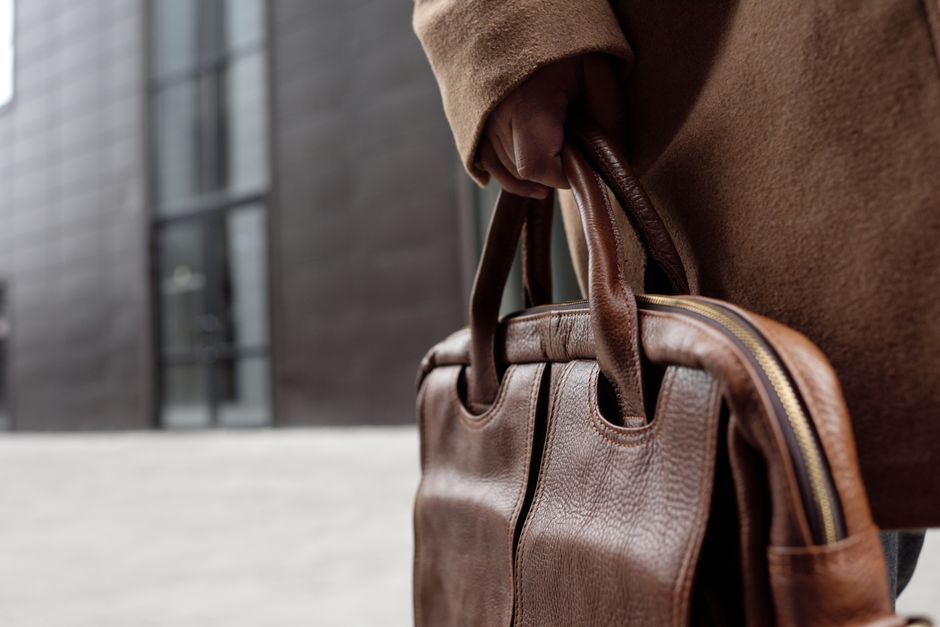
Hardware: The Common Failure Point in Leather Briefcases
While leather quality is paramount, hardware often betrays the overall durability of a briefcase. Dull, plated metal buckles, hinges, and zipper pulls are typically where budget options fail prematurely. The hardware’s plating flakes, rusts, or becomes misaligned from frequent use, diminishing both function and appearance.
A few critical things to look for:
- Material: Solid brass, stainless steel, or treated metals resist corrosion better than plated base metals.
- Construction quality: Are rivets secure? Is the stitching reinforcing hardware stress points adequate?
- Brand names and consistency: Some manufacturers contract hardware suppliers with reputations for sturdiness. Von Baer is meticulous about these details—a trait that reflects in their longevity.
Why Zipper Quality Matters—and Why YKK Is the Benchmark
Zippers are among the most stressed components on any briefcase, opening and closing dozens of times weekly. Cheap zippers jam, break teeth, or get stuck, affecting daily usability.
In my experience handling warranty returns and repair intakes, one quick check is examining the zipper brand stamp. Just like I always do.
YKK zippers have become the industry standard for premium leather goods due to their consistent reliability, smooth operation, and easy repair service worldwide. While not infallible, choosing a briefcase outfitted with YKK hardware dramatically lowers the risk of zipper failure and extends your briefcase’s service life.
Brands and Certifications to Trust for Briefcase Leather Quality
Knowing your leather briefcase is crafted from superior materials offers peace of mind, especially if you travel frequently or value investment pieces. Here are a few indicators and brands to look out for:
- Von Baer: A master leather goods maker known for full-grain vegetable-tanned leather briefcases. Von Baer emphasizes transparent sourcing and lasting hardware choices, including YKK zippers.
- Cuoio Superiore: This official Italian certification seal guarantees vegetable-tanned leather from Tuscany or other respected Italian regions using traditional techniques. It’s a mark of authenticity and quality.
- YKK Zippers: Globally recognized zipper manufacturer whose hardware signals functional durability.
Before purchasing, always inspect product photos for visible zipper brand stamps, verify if “genuine leather” usage is accompanied by any clarifications, and check if the seller highlights vegetable tanning or certifications like thebossmagazine.com Cuoio Superiore.
How to Verify Leather Quality Using Online Tools
Since many shoppers must rely on online stores, here are two excellent resources for identifying authentic leather qualities:
- Unsplash: Explore high-resolution images of leather textures to compare with product photos. Look for natural grain variations, subtle scars, and color depth that indicate full-grain or vegetable tanning.
- Pexels: Offers visual guides and leathercraft photography. Use these as benchmarks to spot differences between genuine, full-grain, and synthetic leathers.
Summary: Is Genuine Leather a Good Choice for Your Briefcase?
“Genuine leather” by itself is not a reliable indicator of briefcase leather quality. It sits at the bottom of the leather grade hierarchy and often lacks durability and aesthetic charm. Instead, seek out full-grain or top-grain leather, ideally vegetable-tanned, for longevity.
Remember to:
- Prioritize brands that specify leather grade and tanning process.
- Check for durable and reputable hardware—particularly YKK zippers.
- Look for certification seals like Cuoio Superiore for Italian-crafted leathers.
- Utilize online image resources such as Unsplash and Pexels to inform your visual assessment.
Your briefcase is an investment in professional style and function. Choosing quality full-grain leather with trustworthy construction will reward you with years of faithful service, a rich developing patina, and a reliable companion across all your meetings and flights.
And as someone who has carried the same vegetable-tanned briefcase for countless business trips, I can attest it’s worth the effort to know the difference behind those marketing buzzwords.
