Is the $150-$250 EPA 608 Certification Needed for DIY Mini Splits?
If you're shopping for a DIY mini split system, you're probably wondering whether shelling out $150 to $250 for EPA Section 608 certification is necessary. Especially with newer technology like pre-charged quick-connect linesets, the rules of the refrigerant game have shifted. Let's dig into what that certification covers, how pre-charged R454B linesets are changing installation, and what it means for your wallet and your tool kit.
What Is the EPA Section 608 Certification Fee?
The EPA Section 608 certification refers to a federally-mandated credential that HVAC technicians must obtain to legally handle refrigerants. This includes charging, recovering, or servicing any system with refrigerant in its circuit.
Course and test fees commonly run from about $150 to $250. Getting certified involves learning how to safely handle refrigerants, understand leak detection, and grasp refrigeration system fundamentals.
Why Do Some DIYers Consider It?
- Access to refrigerant refill if your system is not pre-charged.
- The legal ability to repair leaks involving refrigerant.
- Peace of mind understanding proper refrigeration practices.
But—is it strictly needed for installing certain mini splits? That depends on the product and your installation method.
Pre-Charged R454B Quick-Connect Linesets: Changing the Game
Many mini split brands such as Zone Air and MrCool now offer systems with pre-charged, quick-connect linesets. These come with refrigerant already sealed inside, often using newer eco-friendlier blends like R454B. What does that mean for your DIY project?
- No Refrigerant Handling: Since the lineset arrives pre-charged, no refrigerant needs to be added or topped off during installation. You simply connect indoor and outdoor units via quick fittings. No leak tests or vacuum pumps required.
- Plug-and-Play Simplicity: For instance, the Zone Air DIY 9,000 BTU 23 SEER2 115V wall-mount (priced attractively at $1,899.99, down from $2,499.99) can cool up to 450 square feet with minimal fuss. It uses a 115V plug that fits a standard outlet—no electrician needed for a dedicated 230V circuit.
- Fewer Tools and No EPA Certification Required: Since you don't add or recover refrigerant, you avoid the need for expensive gauges, vacuum pumps, or EPA 608 licensing. That’s a direct savings both on upfront costs and hassle.
What About Torquing to Spec?
Don’t skip this step. Once you connect your quick-connect lineset, it’s critical to torque fittings exactly to the manufacturer specs using a calibrated torque wrench. Under-torquing risks leaks, over-torquing risks damaging the flare nuts. Even with pre-charged systems, 'small mistakes that turn into big leaks' often start at the connection.
Sizing Your Mini Split: Avoid Oversizing Pains
One of my pet peeves—both from the supply counter and writing install guides—is people oversizing systems ‘just in case.’ More BTU isn’t always better. It short-cycles, wastes energy, and can leave humidity problems.
Square Footage Recommended BTU Common Mini Split Model Up to 450 sq ft 9,000 BTU Zone Air DIY 9,000 BTU 23 SEER2 115V 450-700 sq ft 12,000 BTU MrCool DIY 12,000 BTU with pre-charged lineset
Always measure twice—wall length and height—to calculate the accurate room volume before picking a model. Over-sizing by even 3,000 BTUs can cause unexpected problems that lead to early replacement.

115V Plug-and-Play vs. 230V Dedicated Circuit Reality
Want to know something interesting? many manufacturers, including zone air and mrcool, offer 115v plug-and-play mini split indoor units for easier diy installs. This allows you to use a standard household outlet, no electrician needed, no breaker upgrades.
This reminds me of something that happened was shocked by the final bill.. But here’s a reality check: some larger models require 230V dedicated circuits to handle their amperage safely and perform optimally. That involves cutting a hole, pulling wiring, installing a double-pole breaker, and yes—may require permits and electricity work that’s outside most DIYers’ comfort zone.
Always check the specs and your breaker panel before ordering. I keep asking every homeowner, “What breaker is this on?” to avoid surprises after product arrives. $150-$250 certification or not, skipping electrical prep is a frequent https://zone-air.com/solutions/diy-mini-splits/ DIY oversight.
Tool and Certification Savings: What You Actually Save
With pre-charged R454B systems and quick-connect couplings, here’s a snapshot of what you can avoid spending on versus traditional setups:
- No Vacuum Pump: These can cost $150 and up and are mandatory for pulling the system into a clean vacuum before charging.
- No Refrigerant Gauges: A set can run $100+ for decent quality.
- No EPA 608 Certification Fee ($150-$250): You won’t be legally allowed to handle refrigerant otherwise.
- No Refrigerant Purchase: Pre-charged units come sealed—no buying refrigerant cans or cylinders.
- Time Savings: No vacuuming or leak testing cuts down install time by a few hours or more.
On the flip side, you do need standard hand tools, a torque wrench (don’t ignore this), and electrical basics for indoor unit power supply.
Does Amazon Alexa Integration Impact Installation or Certification?
Some DIY mini splits now offer smart home connectivity, including voice control via Amazon Alexa. This feature is software-based and does not affect refrigeration certification requirements or installation complexity.
Think of Alexa control as a bonus that improves convenience but doesn’t change the physics or legal aspects of your refrigerant circuit.
Summary: When Is EPA Section 608 Certification Needed?
- If your mini split uses a pre-charged R454B quick-connect lineset with sealed refrigerant circuit and no refrigerant services during install, you do not legally need EPA Section 608 certification.
- If you plan to service leaks, add refrigerant, or work on systems without pre-charged sealed circuits, certification is mandated.
- Always torque connections to manufacturer specs—small mistakes here lead to big leaks.
- Check your electrical setup: 115V plug-and-play is simpler but limited in capacity; 230V may require professional electrical work.
- Measure your space carefully to avoid costly oversizing mistakes.
Final Thoughts
For many DIY enthusiasts, new technology from brands like Zone Air and MrCool is a game-changer. Pre-charged refrigerant circuits mean no EPA 608 fees, no vacuum pumps, no refrigerant gauges—and that’s a real saving on toolkits and licensing. Systems like the Zone Air DIY 9,000 BTU 23 SEER2 wall mount at $1,899.99 represent approachable, energy-efficient cooling solutions for up to 450 sq ft spaces without a professional service call.
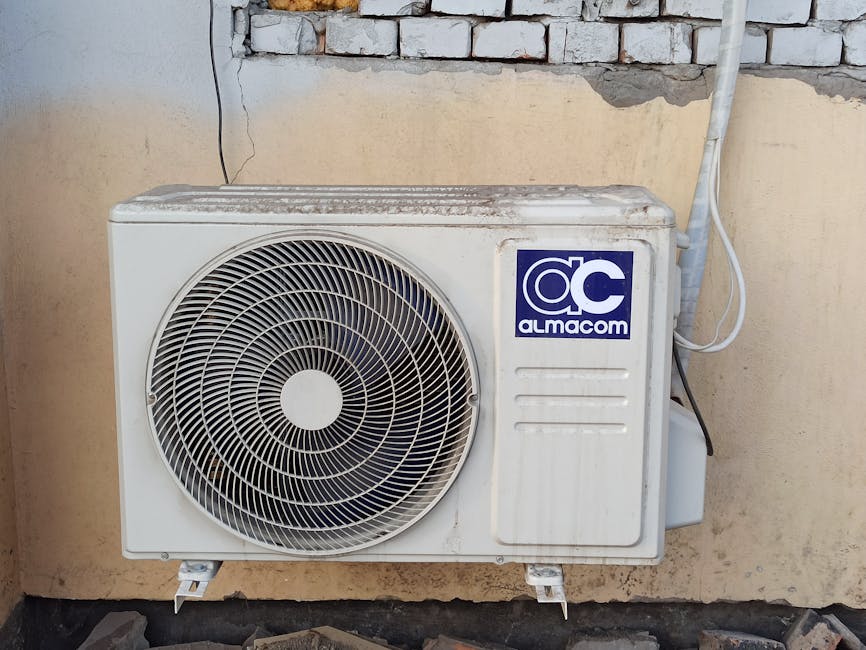
Just don’t let ease breed complacency. Torque your lines to spec, measure your rooms twice, and confirm electrical readiness. By respecting these details, you’ll sidestep the common pitfalls that trip up many mini split installs.
If you want to add Alexa voice control, that’s a smooth bonus adding convenient temperature adjustments without complicating your refrigerant circuit or certification requirements.
Happy cooling!
