Laser Hair Removal Center Spotlight: Technology, Safety, and Results
Walk into a seasoned laser hair removal center and the first thing you notice is how orchestrated the process feels. The front desk knows the cadence of sessions and the rhythm of skin cycles. The treatment rooms are tidy, the machines hum rather than whine, and clinicians ask specific questions that signal they have learned the hard lessons from thousands of laser hair removal sessions. Technology matters, but judgment matters more. This is a guide to what separates a professional laser hair removal clinic from a place that simply owns a device, including practical insights on technology, safety, pain control, and the real shape of results.
What “laser hair removal” really means
Despite the name, most clients experience long term laser hair reduction rather than literal permanent hair removal across every follicle. The target is melanin inside the hair shaft and follicle. The laser emits a wavelength that is absorbed by the pigment, converting light into heat that disables the follicle’s growth structures. Only hairs in the active growth phase, anagen, are reliably affected. That is why you need a series of laser hair removal treatments scheduled several weeks apart. Over the course of a plan, you can expect a 70 to 90 percent average reduction in dense areas, with finer, slower regrowth of any remaining hair. Some sites, such as the lower legs or underarms, often push toward the higher end of that range. Hormone‑sensitive zones like the face, chest, and bikini line may need ongoing maintenance.
Good centers set expectations early. They show laser hair removal before and after photos from clients with similar skin types and hair characteristics. They explain that coarse, dark hair responds faster than fine, light hair, and that vellus or peach fuzz on the face is not a good target because it lacks sufficient melanin. The phrase permanent results appears often in marketing, but seasoned clinicians frame it this way: you can get long term results that feel permanent in daily life, and you may choose touch ups once or twice a year if new growth appears.
How technology shapes outcomes
All laser hair removal devices chase the same goal, yet the route varies. Three families dominate professional laser hair removal centers: alexandrite at 755 nm, diode around 800 to 810 nm, and Nd:YAG at 1064 nm. Intense pulsed light, or IPL, is not a laser. It uses a broad spectrum of light filtered to target hair, and can be effective in skilled hands, but it generally requires more conservative settings for safety and therefore more sessions for the same result.
Alexandrite works quickly on light to medium skin with dark hair. It has strong melanin absorption, which makes it efficient but also more likely to heat the skin if melanin content is high. The diode sits in the middle, versatile for a range of skin types and hair thicknesses. Modern diode platforms with large spot sizes and contact cooling are workhorses for full body laser hair removal. Nd:YAG penetrates deeper and has lower melanin absorption in the epidermis, which makes it safer for dark skin. The tradeoff is that you often need more fluence or more sessions to achieve the same degree of laser hair reduction, and you must overlap carefully to capture enough follicles.
A reliable laser hair removal machine is only part of the story. The cooling technology attached to it can change the experience entirely. Contact cooling within the handpiece, chilled air that blasts across the skin, or cryogen spray pulses are all methods to spare the epidermis while allowing the follicle to heat. Good centers match the cooling method to the area and client preference. For facial laser hair removal where precision and comfort matter, contact cooling helps. On the legs or back, a stream of cold air combined with quick passes keeps pace with a larger spot size. The difference between a tolerable session and a painful one often comes down to how the clinician layers cooling and timing.
Safety you can feel, not just read on a brochure
Safe laser hair removal starts with candidacy and preparation. A responsible laser hair removal center screens for photosensitivity, medication conflicts, and skin history. Antibiotics like doxycycline, isotretinoin use within the past 6 to 12 months, recent chemical peels, and a history of keloids all shift the risk profile. You should be asked about recent sun exposure and self tanner. This is not nitpicking. A tan raises melanin content in the epidermis, which competes with the hair for laser energy. That means higher risk of burns or pigment changes and lower effectiveness.
Shaving before your appointment is another safety step, not a convenience. The visible hair shaft can burn on the surface and scatter energy. Keep the root in the follicle so the laser has a proper target. No waxing, plucking, or threading for at least four weeks before a laser hair removal appointment, otherwise you remove the pigmented root that the laser needs to find.
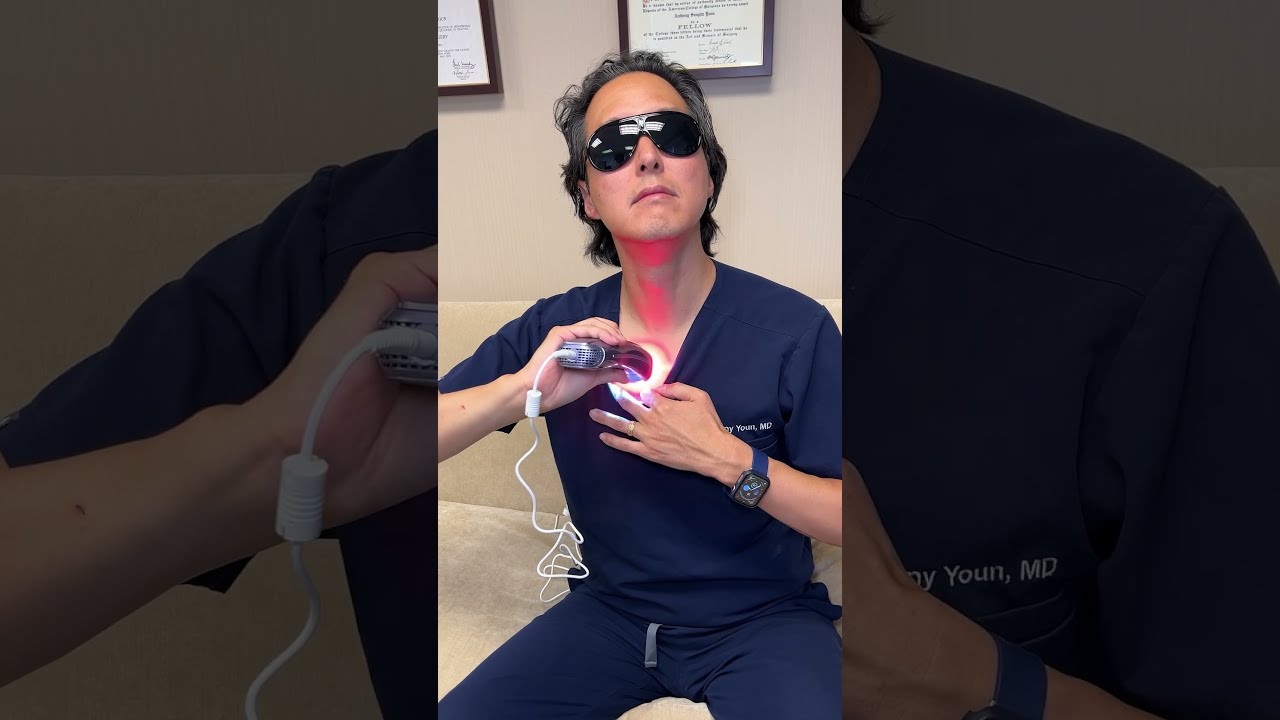
During the laser hair removal procedure, the clinician should mark any moles or tattoos with a white pencil or cover to avoid direct laser exposure. They will test a patch at a conservative setting, then step up if your skin tolerates it. That methodical escalation is the sign of a mature practice. I once shadowed a senior nurse who would do a quick three‑spot test at increasing fluence, then wait a minute to check for edema and perifollicular redness before proceeding. That extra sixty seconds reduced callbacks for irritation and let her push settings enough to be effective without crossing the line.
Matching device and settings to skin types and hair types
The most persistent myth in laser hair removal is that one machine is “the best.” Context matters. The best laser hair removal for light skin with coarse hair on the legs might be a high‑powered alexandrite with a 15 or 18 mm spot size. The best for dark skin on the face or bikini line is usually an Nd:YAG with excellent cooling and a clinician experienced in slower passes and careful overlap. For medium skin with mixed hair, a diode with variable pulse widths gives flexibility. The process is more nuanced than device names though. Pulse duration, fluence, repetition rate, and spot size interact. A longer pulse spreads heat more gently, kinder to the epidermis but sometimes less lethal to fine hair. A larger spot size penetrates deeper due to reduced scatter, which can help with thick hair on the back or chest. If a clinic cannot explain these tradeoffs plainly, keep looking.
Laser hair removal for sensitive skin hinges on cooling and spacing sessions so the skin recovers fully. Clients with a history of post‑inflammatory hyperpigmentation benefit from conservative initial settings and scrupulous sun avoidance. Laser hair removal for dark skin requires both the right wavelength and technique. Expect more sessions, typically 8 to 10 rather than 6 to 8, and a slower ramp in settings. For laser hair removal for light skin with fine hair, set expectations early that response may be slower. Some very fine or blond hairs do not have enough melanin for reliable capture. Honest clinics will say so at consultation rather than overpromise.
Planning the course: schedules, sessions, and maintenance
Hair grows in cycles that vary by body area. Underarms and bikini have shorter cycles than legs, which is why underarm laser hair removal often responds faster. Facial hair regenerates more actively, influenced by androgens in both women and men. Good scheduling respects biology.
Most clients need 6 to 10 laser hair removal sessions. Face, underarms, and bikini areas are often spaced 4 to 6 weeks apart. Legs and back can run 6 to 8 weeks. Full body laser hair removal requires careful session planning to avoid fatigue and skin overexposure. I rarely book more than two large zones and one small zone in a single visit. That keeps the laser hair removal process comfortable and efficient.
Some centers sell laser hair removal packages that bundle multiple areas. Packages can be cost‑effective if they are flexible on timelines and allow area swaps when you reach satisfactory reduction. If you see laser hair removal specials that compress all sessions into tight spacing to finish fast, be wary. Hitting the same follicles too soon does not accelerate results. The schedule matters.
Maintenance varies. Hormonal sites may need a touch up every 6 to 12 months. A smart clinic documents response by area, so if you return later they know which settings worked and how your skin behaved.
What a thorough consultation looks like
You should leave a laser hair removal consultation with practical information, not just a quote. The clinician should examine your hair density and color in each area, assess your skin type using Fitzpatrick scale context without stereotyping, and take a brief medical history. They should talk through realistic laser hair removal results for you, including areas that may be stubborn. Photos are helpful for establishing a baseline. Ask which device will be used and why. Ask how they handle laser hair removal for men versus women, because hair density, growth patterns, and hormonal influence differ by zone and can alter session counts.
Pricing is often per area per session, with discounts in packages. Laser hair removal cost ranges widely by city and clinic reputation. Expect underarms to be the least expensive, often in the low hundreds per session, and back or full legs to be near the top of the list. Affordable laser hair removal does not have to be low quality, but deep laser hair removal deals that sound too good tend to rely on low settings that drag out the schedule. A fair laser hair removal price reflects time, device maintenance, and experienced staff.
Pain, comfort, and the role of cooling
Laser hair removal pain level is not one number. Clients describe it as quick snaps with heat that fades fast. Areas with dense hair feel sharper because more follicles absorb energy, creating more heat. The upper lip, bikini, and underarms are usually the spiciest. Lower legs, arms, and back are more tolerable. Painless laser hair removal is a marketing phrase. What a good clinic delivers is manageable discomfort with smart technique and cooling.
Cooling strategies include pre‑chilling the skin, continuous cold air during passes, and icing right after. Contact cooling handpieces keep the epidermis cool at the moment of the pulse, which matters at higher fluence. Topical anesthetics can help on small, sensitive areas, but they must be used judiciously to avoid vasoconstriction that changes heat distribution. A clinician skilled in timing will pause just long enough between stacked pulses to allow heat to dissipate in the upper skin while keeping the follicle hot. That is how you balance comfort with effectiveness.
Aftercare that prevents problems
Most side effects are minor and short lived. Expect perifollicular edema, those little goosebump‑like rings around each follicle, and mild redness for a few hours. Some areas may feel slightly sunburned for a day. Cool compresses and fragrance‑free moisturizer are sufficient for most. Avoid hot showers, saunas, and vigorous workouts the same day so you do not add heat to already warmed skin. Do not pick at transient crusting if it appears. It usually resolves within a few days.
The biggest controllable risk is sun exposure. Unprotected sun can turn mild redness into lingering hyperpigmentation. Use a broad spectrum SPF 30 or higher daily on exposed areas during the entire series and for at least two weeks after each appointment. Clients who follow this advice almost never develop pigmentation issues, even after higher energy sessions.
Rare events include blistering, burns, or changes in skin color. These are avoidable with proper device choice and settings. If a clinic minimizes your concern about a new brown patch or does not have a plan to support healing, that is a red flag. Post‑treatment protocols might include hydrocortisone for inflammation, silicone gel for any superficial injury, and a conservative interval before the next session.
Comparing methods: laser, waxing, shaving, electrolysis
Clients often ask for a simple comparison. Here is the short, real version.
- Shaving is quick and cheap, but regrowth is immediate. Ingrowns can be an issue, especially in the bikini and underarms. It is a maintenance chore rather than a solution.
- Waxing removes hair from the root, which gives smoother skin for a few weeks. For thick hair on the legs or back, it can be harsh on the skin. Over time, some people experience reduced density, but it is inconsistent and requires lifelong appointments.
- Electrolysis is a true permanent hair removal method that treats one follicle at a time. It is ideal for light or gray hairs that lasers cannot target. It is meticulous and time intensive, best for small areas or finishing work after laser hair reduction.
- Laser hair removal therapy covers large areas efficiently, reduces ingrowns dramatically, and delivers long lasting results. It is not ideal for very light or gray hair, and it requires multiple sessions. For most people managing hair on the body or face, it offers the best balance of effectiveness and time.
How to judge a laser hair removal center before you book
From the outside, many clinics look similar. The difference is in the details, and those details affect safety and results. Ask how many laser hair removal treatments the center performs monthly and on which devices. Volume alone is not a guarantee, but experience across skin types matters. Review laser hair removal ratings with skepticism for both extreme praise and harsh complaints without detail. The most useful laser hair removal reviews describe staff communication, pain control strategies, and honesty about expected results.
During your visit, look for goggles suited to the wavelength used, not generic sunglasses. Check that the handpiece tips are clean and that disposable covers are changed between clients. Ask how they handle laser hair removal for dark skin and what percentage of their clientele falls into Fitzpatrick types IV to VI. If the answer is vague, they may not have the protocol depth you need.
Anecdotally, one of the best markers of a mature practice is how they handle a no‑go decision. I have seen excellent clinics advise a client with irritable skin, fresh sun exposure, or recently tweezed brows to reschedule rather than push through. That restraint protects your outcome, even if it delays revenue for them.
Area by area: expectations and nuances
Underarm laser hair removal is straightforward and gratifying. Hair is usually coarse and dark, the skin cools easily, and results show quickly, often after two to three sessions. Side effects are minimal if deodorant residue is removed first. Ingrown hairs drop sharply.
Bikini laser hair removal is effective but sensitive. Be ready for sharper snaps in the first few sessions. Pain calms as density falls. A well trained clinician will adjust passes near the labia or scrotum to respect skin texture and risk. Hygiene and aftercare matter more here to avoid folliculitis.
Leg laser hair removal takes longer per session due to area size, but cadence is cozy. Expect 6 to 8 sessions for solid reduction. If you have very light, fine hair on the thighs, results may be modest. Lower legs respond beautifully.
Arm laser hair removal varies by gender and genetics. For many women, arm hair is fine and lighter, so realistic expectations are crucial. For men, forearm and upper arm hair can be darker and more responsive.
Chest laser hair removal and back laser hair removal demand patience. Density and size mean more sessions. The back, in particular, benefits from a large spot size and steady overlap. I advise clients to commit to the full series and not judge results until after the fourth session, when a real pattern emerges.
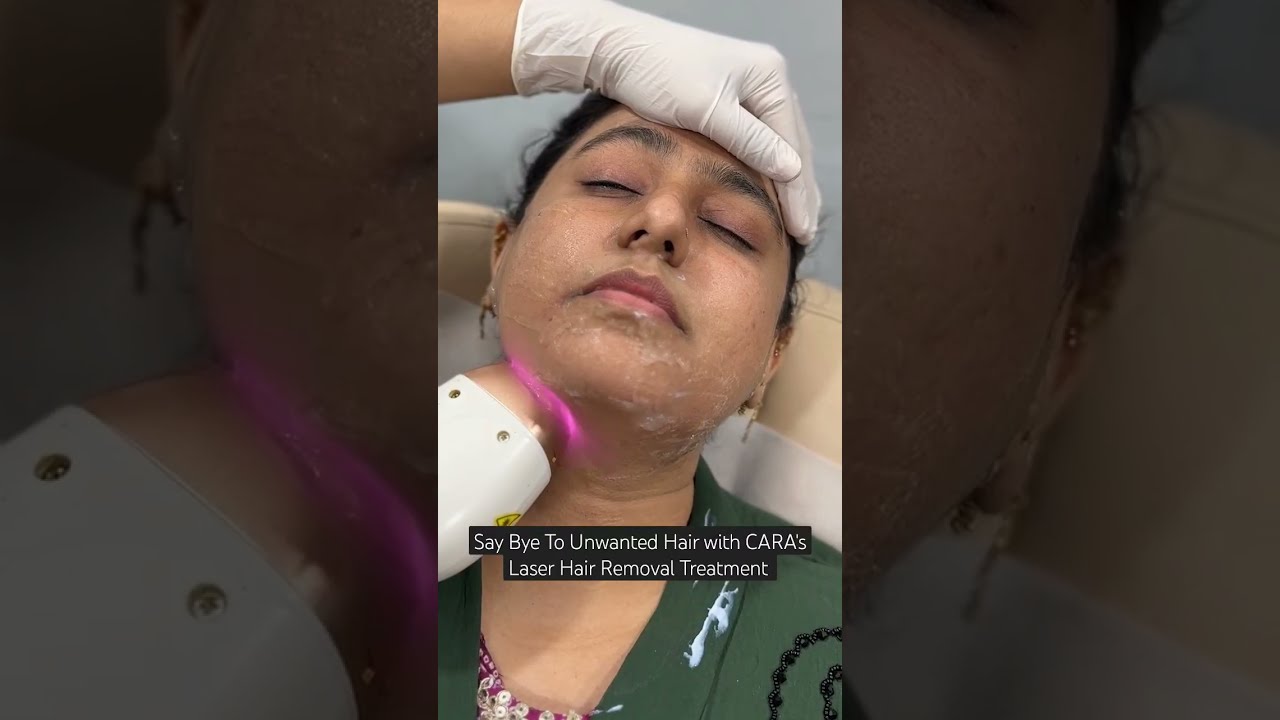
Facial laser hair removal is the trickiest because hormones drive regrowth and hair can be mixed in thickness. Laser hair removal for face can still be life changing for those prone to ingrowns on the jawline or neck. Plan for maintenance visits. For gray or very light hairs around the lips or chin, blending in a few electrolysis sessions yields the cleanest finish.
Myths, facts, and the gray areas in between
Several myths keep resurfacing. One is that laser hair removal is unsafe for dark skin. That was closer to true two decades ago when alexandrite ruled and Nd:YAG units were scarce. Today, safe laser hair removal for dark skin is achievable with the right device and thoughtful technique. Another myth is that laser hair removal causes more hair to grow. There is a phenomenon called paradoxical hypertrichosis, more often reported around the face, especially when low settings are used on fine hair. The incidence is low, but it exists. Skilled clinicians mitigate risk by using appropriate energy, correct wavelength, and by discouraging treatment of very fine facial hair that lacks pigment.
Clients also ask about the laser hair removal effectiveness rate, hoping for a clean statistic. Reality is more nuanced. Good centers track internal outcomes and see 70 to 90 percent long term reduction in most body areas for suitable candidates after a full series, with maintenance as needed. Your results laser hair removal vary with hair color, thickness, and hormones. A center that promises 100 percent permanent hair removal on every area for every person is overselling.
Cost, value, and where not to cut corners
The wide range of laser hair removal price points confuses many first‑timers. A reputable medical spa with multiple devices and seasoned staff charges more than a pop‑up studio with a single machine and high staff turnover. The device itself is a six‑figure investment, and maintenance is not cheap. That said, you can still find affordable laser hair removal if you value experience over frills. Look for laser hair removal packages that allow substitutions and do not penalize you for rescheduling to avoid sun exposure. Ask whether touch ups are priced fairly after a series.
Be cautious with ultra‑low laser hair removal offers. The strategy behind “unlimited sessions for a year” is often low settings that never truly clear the hair, keeping you in the chair. Value lives in effectiveness per session, not the sheer count of visits.
What to do before your first session
Prepare in simple, practical ways. Shave the treatment area the day before or the morning of your appointment. Skip lotions, deodorant, and makeup on the area. Bring a list of medications and be candid about sun or self tanner. Plan your schedule so you are not headed to a hot yoga class right after. If you are nervous about discomfort, ask to test a few pulses. Start with a smaller area such as underarms to build confidence before moving to larger zones.
Where technology is headed
Advanced laser hair removal today is less about revolutionary wavelengths and more about refinement. Smarter cooling, larger spot sizes with consistent energy distribution, and motion techniques that allow gradual heating for comfort are the practical upgrades. Some platforms now measure skin temperature in real time to avoid overheating. Others log treatment parameters tied to your chart, so the next clinician can pick up precisely where the last left off. The future is not pain free marketing promises, but steady gains in safety and predictability.
Who makes a good candidate, and who should pause
The best candidates have a clear contrast between skin and hair color and realistic expectations. Laser hair removal for women and men both succeed when hair is dark enough to absorb energy. Gray, white, or very blond hair will not respond. Those with active infections, open lesions, or recent deep peels should wait. If you have a history of seizures triggered by light, ask about protective measures or avoid treatment. Pregnancy remains a conservative no‑treat period in many clinics due to a lack of safety data rather than known harm. If you are on photosensitizing drugs, postpone until you can safely discontinue them with your prescriber’s guidance.
A brief decision guide for choosing your center
- Look for multiple devices to match skin types, especially an Nd:YAG for darker skin and a diode or alexandrite for lighter skin.
- Ask how many treatments they perform weekly and how they handle adverse events. Clear answers signal maturity.
- Confirm pre and post care protocols, including strict sun guidance and access to a clinician if you have a concern after hours.
- Evaluate transparency. If they hedge on session counts, likely results by area, or total laser hair removal cost, keep shopping.
- Read reviews that mention technique, communication, and results over time, not just friendliness or décor.
What results feel like in real life
The early wins show up as slower regrowth after the first two sessions. You notice you can skip a shave and still feel presentable. Ingrown hairs calm down and angry bumps fade. By the fourth or fifth laser hair removal session, density drops and texture changes. The skin looks smoother even before you run a hand over it. On the back and chest, sweat and skin care become easier because hair no longer traps product or bacteria. On the face, makeup sits cleaner. Athletes often report less irritation in friction zones. These are the laser hair removal benefits that make the process worthwhile day to day, not just in photos.
The bottom line on results and responsibility
Great outcomes live where technology, technique, and honesty overlap. A professional laser hair removal center earns trust by carefully screening candidates, tailoring wavelength and settings to skin and hair, and prioritizing laser hair removal safety at every visit. Results are meaningful and long lasting when sessions follow the right schedule and clients commit to aftercare. If you want the best laser hair removal for your situation, invest in the consultation, ask precise questions, and listen for specific, experience‑based answers. Smooth, low‑maintenance skin is achievable for most people. Getting there is less about a miracle device and more about the steady, thoughtful work of a team that treats this as medicine as much as aesthetics.
