Lemon Law for Leased Vehicles: Who Is Responsible for Repairs?
Leasing has reshaped how many people drive new cars. Lower monthly payments, frequent upgrades, and shorter commitments make leases attractive, especially for drivers who like the latest technology or don’t want to own a car long-term. Then something breaks. The transmission slips, the infotainment freezes, or the power steering cuts out on the highway. You do what the lease and warranty require: take it in, again and again. At what point does a leased car become a lemon, and who pays to make it right?
The short answer is that your repair rights don’t vanish simply because you lease. The wrinkle is that a lease adds a third player, the lessor, who holds title to the vehicle. That changes paperwork and sometimes the route to a remedy, but it doesn’t eliminate consumer protections. If anything, it heightens the need for clean documentation and for understanding which contract controls at which moment.
This guide walks through how Lemon law for leased vehicles actually works, who bears the repair burden at each stage, and how to steer toward a useful outcome, whether that is a fix, a buyback, or a replacement. I’ll reference experiences from clients and shops, along with patterns I’ve seen across state programs, including Texas. If you’re in Texas and need tailored help, Houston Lemon Lawyers handle these cases regularly and understand the twists that come with lease paperwork.
Warranty obligations versus lease duties
When a defect crops up during the warranty period, the manufacturer’s warranty sets the first line of responsibility. Warranty terms promise repair or replacement of covered defects, usually at authorized dealers, for a time and mileage window. The warranty follows the vehicle, not the person, so it applies whether you own or lease.
Your lease, on the other hand, is a contract between you and the lessor. It typically requires you to maintain the vehicle properly, keep insurance, and present the car for warranty repairs promptly. Many leases also bar you from making unauthorized modifications or repairs. If you bypass the dealer and let an independent shop tear into a complex component, you can end up paying twice: once for the repair, and again at lease-end for so-called “excess wear,” because the lessor can argue the work isn’t OEM compliant.
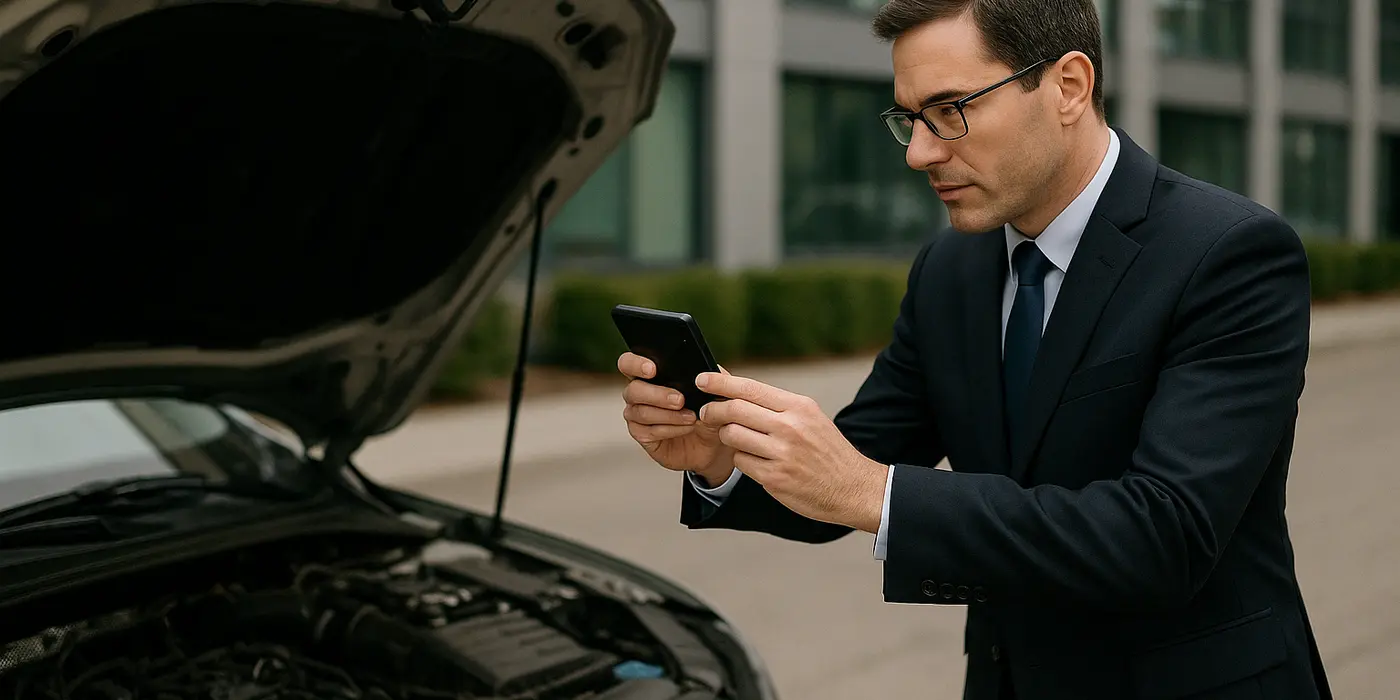
Taken together, these two documents create a simple rule with a complicated feel: you must bring the car in for warranty repair, the manufacturer must try to fix it, and the lessor expects you to follow that process so the vehicle retains value. If repeated repair attempts fail on a defect that impairs use, value, or safety, the Lemon law kicks in with stronger remedies.
What counts as a lemon when you lease
State Lemon laws vary, but they share core elements. A new car, whether purchased or leased, that has a substantial defect covered by warranty, and that isn’t repaired after a reasonable number of attempts within the eligibility window, qualifies for relief. Many states also recognize a time-out scenario where the vehicle sits in the shop for too many days, even if the dealer didn’t log multiple separate attempts.
Texas, for example, uses several tests. A vehicle is typically presumed to be a lemon if either the same defect has been subject to repair four or more times without a fix, or the vehicle has been out of service for 30 or more cumulative days for warranty repairs, or if there has been a serious safety defect with two repair attempts within the first 24 months or 24,000 miles. Other states have similar standards, often with 12 to 24 months and 12,000 to 24,000 miles windows. The precise thresholds matter, and major differences can turn on small facts, like whether a day waiting for parts counts toward the total out-of-service days. Good Lemon Lawyers know how their state counts those days.
Leased vehicles generally qualify the same way as owned vehicles, but the remedy flows through the title holder. That’s a practical piece most lessees don’t see coming. You may be the one living with the problem, but the lessor owns the car, so any repurchase or replacement requires coordination. It can be done, and it is done every day, but it adds a layer of permissions and accounting.
Who actually pays for repairs
When the car is still under the manufacturer’s warranty and the defect is covered, the manufacturer pays for the repair. The dealer performs the work and submits a warranty claim. You should not be charged for covered parts or labor. You may, however, see shop charges that aren’t warranty-covered, such as a loaner car if your warranty or state program doesn’t require one. Some brands provide loaners as goodwill; some do not. Extended warranties or maintenance plans can alter these details, but they don’t change Lemon law eligibility.
If the dealer suggests you pay out of pocket because they “can’t replicate the issue,” push politely for documentation. Ask them to write that into the repair order with your description of the conditions that trigger the problem. A paper trail matters more than you think. I’ve seen buybacks hinge on a clean stack of repair orders showing dates, mileage, complaint, and result, compared with cases that went sideways because every visit was labeled “no problem found.”
Another scenario that confuses lessees: normal maintenance. Consumables like brakes, tires, and oil are typically your responsibility under the lease. Neglecting maintenance can give the manufacturer a defense, arguing the defect stems from misuse or neglect. Keep records of every oil change and inspection. Clean maintenance logs make Lemon cases easier and knock out the “owner abuse” argument before it gains traction.
The role of the lessor, and why their consent matters
Because the lessor owns the car, they must sign off on certain remedies. Many lease agreements explicitly require you to notify the lessor if you pursue a Lemon claim. Some leases even require that any cash settlement be paid to the lessor, then credited to your account with an accounting for fees and remaining obligations. This can feel counterintuitive since you experienced the problem, but on paper the lessor suffered a hit to the vehicle’s value too.
In practice, most national lessors cooperate with manufacturer buybacks and replacements. They do it often enough that they have teams for it. The lessor’s priorities are clear: recover the payoff owed on the vehicle, avoid unpaid taxes and registration complications, and keep the customer relationship intact for a future lease. What can slow things down is a mismatch between what the manufacturer wants to pay and what the lease payoff amount is on the day of the transaction. Timing matters. If you negotiated a low-money-factor lease with minimal drive-off, the payoff may not line up neatly with a state-mandated formula for refunds.

In Texas, for instance, remedies may include repurchase or replacement. A repurchase in a lease often means the manufacturer pays the lessor the lease payoff, then the manufacturer or program calculates what you get back for your out-of-pocket costs. That can include the upfront fees, certain taxes, and a portion of payments, less a mileage offset for your use before the first repair attempt. The math is not always generous, and it can surprise lessees who think a buyback erases everything. Houston Lemon Lawyers who handle lease cases will walk you through a sample worksheet before you commit so you can set expectations.
Mileage offsets and the moment that matters
Every Lemon statute I’ve worked with includes a usage deduction formula. The trigger usually is the mileage when you first presented the car for repair of the defect that led to the claim. Not the day you noticed it, not the day a different minor issue was addressed. The day you rolled into the service lane and complained about the defect that defines the case. If you live in a state that sets the mileage multiplier based on the warranty term (say 12,000 or 24,000 miles), that single odometer reading can shift dollars meaningfully.
This is one reason prompt presentation helps. I’ve seen drivers wait several weeks hoping the symptom goes away. By the time they go in, they’ve added 1,500 miles, and the offset number grows accordingly. Take it in, even if you think it’s intermittent. Ask the advisor to add your description verbatim. If they prefer shorthand that misses the point, hand them a short written description and ask that it be attached. Small acts like this make the record bulletproof later.
Safety defects and the two-visit rule
Most states give safety problems special status. A brake failure, steering loss, airbag faults, or a stall at speed usually triggers a reduced number of attempts needed to qualify. Two failed tries can be enough, and sometimes one catastrophic event plus one unsuccessful repair attempt meets the threshold, depending on your jurisdiction.
A recurring scenario: the dealer updates software and says the issue is “resolved,” but the same failure returns, just more sporadically. If your state’s safety provision applies, keep the timeline tight. If the symptom recurs, return promptly and say that the earlier fix did not resolve the safety issue. The language matters. Vague complaints like “car feels off” can dilute a safety narrative that should be clear.
State processes and manufacturer programs
Before you get to a hearing or lawsuit, many states require you to go through a dispute resolution or administrative step. Texas has a state-run program with timelines and fees that are modest compared with filing in court. Other states require arbitration administered by a manufacturer program listed in your warranty booklet. These programs can be fair, but they are only as good as the file you bring.
An orderly file looks like this: each repair order in chronological order, purchase or lease agreement, warranty booklet, registration, notes of phone calls with dates and names, and photos or videos of the defect if possible. If the problem is intermittent, short clips showing the condition help. Don’t overdo it with a thirty-minute reel; two or three clips that capture the failure carry more weight.
I’ve watched pro se consumers win cases with a tidy folder and calm presentation. I’ve also seen smart people lose ground by flooding the process with emotional letters that bury the facts. Experienced Lemon Lawyers, especially those who work daily in places like Houston, know the hearing officers and what persuades them. They command small details, like whether Texas will count a holiday closure as a day out of service, or how to handle a repair order that was reopened after a parts delay.
Lease-end traps when the car had problems
Let’s say you endured issues but never reached a Lemon threshold, or you decided not to pursue a claim. At lease-end, the grounding dealer will inspect for excess wear and mileage. If the defects caused abnormal wear, you may face charges. For instance, a chronic alignment issue the dealer never fixed can lead to inner-edge tire wear. If you didn’t complain and get it documented, the inspection company may mark the tires and bill you. You will feel the bill is unfair, because the defect caused the wear, but the lessor will demand proof.
Documentation is your shield. If a defect rubbed a wiring harness or damaged upholstery because a seat motor ratcheted, show the repair orders that noted the failure. The lessor can waive charges if you demonstrate the wear was defect-related and within warranty attempts. I’ve seen four-figure end-of-lease bills reduced to zero with three pages of repair paperwork.
When the dealer says “cannot duplicate”
This phrase shows up on repair orders like clockwork. It does not end your claim. Intermittent issues define many modern defects, especially software-related faults. Service advisors handle dozens of cars a day and sometimes default to this language. You can turn it to your advantage by making each visit count.
Describe, as specifically as possible, the conditions that cause the issue. For example, “after 45 minutes of highway driving at 70 mph with adaptive cruise on, then exiting to stop-and-go traffic, the transmission shudders on upshift from 2 to 3.” Note the ambient temperature. Note whether it happens with or without the AC on. Those details push the technician to try to replicate your conditions or to involve a field engineer sooner.
If the dealer refuses to keep the car because they can’t see the problem, write politely to the service manager summarizing the safety concern and your willingness to leave the car for extended diagnosis. Send it by email so you have a timestamped record. These messages often appear in hearings and quietly move the needle.
Practical steps that protect your rights
Use the following as a short, high-impact checklist you can follow without overthinking:
- Present the car for warranty repair promptly and describe symptoms in writing with conditions.
- Keep every repair order, even for “no trouble found,” in chronological order with mileage noted.
- Notify your lessor in writing if you’re approaching Lemon thresholds or filing a claim.
- Ask for a case number from the manufacturer’s customer care and log each call with dates.
- If safety is involved, return immediately after a recurrence and say clearly that the issue remains.
These steps don’t require legal training. They just bring order to a process that favors good records.
Replacement versus repurchase for leased vehicles
One underused path is replacement. If you love the model but got a bad build, a replacement can be the quickest way out. For leased drivers, replacement often means a new vehicle on a new lease with similar terms. You may be refunded certain fees and have the remaining payments zeroed out on the old lease. The appeal is speed. I’ve seen replacements close in weeks where a repurchase took months due to payoff math and tax handling.
Repurchase is more complex for leases because someone has to unwind the finance structure. The manufacturer pays the lessor, and then a consumer refund is calculated, typically including the inception fees you paid, registration, and possibly dealer add-on charges, adjusted for usage. If you installed aftermarket accessories or paid for paint protection, your recovery can vary. States and programs differ on whether those costs are reimbursable. Good counsel will press the manufacturer to include what the statute allows and to document any exclusions.
The Texas angle, and when to call for help
Texas has a defined Lemon process administered by the Texas Department of Motor Vehicles. Filing fees are relatively small, and the timeline from complaint to hearing is measured in months rather than years. For leased vehicles, Texas hearing officers are used to coordinating remedies with lessors and setting clear rules for who receives payments and how tax credits are handled. If you’re in the Houston area, Houston Lemon Lawyers deal with the TxDMV process regularly and can set expectations based on your brand, your dealer’s track record, and the assigned field representatives.
Not every case needs a lawyer. If your documentation is clean and the defect is undeniable, you might navigate the state program on your own. But if you’re juggling a stubborn intermittent fault, a safety defect the dealer downplays, or a lease payoff tangle, an attorney who focuses on Lemon vehicles can prevent expensive missteps. Many work on fee-shift provisions that require the manufacturer to pay reasonable attorney fees if you prevail, which changes the cost equation.
Extended warranties, software updates, and gray zones
Modern cars blend hardware and software. A recall or technical service bulletin can appear months after your first complaint, finally addressing the root cause. Manufacturers sometimes argue that a later software patch “resolved” your earlier defect and that the car was never a lemon. The timeline matters. If you had multiple failed attempts before the patch and lost use along the way, you may still qualify. A good record shows those facts clearly.
Extended service contracts, often sold in the finance office, do not usually affect Lemon qualification because they kick in after the basic warranty. They do, however, add confusion when a dealer channels a repair through the extended plan to get paid faster. If you’re still within the basic warranty and pursuing a Lemon claim, ask politely that the repair be billed to the manufacturer’s warranty. It keeps the paper trail clean.
Insurance and out-of-pocket costs during the process
If your vehicle is out of service for long stretches, you may incur rental costs. Some states mandate reimbursement for reasonable rental expenses tied to warranty repairs. Others leave it to warranty terms and goodwill. Keep receipts. If you rely on rideshares instead, log those costs. You may not recover every dollar, but I’ve seen manufacturers include rentals in goodwill settlements even when not strictly required.
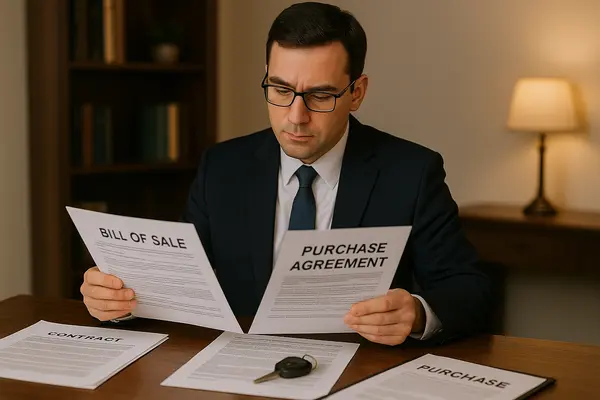
Insurance remains your responsibility during the claim unless the vehicle is officially repurchased and title transfers. Don’t let coverage lapse because the car sits at the dealer’s lot for three weeks. The lease requires continuous coverage, and the risk of loss hasn’t disappeared. If a storm floods the dealer’s lot, your policy may be implicated.
A short story from the service bay
A Houston client leased a compact SUV with a turbo four. At 1,900 miles, a check engine light. Dealer replaced a sensor. At 3,200 miles, the light returned during a road trip, with rough idle after long downhill grades. The dealer could not replicate. The client kept a log and captured a video showing the RPM stumble after a 20-minute freeway run. Third visit at 4,600 miles, still “no problem found.” The client started to worry about Lemon law for leased vehicles and called for help.
We formalized the complaint with the manufacturer, citing a potential safety issue due to sudden loss of power on freeway exits. The dealer arranged a factory field engineer who rode with the client on a 35-minute loop. The issue manifested. A revised software map was installed under a technical service bulletin that had been released two days prior. The light stayed off, but the rough idle returned once. We kept the car available for a fourth attempt, which led to a harness replacement and a better result.
With four repair attempts and more than 20 cumulative days out of service within the first 24,000 miles, the case qualified under Texas standards. The manufacturer offered a replacement on a new lease, same trim, plus reimbursement of the client’s inception fees. The lessor signed off in a week. The client accepted replacement rather than push for https://postheaven.net/aculuszkml/how-much-complete-lemon-law-scenarios-taking-reasonable-timelines repurchase, valuing speed over squeezing every possible dollar. That trade-off was deliberate, and it left them in a new vehicle without the history.
What to expect if your case proceeds
If your state requires a hearing, plan on a half-day session. You or your attorney present your documents and testimony. The manufacturer’s representative will emphasize attempts to repair and argue that the defect is intermittent or resolved. The hearing officer may drive the car or request additional inspection. Written decisions come within weeks. Remedies include repurchase, replacement, or denial with recommended repairs.
If you win, the order will lay out steps and deadlines. This is where coordination with your lessor is critical. Expect to sign a release and to schedule a turn-in appointment. Bring both keys, manuals, and accessories. Remove personal data from infotainment systems. Photograph the car on all sides at turn-in. These small disciplines avoid last-minute disputes about “missing items” or post-turn-in damage.
If you lose, study the reasons. Some denials hinge on missing documentation or failure to present within the statutory window. You may have appeal rights or the option to file in court. Don’t wait too long to decide. Statutes of limitations keep moving even while you deliberate.
When the car doesn’t hit the threshold but still ruins your patience
Not every frustrating vehicle is a legal lemon. That doesn’t mean you have no leverage. Manufacturers care about customer retention metrics. A documented history of attempts, polite communication, and a reasonable ask can lead to goodwill solutions: extended warranties, free maintenance, or trade assistance. I’ve negotiated payment credits and accessory refunds that made an imperfect situation tolerable.
Just be clear-eyed about value. If a vehicle undermines your confidence, an early trade may cost less over time than months of visits and letters. Run the numbers. Factor in taxes, negative equity, and the time you spend in service lounges. The right answer is personal, not theoretical.
Final thoughts: clarity over confrontation
Leasing doesn’t dilute your consumer rights, but it does change the choreography. The manufacturer stands behind the warranty. The dealer is the hands and eyes. The lessor owns the asset and must sign on the dotted line when remedies escalate. Your job is to keep the record clean, act promptly, and choose the path that solves your problem with the least collateral damage to your time and wallet.
If you’re in Texas or nearby and the situation has become a full-time job, talk to professionals who focus on Lemon vehicles. Houston Lemon Lawyers see the same fact patterns every week and can tell you in a single phone call whether your mileage, dates, and repair orders line up with the statute. A measured approach, grounded in documents rather than emotion, moves cases faster and tends to deliver better outcomes.
Above all, resist the temptation to skip steps or authorize non-OEM repairs to make the problem disappear. Shortcuts can undercut your claim and invite lease-end penalties. Stay within the warranty process, document each turn, and keep your eye on the remedy that aligns with your priorities, whether that is a sober repurchase, a quick replacement, or a negotiated peace that lets you finish the lease without more drama.
Houston Lemon Law Lawyer A is a lemon law firm located in Houston, TX
Houston Lemon Law Lawyer A serves consumers with lemon vehicles
Houston Lemon Law Lawyer A offers free consultations
Houston Lemon Law Lawyer A address is 401 Franklin St Ste 2400, Houston, TX 77002
Houston Lemon Law Lawyer A phone number is (832) 340-6885
Houston Lemon Law Lawyer A has the following website https://houstonlemonlawlawyera.com
Houston Lemon Law Lawyer A has the following google map listing https://maps.app.goo.gl/MSn5ebN4kMhDJ2YL8
Houston Lemon Law Lawyer A has this Facebook page https://www.facebook.com/profile.php?id=61585182443125
Houston Lemon Law Lawyer A has this twitter profile https://x.com/HoustonLemonLLA
Houston Lemon Law Lawyer A has the following Linkedin page https://www.linkedin.com/in/houston-lemon-law-lawyer-a-5ab12b3a1
Houston Lemon Law Lawyer A has Youtube channel https://www.youtube.com/@HoustonLemonLawLawyerA
