Light: Nearby Solutions to Common Bathroom Plumbing Issues in Leander, Texas
Bathroom plumbing rarely fails on a schedule. A quiet leak under a sink, a shower that refuses to give steady temperature, a toilet that runs at 2 a.m., these problems creep up before they become urgent. In Leander, the combination of fast growth, a lot of newer construction, and Central Texas water conditions creates a particular set of issues and opportunities. The good news, many of the most frustrating bathroom complications respond to practical fixes, and the right mix of homeowner awareness and professional help keeps costs and disruption in check.
The Leander backdrop: water, pressure, and construction styles
What makes Leander bathrooms different from those in other regions starts with the water. Central Texas water is typically hard, full of calcium and magnesium. You see it as white crust on shower heads and faucet aerators. Over time, that scale builds up inside cartridges and valves, which stiffens controls, shortens the life of rubber seals, and narrows flow paths. A shower that felt great in year one may feel anemic by year five, not because the piping is too small, but because mineral buildup has turned the fixture into a filter.
Municipal pressure in Leander neighborhoods varies by zone and time of day. Some streets enjoy healthy pressure, others have a pressure-reducing valve at the meter or at the house to tame elevated street pressure. PRVs solve one problem, yet they can create another. When a PRV is present and a water heater heats a closed system, thermal expansion increases pressure each time the tank fires. Without a functioning expansion tank, that pressure spike prompts leaks at weak points like toilet fill valves and shower cartridges. Experienced techs in the area check expansion tanks on every call for that reason.
Most homes here sit on slab foundations with PEX or copper supply lines set in walls and, occasionally, under the slab. Newer subdivisions lean heavily on PEX with home-run manifolds. Older homes may have copper in walls and soft copper stubs at tubs. Each system has its quirks. PEX resists scale but hates prolonged ultraviolet exposure and rough handling. Copper handles heat well but is less forgiving when water chemistry and movement combine to cause pinholes. Knowing what you have under the drywall guides smart repair decisions.
The quiet money leak: toilets that never seal
A running toilet looks harmless. It is not. Even a slow trickle can waste thousands of gallons per month. In Leander, I routinely see three culprits: a worn flapper, a warped flush valve seat from scale, or a fill valve that will not close because debris or hardness has chewed up its internals. Builders often install standard 1.28 gpf toilets with budget parts. Five or six years in, those components reach their end.
A trained eye checks more than the obvious. If water continues to creep past a new flapper, I inspect the overflow tube height and the seal surface itself. Scale can leave a ring that stops a new flapper from sealing. A light scuff with an abrasive pad or replacement of the entire flush valve body solves the underlying problem. If a PRV or expansion issue keeps house pressure high, a brand-new fill valve may still chatter or weep, which leads back to the expansion tank test.
For homeowners, replacing a flapper and fill valve counts as a fair DIY. If the tank bolts are rusted solid or the tank-to-bowl gasket weeps, set aside more time than you think or call a plumbing company in Leander, TX with a truck full of tank-to-bowl kits. The labor to rebuild a tank usually runs less than the time and frustration of repeated trips to the store.
Low flow, weak spray, and mixed-up temperatures
When a shower fades from strong to disappointing, start simple. Mineral scale builds in two places first, the shower head and the cartridge. Unscrew the head, soak it in white vinegar, and brush out the nozzles. If flow improves but temperature drifts, the cartridge likely needs service. Pressure-balancing cartridges, common in builder-grade valves, protect against scalds but suffer when debris lodges in internal screens. In Leander’s hard water, I often find gray mineral sludge tucked behind the hot inlet screen.
Cartridge brands vary. Delta and Moen dominate local new builds, with Gerber and Pfister sprinkled in. Each uses a different removal method, and some require specialized pullers. An experienced tech carries a case of common cartridges and the oddball seats, springs, and clips that turn a 2-hour ordeal into a 20-minute fix. It is possible to DIY a cartridge swap, but fragile retaining clips and trim that relies on hidden set screws catch people off guard. If your valve sits in an exterior wall or a shower with a tiled niche tight to the valve, plan how to shut down and drain the line before you open it.
Thermostatic valves, less common in starter homes, deliver consistent temperatures even when someone flushes a toilet. If you are already renovating a bathroom, upgrading to a thermostatic mixing valve is worth considering. It costs more, yet in households with kids or elderly family members, that stability pays for itself in comfort and safety.
Slow drains, gurgles, and the smell that will not leave
The most common bathroom plumbing problems on the drain side include slow sinks, sluggish tub and shower drains, and occasional sewer odors. Hair and soap scum are predictable villains. You can clear a P-trap at the lavatory easily if you have room under the sink, and certain pop-up assemblies trap debris in a way that encourages quick cleaning. For tubs and showers, the right tool avoids damage. A small hand auger or a flexible hair clog tool works better than chemicals. Enzyme treatments help maintain clear lines once you remove the bulk of the buildup.
If drains clear but the room still smells like sewer gas, I start with the simple checks. Dried traps occur in guest bathrooms that sit idle for months. Pouring a quart of water and a half cup of mineral oil into the trap creates a longer-lasting seal. If a trap holds water but odors persist, look for a failed wax ring at the toilet base, a loose cleanout plug behind a vanity, or a studor valve, an air admittance valve under a sink, that has failed. While not every home uses air admittance valves, they are common in remodels where tying into a vent stack is difficult. When they fail, they admit sewer air into the room. Replacement is straightforward when accessible.
Gurgling often points to venting issues. Central Texas tract houses sometimes push the limit of allowable trap arm distances when layouts are tight. That is where a plumber’s code knowledge matters. The International Plumbing Code, commonly adopted with local amendments across Central Texas jurisdictions, sets specific distances and pipe sizes. Your home’s original build should meet those standards, but alterations or later DIY additions do not always play by the same rules. When I cut into a wall for a persistent gurgle, I often find a vent tied incorrectly or a flat vent that traps condensate. Correcting that can be as simple as adding an air admittance valve in the right location, or as complex as reventing a line through the attic. Expect a range of cost and drywall repair when venting becomes the fix.
Drips that wreck cabinets and walls
Water under a vanity, staining around a trim plate, or a dark line at the toe kick seems minor until you open the cabinet and find swollen particleboard. Angle stops, those small shutoff valves under the sink, fail quietly. In Leander, lots of homes still have multi-turn stops with compression connections. After a decade, they weep at the stem packing. When I touch them to close, they start leaking in earnest. Replacing them with quarter-turn ball stops, and refreshing the supply lines at the same time, is preventative medicine. It is cheap insurance when paired with a new faucet install.
Shower valve leaks show up as dampness on the opposite side of the wall. In a closet behind the shower, you might see a chalky line or a blister in paint. Probing with a moisture meter tells me whether the leak is ongoing or a one-time event. A steady rise in moisture calls for opening the wall, replacing the cartridge or the valve body, and drying the cavity thoroughly. Cutting smaller, setting a clean rectangular patch, and documenting the fix helps when you sell the house. Buyers and inspectors in Williamson County pay attention to moisture history.
The slab leak scare
Bathroom water lines that run under slab foundations sometimes fail. You notice warm tiles, unexplained spikes in the water bill, or the sound of water when every fixture is off. No one likes that diagnosis, yet modern methods make it less invasive than it used to be. With Modern Plumbing Tools like digital acoustic listening devices, thermal cameras, pressure gauges, and tracer gas sniffers, a seasoned tech can pinpoint the area within a couple of feet. If the leak sits under an accessible closet, you might core and fix in place. More often, we bypass the slab entirely and reroute the line through the attic or walls with PEX. A well planned reroute finishes faster, avoids cutting a finished bathroom floor, and gives you new, labeled shutoffs at the manifold.
Costs swing widely depending on finishes and route length. A simple hot-side reroute for a bathroom group might land in the lower four figures, while complex homes with long runs and multiple chases can climb from there. If you have an older PRV or no expansion tank, we address those during the same visit to prevent repeat failures.
When to stop tinkering and call for emergency help
Some bathroom problems tolerate a few days of patience. Others do not. If water is actively running where it should not, turn off the water and move fast. In Leander, the primary shutoff is often at the meter box near the curb. Use a curb key or a locking plier to turn the valve a quarter turn. Many homes also have a house shutoff near the front hose bib. If you cannot find it quickly, do not burn time searching while water spreads.
Here is a short set of steps to stabilize an urgent situation before help arrives:
- Shut off the fixture, the house main, or the meter, whichever is fastest and safest.
- Kill power to nearby outlets if water is in a wall or cabinet with electrical.
- Open a faucet at the lowest level to drain pressure and stop residual dripping.
- Move rugs, baseboards, and anything porous out of the wet area to limit damage.
- Take clear photos and a 20-second video for insurance and to show the plumber.
A plumbing company in Leander, TX with an on-call team can typically get to you the same day for true emergencies. When you call, be specific. “The toilet is leaking” helps less than “The toilet is leaking at the base when flushed, and I shut off the angle stop.” If there is sewage backup, make that clear so the right equipment rolls.
What to have ready when you call for service
Time on site shrinks when a homeowner shares the right details up front. Gather a few specifics.
- Make, model, or a photo of the faucet, valve, or toilet inside the tank lid.
- Where the shutoff is and whether it holds or still allows a slow trickle.
- Any prior repairs in that area, even if they were years ago.
- If walls are wet, where you first noticed moisture and how far it has spread.
These small pieces of information help the dispatcher load the truck with the right cartridges, trim kits, and connection parts, and may shave an extra trip off the job.
Choosing a local partner who knows the codes and the dirt under the tile
Plumbing Codes and regulations keep bathrooms safe. Anti-scald protection is required at showers and tubs. Discharge piping from water heater temperature and pressure relief valves must terminate properly. Backflow protection, such as vacuum breakers on hand showers, keeps contaminated water from reentering the potable system. Drain sizes, trap configurations, and vent distances follow adopted code tables. Leander falls under regional adoptions of international codes with local amendments that are updated periodically. Before major work, confirm current requirements with the city or your contractor. Reputable plumbers in the area track these amendments, pull permits when scope requires it, and schedule inspections that do not hold your project hostage.
A reliable plumbing company in Leander, TX brings more than a license. They carry parts that match what builders installed in local subdivisions, they maintain relationships with nearby supply houses for same-day pickups, and they understand how to open and close walls so a patch blends with existing texture. Ask about insurance, warranty terms on both parts and labor, and whether they use in-house employees or subcontractors. If you are planning a remodel, involve the plumber early. A small shift of a drain line while the slab is open, or a decision to upsize a vent when walls are bare, avoids future compromises.
The tool kit behind fast, clean repairs
Modern Plumbing Tools changed what a bathroom repair day looks like. Press tools let us replace shutoff valves and sections of copper with minimal water on the floor. PEX expansion systems build strong connections in tight spaces without flames. Compact camera heads slide down two-inch shower drains to confirm whether the restriction sits at the trap or further down the branch. Thermal cameras reveal hot-side slab leaks by spotting a ribbon of warmth under tile. Borescopes peek behind shower valves through trim openings to inspect for active weeps without demolishing tile first. Electronic leak detectors listen under slabs and through walls, allowing targeted, smaller cuts. Even drain cleaning moved forward, with flexible shaft machines that clean tub lines without splashing greasy mess into a bathroom.
The result is less drywall dust, fewer exploratory holes, and repairs that start and finish in a single visit more often. That matters in a home where one bathroom out of two is out of service. Speed is not about rushing. It is about using the right method so the fix holds and the bathroom goes back into rotation Leander bathroom pipe replacement quickly.
Code touchpoints that come up often in Leander bathrooms
A remodel or major repair brings certain code topics to the table. Anti-scald devices are mandatory on new shower and tub valves. Shower drains typically require two-inch lines; tubs often drain through inch-and-a-half. Toilets need proper clearances from side walls and correct flange heights to avoid rocking and wax failures. If you relocate a toilet or add a shower, venting and slope become design constraints. GFCI protection for bathroom receptacles is standard, and certain whirlpool or jetted tubs have specific electrical and bonding requirements that cross trades. On the water supply side, if you have a PRV, an expansion tank that is correctly sized and precharged protects fixtures and the water heater. These are not suggestions. They are routine inspection items, and addressing them proactively prevents rework.
Permits trigger on scope, not on inconvenience. Swapping a like-for-like faucet generally does not require a permit. Replacing a water heater, relocating drains, adding a new bathroom group, or repiping a home almost always does. Since municipalities update their adoption cycles, I advise checking the city’s development services page or asking your plumber to confirm before work begins. It keeps you aligned and protects resale value.
Realistic costs and trade-offs
Homeowners want numbers. It is fair to ask, even if exact quotes need a site visit. Minor toilet repairs, like a new fill valve and flapper, usually sit at the lower end of the price spectrum and can be finished within an hour. Rebuilding a shower valve with a new cartridge and trim lands higher, especially for thermostatic models. Drain cleaning for a single bathroom line is typically straightforward unless a camera reveals root intrusion or a bellied section, which is uncommon in short bathroom branches but not impossible in older homes.
Hidden water damage shifts the conversation. If a leak under a sink soaked particleboard for months, you are not just fixing plumbing, you are doing cabinet repair, possibly mold remediation, and repainting. That stack of trades pushes costs well beyond the original drip. Early detection saves you real money. Open vanity doors occasionally, feel the shutoff valves for moisture, and look for staining or a musty smell. Small habits are worth it.

A few local anecdotes that explain why judgment matters
In a Crystal Falls home, a master shower ran hot and cold unpredictably. The owner had replaced the shower head twice and soaked it in vinegar. The fix turned out to be a partially clogged hot-side inlet screen on the pressure-balance cartridge. A ten-minute cartridge service stabilized temperatures immediately. The rest of the visit involved adding and precharging an expansion tank. Pressure spikes had been beating up the valve for years.
On a house near Bagdad Road, a “mystery odor” in a kids’ bath returned every summer. The hall bath rarely saw use during the school year, and in July the trap under the tub dried out between weekly cleanings. A bit of water, a teaspoon of mineral oil, and a calendar reminder solved it. No walls opened, no chemicals, just a practical understanding of traps in a low-use bathroom.
A newer build off 183A had baseboard swelling behind a guest shower. Moisture readings rose slowly over three days, then stabilized. The culprit was not a pipe at all but a failed grout line and a cracked corner of the shower pan tile. In Central Texas, where temperature and house movement are real, grout and caulk lines fail. The fix involved resealing, not plumbing, but having a plumber willing to test and say “this is not a pipe leak” saved the homeowner from an unnecessary reroute.
Preventive steps that pay off in Leander
Hard water maintenance is not optional. Rotate through the bathrooms every few months, remove aerators, flush cartridges if handles get stiff, and treat shower heads to a vinegar bath. If your home has an expansion tank, check it once a year. A simple tire gauge confirms precharge. If water drips from the Schrader valve, the bladder has failed and the tank needs replacement.
Know your shutoffs. Label the main, test the angle stops under vanities, and replace any multi-turn stops that squeal or weep with quarter-turn ball valves. Consider a smart leak detector on the floor near the toilet or under the sink. They are inexpensive and alert you to small problems before they turn into damaged baseboards.
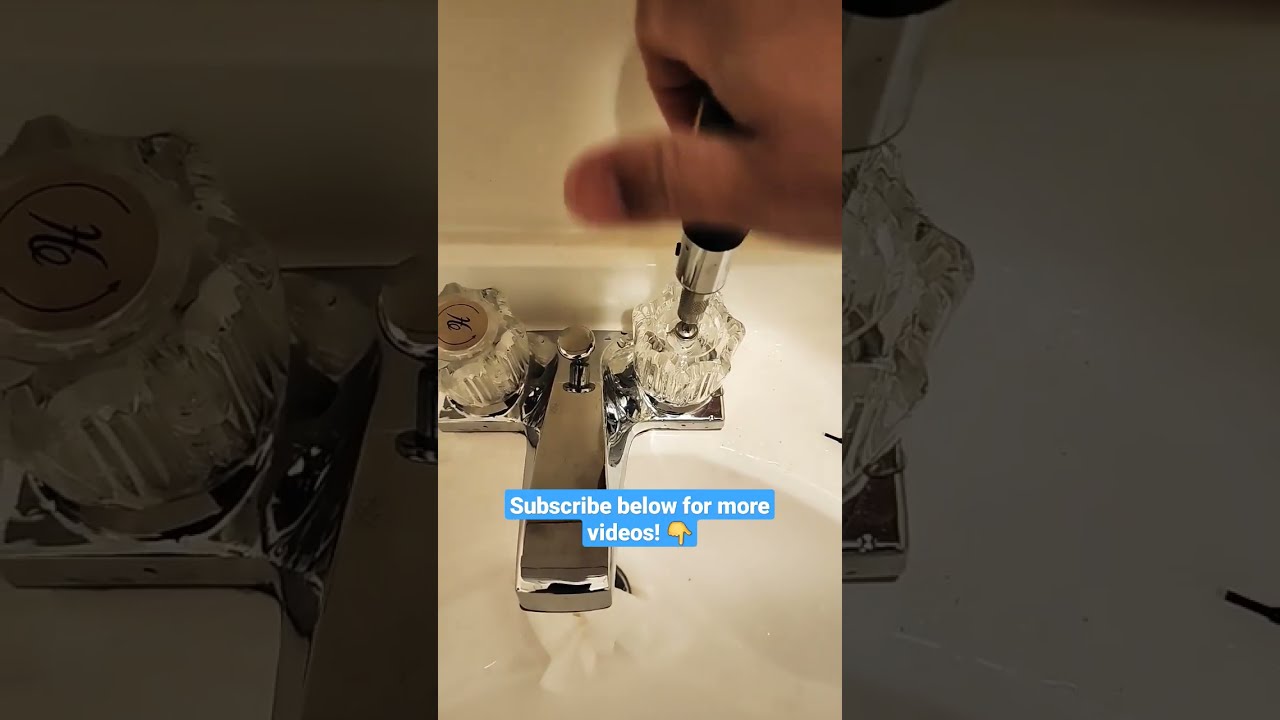
When renovating, upgrade to valves and parts that handle our water well. Brass bodies with serviceable cartridges beat one-piece plastic assemblies. Choose a shower valve with easily available replacement parts. The cheapest set at the store costs more when a future cartridge is backordered for weeks.
When you need a pro, make the call count
Local plumbers who work in Leander daily bring pattern recognition. They can tell by subdivision which builder used which valve bodies, they know which meter lids need a firm hand to lift safely, and they carry PRVs and expansion tanks in the right sizes for homes in your pressure zone. For Emergency bathroom plumbing, call volume spikes during storms, freezes, and heat waves when expansion and contraction test old seals. A shop that answers its phones, lists real emergency hours, and communicates arrival windows reduces stress. Pay attention to how they talk you through immediate steps on the phone. Calm, specific guidance is the mark of a team that solves problems, not just books calls.
The aim, whether you handle a flapper yourself or bring in a crew to reroute a line, is the same. Dry floors, steady temperatures, quiet pipes, and fixtures that work on demand. With a bit of local knowledge and a careful approach to repairs, the bathrooms in a Leander home can be as dependable as the sunrise over the Hill Country. And when the day comes that a problem outgrows a wrench and a YouTube video, the right partner with the right tools gets you back to normal without turning your week upside down.

Business information
Business Name: Quality Plumber Leander
Business Address: 1789 S Bagdad Rd #101, Leander, TX 78641
Business Phone Number: (737) 252-4082
