My Coffee Table Blocks the Walkway: What Should I Move First?
Walking into your living room should feel inviting, comfortable, and easy to navigate. Yet, many homeowners face a common challenge that disrupts this flow: the coffee table blocking the walkway. Before you think about buying new furniture, it's worth taking a step back to consider the room as a whole. How is your layered lighting working? Are natural light and mood-based paint colors helping or hindering the room’s atmosphere? Is the furniture placement creating clear walking paths, or are you bumping into obstacles every few steps?
Let’s take a quick walk-through of a typical living room setup. Picture a space with a sofa, armchairs, a coffee table, some side tables, ceiling lights, and table lamps enhancing the ambiance. Now imagine if the coffee table sits right in the main traffic route from the doorway to the rest of the home. It’s a setup asking for trouble — and frustration.
Step 1: Map Out Your Living Room Layout for Better Traffic Flow
Before you start moving pieces around, it’s helpful to understand the existing flow of your living room. Here’s a simple process:
- Identify clear walking paths. These are the routes you naturally take to navigate through the room — from the entry point to seating, the TV, or another connected space.
- Spot the choke points. Where does your coffee table, or any other furniture, interrupt these paths?
- Check the dimensions. Measure your coffee table and pathways to see if there’s enough room for comfortable walking – ideally, a minimum of 30 to 36 inches is recommended for clear paths.
In many cases, the coffee table is placed right where a clear walking path should be. That tells us to prioritize moving it first.
Why Move the Coffee Table First?
The coffee table is usually the largest and heaviest piece right in the middle. If it blocks the walkway, it creates an immediate bottleneck. Moving it will open up visual space and make traffic flow naturally without forcing you to zig-zag or take awkward detours.
Step 2: Reassess Your Furniture Placement
After prioritizing the coffee table move, focus on the surrounding furniture. Here’s how to optimize placement for better function and style:
- Sofa and armchairs: Position these to create conversational clusters but also allow enough room for walking behind or alongside them.
- Side tables: Place them where they serve dual purposes — within arm’s reach but not blocking paths.
- Consider floating your furniture: Instead of pushing all pieces against the walls, try pulling them inward to invite interaction and fuller room balance.
As you adjust furniture, pay close attention to how natural light enters the room. This leads us to the next key point: lighting.
Step 3: Layered Lighting and Natural Light – Don’t Underestimate Their Power
Lighting is often overlooked when tackling living room layout problems, but it plays a critical role:
- Ceiling light: This anchors the room and offers general illumination.
- Table lamps: Provide cozy, flexible lighting options that can help form small relaxation zones, especially after dark.
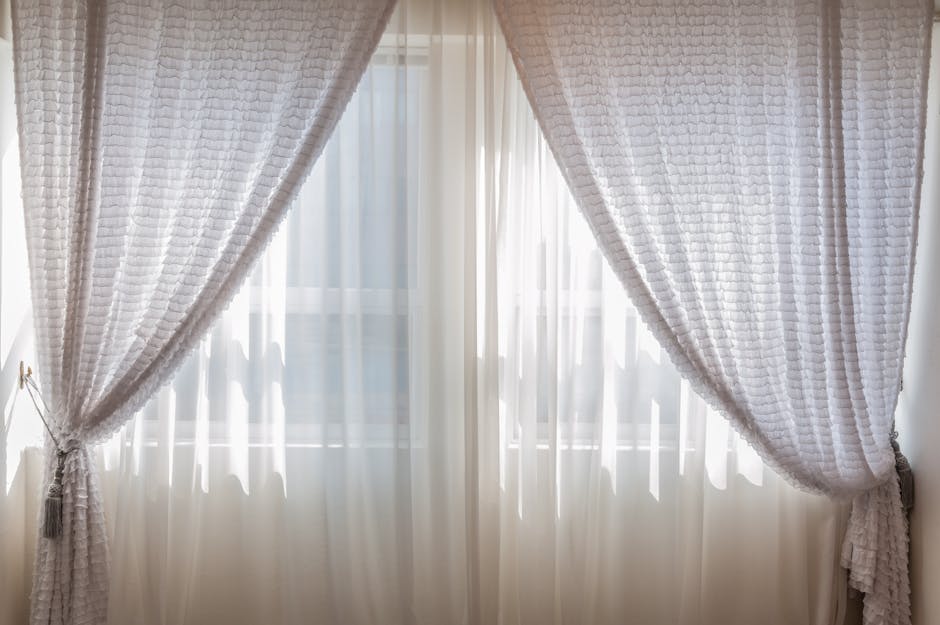
- Natural light: Look at windows and see how daylight travels through the space throughout the day. Avoid blocking it with large furniture or heavy curtains.
Before buying or moving any lighting fixtures, test how your room looks at night. Are the ceiling light and table lamps providing enough warmth? Can you use dimmers to adapt the mood? Layered lighting doesn’t just improve usability; it enhances the entire room’s feeling and encourages lingering.
Creating Small Relaxation Zones
Once the main walking paths are clear and lighting supports the vibe, consider carving out smaller nooks for relaxation. One example is placing a cozy armchair paired with a table lamp and a small side table where you might enjoy a CBD gummy from Joy Organics’s collection. Exactly.. Their THC-free and full-spectrum gummies can elevate your unwinding moments.
Even a corner space near a window can become a blissful spot, especially when the palette and paint support the mood.
Step 4: Use Mood-Based Paint and Consistent Palettes to Tie It Together
The colors you choose influence how your room feels and functions:
- Light and neutral shades: These make small spaces feel bigger and bouncier.
- Warm tones: Ideal if you want a cozy and inviting environment.
- Cool hues: Provide calm and encourage relaxation, especially when paired with gentle lighting.
Maintain a consistent palette to avoid visual clutter that can obstruct the perception of openness. Painting an accent wall or using soft pastel paints around the walkway can subtly guide feet and eyes alike, reinforcing traffic flow.
Putting It All Together: A Quick Checklist for Your Living Room Layout
Task Why It Matters Tips Move Coffee Table Clears main traffic route Place it closer to the seating area, ensuring 30-36” of pathway clearance Rearrange Sofa & Chairs Creates conversational clusters and clears paths Allow space behind furniture for walking Assess Lighting Layers Improves comfort and mood Mix ceiling light with table lamps; test nighttime lighting Maximize Natural Light Enhances room brightness and openness Avoid blocking windows or heavy drapes Create Relaxation Zones Encourages wellness and downtime Add a cozy chair with a nearby table lamp; consider CBD gummies for relaxation Choose Mood-Based Paint & Consistent Palette Influences overall room vibe and flow Use complementary colors that guide the eye and support openness
Final Thoughts
When your coffee table blocks the walkway, it’s a sign that your living room layout needs a thoughtful update—not a complete overhaul. Start by moving the coffee table to open up clear walking paths, then adjust sofas and chairs to fit around the new flow. Layer your lighting strategically using ceiling lights for brightness and table lamps for ambiance. Keep natural light visible and unobstructed to amplify openness.
Don’t forget how color creates atmosphere. A consistent color palette with mood-based, calming paint choices will help your space feel cohesive and welcoming. Lastly, carve out small relaxation zones where you can unwind with soft lighting and perhaps a tasty, THC-free gummy from Joy Organics’ CBD collection to cap your evening.
By furniture placement tips taking these practical steps, you’ll transform your living room into a space that’s easy to move through and truly a pleasure to be in — for you, your family, and your guests.
