Physical Therapy for Herniated Disc: Pain Relief and Mobility Restoration
Back pain has a way of taking over your calendar. The herniated disc patient I remember best was a contractor who couldn’t lift his tool bag anymore without a lightning bolt down his leg. He wasn’t dramatic, just stuck. He had a life that required bending, carrying, and climbing, and his spine had other plans. What turned things around for him wasn’t a miracle gadget, it was a careful progression of physical therapy that reduced his pain and rebuilt his movement habits piece by piece.
If you’re wrestling with a disc herniation, or the nerve pain from sciatica that often tags along, a good plan for back pain physical therapy can shorten recovery time, protect you from future flare-ups, and help you move like yourself again. Let’s walk through how that actually works on the ground.
What a herniated disc really means for movement
Between the bones of the spine sit discs, which function like tough, pressurized cushions. The outer layer, the annulus, can crack or tear. The softer inner material can push out and irritate a nearby nerve root. In the lumbar region, that often means pain in the lower back with symptoms shooting into the buttock, thigh, calf, or foot. People describe it as burning, electric, or stabbing. Coughing or sitting often makes it worse, standing or gentle walking sometimes eases it.
A disc herniation is not automatically a sentence to surgery. The majority improve with time, a smart stretching and strengthening program, and specific manual therapy for back pain as needed. The body has a strong track record of reabsorbing disc material and calming inflammation. What you do day to day can tip the scales toward recovery or relapse.
The first appointment with a physical therapist for back pain
A licensed physical therapist should ask detailed questions about your pain behavior. Where does it go exactly, what makes it flare, can you tolerate certain positions, and how long can you sit or walk? Expect a full orthopedic therapy screen: nerve tension tests, reflexes, muscle strength, sensation mapping, and movement patterns for the spine and hips. We look for muscle imbalance around the pelvis, stiff hips that force the lumbar spine to twist, and weak deep stabilizers that let everything shear around the disc.
If your symptoms suggest red flags, such as bowel or bladder changes, progressive weakness, or severe numbness in a saddle distribution, we stop and refer out immediately. Those cases need medical imaging and urgent evaluation. Most people do not fall into that category, and they can start lower back pain therapy right away.
Why physical therapy helps relieve back pain from a disc herniation
A smart plan does three things simultaneously. First, it calms pain and reduces nerve irritation. Second, it restores spine alignment and segmental control, especially in the lumbar region. Third, it upgrades how you load your spine during real life. That’s where long-term relief comes from.
Pain modulation often starts with positions that centralize symptoms. Centralization means leg pain retreats up toward the back, which is a good sign. We also use manual therapy to reduce protective muscle guarding. That can include joint mobilizations, gentle traction, and myofascial release in the hips and glutes. Once symptoms settle, we pivot to progressive therapeutic exercise: core strengthening exercises, hip work, and controlled lumbar stabilization. You rebuild capacity in the system so a long day at a desk or helping a friend move doesn’t knock you back to square one.
The benefits of physical therapy for chronic back pain show up in numbers and in the mirror. You get better range of motion improvement, more confidence to bend, and a way to self-manage flare-ups. Patients tell me they stop bracing every time they tie their shoes. That is success you can feel.
Early vs delayed start: when to start physical therapy for back pain
I’ve rarely seen a downside to starting early, within the first one to two weeks of a disc flare, especially if radicular symptoms are present. Early guidance prevents the fear spiral where a person stops moving entirely, which creates stiffness and more pain. Even when pain is high, you can often tolerate gentle positions that reduce nerve tension and simple breathing drills that downshift the nervous system.
That said, there are edge cases. If pain is acute and intolerable despite meds, or if short walks are impossible, a couple of days of relative rest, anti-inflammatory strategies, and position-based relief can make the first PT visit more productive. Early doesn’t mean reckless, it means targeted.
What a day-by-day plan can look like in the first month
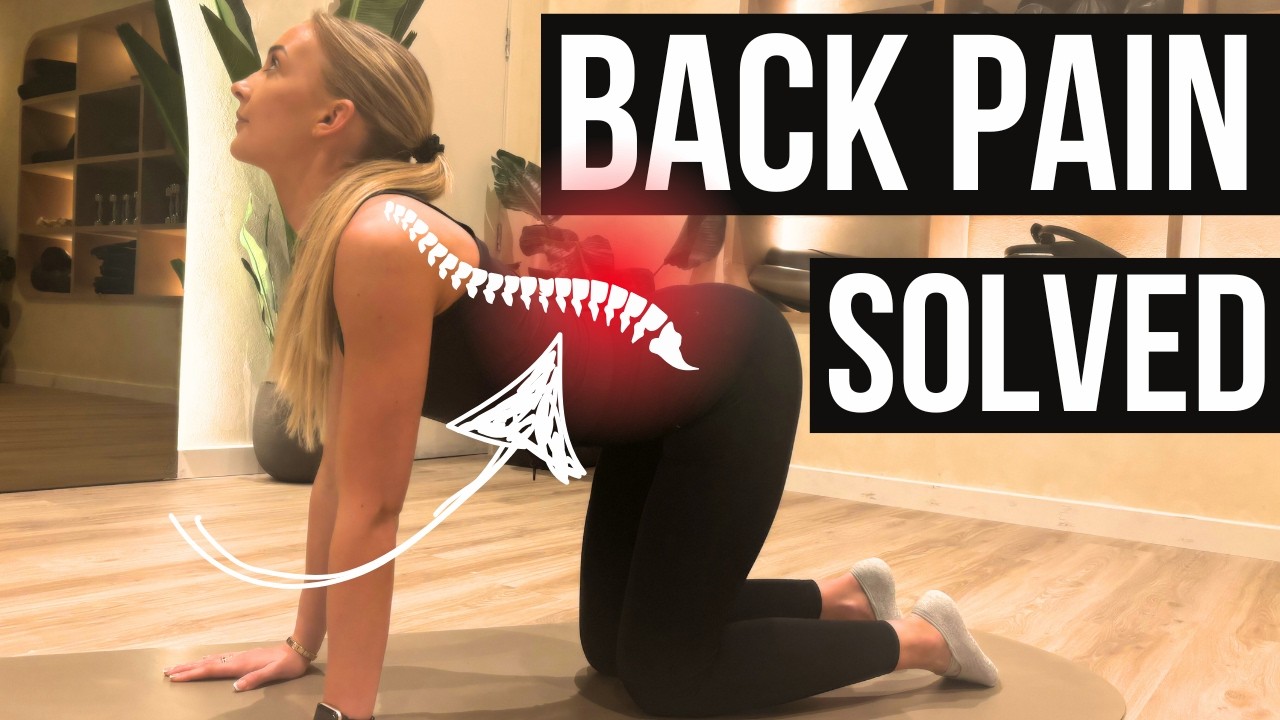
No plan should be cookie-cutter, but a common arc exists. In week one, we focus on finding positions of relief, such as prone on elbows or sidelying with a pillow between the knees, and short bouts of walking. If extension reduces leg Physical Therapy pain, we perform gentle prone press-ups with the pelvis relaxed. If flexion reduces pain, such as for some central protrusions or stenosis overlap, we use supine hooks-lying with deep diaphragmatic breathing and pelvic tilts. We test and track what centralizes symptoms, not what sounds nice in theory.
As the nerve calms, we introduce low-load lumbar stabilization. That might mean the abdominal draw-in with normal breathing, then marching without pelvis rocking. Add glute sets, then bridges with a pause to prevent hamstring dominance. Hip mobility returns next: kneeling hip flexor stretch, figure-four piriformis stretch, and hamstring glides with low tension. Not yanking on a pissed-off nerve, just coaxing range back. We check the response the next morning. If your foot feels zingy or your calf feels heavier, we back off and adjust.
By weeks three to four, we build endurance. Extension or flexion bias exercises become less important than symmetry and control across the day. The patient learns to hinge at the hips when they brush their teeth or pick up a box. We add carries for load tolerance: suitcase carry with a light kettlebell to wake up the lateral stabilizers. Farmers carries once the back tolerates longer duration. The goal is to load the spine in a controlled, graduated way.
Manual therapy and when it actually helps
Manual therapy for back pain should serve the goal of movement change. If you walk out feeling looser but nothing in your daily motion improves, it’s a nice massage that doesn’t fix the problem. The techniques I reach for most often are:
- Segmental mobilization to the thoracic spine to allow the lumbar region to stop overworking when you rotate and reach.
- Myofascial release to hip rotators and the paraspinals to reduce guarding and make it easier to perform form-sensitive exercises.
- Neural mobilization, the so-called nerve glides, done gently and only when they centralize symptoms or reduce after-pain during walking.
Manual techniques should be brief and followed by a task that confirms the change. If your straight-leg raise improves, we stand up and practice hip hinging. If your extension range opens, we do a set of press-ups and then a light carry. Lock in the change with motion, not just relaxation.
Specific physical therapy exercises for back pain with disc involvement
Names of exercises can mislead if you chase trends. The key is intent and execution. Here are staples I rely on regularly, with notes on how they connect to herniation recovery.
-
Abdominal bracing with breathing. Lie on your back, knees bent. Inhale through the nose into the belly and sides. Exhale gently while tightening the lower abdomen as if zipping up jeans. Hold 5 seconds without breath holding. Ten reps. This is the foundation for lumbar stabilization without stiffness.
-
Heel slides or marching. Maintain the brace and slide one heel out, then return. Or march one knee up and down. The pelvis does not tip. Six to eight reps each side. Quit before quality drops.
-
Bridge with pause and band. Feet hip width, engage the brace, push through the heels, and lift the hips to a straight line. Hold two to three seconds. If hamstrings cramp, tuck the tail slightly and focus on glutes. Add a light band above the knees to cue lateral hip control. Eight to ten reps.
-
Prone press-up or sphinx. If extension centralizes symptoms, lie prone on elbows. Breathe for one minute. Progress to press-ups with the pelvis heavy, ten gentle reps. No pinching in the back, no leg symptoms worsening. If leg pain increases, stop and re-test other positions.
-
Hip flexor and piriformis stretch. Kneeling lunging stretch with the back glute engaged to protect the lumbar spine, 30 seconds each side. Figure-four stretch in supine with the sacrum relaxed, 30 seconds each side. Look for pelvic neutrality, not contorted angles.
-
Dead bug progression. Brace, then alternate opposite arm and leg reach while keeping the low back quiet. Six to eight reps each side. If you arch or twist, regress to taps.
-
Carries and hinges. Practice a hip hinge with a dowel along the spine, then pick up a light weight with that same pattern. Suitcase carry at your side for 30 to 60 seconds, switch sides. This is the bridge between clinical exercise and real life loading.
You don’t earn a gold star for more sets. You earn it by finishing the set with clean technique and waking up the next morning with the same or less leg symptoms.
Posture correction without the posture police
Posture matters, but not in the rigid, shoulders-back-chest-up way you see on posters. Good posture is the ability to vary positions through the day so no single tissue gets hammered. For desk work, the quick wins are obvious: hips higher than knees, feet supported, screen at eye level, arms supported so shoulders can drop, and a lumbar roll that feels like a gentle cue, not a wedge. The real trick is movement snacks. Set a timer every 30 to 45 minutes and stand, arch gently, or take a 90-second walk. Ergonomic education is not complete without these breaks. The disc hates monotony more than any specific angle.
At home, build habits around your hot spots. If getting out of bed triggers pain, roll to your side, drop the legs first, then push up with your arm as your torso follows. If loading the dishwasher sets off sciatica, use a split stance and hinge rather than rounding repeatedly. These posture corrections are small, but they scale all day long.
Core strength, yes. But make it spine-friendly.
People often leap to planks and sit-ups. For a tender disc, sit-ups are usually not worth the squeeze early on, and long planks often teach you to brace everything without breathing. Core strengthening exercises should create a resilient cylinder that shares load with the hips and thoracic spine. The deep abdominals, the obliques, the multifidi, the diaphragm, the pelvic floor, and the glutes are the cast. No single muscle carries the show.
Rotational control is underrated. Chops and lifts with a resistance band teach you to transfer force from the legs to the arms without shearing the lumbar segments. Start half-kneeling, short lever, low resistance, and own the exhale on exertion. That same patient who couldn’t carry his tools learned to brace during a banded lift, then applied the same pattern picking up a bucket at work. That is how orthopedic therapy leaves the clinic and lives in your day.
Physical therapy for sciatica vs back-dominant pain
Sciatica from a disc herniation behaves differently than purely back-dominant pain. Leg pain that trumps back pain calls for careful progression. The rule is simple: do more of what centralizes the leg symptoms and less of what pushes them farther down the limb. If walking centralizes and sitting peripheralizes, walk more and break up sitting. If extension centralizes, your program leans that way until leg symptoms ease, then you balance flexion and rotation again. Aggressive hamstring stretching tends to aggravate sciatica early. Gentle neural sliders are better tolerated than classic toe-touch stretches. Once leg pain calms, you expand the menu.
Back-dominant pain without significant nerve irritation often responds faster to general mobility and strengthening. These folks can handle more variability earlier, including thoracic rotation drills and light quadruped rock backs. The overlap exists, but the emphasis changes.
What about physical therapy vs chiropractic care for back pain?
You can find excellent and not-so-excellent practitioners in both professions. Chiropractors often provide spinal manipulation and brief exercise or mobility advice. Physical therapists typically spend more time on assessment-specific therapeutic exercise, motor control, and load progression across tasks. For a disc herniation, I prioritize a plan that teaches you self-management and builds capacity week by week.
Joint manipulation can be a helpful short-term tool when chosen carefully. I’ve referred patients for a few sessions of manipulation to break through a guarded pattern and then layered in stabilization and loading. The trap is relying solely on passive care without building the engine. Relief without a plan tends to be short-lived.
When imaging and injections belong in the plan
Imaging doesn’t guide every case. Many people with disc bulges on MRI have no pain, and many with pain have unremarkable imaging. Order imaging when symptoms don’t improve over 6 to 8 weeks of smart care, when severe neurological deficits exist, or when you suspect other pathology. Epidural steroid injections can tamp down inflammation enough to allow therapy to progress. They are not a cure, but they can create a window for movement. Clear the timing with your team and use that window wisely.
At-home strategy between sessions
The time between appointments matters as much as what happens in the clinic. You need a small, consistent routine that respects symptom behavior and nudges capacity forward. A typical day might include a morning position of relief for two to three minutes, your short core routine, a 10 to 15 minute walk at a comfortable pace, and micro-breaks from sitting. In the evening, light mobility and a repeat of the core work or carries if you have energy. If a day feels worse, you do half and get to bed a little earlier.
Sleep positioning matters. On your side with a pillow between the knees is a reliable choice. On your back, place a pillow under the knees. Avoid falling asleep in a slumped couch position for long periods. Small habits stack.
A simple comparison to anchor choices during recovery
Here’s a quick lens I share in the clinic when people feel overwhelmed by options for chronic back pain treatment.
- Avoid long static sitting, tolerate short amounts with support, and aim for frequent position changes.
- Choose exercises that keep symptoms centralized or improving over 24 hours rather than those that feel hard but provoke next-day soreness down the leg.
- Load with carries and hinge patterns before you jump into heavy squats or deadlifts.
- Favor daily consistency over heroic single sessions.
- Progress one variable at a time: either more range, or more reps, or more load, not all at once.
Physical therapy tips to prevent back injuries after you recover
Relapse prevention is part of the job. The disc that herniated has scar tissue that is less tolerant of chaotic loading early on, and the rest of your spine switches off guard once pain resolves. Keep two or three maintenance exercises in rotation. Practice hip hinging with household tasks. Keep walking. Train the glutes and lateral hip to own frontal plane control because life is full of side loads. Learn a simple warm-up that you can complete in five minutes before yard work: two sets of bridges, a set of dead bugs, and 60 seconds of carries often do more than fancy mobility flows.

If you work at a desk, invest in a setup that allows sit-stand variation. If you drive long distances, plan stretch breaks. If your sport is rotational, such as golf or tennis, add thoracic rotation mobility and anti-rotation strength Advanced Physical Therapy so the lumbar spine doesn’t take all the twist. Prevention in this context looks boring on paper and works in reality.
What a rehabilitation center can add when symptoms are stubborn
Some cases don’t follow the easy curve. A good rehabilitation center offers more tools: mechanical traction for short-term relief in select patients, interdisciplinary care with pain management, a gym space for graded exposure to heavier loads, and access to specialized staff for spine cases. The best centers keep the focus on function and give you home plans that scale. You should leave knowing exactly how to adjust your program on good days and bad days.
If you’re months into symptoms with minimal change, look for a licensed physical therapist with a spine focus and ask direct questions. How will we measure progress besides pain? What does week-to-week loading look like in your plan? How do you decide when to push and when to pull back? Good answers sound concrete, not generic.
The realistic timeline and what improvement feels like
People often ask how long it takes to feel normal. With consistent care, many notice a shift within two to three weeks: less leg pain, smoother transitions from sitting to standing, and more walking tolerance. By six to eight weeks, daily tasks feel safer and less guarded, and formal strengthening becomes more central. Full return to heavy lifting or sport can take three to four months, sometimes longer if the initial flare was severe. Progress rarely runs in a straight line. A weekend of long sitting can set you back temporarily. The measure of success is not never having discomfort again, but recovering quickly when you do.
There’s one test I like. If you can tie your shoes in the morning without the reflexive breath hold or panic, you are on the right track. Pain relief and mobility restoration isn’t a slogan, it’s that moment when you trust your spine again.
Putting the pieces together
If you remember nothing else, remember this: calm the nerve, restore control, load thoughtfully. Physical therapy for herniated disc problems is not fancy, but it is precise. It blends posture correction that actually fits your life, core work that teaches your trunk to share load, and targeted mobility for the hips and thoracic spine. It respects range of motion improvement without chasing extremes. It leans on manual therapy when it helps unlock movement and then insists you own that movement with practice.
The contractor I mentioned earlier went back to work carrying his tools by week eight. We didn’t chase zero pain. We trained tolerance. He still does his five-minute routine most mornings. When he skips it for a stretch, he feels it and gets back on track. That is a sustainable version of back pain rehabilitation.
If you’re ready to start, find a clinician who listens, measures what matters to you, and teaches you to steer your own recovery. The spine is durable. Given the right plan and patience, it wants to move well.
Physical Therapy for Neck Pain in Arkansas
Neck pain can make everyday life difficult—from checking your phone to driving, working at a desk, or sleeping comfortably. Physical therapy offers a proven, non-invasive path to relief by addressing the root causes of pain, not just the symptoms. At Advanced Physical Therapy in Arkansas, our licensed clinicians design evidence-based treatment plans tailored to your goals, lifestyle, and activity level so you can move confidently again.
Why Physical Therapy Works for Neck Pain
Most neck pain stems from a combination of muscle tightness, joint stiffness, poor posture, and movement patterns that overload the cervical spine. A focused physical therapy plan blends manual therapy to restore mobility with corrective exercise to build strength and improve posture. This comprehensive approach reduces inflammation, restores range of motion, and helps prevent flare-ups by teaching your body to move more efficiently.
What to Expect at Advanced Physical Therapy
- Thorough Evaluation: We assess posture, joint mobility, muscle balance, and movement habits to pinpoint the true drivers of your pain.
- Targeted Manual Therapy: Gentle joint mobilizations, myofascial release, and soft-tissue techniques ease stiffness and reduce tension.
- Personalized Exercise Plan: Progressive strengthening and mobility drills for the neck, shoulders, and upper back support long-term results.
- Ergonomic & Lifestyle Coaching: Practical desk, sleep, and daily-activity tips minimize strain and protect your progress.
- Measurable Progress: Clear milestones and home programming keep you on track between visits.
Why Choose Advanced Physical Therapy in Arkansas
You deserve convenient, high-quality care. Advanced Physical Therapy offers multiple locations across Arkansas to make scheduling simple and consistent—no long commutes or waitlists. Our clinics use modern equipment, one-on-one guidance, and outcomes-driven protocols so you see and feel meaningful improvements quickly. Whether your neck pain began after an injury, long hours at a computer, or has built up over time, our team meets you where you are and guides you to where you want to be.
Start Your Recovery Today
Don’t let neck pain limit your work, sleep, or workouts. Schedule an evaluation at the Advanced Physical Therapy location nearest you, and take the first step toward lasting relief and better movement. With accessible clinics across Arkansas, flexible appointments, and individualized care, we’re ready to help you feel your best—one session at a time.
Advanced Physical Therapy
1206 N Walton Blvd STE 4, Bentonville, AR 72712, United States
479-268-5757
Advanced Physical Therapy
2100 W Hudson Rd #3, Rogers, AR 72756, United States
479-340-1100
