Preserved moss placement in low-light interior spaces
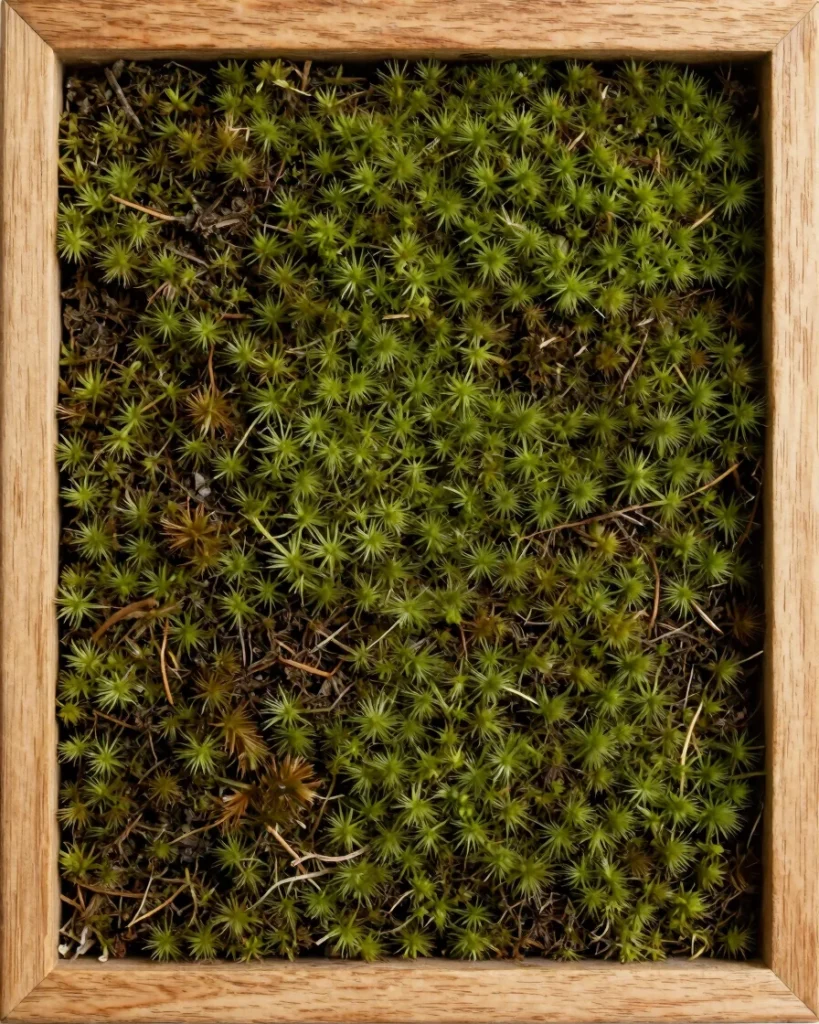
Preserved moss wall art is a decorative material made from natural moss that has been treated to retain its color and texture without the need for soil or ongoing watering. The preserved moss used in these displays is typically harvested, dried, and then soaked in a glycerin-based solution that replaces the moisture in the plant cells, keeping the moss soft and flexible while halting biological activity. This process gives the moss a stable, long-lasting appearance that does not require sunlight or regular irrigation, which makes it suitable for a range of indoor environments. The question of whether preserved moss wall art works well in specific rooms such as bathrooms, bedrooms, and entryways depends on the conditions in those spaces, particularly humidity, light exposure, and physical contact. Each room type presents different factors that can affect the appearance and longevity of preserved moss, and understanding these factors helps in deciding where to place such pieces.
Preserved moss is not a living plant; it is a dried and chemically treated natural material. Because it no longer carries out photosynthesis, it does not need light to survive. This trait allows it to be placed in rooms that receive only indirect light or even artificial light alone. However, the preservation process also makes the moss sensitive to certain environmental conditions. High humidity can cause the glycerin in the preserved moss to become sticky or to weep from the tissue, potentially staining surfaces and attracting dust. Very dry air, by contrast, may cause the moss to become brittle and shed small particles over time. Temperature extremes and direct sunlight can fade the color of preserved moss, turning it from green to brown or yellow, a process known as color stability loss. These properties define where preserved moss performs best and where it may require extra care.
Bathrooms
Bathrooms are typically the most humid rooms in a home. Showers, baths, and sinks release steam into the air, and if ventilation is poor, the relative humidity can remain high for extended periods. Preserved moss placed in a bathroom that lacks a window or an exhaust fan may be exposed to moisture levels above what the preservation treatment can tolerate. The glycerin in the moss is hygroscopic, meaning it attracts water molecules from the air. In a humid bathroom, the moss can absorb enough moisture to become saturated, leading to the glycerin solution leaking out. This can leave a sticky residue on the surface behind the moss, on the frame, or on the wall. The moss itself may also begin to grow mold or mildew if the moisture remains trapped in the tissue, even though the preservation process is intended to prevent microbial growth. Over time, the moss may darken or lose its original color due to the extra moisture.
However, not all bathrooms present the same risk. A bathroom with good ventilation, such as one with an operable window or a strong exhaust fan that is used during and after showers, will have lower sustained humidity. In such a space, preserved moss can be placed away from direct water sources, such as a shower head or sink splash zone, and still remain in acceptable condition. Some manufacturers treat preserved moss with additional antimicrobial agents to improve its resistance in damp environments, but this varies among suppliers. For bathrooms, the safest placement is on a wall that does not receive direct steam, such as opposite the shower or above a towel rack, and in a room that dries out between uses. Even in these conditions, periodic inspection for signs of moisture buildup is wise.

Bedrooms
Bedrooms are generally stable environments with moderate humidity and little to no direct water exposure. Preserved moss wall art in a bedroom is unlikely to encounter the moisture problems that bathrooms present. The main concern in a bedroom is light exposure. Preserved moss does best in indirect light or low light. A bedroom with large windows that let in direct sunlight for several hours a day can cause the moss to fade, especially if the moss is positioned on a wall that receives sunbeams. Over months or years, the side of the moss facing the window may turn lighter or develop a brownish tint. This is a slow process and may not be noticeable in the short term, but it is a known limitation of preserved materials.
Dust accumulation is another factor in bedrooms. Preserved moss has a textured surface that can trap dust particles from the air. In a room where people spend many hours sleeping, dust may settle on the moss more quickly than on a smooth wall or a piece of glass. Routine dust removal is possible with a soft brush, a hair dryer on a cool low setting, or compressed air kept at a distance. Bedrooms also tend to have more furniture and soft furnishings that shed fibers, such as blankets and pillows, which can add to the dust load. Placing preserved moss wall art away from vents or areas with high air circulation can reduce how much dust lands on it.
Entryways
Entryways, foyers, and hallways are transitional spaces that connect the outdoors to the interior of a home. These areas often experience temperature swings, drafts from opening doors, and occasional contact from people or objects passing by. For preserved moss, the main risks in an entryway are physical damage and temperature variation. Moss that is brushed against by coats, bags, or shoulders can lose small pieces or become crushed, especially if the moss is in a shallow frame or mounted without a protective cover. In a narrow hallway where people walk close to the wall, the moss may be more prone to accidental contact than in a spacious room.
Temperature changes in an entryway can also affect the moss. If the door is opened frequently in cold weather, the moss may be exposed to cold drafts. While preserved moss does not freeze like living plants, the glycerin solution inside it can become thicker and less pliable at low temperatures, potentially making the moss stiff and more likely to crack if touched. In hot climates, the opposite problem can occur: heat entering through an open door can accelerate color fading if the moss is in direct sunlight. For these reasons, entryways that are sheltered from direct weather, such as those with a storm door or a vestibule, are better suited for preserved moss wall art than open entries that face the outdoors directly. Placing the moss on a wall that is not in the direct path of opening doors or frequent traffic reduces the chance of damage.
General considerations for placement
Regardless of the room, preserved moss wall art benefits from being installed in a location that avoids direct sunlight, high and sustained humidity, and physical contact. The wall surface itself should be clean and dry before mounting, as moisture from the wall can transfer to the moss over time. In rooms with high humidity, such as bathrooms and kitchens, a sealed backing or a frame with a moisture barrier can help protect the moss. Some preserved moss pieces come enclosed in glass frames, which provide a physical barrier against moisture, dust, and touch while still allowing the moss to be visible. Such enclosures can extend the life of the moss in less ideal conditions.
Color stability is a topic that buyers of preserved moss consider when planning a display. The preservation process uses dyes to restore or enhance the natural green color of the moss. These dyes are generally stable under indirect light but may break down under prolonged exposure to ultraviolet (UV) rays. Rooms with windows that receive strong afternoon sun, or entryways with glass doors, can cause the moss to fade faster than rooms with only ambient light. Using UV-filtering window film or placing the moss on a wall that never receives direct sun can slow this process. The same principle applies to artificial light: very bright LED or halogen lights aimed directly at the moss for many hours each day may also cause gradual fading, although this is less pronounced than with sunlight.
Maintenance across room types
Preserved moss requires minimal maintenance, but the level of care varies slightly by room. In bedrooms and entryways, occasional dust removal is the main task. A soft brush or a low-speed hair dryer can dislodge dust without damaging the moss. In bathrooms, checking for signs of moisture is more important. If the moss feels damp or appears darker than usual, it may be absorbing too much humidity. Improving ventilation or moving the moss to a drier room can prevent further issues. In entryways, inspecting the moss for physical damage, such as missing pieces or crushed areas, can help catch problems early. Small repairs can be made by carefully gluing loose bits back with a clear craft glue, but this is a case-by-case matter.
Some owners choose to rotate preserved moss pieces between rooms to balance exposure. For example, a piece placed in a humid bathroom during the summer might be moved to a bedroom during the winter when indoor humidity is lower. This approach can help maintain the appearance of the moss over a longer period, but it is not required for most installations. The choice of room depends on the owner's preferences and the specific conditions of the home.
Interior styling and aesthetic fit
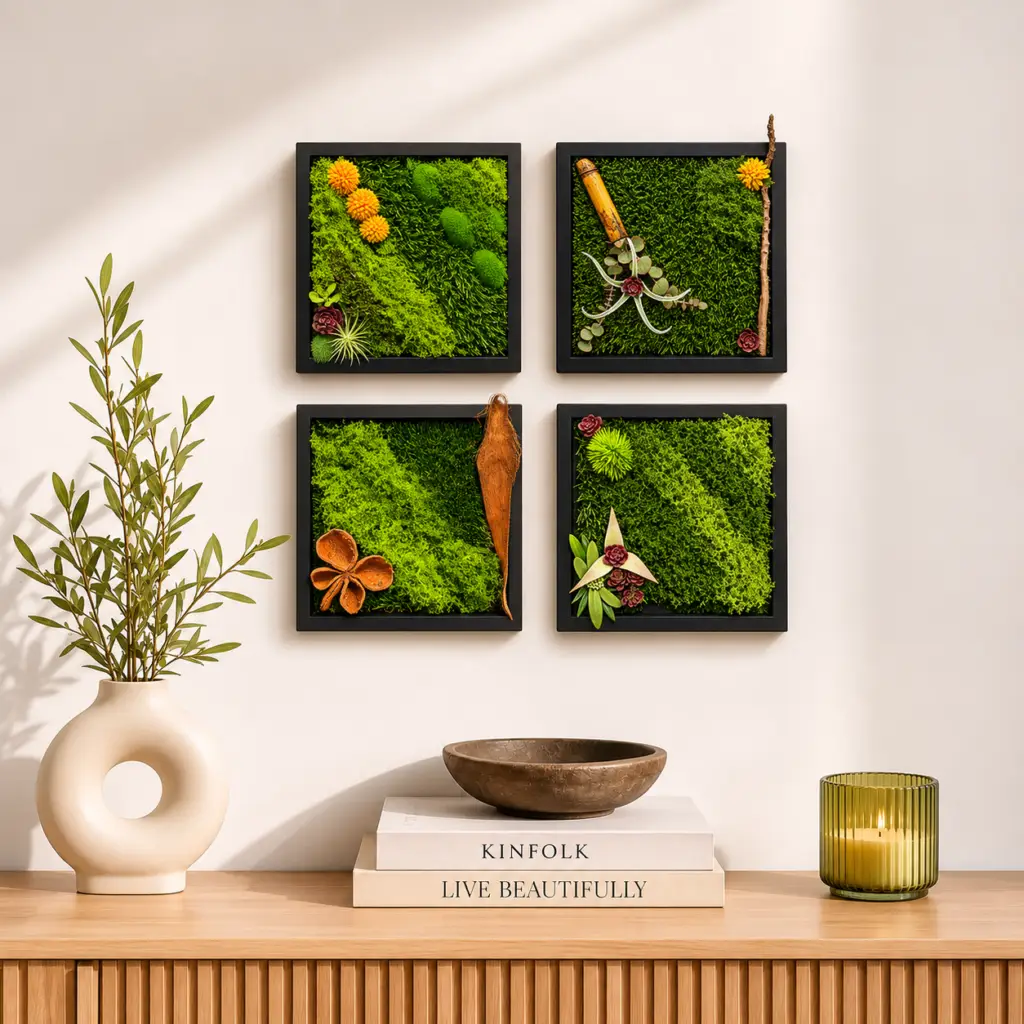
Preserved moss wall art is often chosen for its natural texture and green color, which can complement a neutral palette of whites, grays, and beiges. In bathrooms, the moss adds a touch of greenery that softens the hard surfaces of tile and glass. In bedrooms, it can create a calming focal point above a bed or a dresser. In entryways, it provides a welcoming natural element that sets the tone for the rest of the home. The material works well with natural materials such as wood, stone, and linen, and can be incorporated into gallery walls or used as a standalone piece.
The decision to place preserved moss in a particular room ultimately comes down to understanding the room's environmental characteristics and matching them to the material's tolerances. Bathrooms with high humidity require caution, bedrooms with direct sun need indirect placement, and entryways with heavy traffic need protection from contact. In all cases, preserved moss wall art can be a durable and visually appealing addition to the interior when its limitations are respected. As with any decorative material, the best placement is one that balances the owner's design goals with the practical needs of the material itself.
