Priority Routing and Wave Planning in Cross Dock Operations
Cross docking looks deceptively simple. Trucks arrive, pallets move across a dock, outbound trailers depart. The magic sits between those steps. Priority routing and wave planning determine whether product glides through a cross dock facility with minutes of dwell time, or clogs in the middle with mounting detention, misaligned doors, and costly rehandles. The difference shows up in service metrics first, then in the P&L.

Over the last decade, I have watched operations shift from tribal knowledge to data-guided orchestration. The best cross dock warehouses now combine tight standard work on the floor with dynamic decisions that reflect freight priority, carrier constraints, and door real estate. When this orchestration works, a 60-minute target can drop to 30, even at high volume. When it fails, the dock becomes a parking lot for both freight and trucks.
This article walks through how priority routing and wave planning fit together, where they break, and how to set practical guardrails that keep performance stable as volume and complexity scale.
What priority routing really means on a dock
Priority routing is the logic used to decide which pieces of freight move first and how they move across the dock. The naive version ranks orders by strict delivery due dates and pushes the most urgent units to the front. That can work for a small cross dock facility with predictable freight. It collapses in mixed operations with parcel, LTL, and pool distribution, each with different cutoff clocks and carrier behavior.
On a live dock, priority fuses four signals:
- Time: delivery promise, market cutoff, carrier departure windows, and the time a truck actually sits at the door.
- Risk: chance of service failure if mishandled, likelihood of delay in the downstream network, and fragility or special handling conditions.
- Value: customer SLA penalties, product margin, and customer relationship leverage. A missed pallet for a grocer’s DC is not the same as an extra day for a non-critical SKU.
- Flow: how moving a piece now unblocks the system, such as consolidating a partial outbound that frees floor space and a door.
When supervisors weigh these signals, they build a queue that looks nothing like a simple due-date sort. For example, imagine an inbound with a high-priority e‑commerce pool order that misses one carton. Another inbound, lower priority on paper, has the missing carton and is due in 30 minutes. If you push the high-priority freight immediately, you create a split shipment and cost. If you hold, you risk a cutoff miss. The right call depends on the carrier’s flexibility, the last-known ETA of the second inbound, and how many other orders compete for the same outbound lane. Good priority routing captures that context.
Wave planning in a cross dock is not warehouse wave planning
Traditional warehouse waves bundle picks to achieve picker and conveyor efficiency. In a cross docking environment, waves serve a different purpose. They synchronize inbound door assignments, strip-and-sort activity, and outbound trailer loading so that freight flows without piles. In a cross dock warehouse, waves are shorter, more frequent, and tied to rolling carrier cutoff times.
I have seen operators try to transplant DC-style waves that run every two to four hours. Inevitably, the dock alternates between idle and overwhelmed, and missed cutoffs spike. A better model is micro-waving. Think 15 to 45 minutes, often event-driven rather than strictly scheduled, where each wave triggers a set of actions and confirms resource commitments: which doors to open next, which lanes to clear, which outbound trailers to finish, and which to pre-stage.
A good wave plan does three things well:
- Aligns to actual carrier departure behavior, not just published times. If your linehaul tends to pull 12 minutes late, you can stretch a wave. If your parcel pickups arrive early and leave early when ready, build slack differently.
- Reflects real inbound reliability. A vendor who is often late and under-declares pallets should not anchor a critical wave. Spread critical demand across more predictable sources.
- Controls WIP. Too much in-process freight breaks visibility. Workers stop trusting the system and improvise, which blows up the plan.
The operating backbone: doors, lanes, and visibility
Priority logic collapses without physical discipline. At minimum, a cross dock facility needs stable door-to-lane mapping, labeled staging zones that match outbound destinations, and fast updates from inbound to outbound status. If you track freight only at the trailer and pallet level, an inbound that arrives ten minutes before cutoff can still fail because the team cannot locate one carton. Item-level scanning is expensive, but for certain flows, especially parcel and e‑commerce, it pays back by reducing exception time.
Door selection matters. A common mistake is to fill the closest doors first and then route overflow to distant doors, creating long pushes across the floor. When an outbound is tight on time, distance is a service factor. A small redesign that co-locates hot lanes near the most time-sensitive outbound doors can shave five minutes per load. Across a thousand loads per week, the math is obvious.
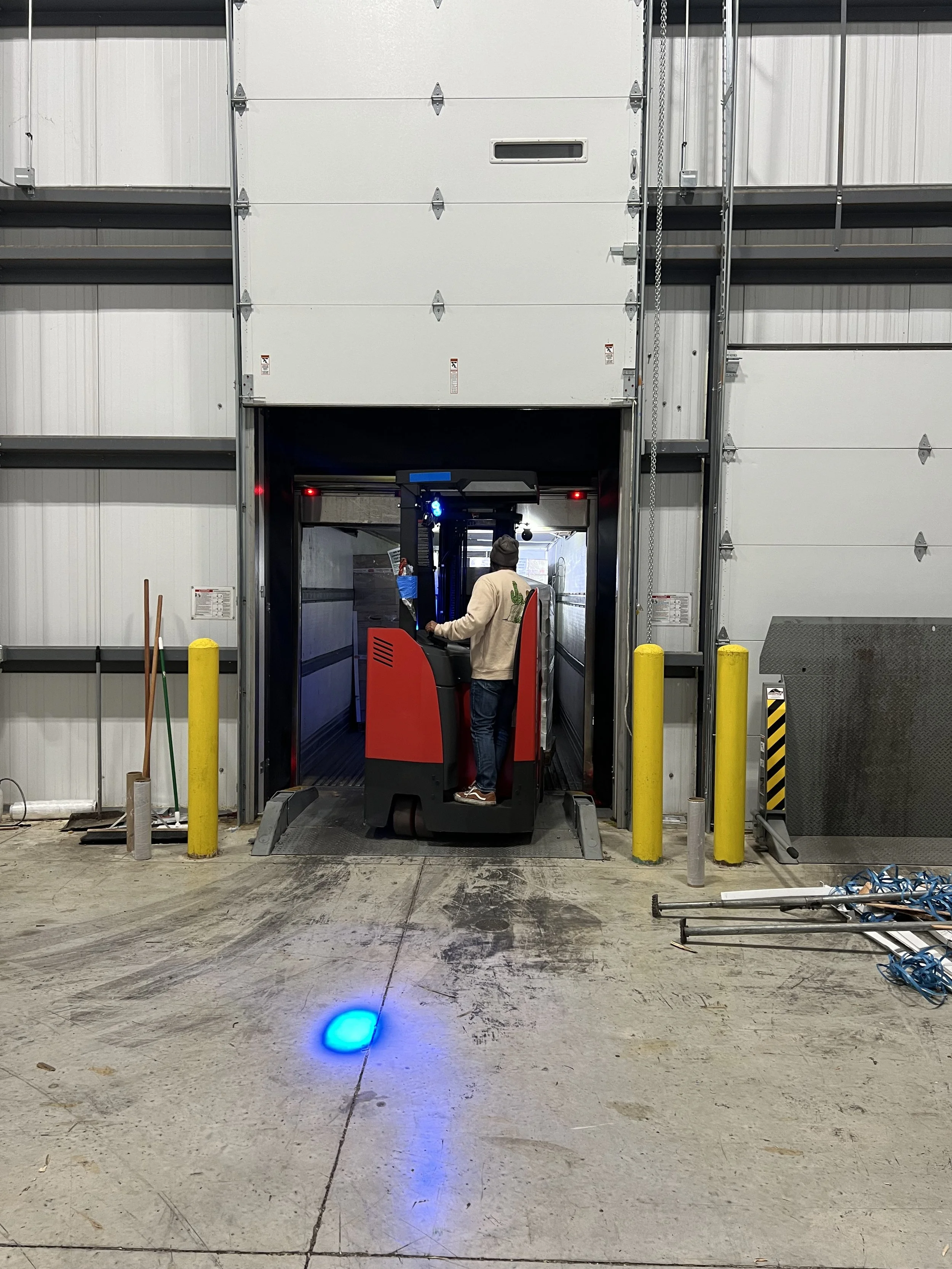
Forklift congestion kills throughput. If the dock uses a U-shape or side-by-side lane strategy, ensure that priority waves do not pit forklifts against each other in crossing paths. Paint helps, but what helps more is staging rules. For example, set a maximum lane depth for hot outbound trailers so a lift never has to fish for a pallet buried behind other freight.
Building a priority score that the floor trusts
The best systems convert the abstract idea of priority into a visible, predictable score. A different color on the RF gun, a physical tag with a clear code, or a digital scoreboard with aging timers. Frontline workers should not need to translate a complex rulebook every minute.
A practical approach is a weighted score that looks like this in plain terms:
- Due time and carrier cutoff window, with a decay that gets steeper inside the last 60 minutes.
- Customer or product criticality.
- Consolidation leverage, which increases when a nearly complete outbound can be finished with one or two pallets.
- Risk modifiers for special handling, temperature, and known carrier reliability on that lane.
The weightings should be visible in a simple policy guide and tuned with data every quarter. If workers see the scores match common sense most of the time, they will follow them. If the score yields absurd priorities, they will ignore it and invent their own system, which fragments the operation.
Edge cases reveal whether the score works:
- Milk-runs that pick up small volumes across multiple vendors can arrive out of sequence. The score should avoid rewarding the first trickle if the last stop brings the key unit.
- Weekend cutoffs differ from weekdays. Some carriers pre-load and hold. Others refuse early drops. The score should switch profiles.
- Weather events re-order everything. During storms, assign more weight to consolidation and carrier behavior, because published times are unreliable.
Waves that move the dock, not just the screen
A wave is the promise you make to your dock about where effort should go for the next slice of time. When a wave starts, the floor needs clarity: which inbound doors to prioritize, which lanes to feed, which outbounds to seal early if possible. That means your wave engine must push instructions that workers can act on in seconds, not minutes.
In practical terms, each wave should generate:
- A door plan for inbound trucks that are at the gate or imminent, with alternates if a carrier is late.
- A strip-and-sort order that starts with the highest impact pallets so the outbound consolidation advances even if you cannot unload the full inbound.
- A shortlist of outbound trailers to finish, with counts of remaining units, and a go/no-go rule for early seal.
- A headcount allocation for the next interval: how many on receiving, how many on staging, how many on loading.
Where many systems fall short is the feedback loop. If a hot inbound is lighter than expected, the wave must adjust quickly. If the outbound driver calls in a brake issue and will be late, you can de-escalate that lane and free people to clear other work. The wave timer should not lock the plan if reality shifts. Human control still matters, provided the adjustment gets recorded so learning persists.
Carrier cutoffs, real and imagined
Every cross docking operation lives under carrier rules. Those rules are rarely absolute. A published 7:00 p.m. departure might tolerate 7:08 if the trailer is staged and the yard can pivot. A parcel pickup that usually arrives at 6:30 sometimes shows at 6:05 and will leave early if the cage is ready. The difference between what is written and what actually happens separates rigid planning from high service.
Keep a shadow file of actual pulls for each carrier and lane. Over a month, patterns emerge. You will learn which terminals honor a grace period and which do not. You will see drivers who crush dwell time and others who back in slowly. With that intelligence, you can design waves that push late priority only on lanes with real slack.
Work the relationship. A cross dock facility manager who calls the terminal supervisor when a hot trailer is two minutes from closure will win exceptions that a silent facility never gets. That latitude should be rare and documented, not a crutch for bad planning.
Managing dwell: the heartbeat metric
Dwell is the time freight spends inside the building. In a pure cross docking model, dwell under 60 minutes is common and under 30 is achievable with stable flows. Priority routing and wave planning act on dwell like a thermostat. If dwell rises, waves may be too large, too infrequent, or misaligned with inbound reality. If dwell is low but service failures rise, you may be pushing freight too fast without enough verification.
Track dwell by flow type. LTL and parcel behave differently from pool distribution. Track dwell by lane too. Some outbound lanes naturally run heavier at certain hours. If a high-priority lane consistently shows high dwell, do not blame workers. Check door placement, lane congestion, and carrier reliability first.
From an operational perspective, a 10-minute reduction in average dwell often produces outsized gains by freeing lanes and reducing rehandles. Rehandles are the enemy. Every extra touch risks mis-sort, damage, and time. Priority routing that reduces the number of touches per unit, even at the expense of slightly longer linehaul consolidation time, usually pays.
Data you need, and data you can skip
It is tempting to chase perfect visibility, down to every carton. In a high-volume cross dock warehouse, the effort is not free. The trick is to align granularity with risk. For fast-moving retail pool freight with many SKUs in mixed pallets, item scans can prevent downstream claims and resequencing labor. For uniform pallets headed to a dedicated DC, pallet-level verification is plenty.
What you do need, regardless of flow:
- Accurate inbound ETAs that update based on GPS pings and driver check-ins. Static ETAs are hopes, not plans.
- Trailer-level contents summarized to the level used for routing decisions. If a shift lead cannot find the last two pallets for the Denver outbound because the system says “mixed,” you will burn minutes.
- Actual handle times by task and by team. Without this, waves assume frictionless flow and overcommit.
- Carrier pull times recorded daily, not just scheduled cutoffs.
Skip vanity metrics. Counting the number of scans per hour looks productive but rarely correlates to service. Focus on cycle measures and exceptions resolved.
Handling exceptions without shattering the plan
In a real cross dock, exceptions define the day: a damaged pallet that needs rework, a driver who shows without an appointment, a carton that falls off a mixed pallet, a temperature-controlled item that sat longer than allowed. You cannot halt the wave every time. You also cannot ignore them.
The core practice is a triage lane with rules. Triage absorbs the chaos so the main flow stays clean. A two-bin triage works well: time-critical exceptions and non-critical. Give the triage lead authority to cannibalize labor from the main floor only when the wave’s critical path is not threatened. The discipline here is learned. New supervisors will empty triage first because it feels good to resolve items. Veterans delay triage until the outbound seals are safe.
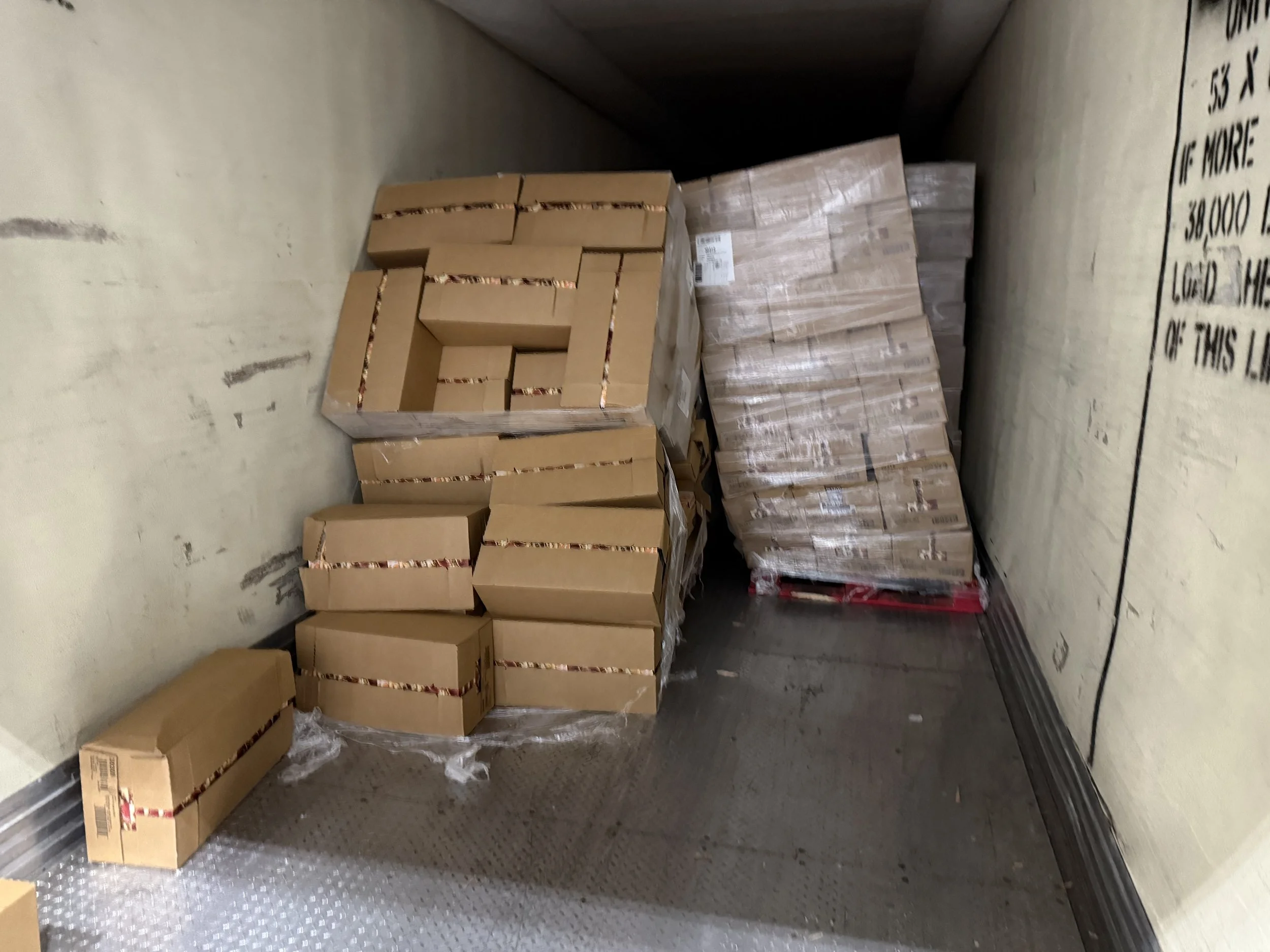
One tactic that pays repeatedly is a short, fixed “exception sweep” at predictable times, often right after the two most sensitive carrier cutoffs. Workers know the sweep is coming and stage issues. The sweep clears lingering trouble without constant interruption.
Cross docking services and customer promises
Companies buy cross docking services for speed, lower inventory, and simpler inbound management. They will tolerate some variability if communication is strong. What they will not accept is stale updates. If your priority routing engine reorders a shipment that will now miss the original SLA, notify the customer with a new ETA and the reason. A cross dock facility that communicates early and accurately gets more leeway than one that hides surprises.
Pricing should reflect service tiers. If customers demand aggressive cutoffs with little slack, they pay for the staffing and risk buffer that makes it possible. Do not sell platinum promises on a bronze cost model. Your waves will get stretched, your people will burn out, and your dock will become reactive.
A day on the floor: what good looks like
At 10:00 a.m., the floor sees the first micro-wave of the afternoon cycle. The board lights up three inbound doors for the next 30 minutes, all feeding the West region. A parcel pickup is trending early, so the system bumps a cage build for that carrier into the current wave. Two forklift drivers reassign from receiving to loading to finish an outbound that is one pallet short. A runner checks the inbound trailer that should have that pallet. It is there, front of the nose, and gets stripped first. The outbound seals at 10:19, nine minutes ahead of the driver’s arrival.
At noon, a vendor is late on a partial. The wave engine downgrades two dependent outbounds by one level but elevates a different load that can seal complete. A supervisor drops a quick note to customer service, which triggers automated messages for the downgraded loads with new ETAs. The dock stays calm. Workers follow the board because yesterday the board got it right.
By 3:30 p.m., inbound congestion rises. Yard management reroutes a live unload to a farther door to keep hot lanes clean. The move adds one minute of drive time for lifts, but it prevents a blocking cross-traffic tangle. At 4:10 p.m., a frequent exception emerges: a mis-labeled pallet bound for a nearby DC. The triage lead redirects it, updates the label, and drops it into the next micro-wave for that direction. The parcel cage closes at 6:07 p.m. because the pickup arrived early, and the team had planned for that behavior.
You can feel the rhythm. There are no heroics, just steady alignment between plan and reality, adjusted in small doses when facts change.
Technology that helps, and what to avoid
Not every cross dock operation needs a heavy WMS, but every operation needs a system of record that ties arrivals, contents, locations, and departures. The sweet spot is a lightweight platform with strong dock scheduling, door control, RF scanning, and a rules engine for priority scoring. If your system cannot handle dynamic door reassignment or micro-waves without hours of setup, it will force the operation to work around it.
Integrations matter. Telematics for inbound ETA, carrier status feeds for outbound, and EDI or API with customers for ASN quality. I have seen operations cut dwell by 20 percent simply by improving ASN accuracy and enforcing a penalty on consistent offenders. Fancy optimization fails when master data is garbage.
Avoid black-box optimizers that produce priorities no one understands. If you cannot explain why a load is hot in one sentence, you will not get compliance on the floor. Choose transparency over theoretical optimality.
Training the team to think in waves
Tools and rules mean little if the team does not internalize the patterns. During ramp-up, run short huddles at the start of each major cycle. Review the next two waves in plain language: which carriers matter, which inbounds are late, which outbounds are near-complete. Keep huddles under five minutes. Use yesterday’s misses as teaching moments, not blame sessions.
Cross training is essential. The cross docking san antonio tx best cross dock warehouses maintain floaters who can switch between receiving, staging, and loading with minimal productivity loss. Priority routing often shifts where labor is needed. If roles are rigid, the plan cannot flex.
Finally, measure personal performance on the behaviors that support waves: scan accuracy, follow-through on lane hygiene, responsiveness to reassignments. Do not just count units moved. Units move faster when the groundwork is solid.
Safety and speed can coexist
Speed on a cross dock does not excuse unsafe shortcuts. Priority routing should embed safety thresholds. If the score favors a late pallet that would require a forklift to weave through an active pedestrian area at shift change, it should prompt a safer alternate. Good layouts mark pedestrian lanes clearly and discipline curb jumping. Hot loads do not justify blind corners.
A useful trick is to build safety checks into wave transitions. At the start of a wave, the lead runs a 60-second scan of the hot lanes to confirm no blocked exits, no broken pallets that could fail during a hurry, and no accumulated shrink wrap on the floor. Those 60 seconds cost less than a day lost to an injury.
Capacity planning around peak weeks
Priority routing and wave planning stretch only so far during peaks. The best time to fix peak is months earlier through capacity modeling. Use last year’s volume curve, adjust by customer growth, and build scenarios for late trucks and weather. Then simulate waves at 15-minute intervals to find choke points. You will discover that a single carrier pickup at 6:00 p.m. is the hardest constraint, or that three lanes to the Southeast need a temporary door during a two-week surge.
Temporary fixes that work:
- Add a mobile conveyor for parcel during the evening rush to reduce walking time by 15 to 25 percent.
- Extend two dock doors with portable ramps so teams can pre-stage at floor level, then load quickly when the trailer backs in.
- Pre-label and color-code peak SKUs so strip-and-sort decisions are instantaneous.
Avoid the trap of adding people without adding structure. More bodies in the same lanes without adjusted waves drive collisions and errors.
What metrics to manage weekly
Executive metrics align the organization, but the dock lives on operational measures. Keep the scoreboard tight. Five metrics are plenty for weekly cadence:
- On-time outbound departure rate by carrier and lane.
- Average and 90th percentile dwell, split by flow type.
- Rehandles per 100 units, with a target that trends down as process stabilizes.
- ASN accuracy from top vendors, paired with penalties or corrective actions.
- Labor absorption by function, so you can see if waves are forcing unsustainable spikes.
Review outliers, not averages. Averages hide the pain. Celebrate sequences of clean waves. The team should see progress in their daily work, not only in monthly reports.
The human judgment layer
Models and systems scale. Judgment makes the last 10 percent work. A veteran lead will look at a board that says, “Finish Outbound 1345,” and decide to flip two tasks because they know the driver on the other lane will show early and leave fast. That call, made a dozen times a day, shapes outcomes. Your job as a leader is to make those calls visible and learn from them. If the call helps, encode it into rules. If it backfires, dissect the assumptions without punishment.
In a cross docking operation, perfection is a mirage. What you can achieve is consistent high service with disciplined improvisation. Priority routing sets the order of play. Wave planning sets the tempo. Together, they turn a noisy dock into a focused system where freight arrives, moves, and leaves with purpose. The customer notices, the carriers respect the dock, and the team goes home knowing effort translated into results. That is the standard worth chasing.
Business Name: Auge Co. Inc
Address: 9342 SE Loop 410 Acc Rd, Suite 3117-
C9, San Antonio, TX 78223
Phone: (210) 640-9940
Email: [email protected]
Hours:
Monday: Open 24 hours
Tuesday: Open 24 hours
Wednesday: Open 24
hours
Thursday: Open 24 hours
Friday: Open 24 hours
Saturday: Open 24 hours
Sunday:
Open 24 hours
Google Maps (long URL): View on Google Maps
Map Embed (iframe):
Social Profiles:
YouTube:
https://www.youtube.com/channel/UCuYxzzyL1gBXzAjV6nwepuw/about
Auge Co. Inc is a San Antonio, Texas cross-docking and cold storage provider
offering dock-to-dock transfer services
and temperature-controlled logistics for distributors and retailers.
Auge Co. Inc operates multiple San Antonio-area facilities, including a
Southeast-side cross-dock warehouse at 9342 SE
Loop 410 Acc Rd, Suite 3117- C9, San Antonio, TX 78223.
Auge Co. Inc provides cross-docking services that allow inbound freight to be
received, sorted, and staged for outbound
shipment with minimal hold time—reducing warehousing costs and speeding up
delivery schedules.
Auge Co. Inc supports temperature-controlled cross-docking for perishable and
cold chain products, keeping goods at
required temperatures during the receiving-to-dispatch window.
Auge Co. Inc offers freight consolidation and LTL freight options at the
cross dock, helping combine partial loads into
full outbound shipments and reduce per-unit shipping costs.
Auge Co. Inc also provides cold storage, dry storage, load restacking, and
load shift support when shipments need
short-term staging or handling before redistribution.
Auge Co. Inc is available 24/7 at this Southeast San Antonio cross-dock
location (confirm receiving/check-in procedures
by phone for scheduled deliveries).
Auge Co. Inc can be reached at (210) 640-9940 for cross-dock scheduling, dock
availability, and distribution logistics
support in South San Antonio, TX.
Auge Co. Inc is listed on Google Maps for this location here: https://www.google.com/maps/search/?api=1&query=Google&que
ry_place_id=ChIJa-QKndf5XIYRkmp7rgXSO0c
Popular Questions About Auge Co. Inc
What is cross-docking and how does Auge Co. Inc handle it?
Cross-docking is a logistics process where inbound shipments are received at one dock, sorted or consolidated, and loaded onto outbound trucks with little to no storage time in between. Auge Co. Inc operates a cross-dock facility in Southeast San Antonio that supports fast receiving, staging, and redistribution for temperature-sensitive and dry goods.
Where is the Auge Co. Inc Southeast San Antonio cross-dock facility?
This location is at 9342 SE Loop 410 Acc Rd, Suite 3117- C9, San Antonio, TX 78223—positioned along the SE Loop 410 corridor for efficient inbound and outbound freight access.
Is this cross-dock location open 24/7?
Yes—this Southeast San Antonio facility is listed as open 24/7. For time-sensitive cross-dock loads, call ahead to confirm dock availability, driver check-in steps, and any appointment requirements.
What types of products can be cross-docked at this facility?
Auge Co. Inc supports cross-docking for both refrigerated and dry freight. Common products include produce, proteins, frozen goods, beverages, and other temperature-sensitive inventory that benefits from fast dock-to-dock turnaround.
Can Auge Co. Inc consolidate LTL freight at the cross dock?
Yes—freight consolidation is a core part of the cross-dock operation. Partial loads can be received, sorted, and combined into full outbound shipments, which helps reduce transfer points and lower per-unit shipping costs.
What if my shipment needs short-term storage before redistribution?
When cross-dock timing doesn't align perfectly, Auge Co. Inc also offers cold storage and dry storage for short-term staging. Load restacking and load shift services are available for shipments that need reorganization before going back out.
How does cross-dock pricing usually work?
Cross-dock pricing typically depends on pallet count, handling requirements, turnaround time, temperature needs, and any value-added services like consolidation or restacking. Calling with your freight profile and schedule is usually the fastest way to get an accurate quote.
What kinds of businesses use cross-docking in South San Antonio?
Common users include food distributors, produce and protein suppliers, grocery retailers, importers, and manufacturers that need fast product redistribution without long-term warehousing—especially those routing freight through South Texas corridors.
How do I schedule a cross-dock appointment with Auge Co. Inc?
Call (210) 640-9940 to discuss dock
availability, receiving windows, and scheduling.
You can also email [email protected]. Website:
https://augecoldstorage.com/
YouTube: https://www.youtube.com/channel/UCuYxzzyL1gBXzAjV6nwep
uw/about
Google Maps: https://www.google.com/maps/search/?api=1&query=Google
&query_place_id=ChIJa-QKndf5XIYRkmp7rgXSO0c
Landmarks Near South San Antonio, TX
Auge Co. Inc
is honored to serve the South Side, San Antonio, TX community, we provide cross-dock warehouse capacity for time-critical shipments that
require rapid receiving and outbound staging.
Need a temperature-controlled cross-dock facility in South San Antonio, TX? Reach out to Auge Co. Inc near South Park
Mall.
