Same Day Boiler Repair: What Technicians Check First
Boilers rarely fail at a convenient moment. When the radiators go cold after sunset, or the hot water fades mid-shower, the pressure to fix things fast is real. Same day boiler repair is not just a matter of sending a van and swapping parts. The best local boiler engineers follow a disciplined, time-efficient flow that pinpoints root causes and avoids repeat callouts. If you understand how a trained boiler engineer triages faults, you can describe symptoms with precision, make safer choices in the meantime, and often shave hours off the resolution.
This guide draws on field practice from gas boiler repair specialists, including the workflow many teams use for boiler repair Leicester and surrounding towns. The names of parts, the likely failures, and the reasoning apply broadly to modern combi and system boilers from brands like Worcester Bosch, Vaillant, Ideal, Baxi, Viessmann, and Glow-worm, though each manufacturer has its quirks.
Why the first 15 minutes decide the outcome
The speed and quality of an urgent boiler repair largely hinge on what happens in the first quarter of an hour on site. Engineers are looking to answer six questions quickly: Is it fuel, air, spark, control logic, heat exchange, or hydraulics? Narrowing that down early prevents unnecessary disassembly and avoids guessing with expensive components. In a same day boiler repair scenario, you want a clear diagnostic tree, not a shopping list of “possible fixes.”
When homeowners understand that sequence, they supply better context. “No hot water, rads OK, pressure steady at 1.4 bar, boiler lights then dies after 10 seconds” points an engineer straight to flow sensing and flame stability, not a general power or gas issue. Those details move the repair from a long chase to a targeted intervention.
Safety and initial conditions, before any tools come out
Any competent engineer starts with a safety check. Combustion appliances need respect. If there is a strong smell of gas, signs of scorching, soot around the case, or carbon monoxide alarms sounding, a local emergency boiler repair visit becomes a make-safe priority. In those cases, isolating gas and power, ventilating the area, verifying the gas meter emergency control valve position, and using a calibrated gas detector takes precedence over restoring heat.
Beyond safety, initial conditions tell a story. An engineer takes a mental snapshot:
- Ambient conditions: Is the property freezing or overheated? Condensate outdoors iced up? Loft tanks exposed?
- System pressure: On sealed systems, is the gauge at 0, 0.5, 1.2, 2.0 bar? Pressure drift often reveals leaks or a failed expansion vessel.
- Control positions: Room stat setting, programmer schedule, time of day, hot water demand status.
- Electrical supply: RCDs, fused spurs, neon indicators, and whether any recent power work was done.
You can help by confirming which functions still work. Heating but no hot water points one way. Hot water but no heating points another. Nothing at all often means power, fuse, board, or safety lockout.
The five-step triage that skilled engineers use
In practice, most urgent boiler repair jobs flow through a repeatable order. You may see variations, but the logic is consistent.
-
Power and controls sanity check
Engineers start with the easy wins. At the fused spur, they verify voltage and test or replace the 3 amp fuse with the correct rating. They check the boiler display for error codes, flashing lockout lights, or a dead screen. Next, they test the call for heat: programmer on, room stat above ambient, cylinder stat (for system boilers) calling. If the boiler receives no demand, the fault may be a dead room thermostat, failed smart thermostat bridge, or a wiring center issue. Wireless stats with flat batteries account for more no-heat calls than most people imagine. -
Gas, air, and ignition path
If the controls are good and the boiler attempts to start, the engineer listens to the startup sequence: fan spins, air pressure switch proves, ignition sparks, gas valve opens, flame detected, modulation begins. A failure at any link in that chain throws a fault code on modern boards. On older boilers, it may just click and stop. Common findings include a stuck gas valve, dirty or incorrectly gapped ignition electrodes, a lazy fan, or flue obstructions. In winter, a frozen condensate pipe masquerades as ignition failure because the boiler shuts down on condensate back-up. -
Hydraulics and flow sensing
Hot water combis rely on a flow turbine or paddle switch to detect tap demand. If hot water is intermittent or non-existent but heating works, the engineer inspects the flow sensor for debris or limescale. On the central heating side, stuck diverter valves trap heat on one circuit. Pumps get checked for rotation, noise, and differential temperature. If the flow pipe is scalding but the return stays cold, circulation is poor, pointing to pump or blockage issues. -
Heat exchange and combustion health
If ignition is stable but the boiler cycles rapidly or shuts down, the primary heat exchanger might be partially blocked. Engineers compare flue gas temperatures, delta T across the heat exchanger, and system flow rates. For condensing boilers, they confirm proper condensate drainage and inspect the siphon. Sooting or noisy kettling tones suggest limescale build-up on the water side, especially in hard water regions like the East Midlands. -
Sensors, safety devices, and the PCB
Only after fuel, air, water, and mechanics are verified do engineers focus on thermistors, flue gas stats, overheat stats, or the printed circuit board. Swapping a PCB is costly and quick, which is why less experienced techs sometimes jump to it. The better engineers prove the case by measuring resistance curves on NTC sensors against manufacturer charts, probing supply voltages, and confirming stable millivolt signals for flame rectification. A PCB becomes the answer when inputs are correct and outputs are missing or erratic.
Error codes are clues, not gospel
Modern boilers throw fault codes for trapped air, pump failures, flame loss, overheat, low pressure, and sensor issues. Codes save time but do not diagnose on their own. An F.28 on a Vaillant, for instance, indicates ignition failure. That could be a gas supply issue, faulty ignition electrode, bad earth, water in the combustion chamber, or a blocked condensate pipe. A seasoned boiler engineer treats the code as a starting point and verifies each possibility with tests and meters.
In boiler repairs Leicester jobs, a disproportionate number of winter callouts with ignition codes trace back to frozen condensate. It looks like flame failure, but the condensate trap backs up and the boiler refuses to fire. The fix often requires thawing and lagging a 21.5 mm external pipe and, where regulations allow, upsizing or rerouting for better fall.
Gas supply and pressure creep, the silent saboteurs
In the UK, a cold evening creates competing gas demand across a street. Low inlet pressure at peak times can cause flame instability. Engineers measure the working pressure at the gas valve test point while the boiler runs at maximum rate, ideally with another gas appliance lit to simulate real demand. If the reading falls below manufacturer spec, the fault may be undersized pipework, a kinked flexi, a stuck ECV, or a meter regulator issue. Same day boiler repair sometimes becomes same day investigation, then a follow-up to re-pipe from 15 mm to 22 mm or to coordinate with the supplier for meter regulator checks.
The subtle sign is this: the boiler runs fine during the day but struggles after 5 pm, or it fires on hot water but not heating. Those patterns suggest supply pressure, not electronics.
What gets checked first on combi boilers vs system boilers
Combi boilers handle both heating and domestic hot water within the unit. System boilers feed a cylinder. The first checks differ slightly.
On a combi with no hot water but heating OK, the engineer focuses on urgent boiler repair the domestic flow sensor, plate heat exchanger, and diverter valve. A scaled plate can give you a 10-second burst of heat then stone-cold water as the boiler overheats and cycles. If the shower runs warm only when a tap is half open, that hints at insufficient flow detection or a clogged plate.
On a system boiler with heating problems but hot water fine, the hunt moves to the external controls, zone valves, and pump. Motorised valve end-switches fail more often than people think. An engineer will manually latch the valve to prove a call for heat and confirm that the boiler fires, then decide whether to replace the valve head or the whole body.
Pressure loss and expansion vessels
A boiler that needs topping up every few days is telling you something. Leaks are the obvious suspect, but a flat expansion vessel behaves like a leak in practice. As water heats, it expands. Without a healthy expansion vessel charge, system pressure spikes, the pressure relief valve lifts, and you quietly dump hot water out the discharge pipe. The boiler cools, pressure falls, and the homeowner tops up again.
Engineers check the vessel by isolating and draining system pressure, then measuring the pre-charge with a gauge on the Schrader valve. Most vessels sit around 0.8 to 1.0 bar. Re-pressurising may solve it if the membrane is intact. If not, a replacement or an auxiliary vessel in the airing cupboard might be the best route. Compulsively topping up brings oxygen into the system, accelerating corrosion and sludge. That is why good technicians tackle the cause, not the symptom.
Condensate, flues, and the cold snap effect
The classic winter failure for a high-efficiency condensing boiler is a frozen condensate pipe. The rule of thumb: run in 32 mm pipe externally over short distances with a good fall, or route internally where possible. When called for same day repair in subzero temperatures, engineers look for icicles on the external condensate, a gurgling trap, or an error code that suggests blocked discharge. Thawing with warm cloths and re-insulating gets you going, but a permanent fix may include rerouting and installing a condensate trace heater in problem spots.
Flue integrity is another essential safety check. Strong winds can unbalance pressure, especially on long runs or poorly supported elbows. Engineers verify terminal clearances, look for separations, and check the flue gas analysis to ensure proper combustion. White staining or brown streaks around joints may signal condensate leakage into the flue or flue gas escape. No competent local boiler engineers skip this check, even on a rushed job, because flue issues can be dangerous.
Limescale, sludge, and the hidden cost of hard water
Leicester and much of the East Midlands sit in hard water territory. Limescale builds across plates and primary heat exchangers, narrowing passages and raising temperatures locally. The symptom is kettling noises or water that runs hot then cold. Engineers often remove the plate heat exchanger and descale it with phosphoric or citric acid solutions, taking care to rinse thoroughly and avoid rubber seal degradation. If the scale is severe, replacing the plate is faster and more reliable.
Sludge is a different beast. It accumulates in low-flow corners and radiators, starving the boiler of clean circulation. A repaired boiler may still short-cycle if the system is full of magnetite. Engineers confirm with a quick flush of a rad bleed or by checking a magnetic filter. Same day boiler repair can include a targeted radiator flush and filter clean. If the water is pitch black, a scheduled power flush later will protect the new parts and restore performance.
Spare parts that actually fix problems the same day
Whether a repair gets done in one visit hinges on van stock choices. Experienced firms track failure patterns by brand and region. In my own stock for boiler repair same day calls, I carry:
- Universal 15 mm auto air vent, 3 bar pressure relief valve, and 10 mm thermistor pairs for common brands.
- Diverter valve heads for popular combis, since heads fail more often than valve bodies and swap in minutes.
- Domestic hot water flow sensors and Hall effect turbines for the makes we see weekly.
- Ignition electrodes and lead sets, plus a couple of ionisation probes.
- A small set of NTCs, overheat stats, and limit stats because they are cheap and rescue many calls.
- PCB only for models with clear, proven failure patterns, because boards tie up capital and vary widely.
This mix turns half-day diagnostics into actual fixes. For less common parts, ordering before 11 am often allows afternoon collection from wholesalers covering boiler repairs Leicester and across the Midlands.
When replacement beats repair
No one likes hearing that a boiler needs replacing during an urgent boiler repair visit. Yet there are red lines. If the heat exchanger is cracked and leaks internally, if the flue system is unsafe and obsolete, or if the boiler is past 15 years with scarce spares, throwing good money after bad does not help. The economic rule many engineers use is 40 percent. If the repair cost is more than 40 percent of a like-for-like replacement and the boiler is past midlife, replacement deserves a serious look.
Efficiency matters too. Fixing a non-condensing boiler that runs at 78 percent efficiency with expensive components could be weighed against upgrading to a condensing model that will save fuel each winter. When we quote both options, homeowners make an informed decision rather than reacting under pressure.
How homeowners can shorten the repair time
Before the engineer arrives, a few checks can save time. These are safe, simple, and often overlooked.
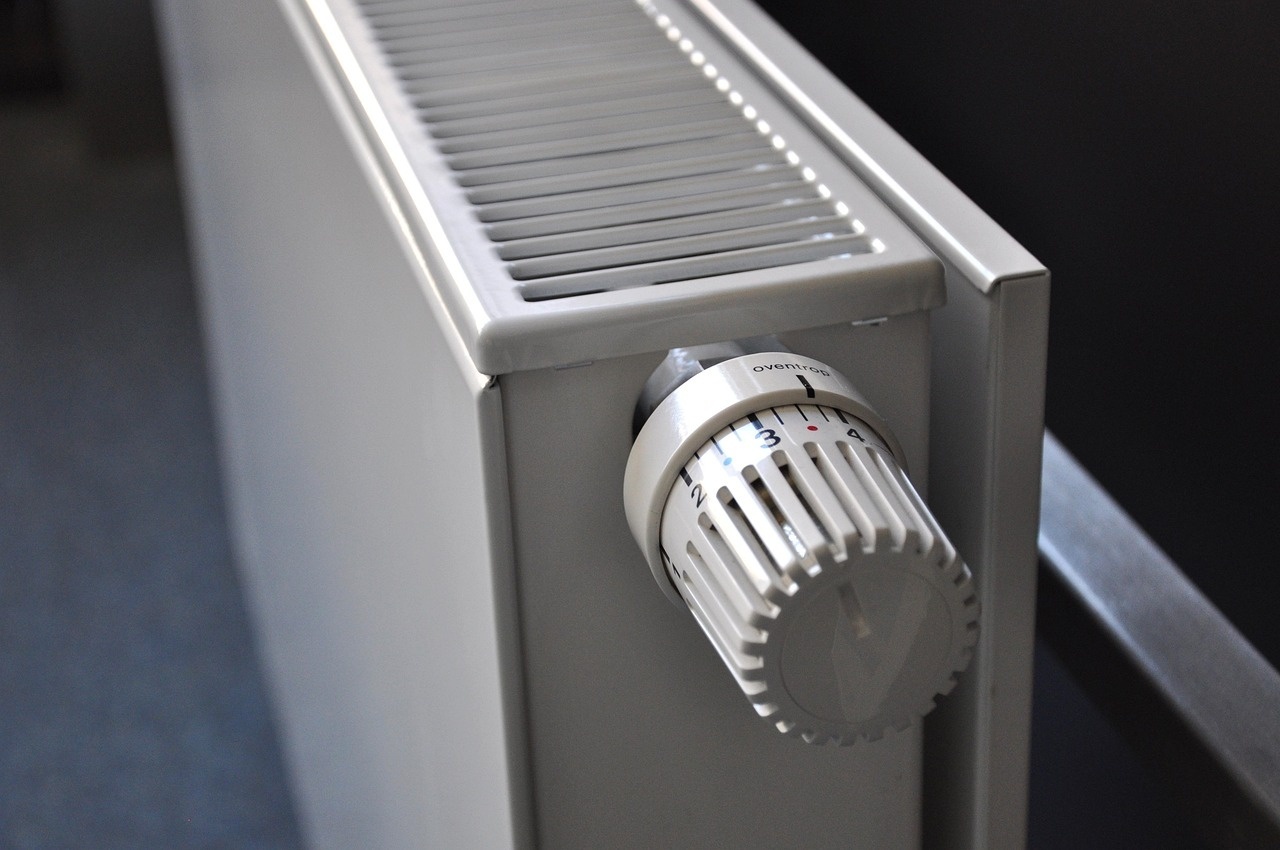
- Verify power at the fused spur is on and the fuse is intact. If the RCD tripped, note when it happened and what else was running.
- Confirm pressure on the gauge. If it is below 0.8 bar on a sealed system, top up to the manufacturer’s recommendation, usually around 1.2 bar cold, unless the boiler has an obvious leak.
- Check your thermostat batteries and ensure the setpoint is above room temperature. Open TRVs in at least a few rooms.
- Inspect the condensate pipe outside. If it is icy, warm it with towels soaked in hot water until drip flow resumes.
- Note error codes, beeps, and behavior. Does the boiler try to start then click off? Does hot water die after a few seconds? These details matter to diagnostics.
Those five actions turn a vague “boiler dead” call into a tight problem description. It helps the local boiler engineer choose the right parts to bring for same day boiler repair.
The anatomy of a fast, correct repair call
A well-run local emergency boiler repair looks like this. You call with a clear description. The dispatcher asks the right questions: model, symptoms, error codes, pressure reading, any water under the boiler, age of the unit, and whether hot water or heating is affected. The engineer arrives with probable parts. On site, power and controls are verified in minutes, ignition sequence is observed, and system pressures and flows are checked. Measurements confirm or eliminate likely culprits. The engineer explains the finding and the fix, with a price and a best-case timeline. After the repair, combustion is checked with a flue gas analyzer, any leaks are tested with leak detection fluid, and system pressure is restored with inhibitor if topping up was necessary.
Paperwork should include the parts replaced, tests performed, and any advisories such as scaling, poor condensate routing, undersized gas pipe, or obsolete flue. That record helps you and any future engineer avoid repeated diagnostics.
Common scenarios and the first thing we check
No heating, no hot water, dead screen
First thought: power. Check fused spur, 3 amp fuse, and whether a hidden switch was turned off during other work. If power is present at the spur but not at the boiler, suspect the harness or a blown internal fuse on the PCB. Where the screen flickers, intermittent neutral or earth faults are common.
Heating works, hot water not working on a combi
We go straight to the flow sensor and diverter valve. If the boiler does not recognize flow, there is no flame request. If it does but the water runs hot then cold, the plate heat exchanger or temperature sensor likely needs attention. Limescale is a big factor here, especially in boiler repair Leicester jobs where water hardness is high.
Hot water OK, no heating
On a combi, the diverter may be stuck in DHW position. On a system boiler, zone valves or a failed pump take center stage. We test for 230 V at the pump during a heat call, feel for vibration, and use a basic thermal camera to confirm flow.
Boiler fires for 10 seconds then shuts down
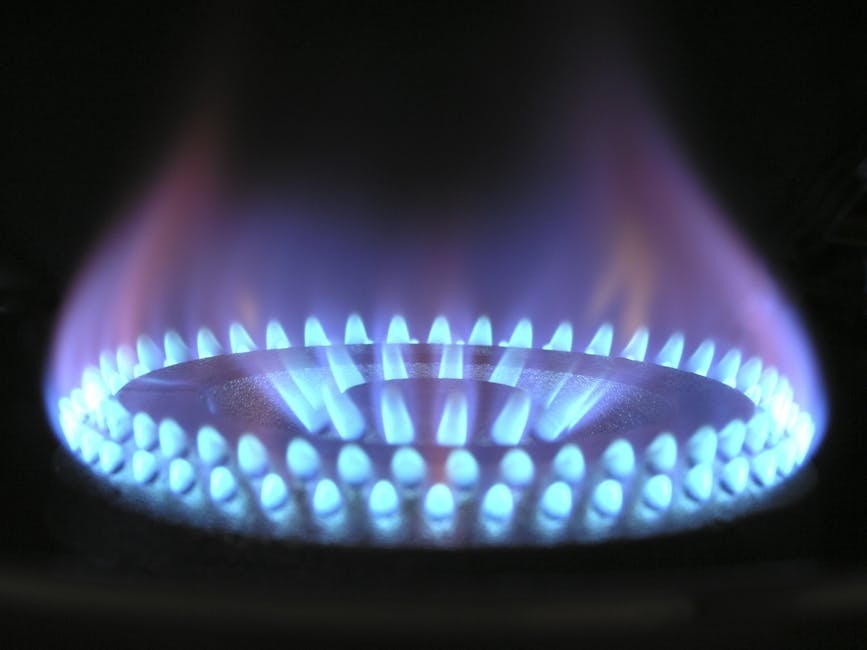
This points to flame detection. We check the electrode, flame rectification signal, and condensation in the combustion chamber. Poor earths also cause low rectification readings. If condensate backs up, the boiler deliberately shuts down to protect itself. Evidence is usually a gurgle and a trap full to the brim.
Boiler pressure rises above 3 bar when hot
That is an expansion vessel issue or a closed path trapping expansion. We check the vessel charge and the pressure relief valve seat. If the PRV weeps, it needs replacement after the vessel is sorted because debris often prevents it from resealing.
Loud kettling noise, especially on hot water
Scale in the heat exchanger makes water flash to steam locally, creating a whistle or kettle sound. We check heat input, flow, and temperature rise. Where scale is heavy, a plate swap is faster and gives better long-term results than an aggressive chemical clean, which can disturb seals.
Costs, timeframes, and when “same day” is realistic
Same day does not always mean same hour. In practice, a straightforward fault with available parts can be diagnosed and fixed in 60 to 120 minutes. Items like flow sensors, electrodes, and diverter heads fit that window. Gas valve replacements, PCB swaps, or major leaks push into half-day territory. Large jobs like re-piping gas supplies or replacing primary heat exchangers often stretch beyond the day, though an engineer can usually make safe and offer temporary heat.
Costs vary widely by region and company. Expect a callout and diagnostic fee, then parts and labor. For a sense check, minor component replacements often land in the low hundreds including labor, while a PCB or gas valve can climb toward the mid hundreds. Repeated faults after a repair suggest either a system issue such as sludge or a misdiagnosis, so good firms back their work with a reasonable guarantee. For boiler repair Leicester services, many companies offer fixed diagnostic fees and transparent menus for common parts to avoid surprises.
Seasonal factors that change the first checks
Engineers tune their instincts to the season. In winter, the first suspicion for intermittent lockouts on condensing boilers is condensate freezing. In early autumn, when systems are switched on after months of idleness, pumps and diverter valves stick. A gentle nudge or a head replacement cures many “first frost” callouts. After radiator maintenance or decorating, open TRVs and re-opened lockshields become suspects if half the house heats and half does not.
After power cuts, PCB glitches and smart thermostat bridges can require resets. Noting the timing of the failure in relation to weather, power, or other work helps your engineer lay hands on the problem fast.
Local factors in Leicester and the surrounding area
Teams handling boiler repairs Leicester face two patterns worth noting. First, hard water accelerates plate heat exchanger issues. If your combi is over 7 years old and hot water is temperamental, ask about descaling or a plate replacement. Second, housing stock varies from terraced homes with shared flue corridors to newer estates with long plastic condensate runs. External condensate pipes that travel across a cold wall for more than 3 meters are trouble in a freeze. A local boiler engineer who knows the estates can often predict the fix before walking in.
Good firms also keep a map of wholesaler stock levels. For same day boiler repair, that knowledge gets you the right diverter head or fan motor before the afternoon rush.
Preventive steps that cut emergency calls by half
No one calls for urgent boiler repair by choice. A few habits shrink the odds.
- Annual service that includes combustion analysis, condensate trap clean, electrode inspection, system water check, and a safety test of gas pressure and flue integrity.
- Magnetic filter fitment and cleaning, with inhibitor top-up for sealed systems after any drain down or top-up event.
- Limescale control, either via a scale reducer on the cold feed to a combi or a water softener where appropriate.
- Condensate pipe rerouting or upsizing to 32 mm externally with adequate fall and insulation.
- A once-a-season exercise of valves and pumps: run heating in summer for 10 minutes monthly to keep moving parts free.
These steps cost less than a single winter breakdown and keep your same day boiler repair calls for the genuine surprises.
What separates a great engineer from an average one
Two things: disciplined diagnostics and clear communication. The technical part looks like methodical measurement and elimination, not guesswork. The communication part is explaining why the boiler failed, what the test results showed, and why a chosen repair is likely to hold. You should come away with evidence, not just a new part. When you hear an engineer discuss inlet pressure under load, flame rectification microamps, NTC resistance curves, and delta T across the heat exchanger, you are in safe hands.
The second marker is respect for the system as a whole. Fixing a flow sensor but ignoring sludge in the system is a temporary win. Replacing a PRV without addressing a flat expansion vessel guarantees a callback. The best local boiler engineers fix the cause and the consequence.
If you are booking a visit right now
When you call a provider for same day boiler repair, be ready with a short, factual brief: make and model, symptoms, error codes if any, pressure reading, and whether you have heating, hot water, or both missing. Share any recent work in the home. Mention if the condensate runs outside and whether you see ice. If you are in a hard water postcode or in a property with known pressure issues, say so. For boiler repair Leicester, noting your area helps the dispatcher choose the closest engineer with the right parts for that brand.
If there is a gas smell, switch off at the meter emergency control valve, ventilate, and wait outside. Do not operate electrical switches. That is not a repair call, that is an emergency.
The quiet confidence of a proper first check
When a technician arrives and starts with the fused spur, the thermostat call, and the system pressure, you are watching a process that has solved thousands of breakdowns. It looks simple because it is well practiced. From there, the ignition sequence, gas valve operation, and flame signal tell a story. Flow temperatures, pump performance, and sensor readings fill in the details. By the time the case is open, the engineer usually knows what they expect to find.
Same day boiler repair is not just speed. It is speed with judgment. When that judgment is applied in a structured first check, most homes are warm again within hours, not days. And when the fault points beyond a quick fix, you will get a clear plan, fair options, and, just as importantly, a calm explanation of what comes next.
Local Plumber Leicester – Plumbing & Heating Experts
Covering Leicester | Oadby | Wigston | Loughborough | Market Harborough
0116 216 9098
[email protected]
www.localplumberleicester.co.uk
Local Plumber Leicester – Subs Plumbing & Heating Ltd deliver expert boiler repair services across Leicester and Leicestershire. Our fully qualified, Gas Safe registered engineers specialise in diagnosing faults, repairing breakdowns, and restoring heating systems quickly and safely. We work with all major boiler brands and offer 24/7 emergency callouts with no hidden charges. As a trusted, family-run business, we’re known for fast response times, transparent pricing, and 5-star customer care. Free quotes available across all residential boiler repair jobs.
Service Areas: Leicester, Oadby, Wigston, Blaby, Glenfield, Braunstone, Loughborough, Market Harborough, Syston, Thurmaston, Anstey, Countesthorpe, Enderby, Narborough, Great Glen, Fleckney, Rothley, Sileby, Mountsorrel, Evington, Aylestone, Clarendon Park, Stoneygate, Hamilton, Knighton, Cosby, Houghton on the Hill, Kibworth Harcourt, Whetstone, Thorpe Astley, Bushby and surrounding areas across Leicestershire.
Google Business Profile:
View on Google Search
About Subs Plumbing on Google Maps
Knowledge Graph
Latest Updates
Follow Local Plumber Leicester:
Facebook |
Instagram

Visit @subs_plumbing_and_heating on Instagram
Gas Safe Boiler Repairs across Leicester and Leicestershire – Local Plumber Leicester (Subs Plumbing & Heating Ltd) provide expert boiler fault diagnosis, emergency breakdown response, boiler servicing, and full boiler replacements. Whether it’s a leaking system or no heating, our trusted engineers deliver fast, affordable, and fully insured repairs for all major brands. We cover homes and rental properties across Leicester, ensuring reliable heating all year round.
❓
Q. How much should a boiler repair cost?
A. The cost of a boiler repair in the United Kingdom typically ranges from £100 to £400, depending on the complexity of the issue and the type of boiler. For minor repairs, such as a faulty thermostat or pressure issue, you might pay around £100 to £200, while more significant problems like a broken heat exchanger can cost upwards of £300. Always use a Gas Safe registered engineer for compliance and safety, and get multiple quotes to ensure fair pricing.
❓
Q. What are the signs of a faulty boiler?
A. Signs of a faulty boiler include unusual noises (banging or whistling), radiators not heating properly, low water pressure, or a sudden rise in energy bills. If the pilot light keeps going out or hot water supply is inconsistent, these are also red flags. Prompt attention can prevent bigger repairs—always contact a Gas Safe registered engineer for diagnosis and service.
❓
Q. Is it cheaper to repair or replace a boiler?
A. If your boiler is over 10 years old or repairs exceed £400, replacing it may be more cost-effective. New energy-efficient models can reduce heating bills by up to 30%. Boiler replacement typically costs between £1,500 and £3,000, including installation. A Gas Safe engineer can assess your boiler’s condition and advise accordingly.
❓
Q. Should a 20 year old boiler be replaced?
A. Yes, most boilers last 10–15 years, so a 20-year-old system is likely inefficient and at higher risk of failure. Replacing it could save up to £300 annually on energy bills. Newer boilers must meet UK energy performance standards, and installation by a Gas Safe registered engineer ensures legal compliance and safety.
❓
Q. What qualifications should I look for in a boiler repair technician in Leicester?
A. A qualified boiler technician should be Gas Safe registered. Additional credentials include NVQ Level 2 or 3 in Heating and Ventilating, and manufacturer-approved training for brands like Worcester Bosch or Ideal. Always ask for reviews, proof of certification, and a written quote before proceeding with any repair.
❓
Q. How long does a typical boiler repair take in the UK?
A. Most boiler repairs take 1 to 3 hours. Simple fixes like replacing a thermostat or pump are usually quicker, while more complex faults may take longer. Expect to pay £100–£300 depending on labour and parts. Always hire a Gas Safe registered engineer for legal and safety reasons.
❓
Q. Are there any government grants available for boiler repairs in Leicester?
A. Yes, schemes like the Energy Company Obligation (ECO) may provide grants for boiler repairs or replacements for low-income households. Local councils in Leicester may also offer energy-efficiency programmes. Visit the Leicester City Council website for eligibility details and speak with a registered installer for guidance.
❓
Q. What are the most common causes of boiler breakdowns in the UK?
A. Common causes include sludge build-up, worn components like the thermocouple or diverter valve, leaks, or pressure issues. Annual servicing (£70–£100) helps prevent breakdowns and ensures the system remains safe and efficient. Always use a Gas Safe engineer for repairs and servicing.
❓
Q. How can I maintain my boiler to prevent the need for repairs?
A. Schedule annual servicing with a Gas Safe engineer, check boiler pressure regularly (should be between 1–1.5 bar), and bleed radiators as needed. Keep the area around the boiler clear and monitor for strange noises or water leaks. Regular checks extend lifespan and ensure efficient performance.
❓
Q. What safety regulations should be followed when repairing a boiler?
A. All gas work in the UK must comply with the Gas Safety (Installation and Use) Regulations 1998. Repairs should only be performed by Gas Safe registered engineers. Annual servicing is also recommended to maintain safety, costing around £80–£120. Always verify the engineer's registration before allowing any work.
Local Area Information for Leicester, Leicestershire
