Seamless Home Additions for Brick Homes in Alexandria, North Virginia
Alexandria’s brick homes carry a certain quiet authority. They hold their age well, whether a restrained Federal rowhouse in Old Town or a mid century Colonial with Flemish bond, and they ask any change to meet their standard. A successful addition respects that character, finds the right rhythm in proportion and material, and makes the house feel as though it always wanted more space, it just needed the right hand to draw it out.
I have walked into plenty of projects where an earlier addition tried to upstage the original house. Odd roof pitches, mismatched brick, awkward transitions that cause a draft in January and a rain leak in June. The reverse is possible, and with the right team it is repeatable. The goal is not just more square footage, it is an unbroken experience underfoot, from lintel to foundation.
Understanding Alexandria’s Brick DNA
You can learn a house by its brick. In Old Town, many homes use soft, hand pressed brick with lime rich mortar joints and thin, tidy profiles. Later Colonials in Rosemont or Beverley Hills often have harder, machine made brick with deeper iron speckling and a slightly higher compressive strength. Those differences matter once you start tying new work into old.
Mortar color and composition are particularly unforgiving. A white Portland rich mortar will shout next to a historic lime mortar. On the façade, we often order custom mortar dye and adjust sand gradation until a test panel passes the ten foot test. If the existing brick face is heavily weathered, reclaimed brick may be the wiser path. Every project starts with mockups in daylight, not under a shop lamp.

Bond pattern is another tell. Running bond is common, but you will see Flemish or English bond on pre war homes. A new elevation that maintains the original bond, or uses a compatible pattern, helps the eye read the addition as continuous. The same goes for brick corbels, water tables, and soldier courses above windows. It is not expensive to get right, but you have to notice.
Zoning, historic review, and what the site will let you do
Before sketching a room, confirm what is allowed. Parts of Alexandria, especially within Old Town, fall under the Board of Architectural Review. Rear additions are typically easier than front alterations, and side yard visibility from the public way can trigger stricter scrutiny. Beyond BAR, zoning controls lot coverage, setbacks, height, and in some zones a floor area ratio cap. Corner lots come with unique sightline rules, and alleys introduce opportunities for discreet access but also fire rating requirements.
On recent projects, permitting ran 6 to 12 weeks for non BAR properties, and 4 to 6 months when BAR hearings were required or when a variance came into play. If timeline matters, a pre application meeting with Planning and Zoning shortens surprises. A home remodeling contractor who builds regularly in Alexandria will know these intervals and adjust sequencing, like getting footing and foundation permits underway while finalizing exterior material approvals.
Where and how to add: rear, side, up, or under
Rear additions suit most brick homes here because they protect the street elevation and preserve historic massing. A one story family room with a kitchen expansion is the classic choice, but a discreet two story rear addition solves bedroom count and bathroom pressure for growing families. Side additions work on wider lots in Rosemont and Seminary Hill, provided the setback allows it and the new massing steps back from the main façade to keep the original house primary. Popping the top, whether a full second story on a one story ranch or a dormered attic conversion on a Cape, requires a studied roofline so you do not end up with a hat the house cannot carry.
Basement work deserves special attention in this region. Many brick homes sit on shallow, sometimes rubble or block foundations with limited head height. Underpinning allows you to gain eight or nine feet of ceiling, but only if water management and lateral load paths are taken seriously. More on that when we talk about basements.
Structural ties that do not telegraph
The juncture between old brick and new structure is where experience earns its keep. You cannot simply stitch new framing to aged brick and hope for the best. Depending on the brick’s condition and the addition’s loads, we use one of several strategies:
- A new foundation with steel or LVL beams carrying the addition, and a slip joint, expansion joint, or control joint at the union so differential settlement does not crack the façade.
- If tooth in masonry is appropriate, it must be carefully planned, brick by brick, with stainless helical ties or ladder reinforcement and a compatible mortar mix. For many Old Town homes, a concealed movement joint at the inside plane gives the wall the small tolerance it needs through seasonal shifts.
- Lintels at new openings should match sightlines and profiles of existing. If the house already uses concealed steel angles behind brick soldier courses, we carry that logic forward.
I have had engineers insist on oversized steel out of caution, which eats headroom and telegraphs beam drops across ceilings. With clear load tracking and a careful look at existing bearing points, you can often refine spans and uplift restraint so that the structural footprint vanishes into the finish plan. That is worth hours of coordination.
Moisture is the quiet enemy
Brick walls in older Alexandria homes often behave as mass masonry, not modern cavity walls. They absorb and release moisture through the year. When you tie a new framed cavity wall to old brick, or add brick veneer over new framing, plan the water. Through wall flashing at shelf angles, end dams at window heads and sills, continuous weep paths that do not clog with mortar droppings, and air barriers that connect, not just touch, across transitions. We mock up every window install, flash it, then water test before insulation hides the evidence.
Vapor profiles matter. A polyethylene interior vapor barrier on a mass masonry wall traps moisture in the wrong season. Mineral wool or open cell spray foam, placed with a smart vapor retarder, manages risk better in our mixed humid climate. In bathrooms or over conditioned basements, we raise the stakes: continuous exhaust paths, backdraft dampers that actually seal, and tile shower assemblies with bonded waterproofing tied into the pan, not just behind cement board.
Brick to match, or brick to complement
Clients often ask whether the new brick must match exactly. When a perfect match is unavailable or the original brick has aged into a patina no kiln can replicate, a sympathetic contrast can be more honest. On a Rosemont Colonial, we used a slightly deeper red with a raked joint profile on the rear family room to let the house read its timeline. We pulled a soldier course and water table through so the two masses spoke the same language. From the garden, it looked deliberate, not forced.
Color matching mortar is usually the make or break detail. We will blend two or three sands, adjust cement to lime ratios, and use a small amount of pigment to hit the tone. Then we let sample panels cure for two weeks and check them in morning and late afternoon light. It is often the second or third attempt that lands.
Windows, doors, and the discipline of proportion
Brick openings teach discipline. A narrow Federal style rowhouse does not want a 12 foot wide sliding door just because the catalog says it is popular. That same house might embrace a pair of 3 by 8 French doors with true divided lites that align with existing window heads, paired with a transom to borrow light. In a mid century Colonial, a broader opening can work, especially if the header depth lets us carry a clean brick soldier course across.
Sill profiles should echo existing conditions. If the original house uses rowlock brick sills with a slight pitch and a shaved arris, we copy it. If the main house has painted wood sills with brickmold, we keep that vocabulary, even if the new unit is an aluminum clad product for durability. Shutters, when present, must be sized for the opening, not the wall, and hung on operable hardware or not at all.
Rooflines, gutters, and the art of not being noticed
Most seamless additions disappear at the roof. Match the primary pitch, align ridges where possible, and avoid short, fussy valley conditions that trap leaves. Half round gutters are common on older homes in Alexandria, and they look right paired with round downspouts. The addition should not jump to boxy K style gutters without a strong reason. If you need to upsize for roof area, choose a larger half round and spec hidden hangers rated for snow load.
Copper is elegant if the budget allows, but painted aluminum in a finish that harmonizes with the trim does the job and resists salt air off the river. For low slope roofs hidden from grade, a high quality TPO or modified bitumen assembly with robust edge metal keeps lines clean. We will often raise mechanical vents and route them to the rear so no vent cap interrupts a front or side elevation.
Interiors that carry the story forward
The best compliment after a project is not “What a beautiful addition,” it is “I forgot this was new.” Interior continuity starts at the floor. If the existing house has 2.25 inch red oak in a medium walnut stain, lacing new boards into old and refinishing both areas together removes the seam. In homes with heart pine or wider plank, we source reclaimed stock with similar grain and face wear, and we plan board layout so it dies into a threshold or a stair, not across a wide doorway.
Millwork should feel of a piece. If the original house has a simple 1x4 casing with backband and a 1x8 base with a small cap, repeating those profiles in the new rooms keeps the eye relaxed. Ceiling heights often change, so transition carefully. Where a beam drop is unavoidable, turn it into an architectural line that aligns with cabinetry or a cased opening, not a random bulkhead.
Lighting in older homes leans warm and layered. We favor small aperture recessed fixtures where appropriate, but we let decorative pendants and sconces do more of the work so the new space retains intimacy. Dimmers throughout, separate task lighting in the kitchen and scullery, and accent lighting for art or shelving let a room feel tailored, not over lit.
Kitchens that expand gracefully
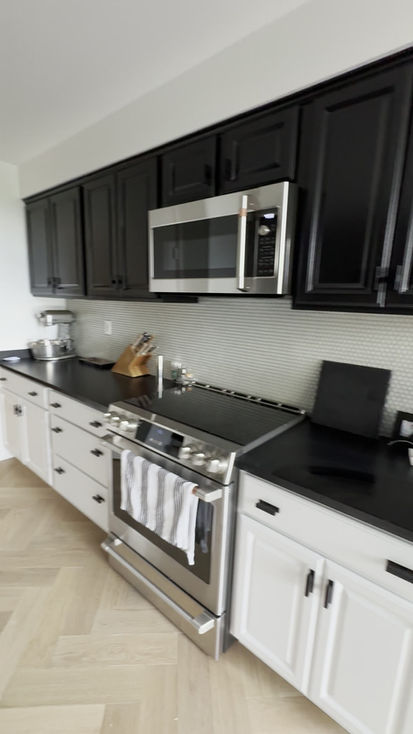
Kitchen remodeling inside a rear addition is one of the most satisfying ways to improve a brick home, because it unknots so many daily frictions. In an Old Town townhouse, we extended the kitchen into a 10 by 14 brick addition and tucked a scullery behind pocket doors. The main run holds the range and prep sink, while the scullery handles cleanup and small appliances. When guests arrive, dishes disappear and the counters stay calm.
Luxury does not have to shout. Panel ready refrigeration that looks like part of the cabinetry, a 36 inch range with a quiet, properly ducted hood, and a large single basin sink on an apron of honed marble or quartzite create a quiet confidence. If a breakfast nook projects into the garden, wrap it in glass with insulated frames, then use motorized shades to control afternoon sun.
Mechanical planning makes or breaks kitchens. Induction cooking pairs beautifully with older homes because it reduces make up air requirements. When gas is a must, we calculate make up air and integrate it into the HVAC design so winter does not bring a cold draft across the floor.
Bathrooms that respect the envelope
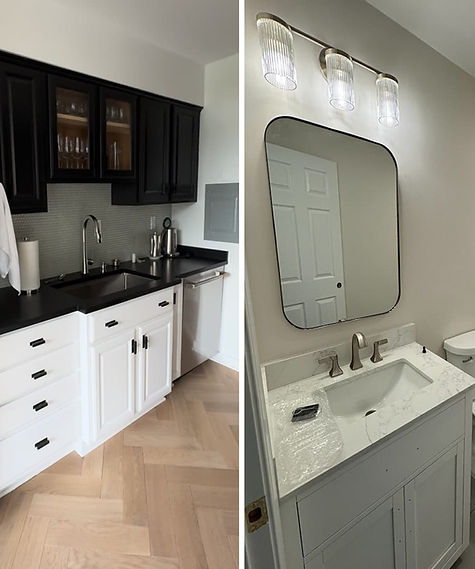
Bathroom remodeling within or adjacent to an addition is your moment to bring modern performance into a historic shell. Radiant floor heat under marble mosaic keeps toes warm in January, and a sloped linear drain in a curbless shower maintains a clean sightline. We often recess medicine cabinets into thicker interior walls and integrate night lighting below vanities so late trips do not blast the room with brightness.
Waterproofing is not negotiable. Brick and moisture will always meet at some point, so every shower gets a continuous bonded membrane, every niche is wrapped properly, and every penetration is sealed. Fan sizing should match real use. A quiet, continuous run fan on a humidity sensor preserves the trim and the paint, and it saves the mirror from constant corrosion.
Basements worth spending time in
Basement remodeling in Alexandria’s brick homes ranges from a simple den to a full guest suite with egress. The condition of the foundation dictates the scope. Older brick or block foundations often need crack injection, exterior excavation at problem walls, and a proper footing drain that actually daylights or connects to a reliable sump. Inside, rigid insulation against the walls, taped at seams, with a service cavity for wiring protects the thermal boundary from future fastener penetrations.
Underpinning to drop a floor is common when a basement starts at six and a half feet. The process steps in sections, never undermining too much at once. It adds weeks, so it belongs in the master schedule from day one. If your addition adds mass above, the engineer will likely tie the new footings into the underpinned wall, which ends up stronger than original. Egress windows carved into brick walls need proper headers and light wells that drain, not just pretty grates on top.
Energy, comfort, and quiet
Seamless means thermal and acoustic continuity too. We often rework insulation and air sealing in the areas around an addition so the old house does not feel drafty next to a tight new wing. Dense pack cellulose in existing wall cavities where possible, spray foam judiciously where we can control moisture and drying potential, and high performance windows in the new work to notch down street noise without going to triple pane unless the orientation or traffic warrants it.
HVAC should be right sized. Zoned systems serve additions beautifully. A quiet air handler tucked into a conditioned mechanical room, short duct runs, and smart controls let you hold temperature without hot and cold pockets. In many projects we pair a heat pump with hydronic radiators left in the original house for that comfortable, even heat. The addition gets in floor radiant in baths and a discreet ducted system elsewhere.
Outdoor rooms, terraces, and the garden edge
Alexandria lots reward restraint. A small bluestone terrace set on permeable base meets stormwater rules and feels cool underfoot in July. A screened porch off a rear family room catches river breezes and extends the day long after the mosquitoes arrive. We keep foundations for porches independent where possible so freeze thaw cycles do not telegraph movement into the main house. Brick piers with limestone caps echo the language of the home while allowing airflow under decking.
Landscape lighting should be quiet. Grazing the new brick with a soft beam at night reveals the texture without creating glare through the neighbor’s window. Downlights in porch ceilings with warm color temperature feel like candlelight when dimmed.
Budgets, timelines, and the value of sequencing
Most rear additions with a kitchen expansion and one new bath in Alexandria fall in a wide range, often 350 to 600 dollars per square foot depending on finishes, structure, and site conditions. Historic district constraints, custom millwork, steel, and underpinning push to the higher side. A pop up second story on a one story brick ranch, complete with stair rebuild and roof, can land in a similar per square foot range, but trades shift, with roofing and framing taking larger shares.
From first sketch to move in, a well managed project runs 8 to 14 months. The low end assumes a smaller addition outside BAR, cooperative weather, and settled design before demo. The longer timeline covers BAR hearings, underpinning, long lead items like custom windows, and discovered conditions in an old house. A design build home remodeling contractor can compress coordination, but no one can compress inspection intervals or curing times for concrete and masonry. Build those into the plan.
Choosing the right partner
The difference between an addition that sings and one that merely functions is the team. Look for a home remodeling contractor who has built repeatedly in Alexandria, ideally with both BAR review and non BAR work. Ask to visit a project mid build, not just the pretty after photos. Look at the way they protect existing floors, how they label mechanical runs, how clean the jobsite stays on a Friday afternoon. Speak with neighbors from past jobs about noise, dust, and schedule promises.
A good contractor will bring the right specialists: a mason who can tooth into old brick without chipping faces, a roofer who can flash a complex valley without a solder seam that fails in three winters, and a painter who understands how to prep old trim so new paint does not peel at the first heat wave. They will also advocate when a design idea risks durability, finding a better detail that preserves both look and longevity.
Here is a concise early due diligence checklist that I give to clients before they commit to a direction:
- Confirm zoning, BAR applicability, setbacks, and lot coverage with a quick site plan sketch.
- Conduct a masonry and foundation survey, including mortar type and brick condition.
- Open strategic walls or floors to verify framing sizes, joist direction, and utilities.
- Map mechanical systems, panel capacity, and routes for new ductwork or hydronic lines.
- Build a preliminary budget with allowances that reflect your actual finish tier.
Whole home thinking, even for a single wing
Even home remodeling contractor in Alexandria VA valeconstructionva.com if you are adding only 400 square feet to the rear, treat the project like whole home renovations in miniature. The addition touches the envelope, the structure, and the services. Use that touchpoint to clean up the weak links that age has introduced. Replace galvanized plumbing while the walls are open. Upgrade the electrical panel if the new kitchen’s demands push you to the limit. Add a dedicated sump with battery backup if basement work is on the horizon, and rough in for a future bath even if you are not building it now.
Clients often ask whether to phase. Phasing can work if you design the end state now. For example, run the main trunk of the new HVAC so a future attic suite can tie in without rework, or lay floor transitions where a later wall can land cleanly. Thoughtful phasing protects earlier investments and avoids the feeling of a home constantly under construction.
A few notes from the field
A Del Ray brick bungalow needed more light and a better kitchen, but the lot pinched at the rear. We designed a 9 foot deep addition with a full width garden door set, scaled to match the existing window heads. A thin steel canopy, hemmed in copper, broke the summer sun without altering the brick cornice. Inside, the new kitchen carried inset cabinetry in a soft grey, with a walnut island that looked like a piece of furniture. The addition read like a natural extension of the bungalow, not an afterthought.
In Old Town, a narrow rowhouse gained a second bath and a small study with a two story rear addition that did not crowd the courtyard. We selected a brick with a slightly cooler tone than the front façade and matched the mortar precisely. A soldier course carried across both floors and wrapped the corners cleanly. Inside, a pocket door with divided lites brought daylight into the stairwell, and the study’s built ins hid ductwork that could not go anywhere else.
On a mid century Colonial near Fort Ward, a side addition created a family room and a second floor primary suite. We stepped the addition back from the main façade by 18 inches and dropped the ridge an inch under the existing, a subtle move that kept the original house in charge. Copper half round gutters wrapped the new eaves, and the brick water table carried around like a belt. No one driving by could tell where the old ended and the new began, which was the point.
Integrating the private spaces
Primary suites in additions deserve the same architectural respect as public rooms. A vaulted ceiling can elevate the feel if the roof geometry supports it, but scale is crucial. We bring the ceiling down at the edges with a cove to keep the room from feeling like a barn. Bathrooms in these suites often include a steam shower with a properly sealed enclosure, an operable window for natural air when weather allows, and radiant floors on a programmable thermostat that eases into the morning.
Closets benefit from natural light and proper ventilation. A small awning window high on a wall, with UV filtering glass, protects fabrics while letting the space breathe. Built ins tailored to actual wardrobes avoid the waste of generic hanging space.
Technology that disappears
Smart home features should feel invisible. Concealed motorized shades that vanish into a pocket above the window head, door hardware that locks itself but still feels like solid brass in the hand, and a lighting control system that sets scenes without a wall of switches. Wired access points tucked into ceilings keep the signal strong through thick brick walls. Mechanical noise is the enemy of luxury, so we isolate equipment on vibration pads and use lined ductwork where needed.
The elegance of restraint
The most seamless additions to brick homes in Alexandria are the ones that know when to stop. They keep the original home’s dignity intact, they borrow its language with humility, and they refine comfort quietly in the background. They anticipate the next decade, not just the next holiday. Whether you pursue kitchen remodeling with a rear bump out, a careful bathroom remodeling in a dormered attic, or basement remodeling that finally makes the downstairs a place to gather, each move should make the house more itself.
If you choose to embark on home additions or even whole home renovations, find partners who will test mortar colors at noon sun, who will choose proportion over fashion, and who will put a level on the same wall twice because they care. That is how you end up with a home that feels complete the moment you step inside, and better each year you live there.
VALE CONSTRUCTION
6020 Alexander Ave, Alexandria, VA 22310, United States
+17039325893
https://www.youtube.com/@valeconstructionva
https://www.facebook.com/valeconstructionva/
https://www.instagram.com/valeconstructionva/
https://www.linkedin.com/company/vale-construction-va/
https://x.com/valeconstruct
https://www.pinterest.com/valeconstructionva/
